
Spring Evening — History & Facts
A satyr sprawls across a sun-warmed boulder, his gaze fixed on the panpipes pressed to his lips, as if coaxing the evening air itself to dance. The scene is alive with a sense of myth made immediate: two women, one draped in shimmering gold and the other in sheer violet, peer from behind a thicket of trees, their postures caught between curiosity and caution. The satyr’s music seems to bind the figures together, drawing the women forward even as the landscape behind them stretches away into a tranquil blue dusk.
Every element here—the angled trees, the distant mountains, the glint of water—serves to heighten the tension between the wild and the civilized, the watcher and the watched. Painted in 1879, Spring Evening by Arnold Böcklin belongs to a moment when artists across Europe were rediscovering the allure of ancient myth and the natural world. Böcklin, a Swiss painter associated with the Symbolist movement, often conjured dreamlike visions where gods and mortals mingle at the edges of reality. Works like this were rarely made for grand public display; instead, they appealed to private collectors eager for images that promised escape from the industrial city into a realm of legend and longing.
History has kept few traces of this particular painting’s early journey, but the mood it conjures—a twilight world where music, myth, and desire meet—remains as immediate as ever. Let your eye linger on the satyr’s intent expression, and imagine the sound that might drift across the painted air.
More Artworks by Arnold Böcklin

Die Toteninsel III
Arnold Böcklin
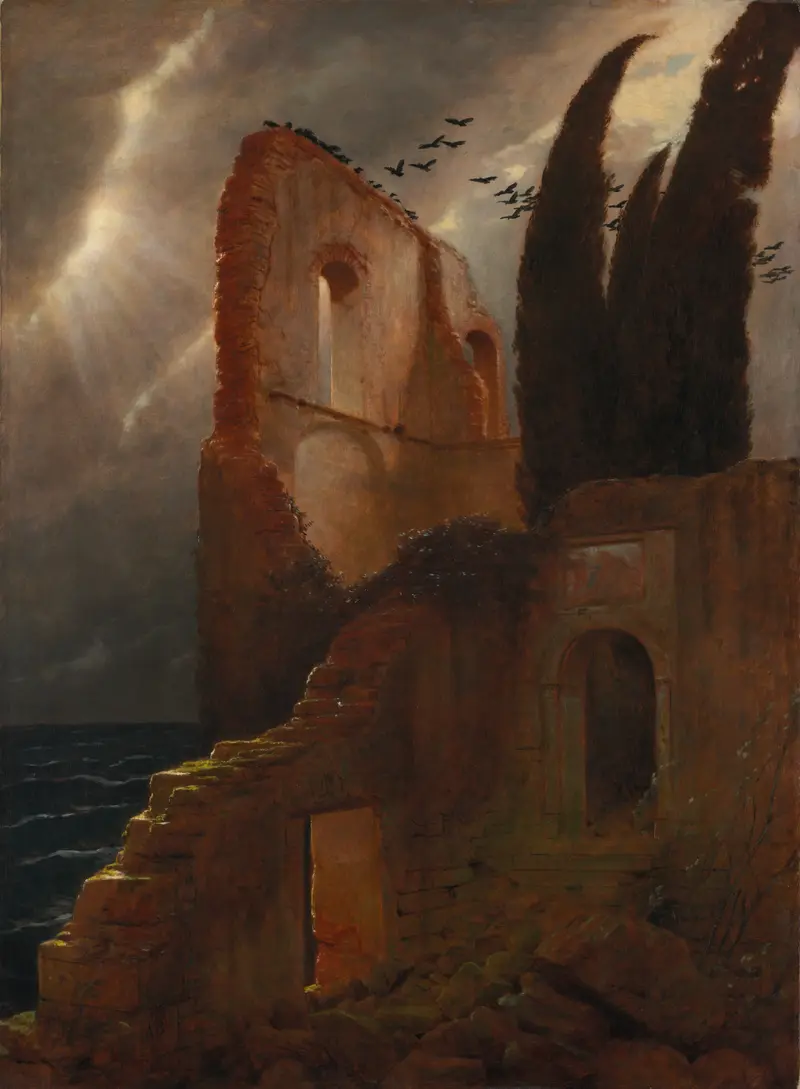
Ruin by the Sea
Arnold Böcklin
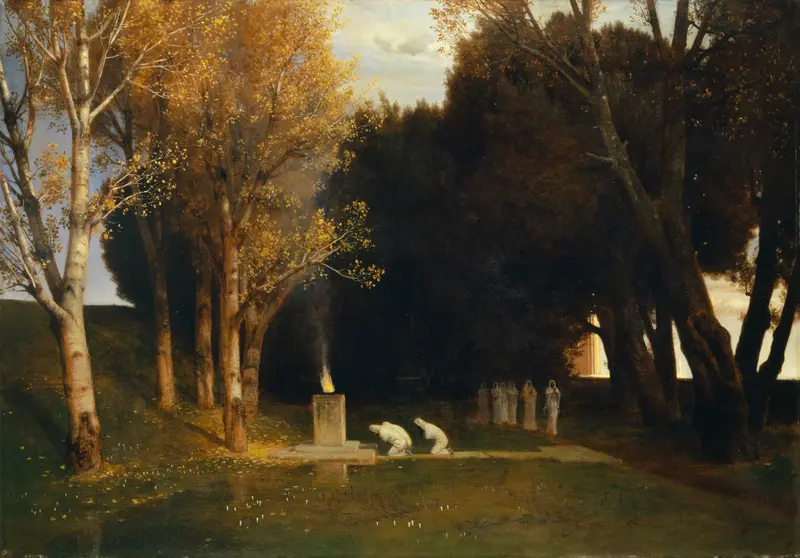
The Sacred Grove
Arnold Böcklin
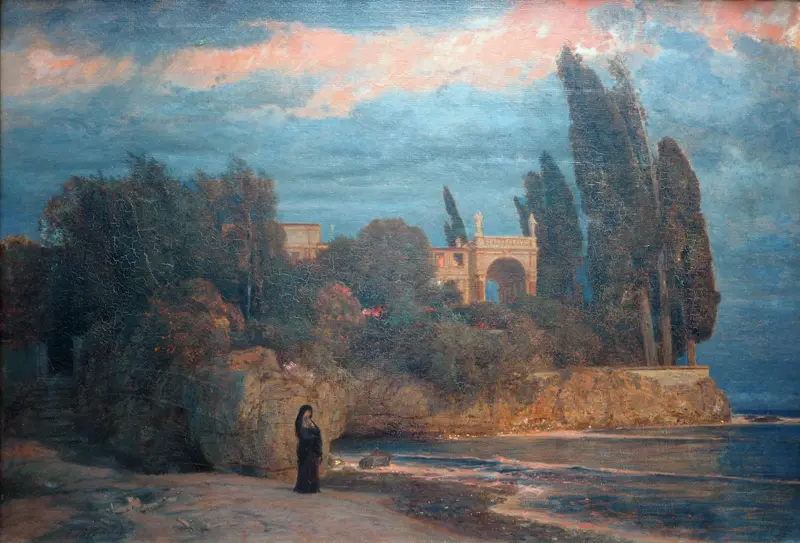
Villa by the Sea
Arnold Böcklin
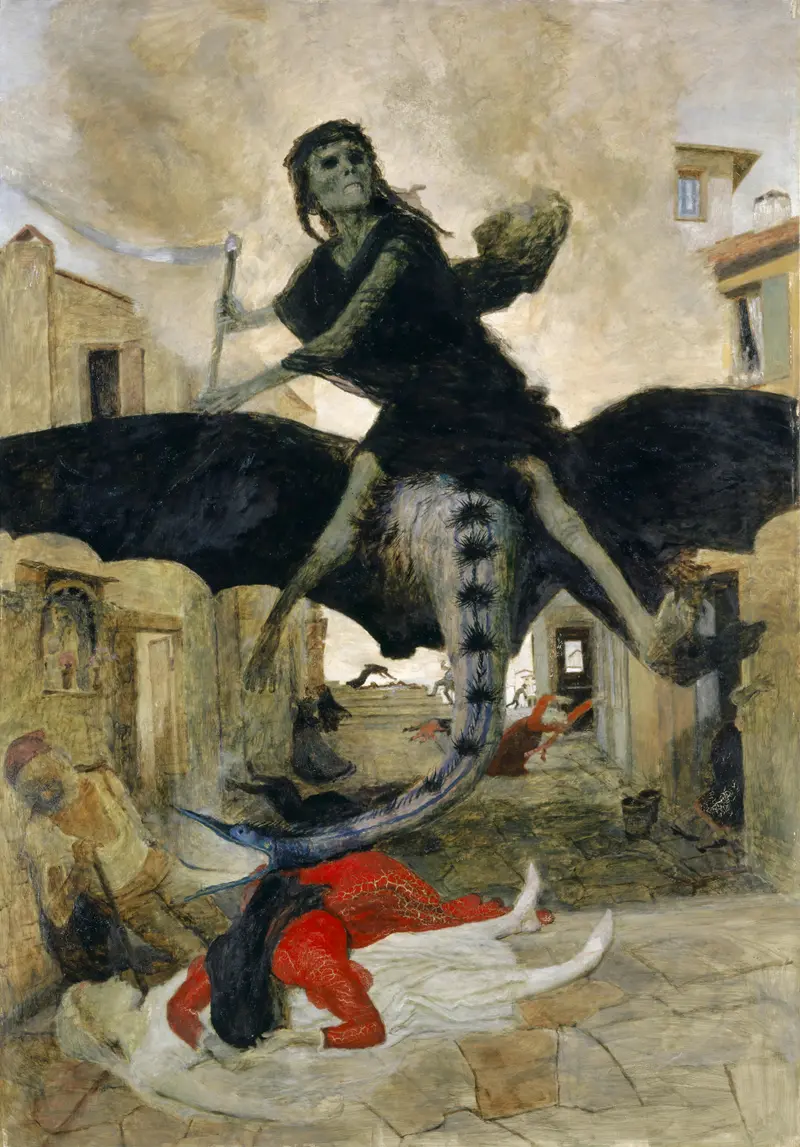
The Plague
Arnold Böcklin
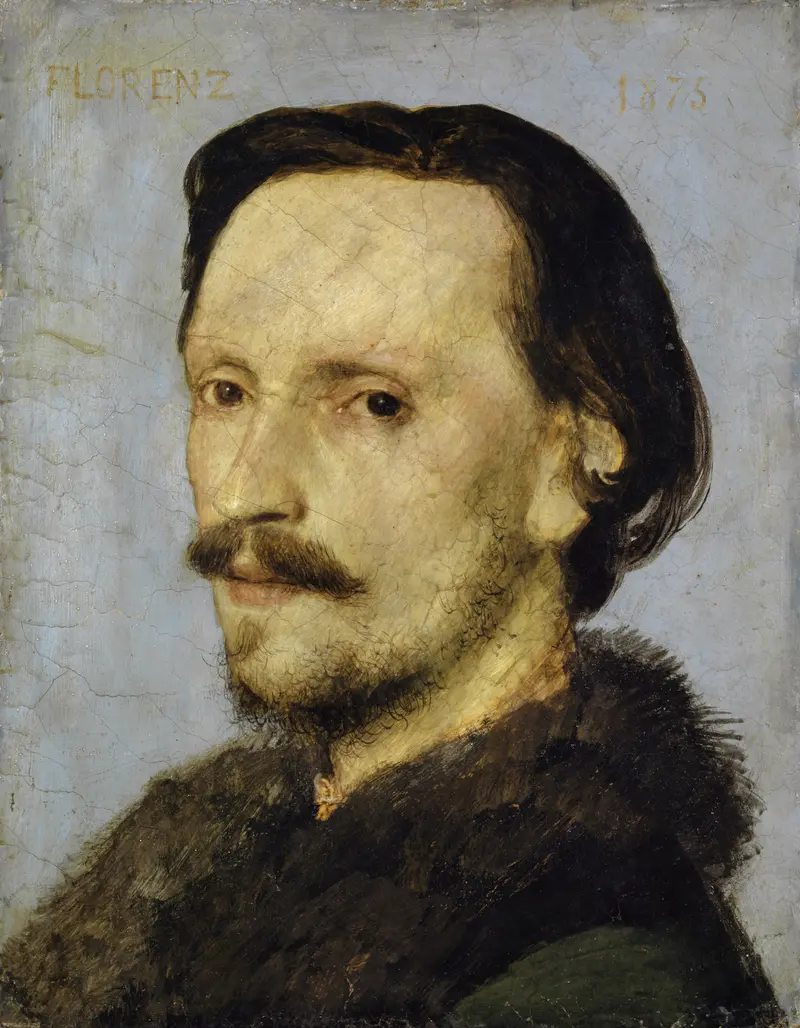
Böcklin Bildnis des Kunsthistorikers Adolph Bayersdorfer, 1875
Arnold Böcklin
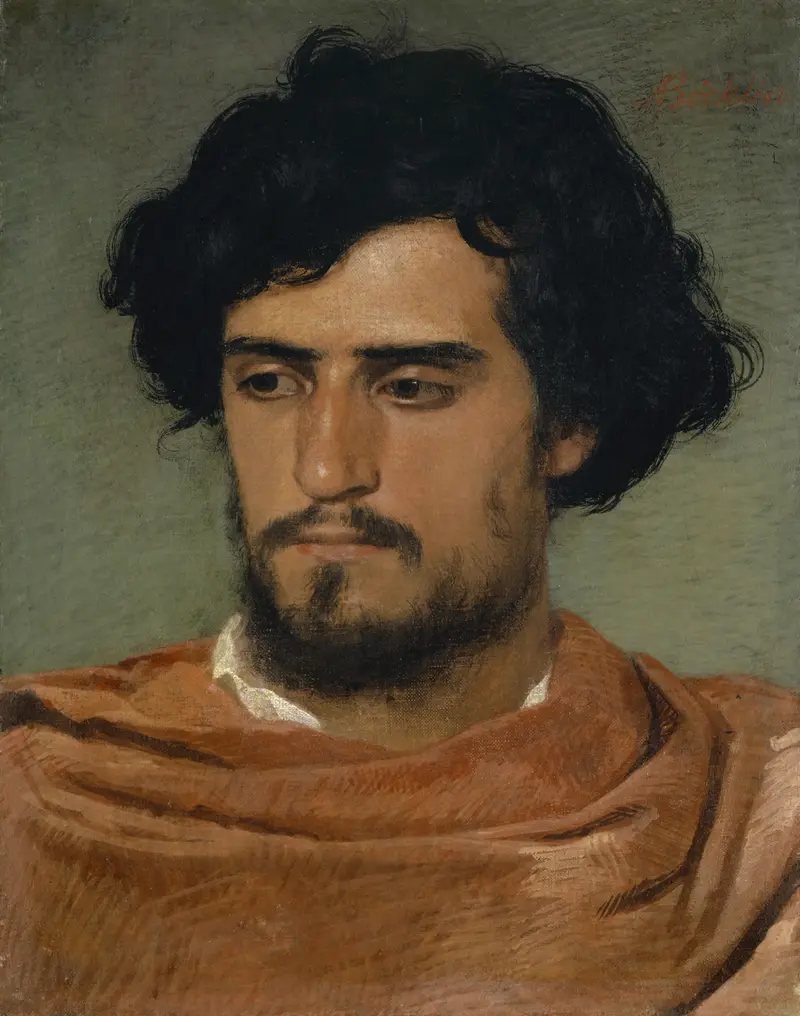
Head of a Roman
Arnold Böcklin
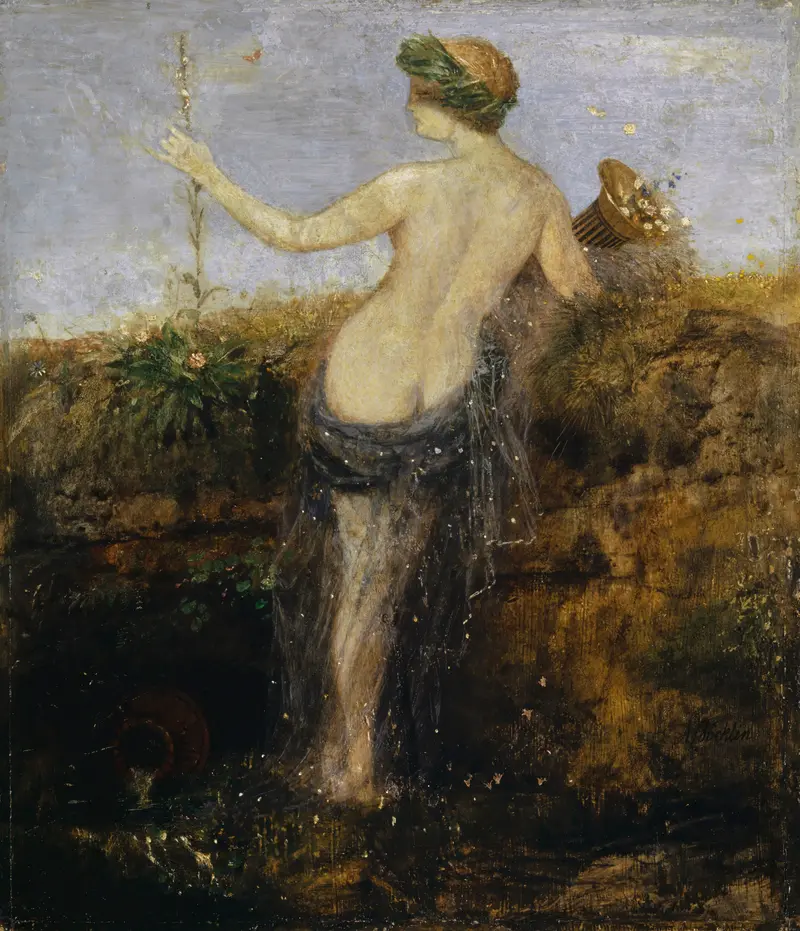
Nymphe with Horn of Plenty
Arnold Böcklin
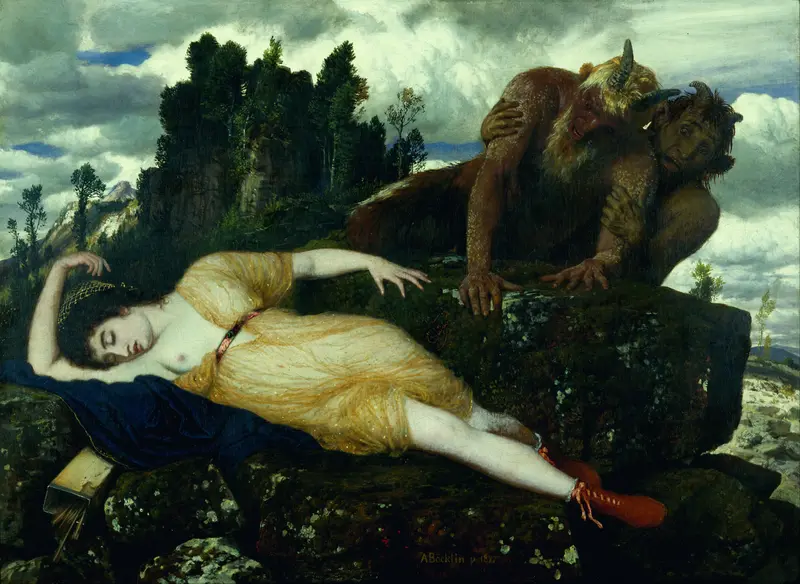
Sleeping Diana Watched by Two Fauns
Arnold Böcklin
Spring (Songs of Spring)
Arnold Böcklin





