
Spring Landscape — History & Facts
The delicate interplay of vibrant hues and serene forms often masks an undercurrent of revolution, one that stirs the soul and compels reflection. Begin your exploration by focusing on the painting's lush foreground, where a riot of greens and yellows unfolds, inviting the viewer into a world brimming with life. Notice how the gentle strokes convey the warmth of spring, with flowers blooming and the promise of renewal in every blade of grass. As your gaze ascends, the soft blue sky contrasts with the vivid earth tones, creating a sense of harmony that belies the chaos of change lurking just beneath the surface. The subtle tension in Spring Landscape becomes evident upon closer inspection.
Each vibrant color is carefully balanced with shadows, suggesting that the beauty of nature is inextricably linked to the struggles of the human spirit. The painting’s composition invites contemplation on the cyclical nature of life, hinting at a world poised on the brink of transformation. A solitary tree stands in the distance, a silent witness to the turmoil that will inevitably shape its surroundings, reflecting the duality of beauty and unrest. In 1904, Jan Stanisławski was painting during a time of significant social and political upheaval in Poland.
The country was grappling with national identity and cultural revival amidst the backdrop of partition and oppression. This piece emerged from a period of intense introspection and experimentation in the art world, where artists began to challenge traditional forms and embrace emotional depth in their work, ultimately leading to a new wave of Polish art that resonated with the spirit of revolution.
More Artworks by Jan Stanisławski
Browse all →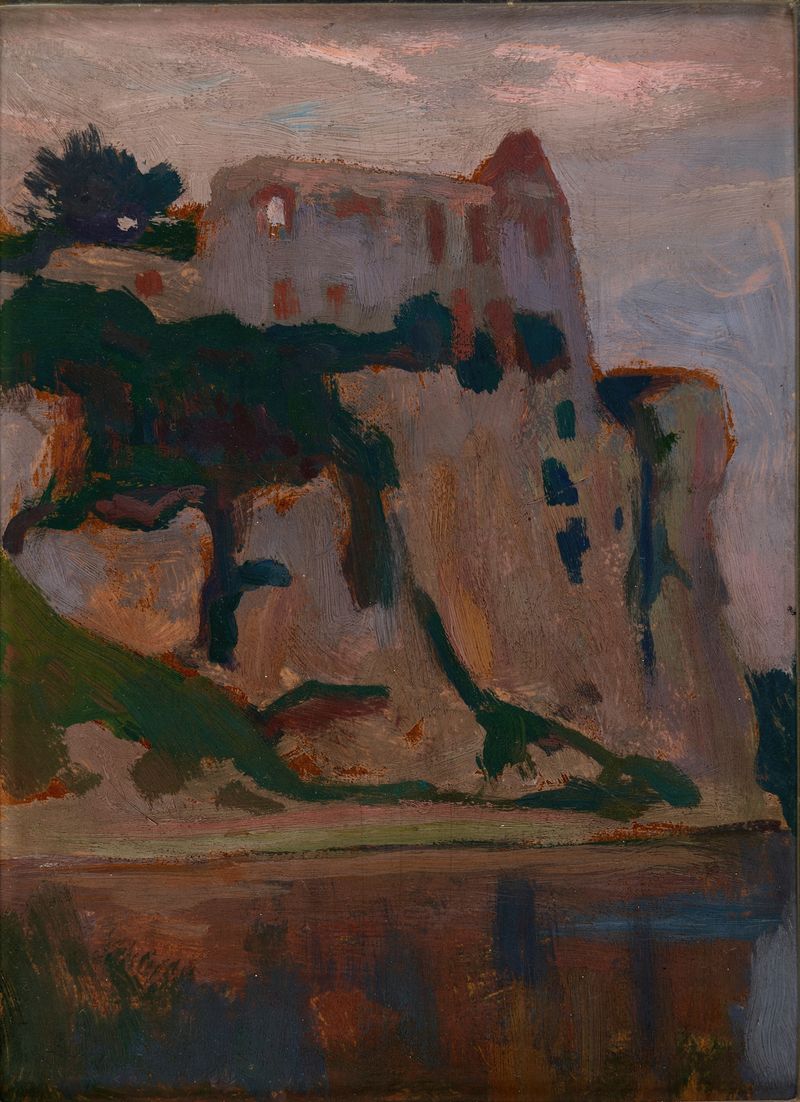
Tyniec at Dawn
Jan Stanisławski
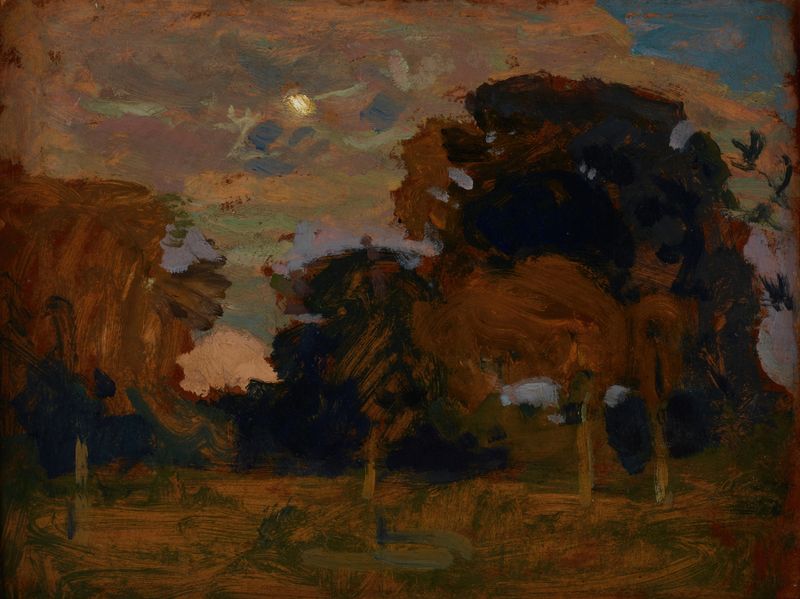
Moon in the Clouds
Jan Stanisławski
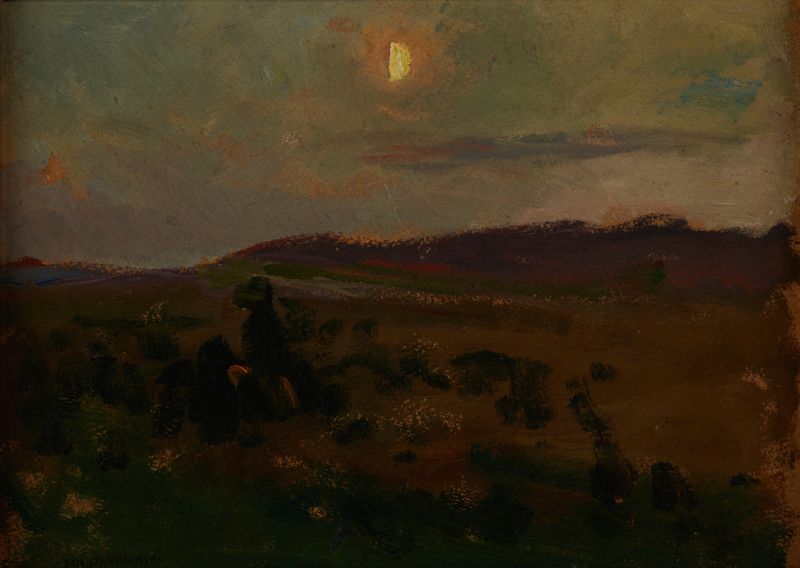
Moonrise
Jan Stanisławski
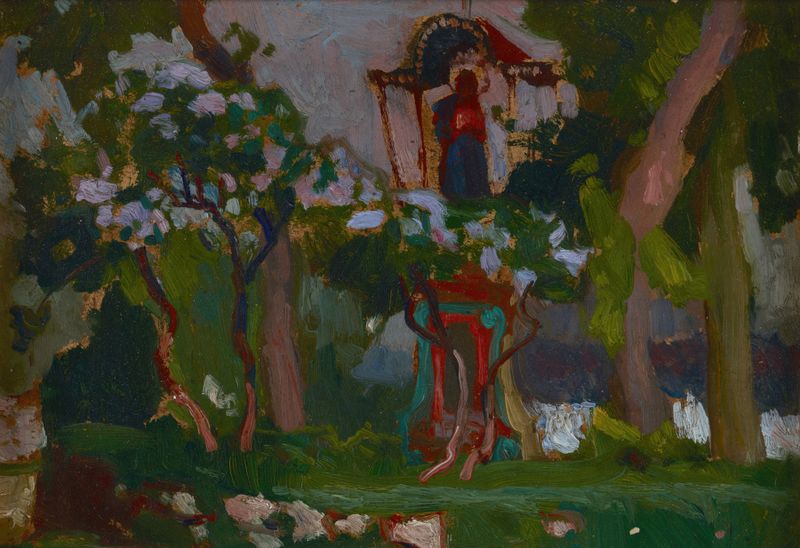
May
Jan Stanisławski
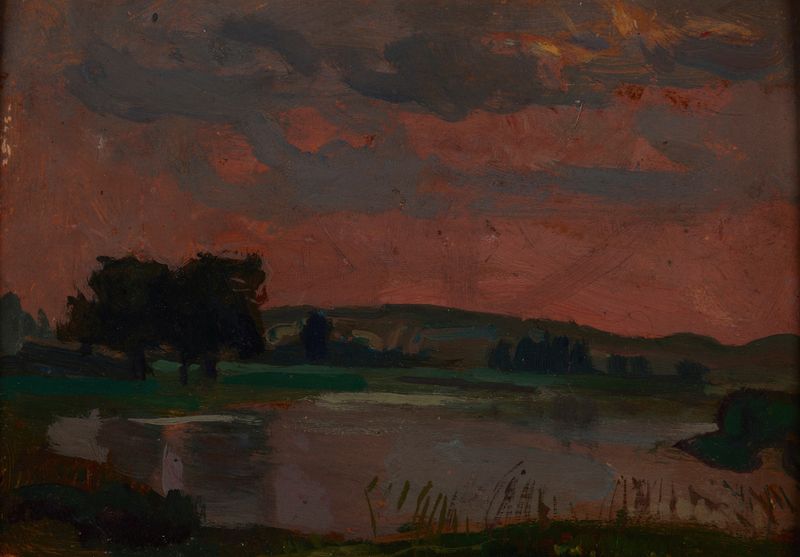
The Vistula in the Twilight
Jan Stanisławski
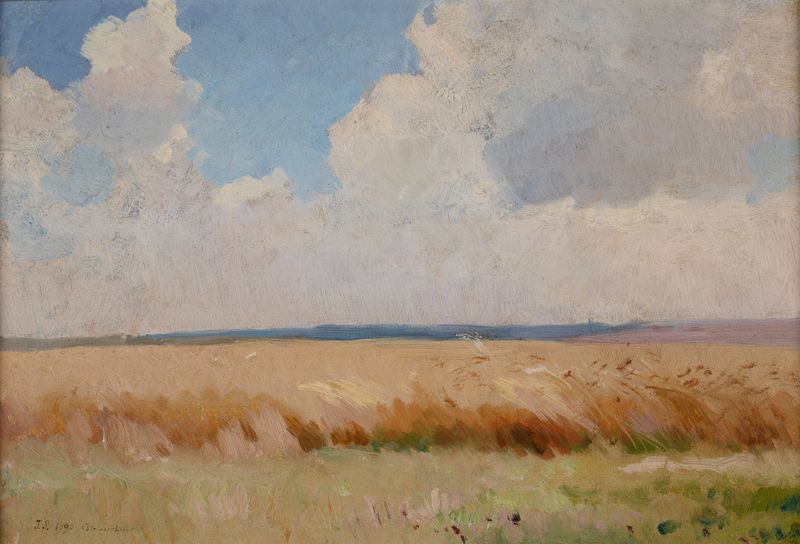
Field at Białocerkiew (Bila Tserkva)
Jan Stanisławski
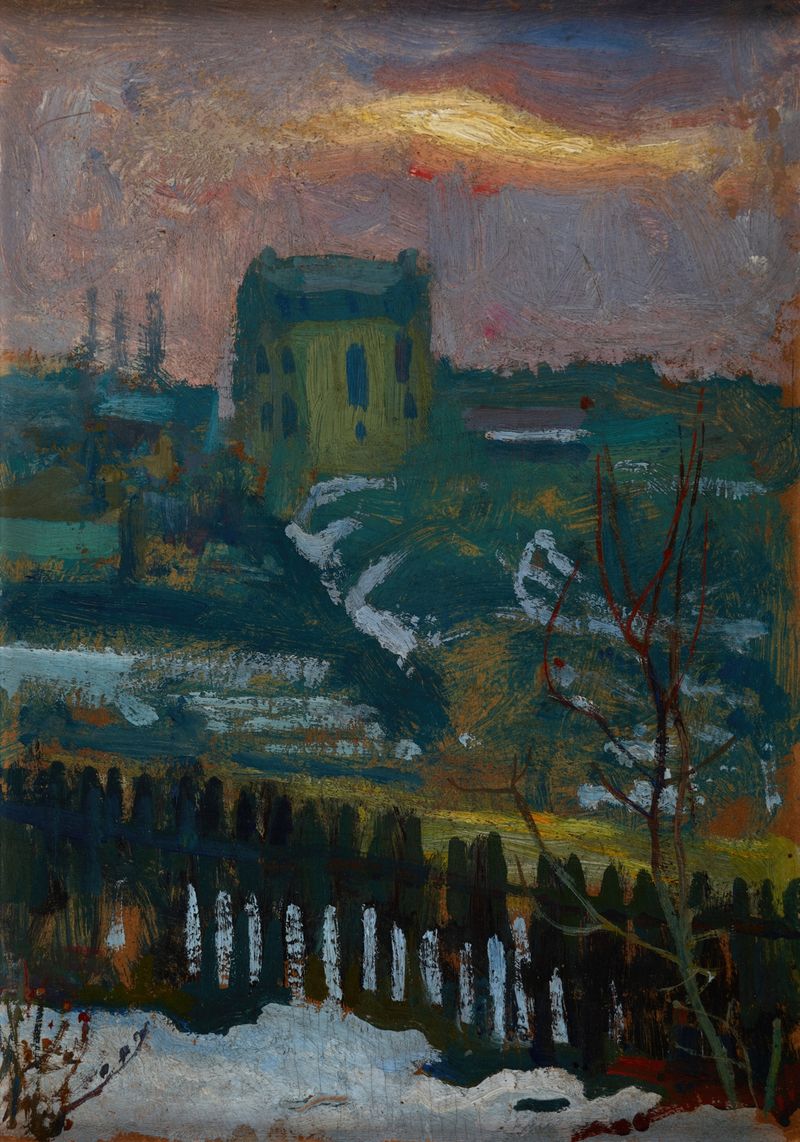
House in Winter
Jan Stanisławski
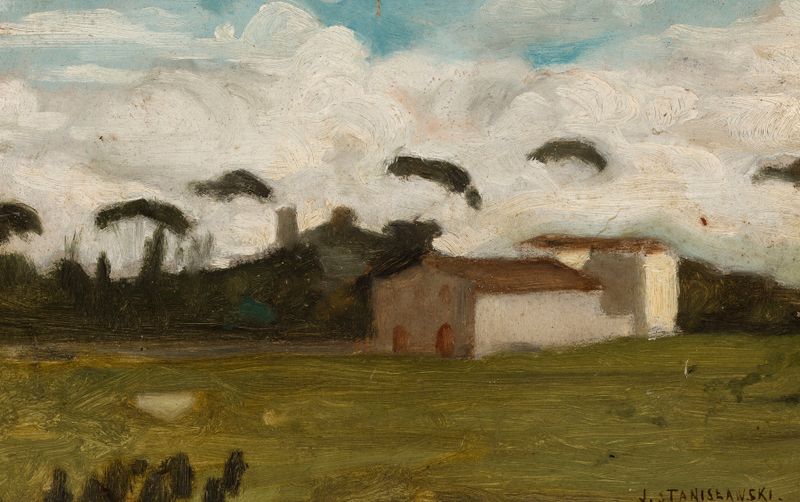
Landscape
Jan Stanisławski
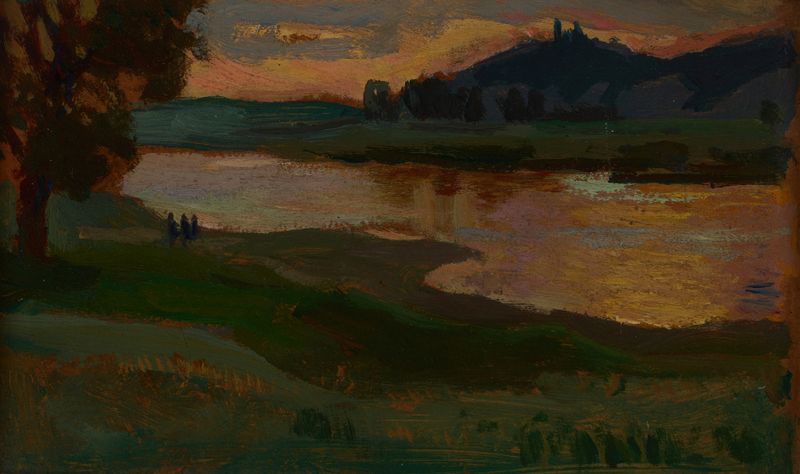
Bielany at Dusk
Jan Stanisławski
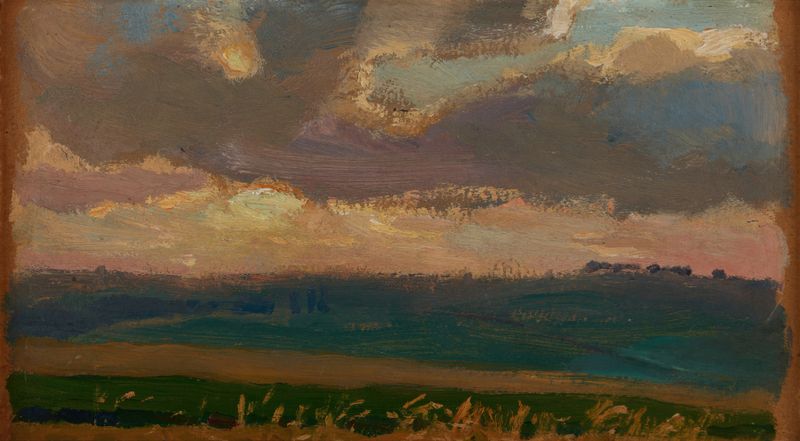
Fields at Proszowice
Jan Stanisławski





