
Spring: Margot Standing in a Garden (Fillette dans un jardin) — History & Facts
When Mary Cassatt unveiled Spring: Margot Standing in a Garden (Fillette dans un jardin) in 1900, she was at the height of her creative powers, yet still pushing boundaries in the Parisian art world. What sets this work apart is its personal connection: Margot, the young girl at the heart of the painting, was a frequent sitter and the daughter of Cassatt’s close friends. The artist’s choice to paint Margot amid the fresh bloom of spring was not simply a study of childhood, but a declaration of her ongoing fascination with the lives and inner worlds of women and children.
At a time when few women artists achieved such recognition, Cassatt’s focus on these intimate, everyday moments was itself a quiet act of defiance. The painting captures Margot at a moment of stillness, her small figure standing among the lush greens and scattered blossoms of a sunlit garden. Cassatt’s brushwork is loose and vibrant, echoing the Impressionist movement’s embrace of light and fleeting sensation, yet her attention to Margot’s upright posture and thoughtful gaze gives the scene a sense of quiet dignity. The girl’s white dress, touched with hints of pink and blue, stands out against the riot of color behind her, drawing the eye to her presence and suggesting innocence amid nature’s abundance.
Unlike Pierre-Auguste Renoir’s more decorative garden scenes, Cassatt’s approach is unsentimental: she offers a child not as an ornament, but as a person with her own inner life. The exact journey of Spring: Margot Standing in a Garden after its creation is not fully documented, a common fate for many of Cassatt’s privately commissioned or gifted works. What is clear is that this painting belongs to a celebrated group of her late-career garden portraits, which were often exhibited in Paris and America and contributed to her reputation as one of the leading figures of Impressionism. Today, the painting is held in a private collection, rarely on public view, but it continues to be reproduced in books and exhibitions devoted to Mary Cassatt’s exploration of childhood and domestic life.
As with much of her work, it stands as a testament to her ability to find the extraordinary within the ordinary, and to elevate the quiet moments of daily life.
More Artworks by Mary Cassatt

The Child's Bath
Mary Cassatt
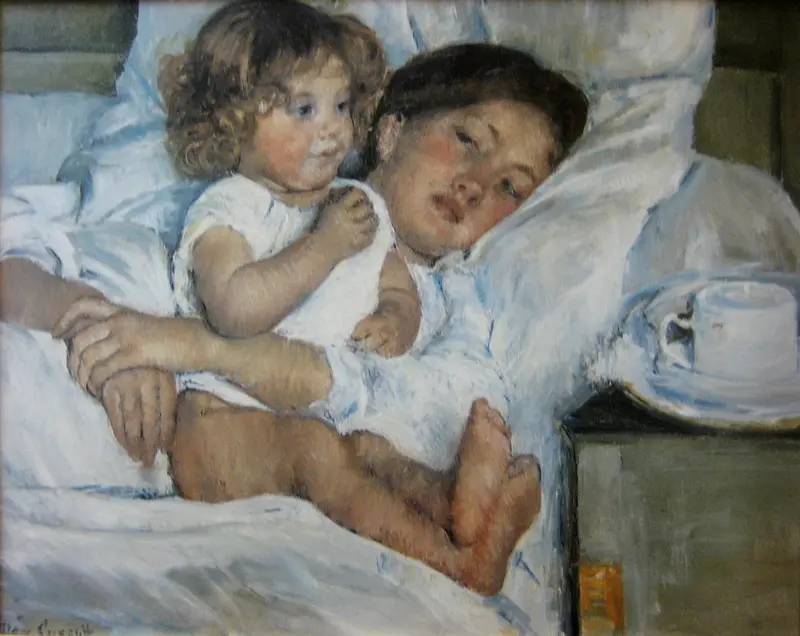
Breakfast in Bed
Mary Cassatt

Mother and Child (Baby Getting Up from His Nap)
Mary Cassatt
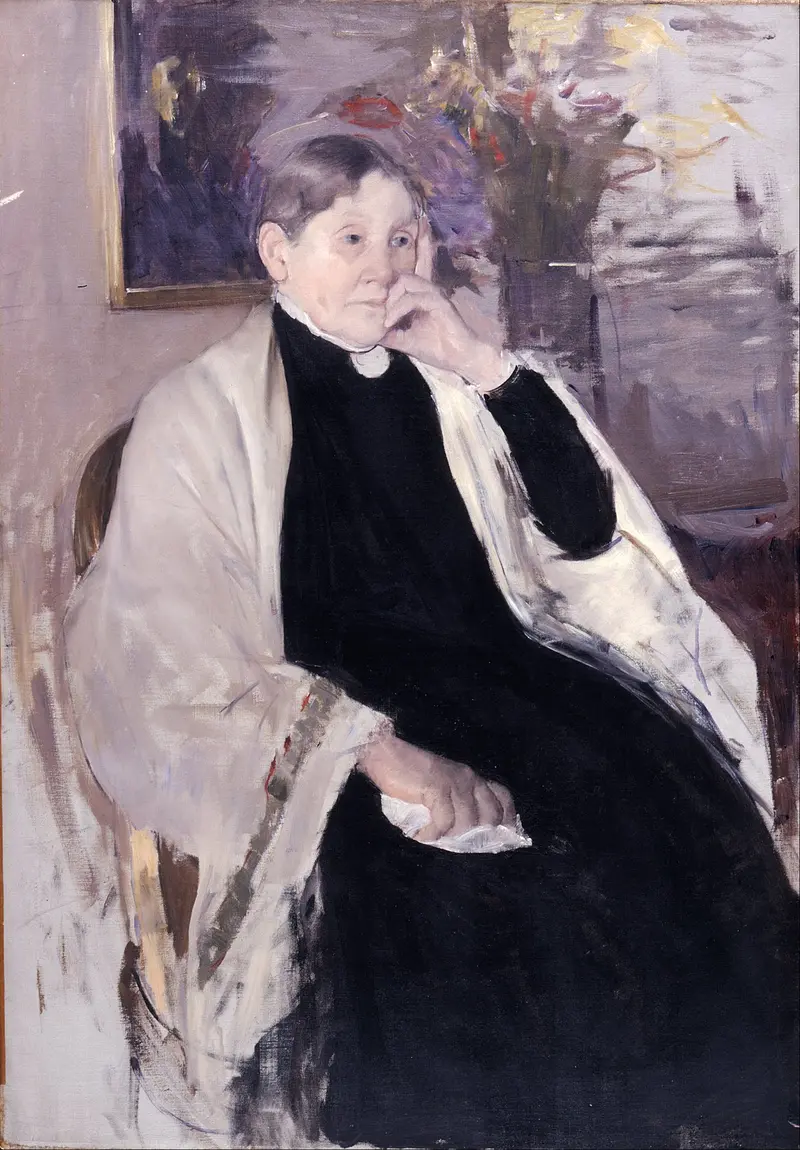
Mrs. Robert S. Cassatt, the Artist's Mother
Mary Cassatt
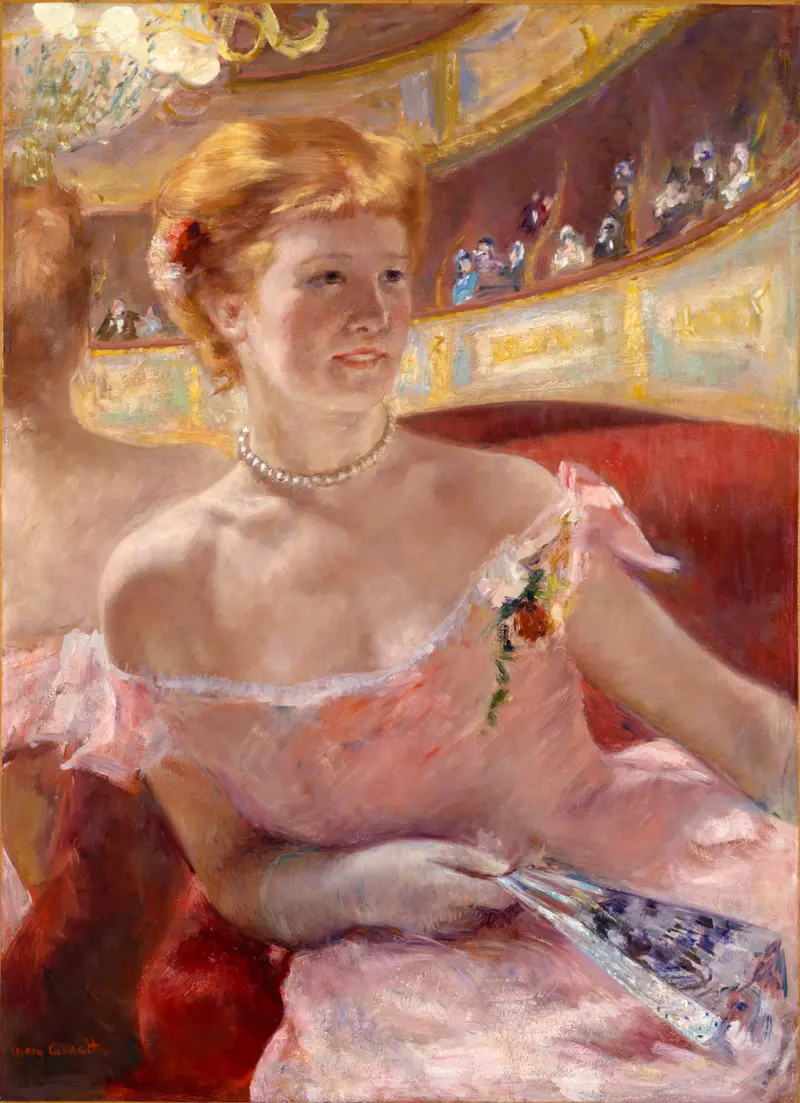
Woman with a Pearl Necklace in a Loge
Mary Cassatt
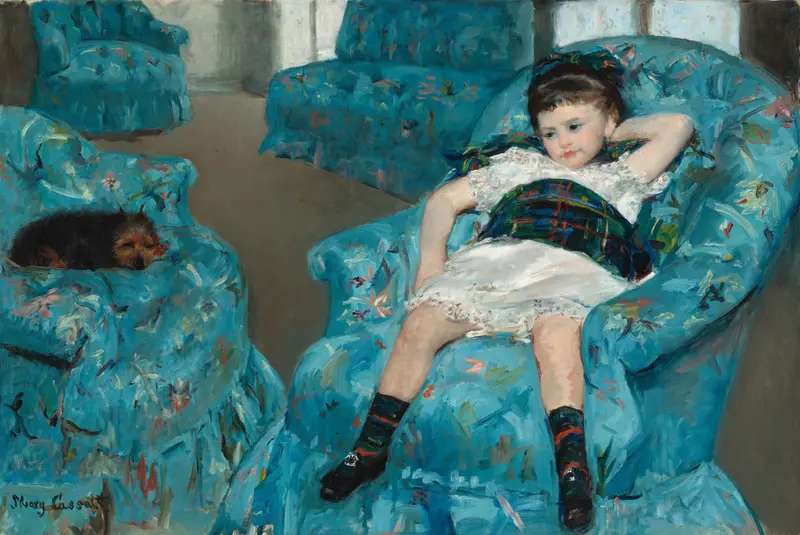
Little Girl in a Blue Armchair
Mary Cassatt
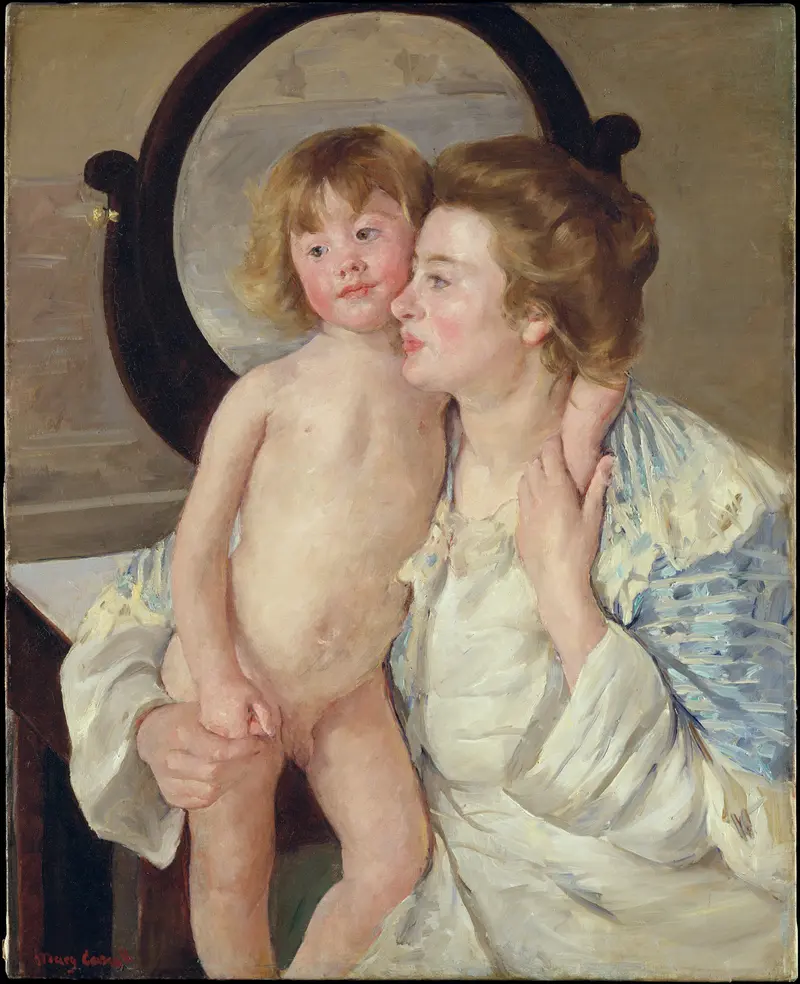
Mother and Child (The Oval Mirror)
Mary Cassatt
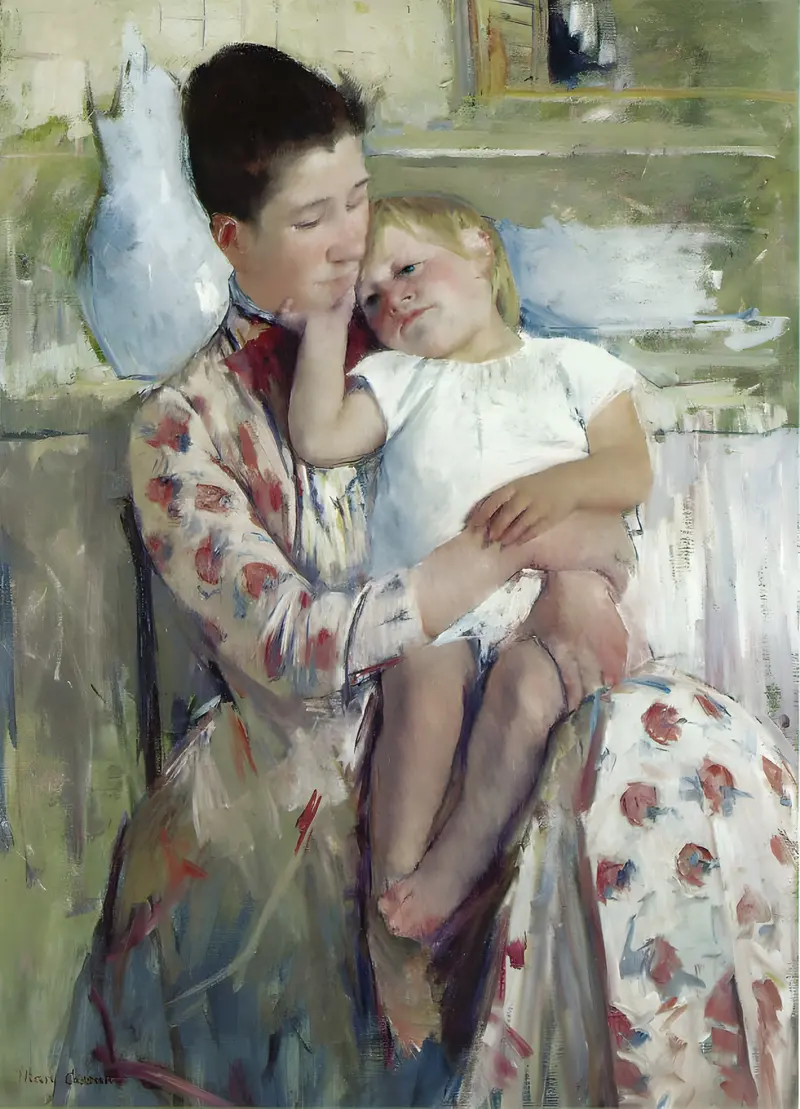
Mother and Child
Mary Cassatt
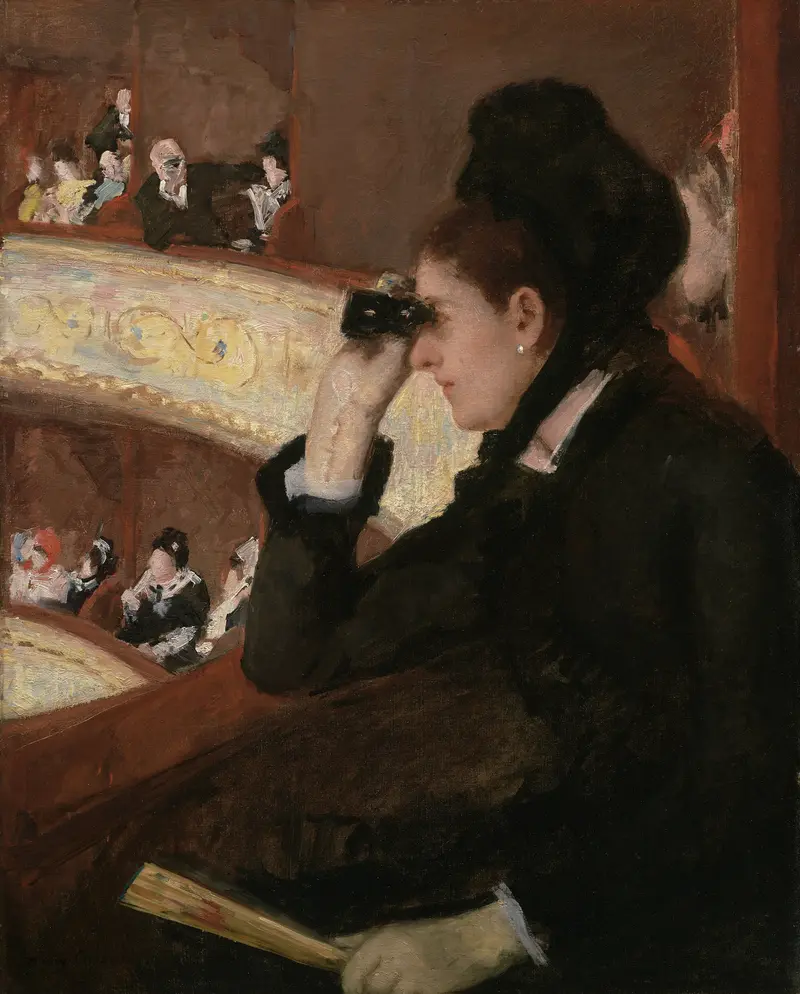
In The Loge
Mary Cassatt
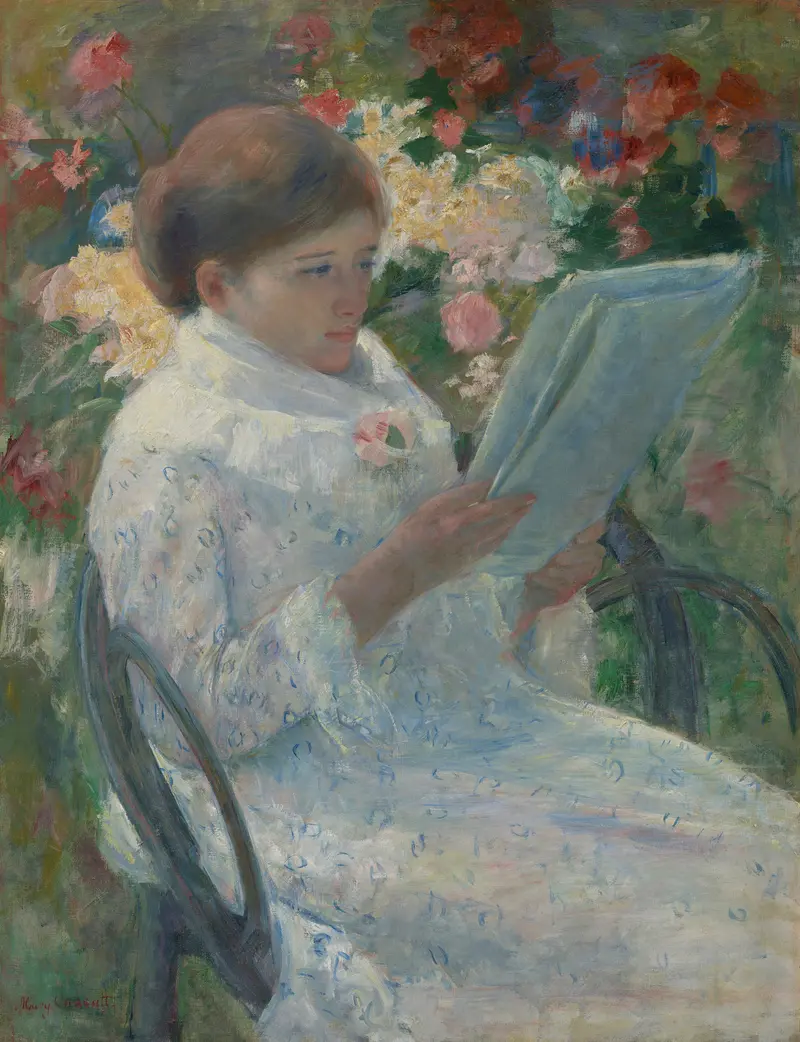
On a Balcony
Mary Cassatt
More Genre Scene Art

Banquet of the Officers of the St George Civic Guard
Frans Hals

Rembrandt and Saskia in the Scene of the Prodigal Son
Rembrandt van Rijn

Bal du moulin de la Galette
Pierre-Auguste Renoir

Quadrille at the Moulin Rouge
Henri de Toulouse-Lautrec

A Burial at Ornans
Gustave Courbet

When Will You Marry?
Paul Gauguin