
St. André — History & Facts
In St. André, Jacques Callot presents a detailed religious scene filled with rich colors. The figures are depicted in a dynamic arrangement, showcasing their expressions and gestures.
The background features architectural elements that suggest a sacred space. The overall composition draws the viewer's eye towards the central figure of St. Andrew. This artwork is an etching, a technique that allows for fine detail and texture.
Callot's use of line work is meticulous, capturing the intricate details of the clothing and expressions of the figures. The dimensions are approximately 30 x 40 cm, making it a modest-sized piece. The etching technique also contributes to the depth and richness of the image. Jacques Callot, a prominent figure in the Baroque period, was known for his innovative etchings.
St. André reflects his ability to convey emotion and narrative through his art. An interesting fact about this work is that it was created during a time when religious themes were prevalent in art, serving both devotional and educational purposes for viewers.
More Artworks by Jacques Callot

De verloren zoon als zwijnenhoeder
Jacques Callot
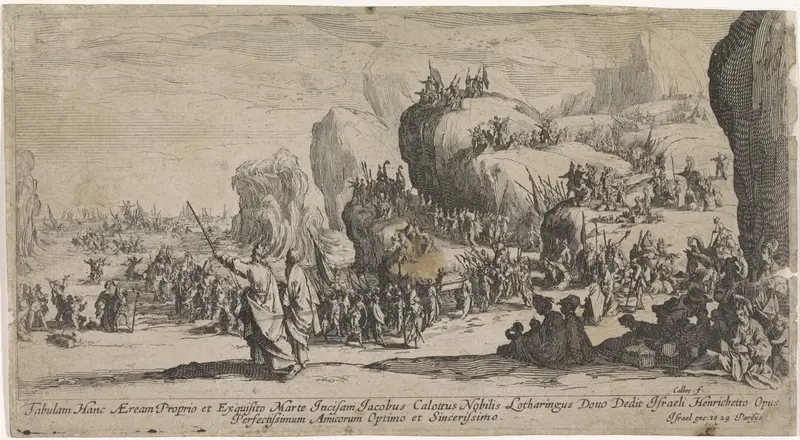
De doortocht door de Rode Zee
Jacques Callot

Kruisiging
Jacques Callot
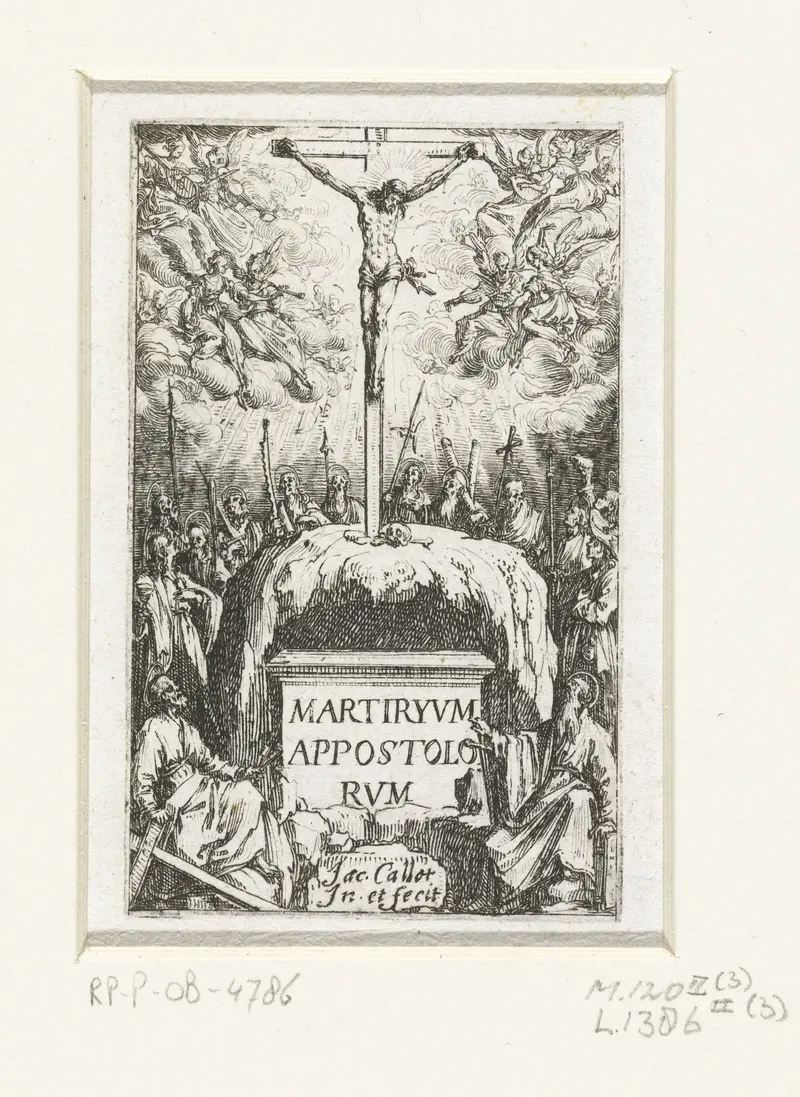
Titelprent voor de prentreeks 'De kleine apostelen' (Het martelaarschap van de apostelen)
Jacques Callot
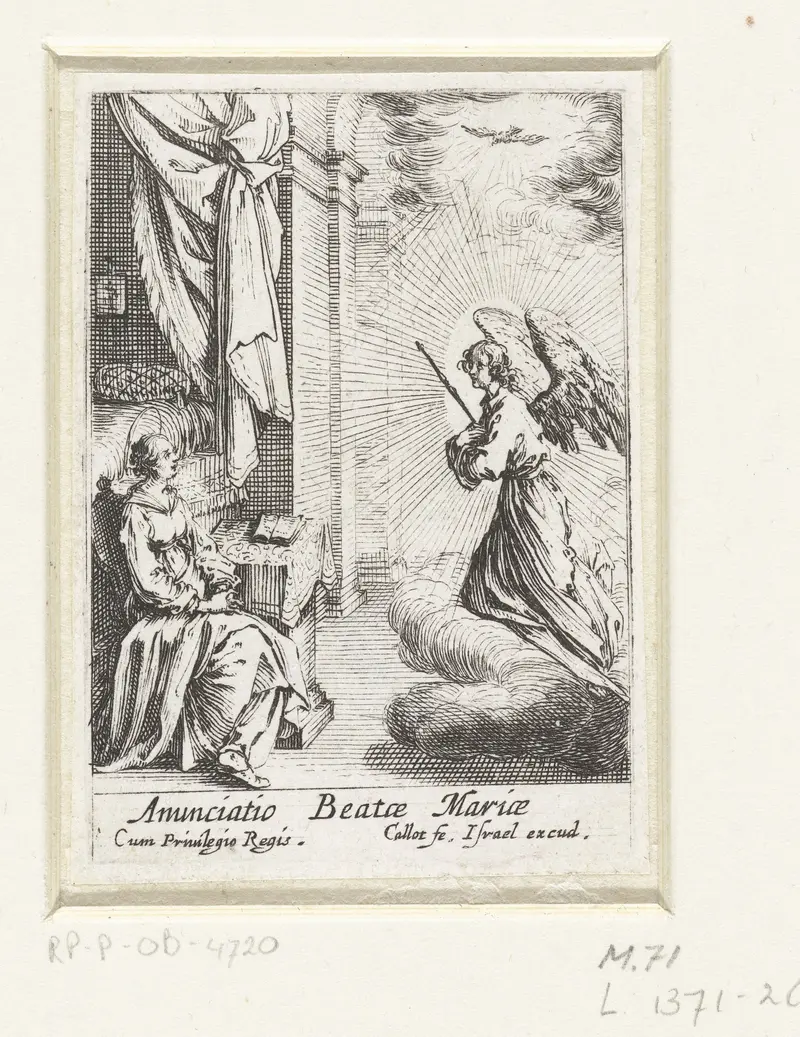
Annunciatie
Jacques Callot
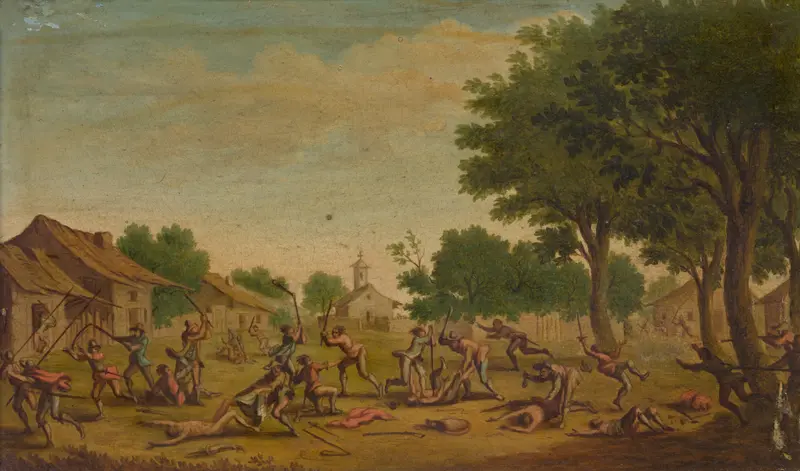
Village Fight
Jacques Callot
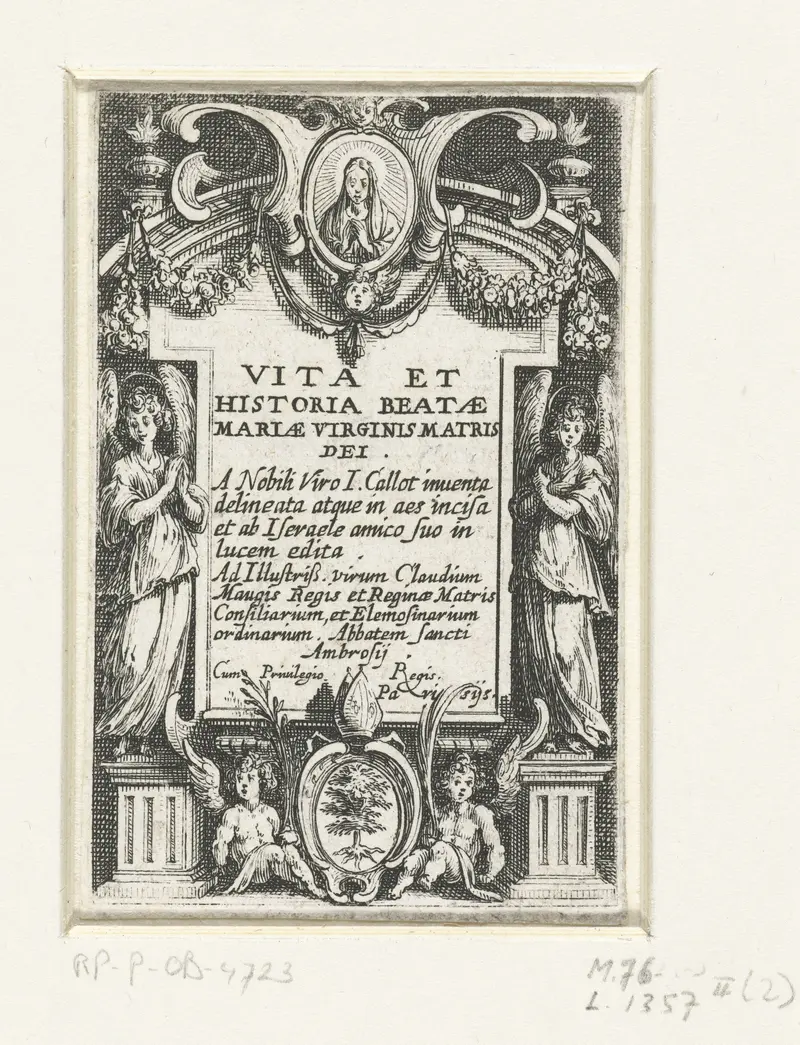
Titelprent voor prentreeks 'Het leven van Maria'
Jacques Callot
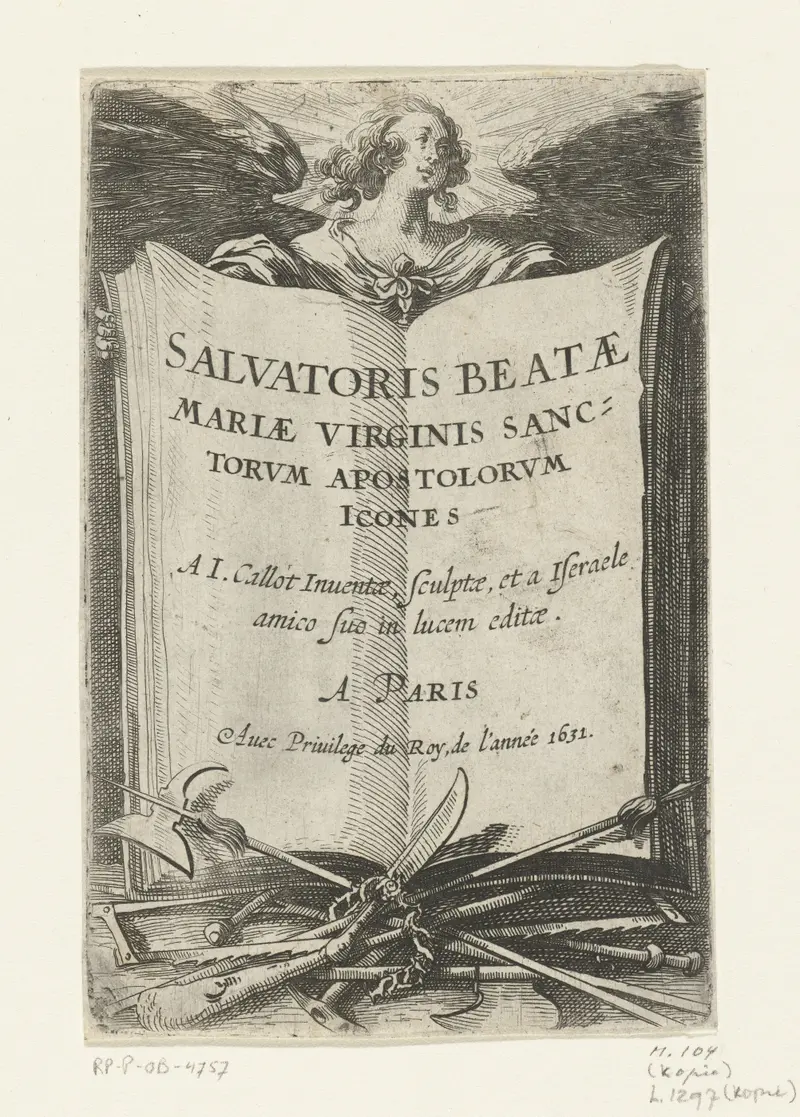
Titelprent voor de prentreeks 'De grote apostelen' (Christus, Maria en de apostelen)
Jacques Callot

Kruisoprichting
Jacques Callot
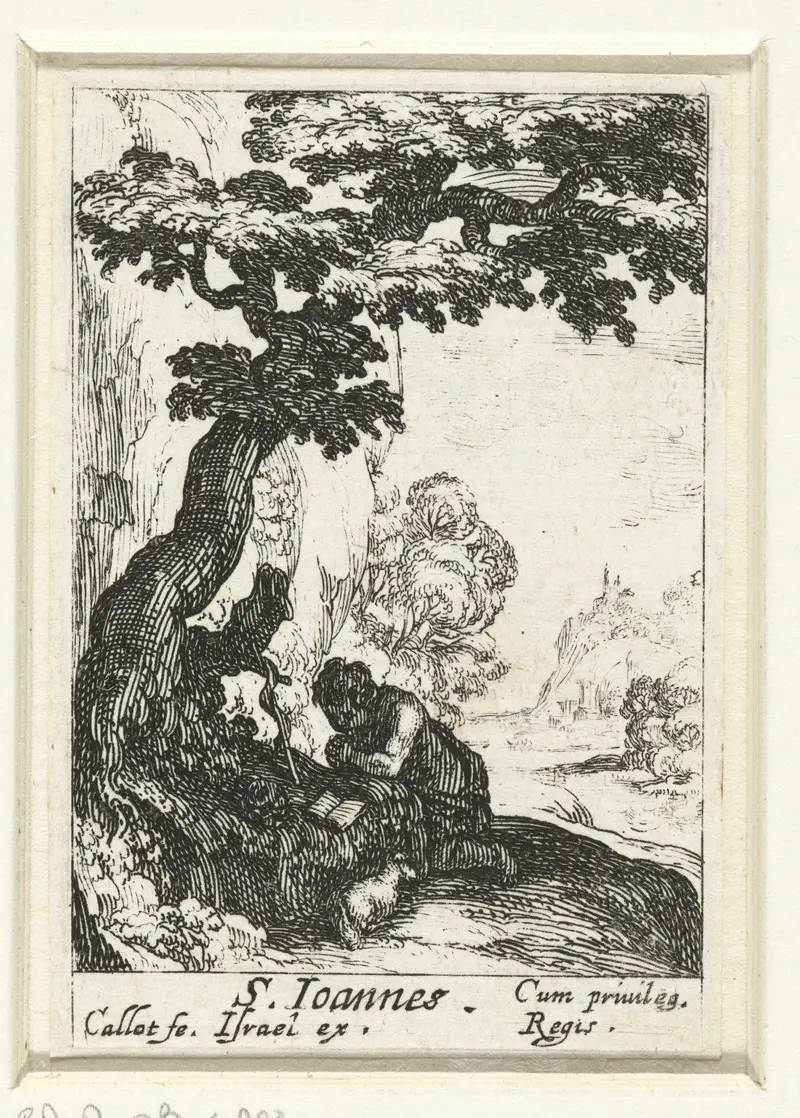
De boetvaardige Johannes de Doper
Jacques Callot





