
St Ignatius Loyola — History & Facts
When Francisco de Zurbarán painted St Ignatius Loyola in 1642, he was contributing to a remarkable series of portraits of the founders of religious orders for the altarpiece of the Jesuit college in Seville. This commission was not just an artistic endeavor but a statement of power and presence: the Jesuits, only officially recognized in 1540, were rapidly expanding their influence across Spain. Zurbarán’s portrait of Ignatius, the Basque nobleman who became the order’s first Superior General, was meant to inspire both reverence and emulation among students and clergy alike. The painting captures Ignatius at the height of spiritual ecstasy, his gaze lifted heavenward, hands pressed to his chest in fervent prayer.
He is robed in the simple black cassock of the Society of Jesus, a sharp contrast to the rich brocades often seen in depictions by other artists, such as Peter Paul Rubens’s more theatrical St Ignatius Loyola. Zurbarán’s use of stark light isolates the figure against a dark, undefined background, focusing all attention on the saint’s intense interior life. The open book at Ignatius’s side alludes to his foundational text, the Spiritual Exercises, while the subtle glimmer of a cross hints at the order’s missionary zeal. Though the precise journey of this particular canvas is not fully documented, it is believed to have remained in Seville for centuries, cherished by the Jesuit community that first commissioned it.
St Ignatius Loyola stands as a testament to Zurbarán’s deep engagement with religious themes during the 1640s, a period when he was at the height of his powers and reputation in Andalusia. Today, the painting is recognized as one of the most penetrating images of Ignatius, reflecting both the austerity and the fervor that defined the early Jesuit movement. Its restrained drama and psychological depth continue to distinguish Zurbarán’s vision from his contemporaries.
More Artworks by Francisco de Zurbarán
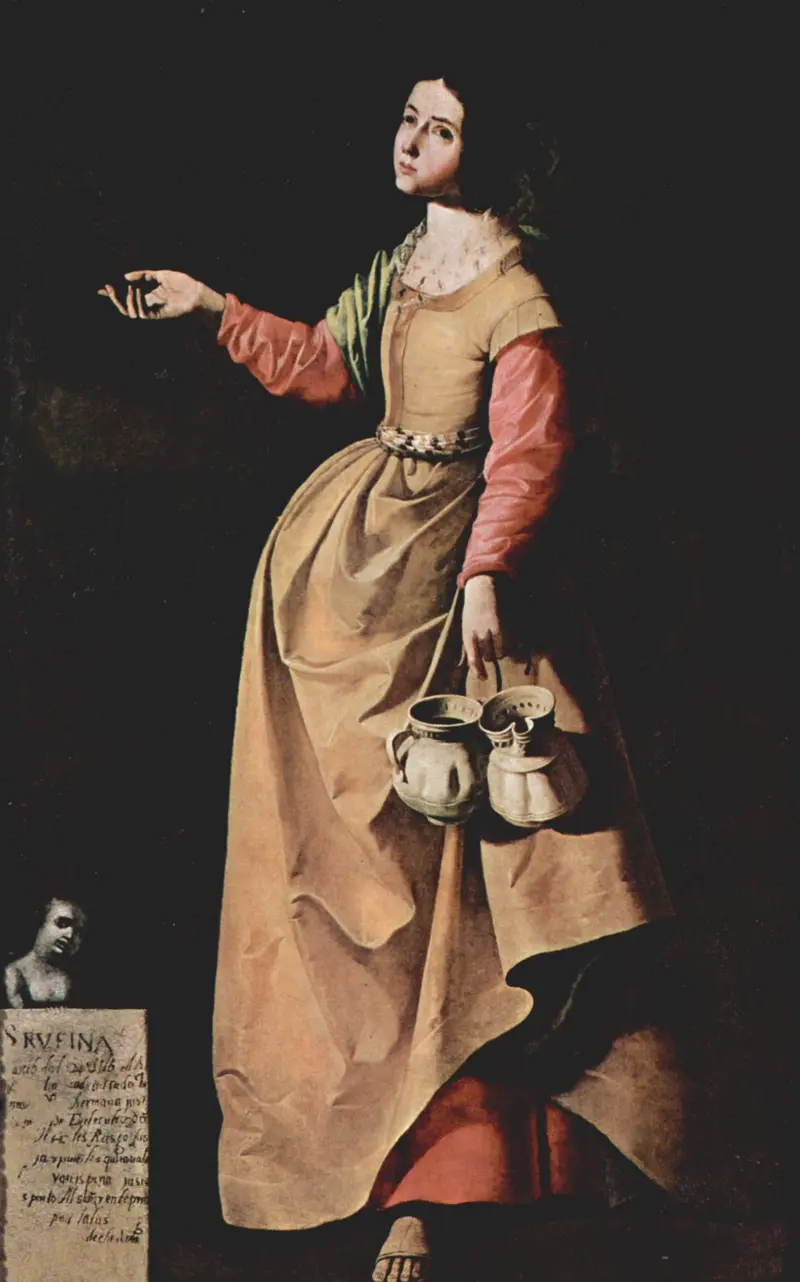
Saint Rufina
Francisco de Zurbarán
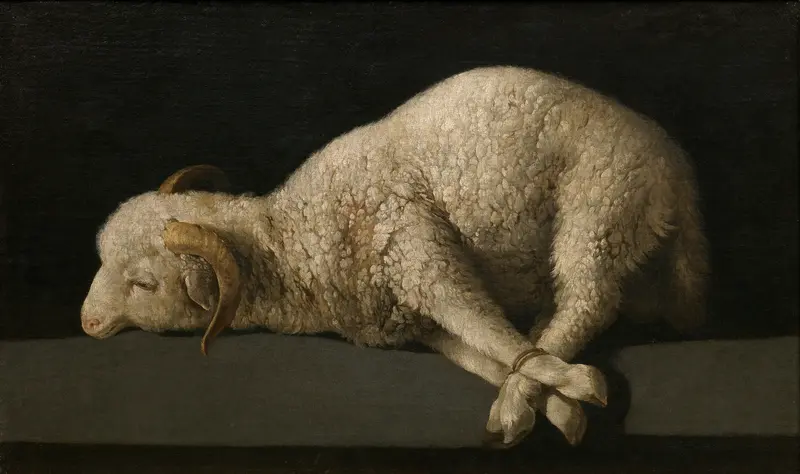
Agnus Dei
Francisco de Zurbarán
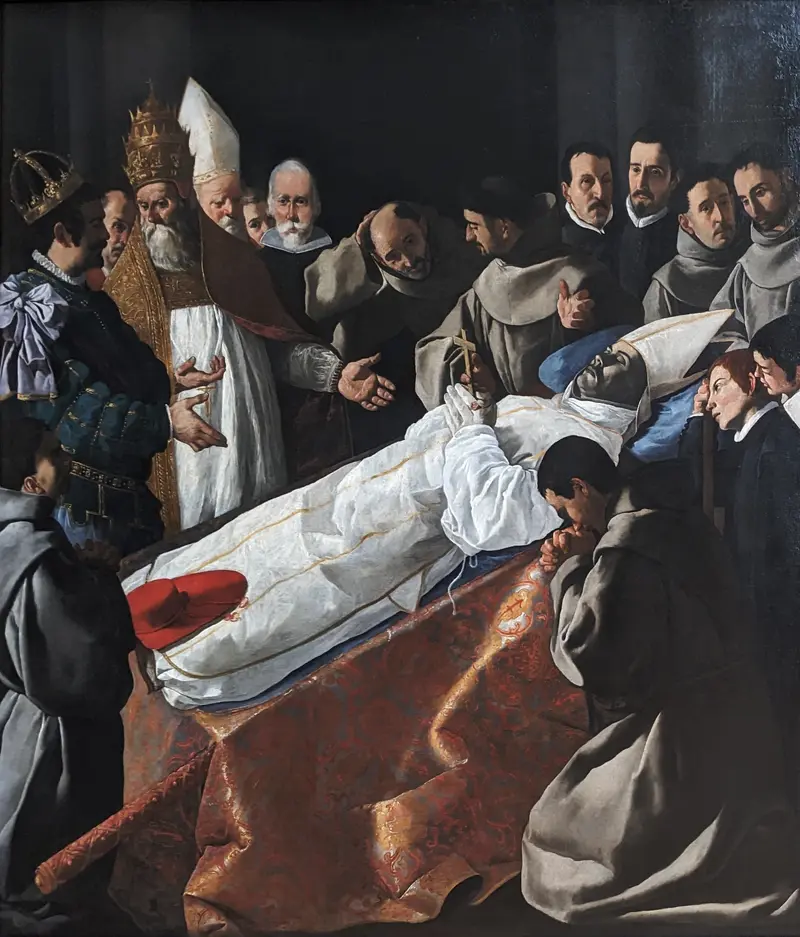
Saint Bonaventure's Body Lying in State
Francisco de Zurbarán
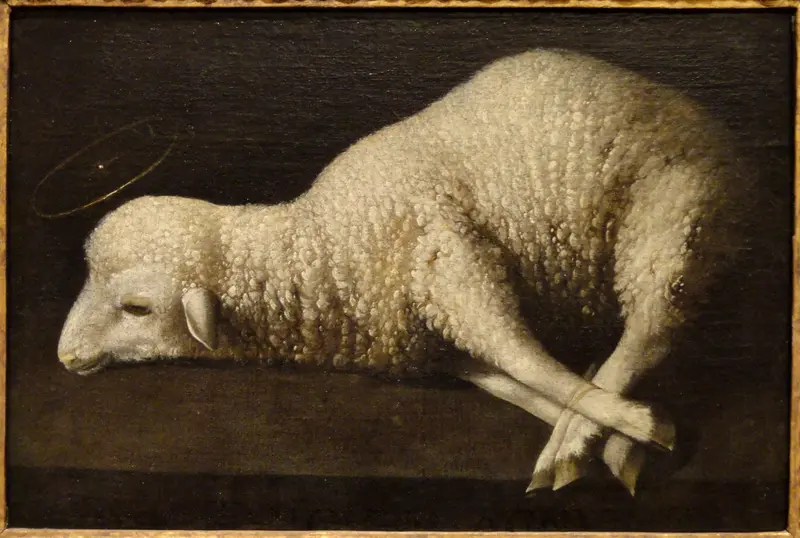
The Lamb of God
Francisco de Zurbarán

Adoration of the Magi
Francisco de Zurbarán
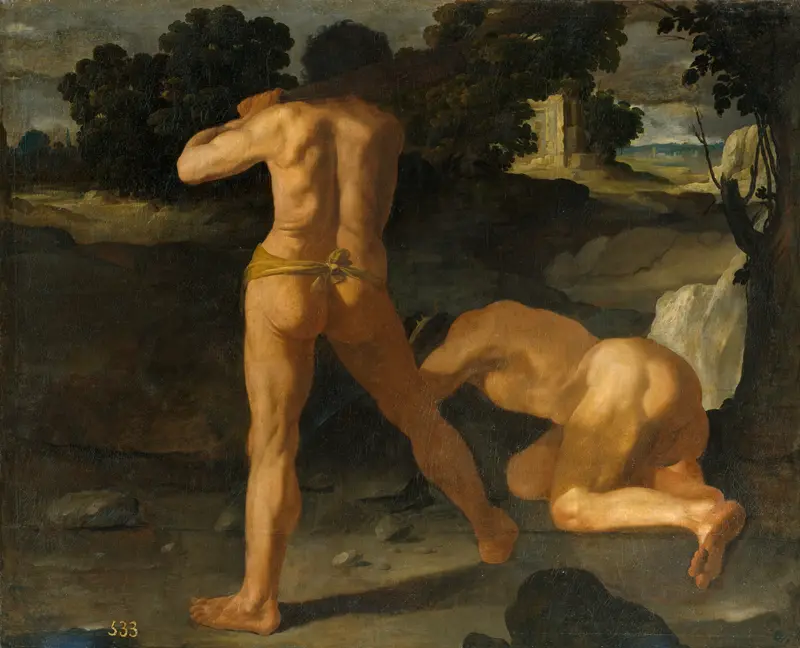
Hercules defeats King Geryon
Francisco de Zurbarán
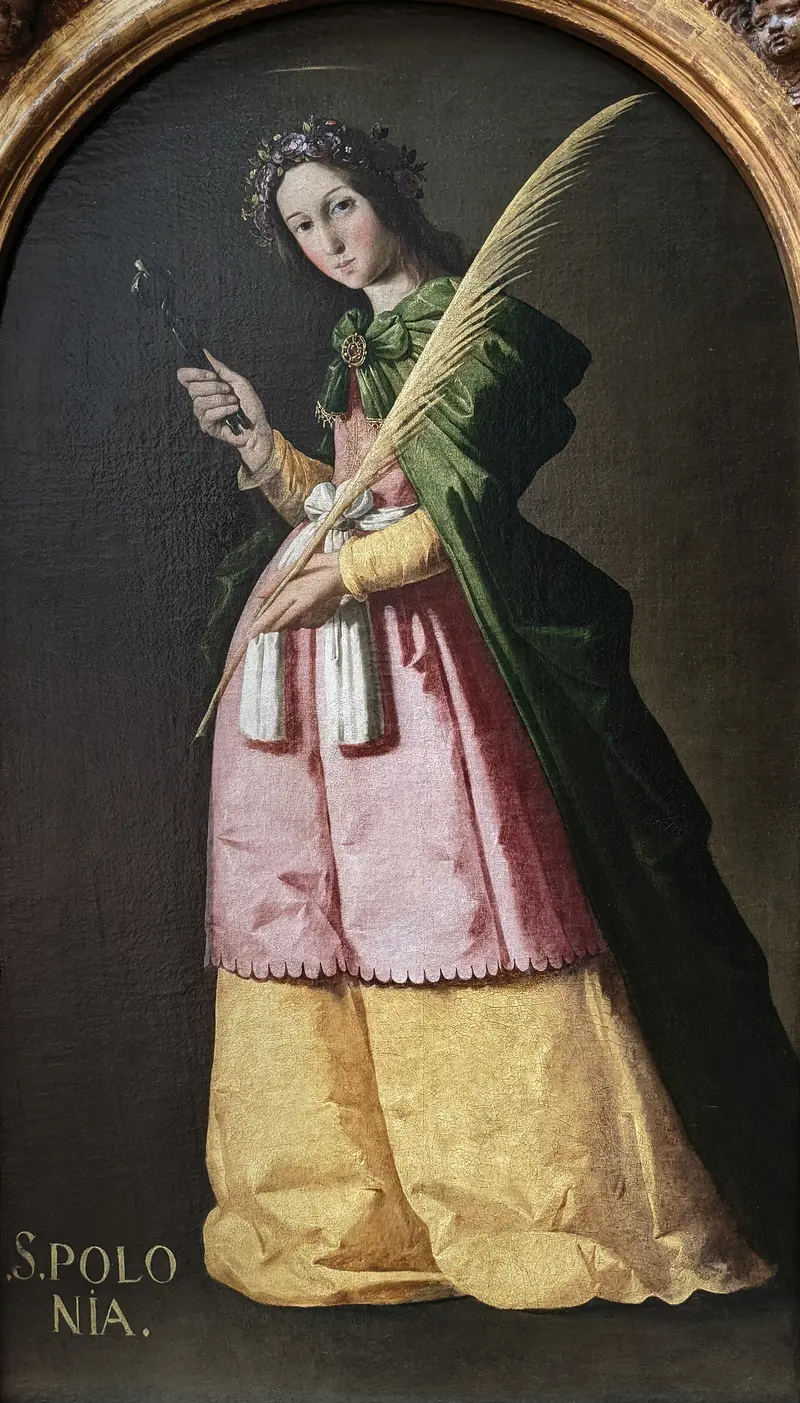
Saint Apollonia
Francisco de Zurbarán
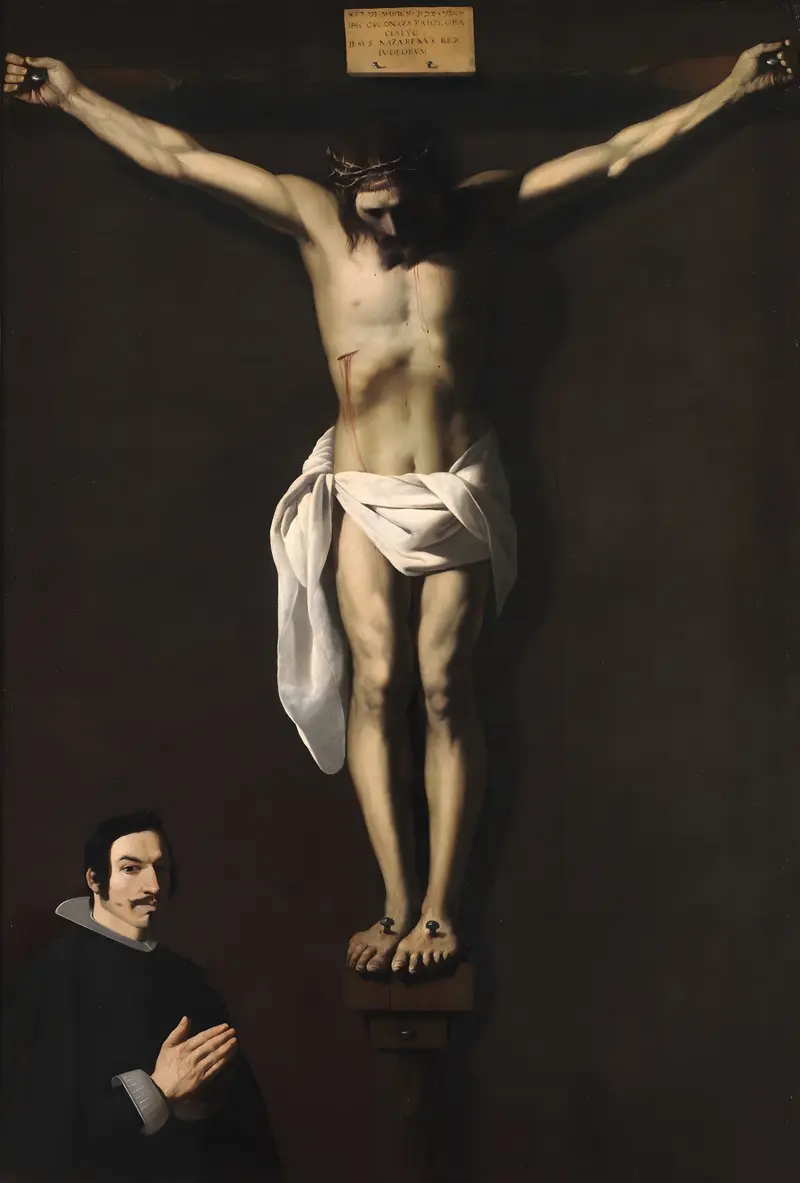
The Crucified Christ with a Donor
Francisco de Zurbarán
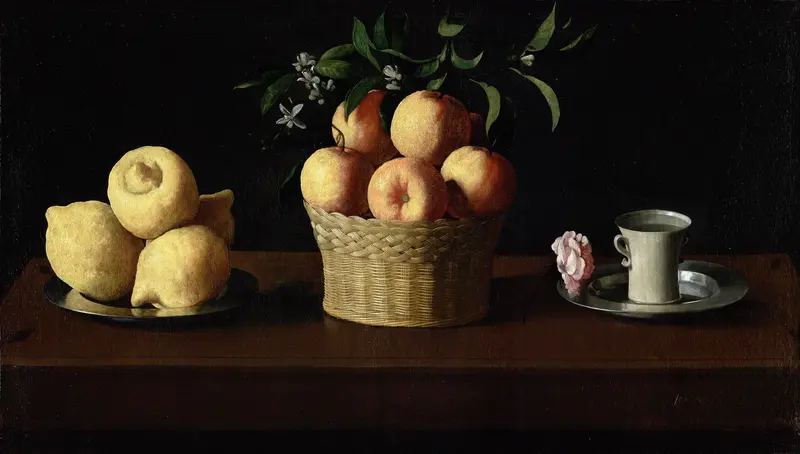
Still Life with Lemons, Oranges and a Rose
Francisco de Zurbarán
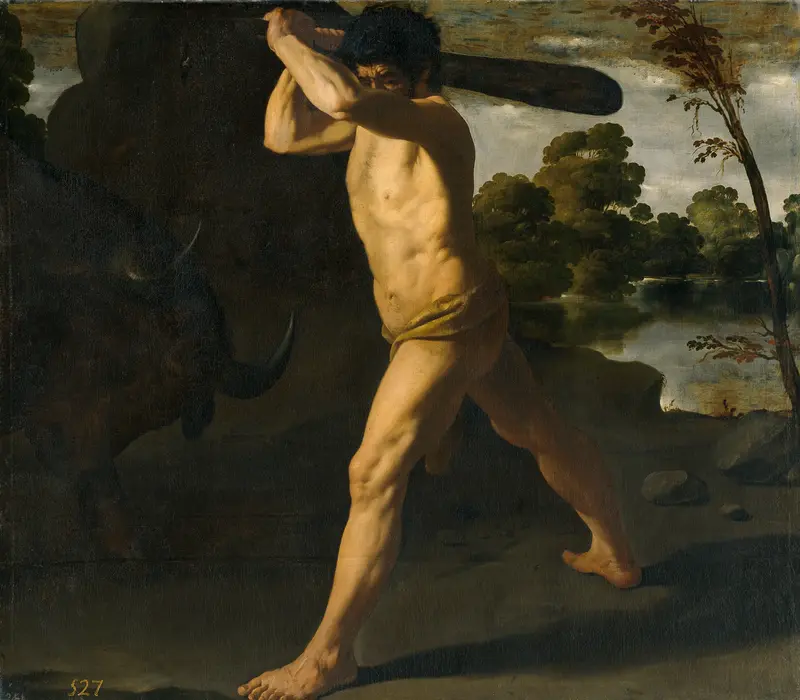
Hercules and the Cretan Bull
Francisco de Zurbarán





