
St. Roch — History & Facts
No other saint is more closely linked to the great plagues of Europe than St. Roch, and Abraham Bloemaert’s depiction stands out for its rare tenderness toward both suffering and hope. St.
Roch, venerated as a protector against pestilence, was invoked across the continent during outbreaks from the 14th century onward. While the precise date and commission of this painting remain uncertain, it belongs to a tradition of Dutch and Flemish artists who, during times of disease, turned to the saint’s story for reassurance and intercession. The image’s popularity soared in the wake of the Black Death and subsequent epidemics, making every new version a reflection of contemporary fears and faith. Here, Bloemaert chooses the moment when the weary pilgrim reveals the plague sore on his thigh, a sign of both his suffering and his miraculous survival.
The saint’s hand gestures toward the wound, inviting both pity and recognition, while his gaze lifts heavenward, seeking divine aid. At his side, the faithful dog brings bread, a symbol of the unexpected help that sustained Roch during his isolation. The landscape behind him is rendered with the soft, atmospheric light typical of Bloemaert, setting a mood of gentle melancholy rather than despair.
Unlike the dramatic chiaroscuro of Caravaggio’s saints or the theatrical gestures of Peter Paul Rubens, Bloemaert’s approach is intimate, focusing on the quiet endurance of the holy man. Although the painting’s early history is obscure, works such as this were likely intended for private devotion or for small chapels, where the faithful could contemplate the saint’s example. Bloemaert was a leading figure in Dutch Mannerism, and his religious works often blend Italianate grace with Northern detail. Over the centuries, attributions of St.
Roch subjects have sometimes shifted among the artist’s pupils and followers, reflecting the popularity of his style and the demand for such images. Today, this St. Roch is recognized as a testament to Bloemaert’s ability to humanize sacred stories, and it stands as a reminder of the era’s anxieties and hopes.
More Artworks by Abraham Bloemaert

Adam and Eve
Abraham Bloemaert
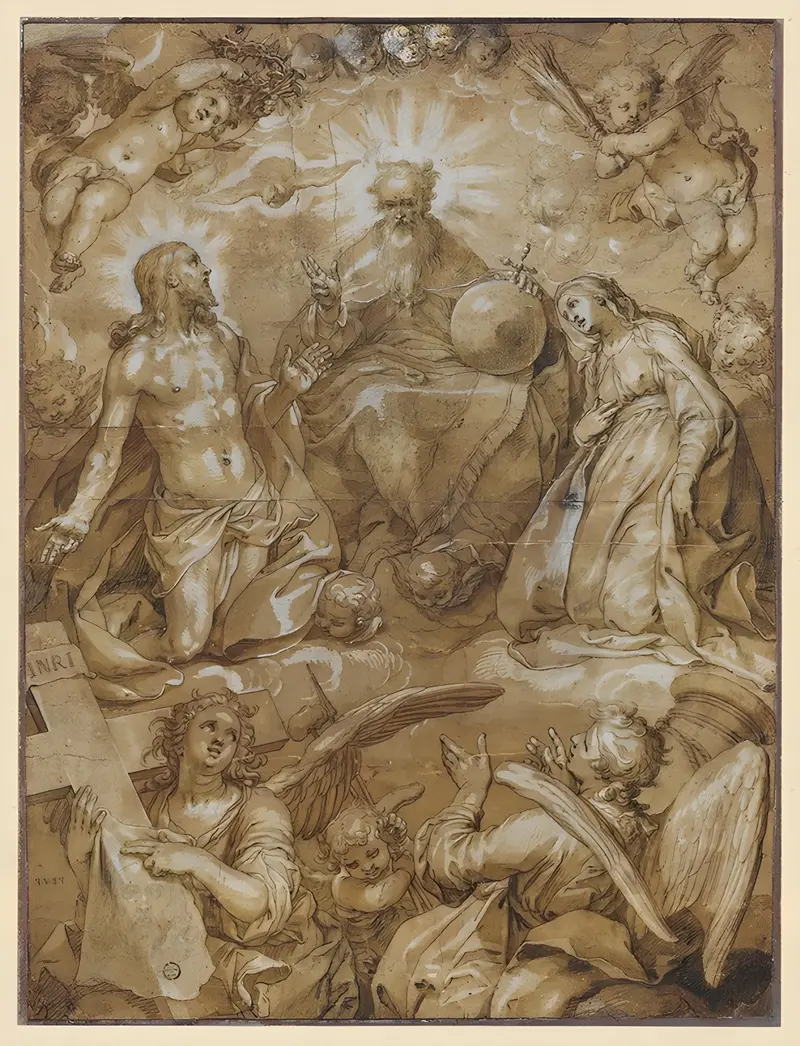
Intercession of Christ and Mary before God the Father
Abraham Bloemaert
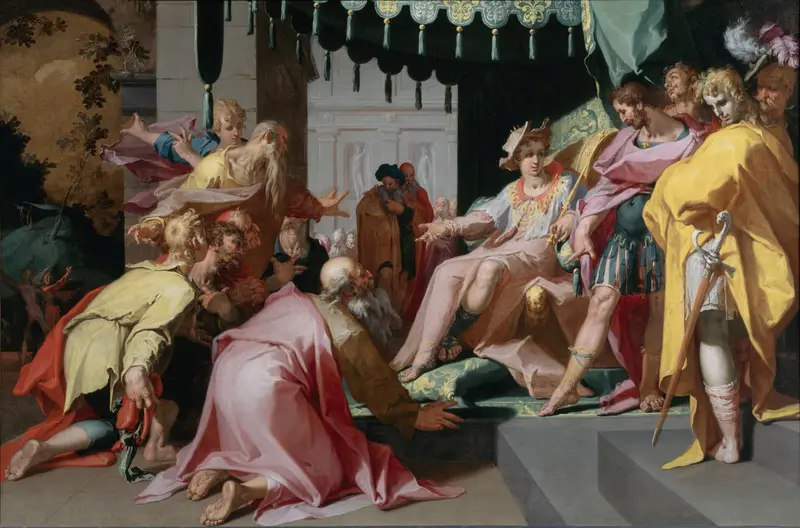
Joseph and his Brothers
Abraham Bloemaert
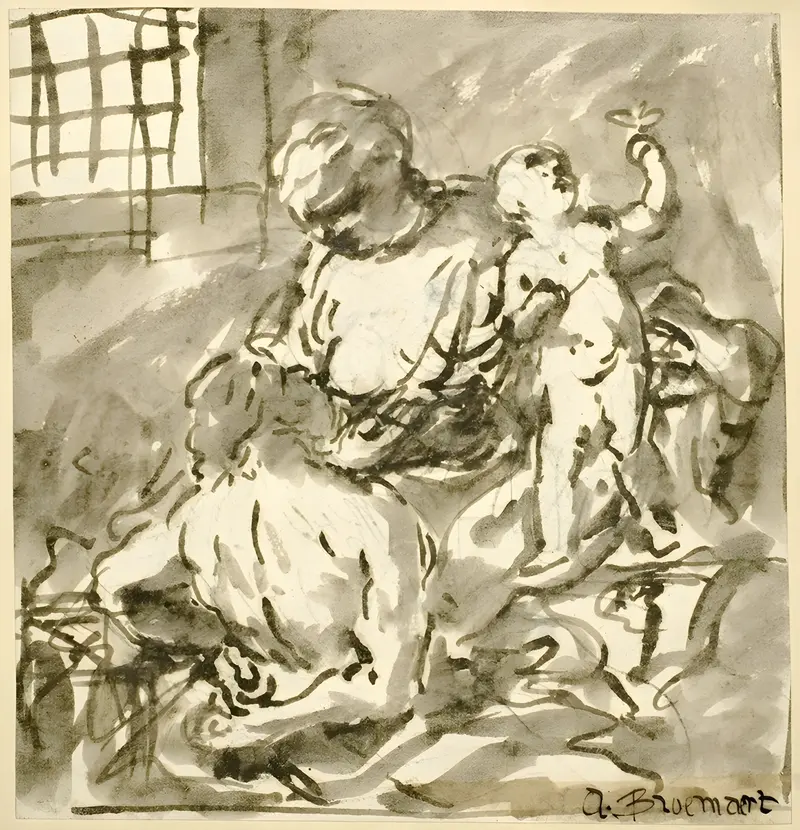
Caritas Romana
Abraham Bloemaert
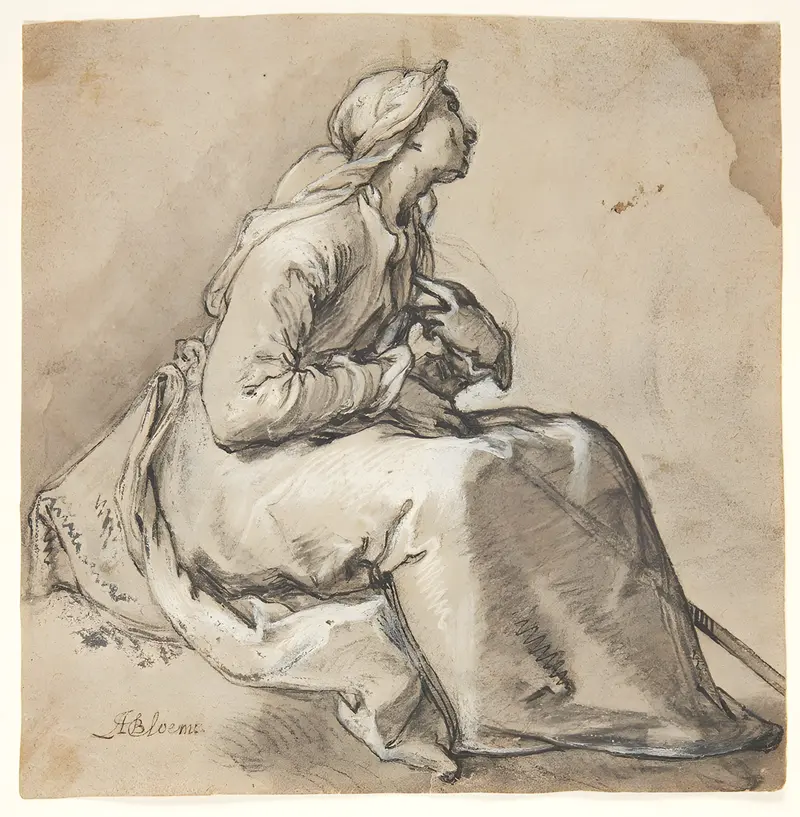
A seated woman facing right
Abraham Bloemaert
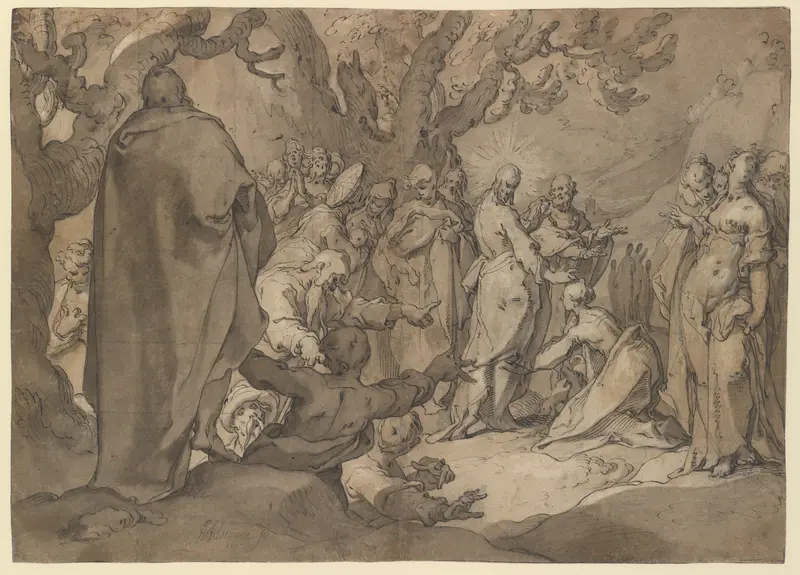
Christ and the Canaanite Women
Abraham Bloemaert
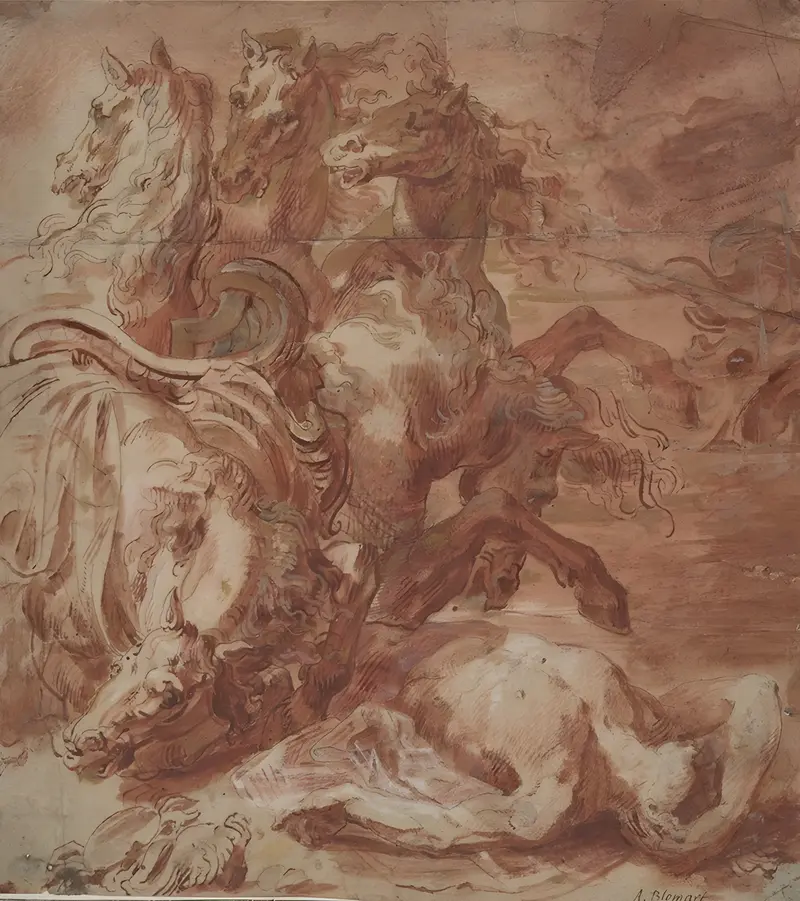
Hippolytus
Abraham Bloemaert
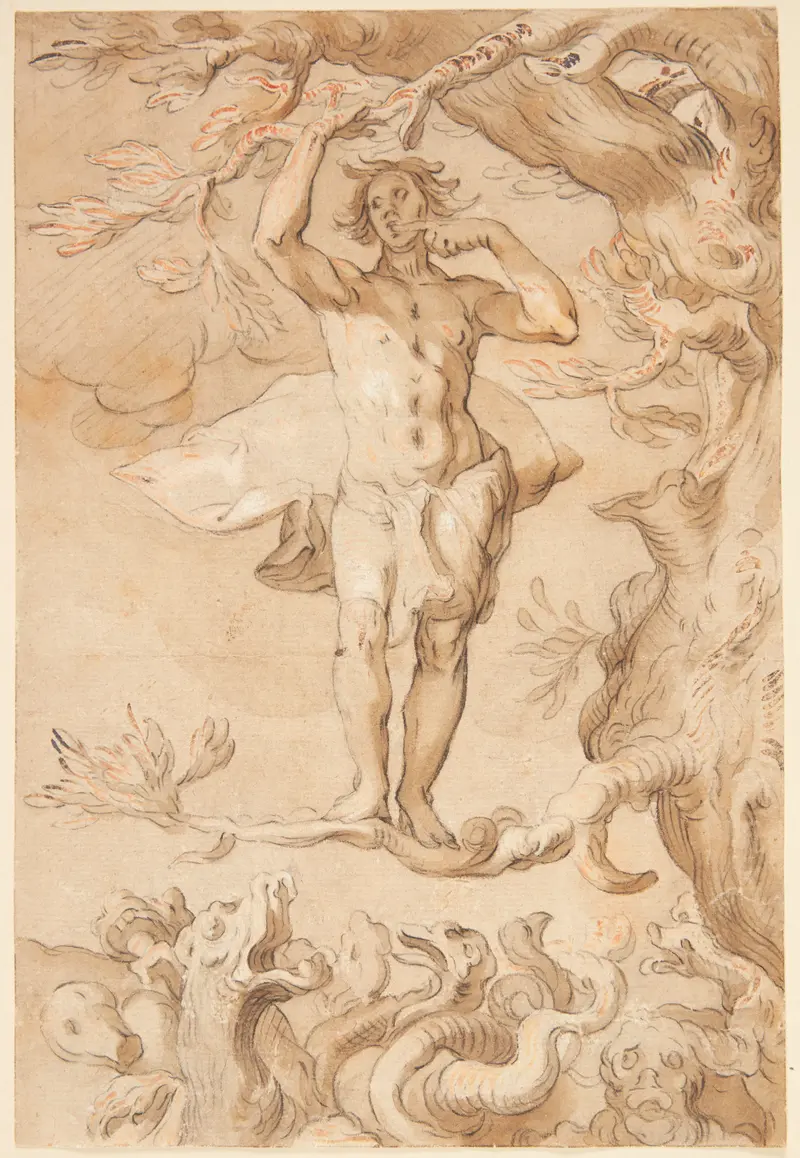
Den menneskelige glædes skrøbelighed En mand, der jages af en drage, klynger sig til en gren, mens han slikker honning af sin finger
Abraham Bloemaert

Moses Striking the Rock
Abraham Bloemaert
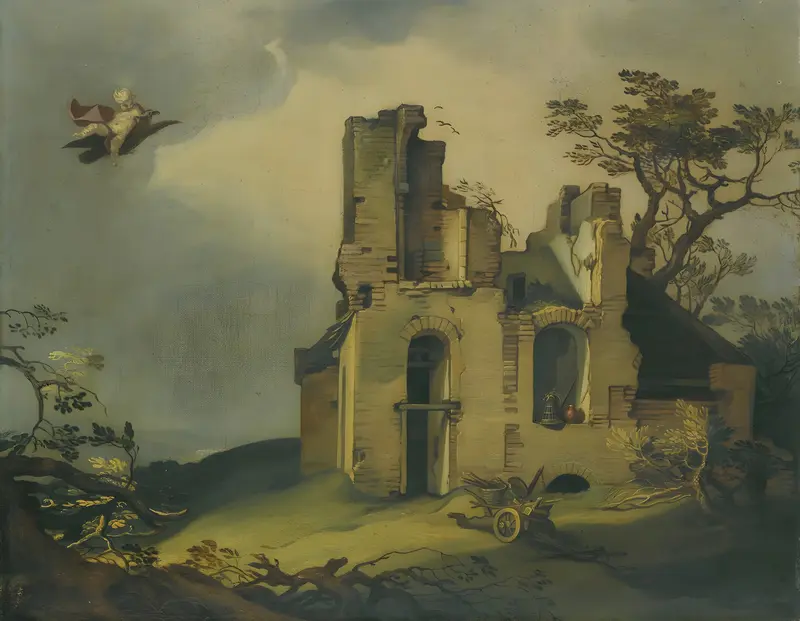
A Landscape With Ruins, With The Rape Of Ganymede
Abraham Bloemaert





