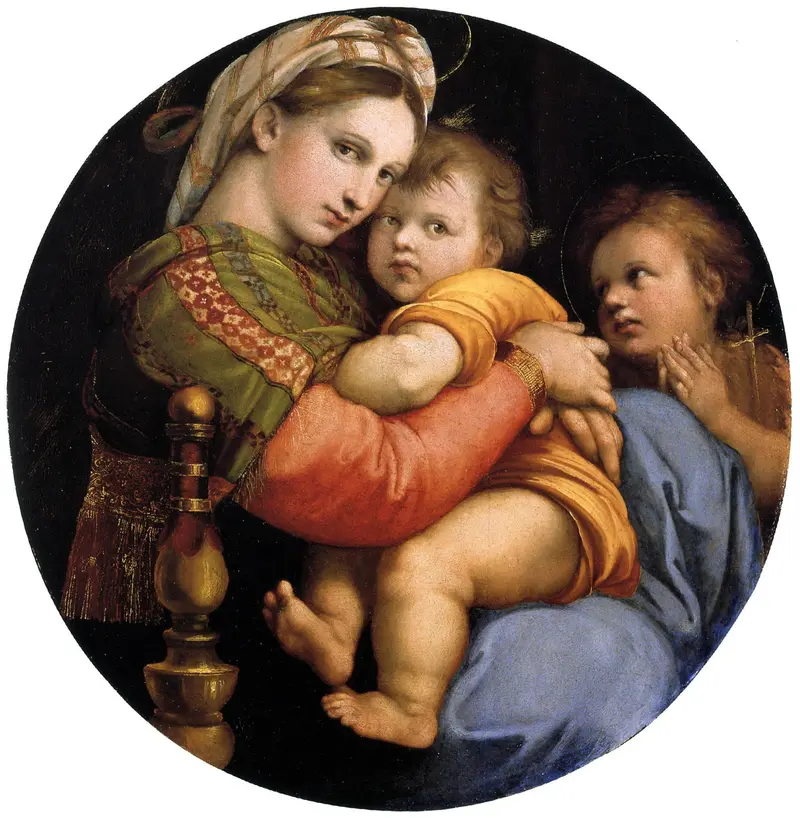
St. Thomas — History & Facts
In St. Thomas, Jacques Callot presents a dramatic scene filled with rich colors and intricate details. The figure of St.
Thomas is depicted with a thoughtful expression, surrounded by a dynamic composition of other figures. The use of light and shadow creates a sense of depth and movement, drawing the viewer's eye across the artwork. The background features a subtle landscape that enhances the religious theme of the piece. This artwork is an etching, a technique that allows for fine lines and detailed textures.
Callot's skillful use of line work is evident in the delicate rendering of the figures' clothing and expressions. The dimensions of the piece are approximately 30 x 40 cm, making it a modestly sized work that invites close inspection. The etching technique also contributes to the overall clarity and precision of the details. Jacques Callot, a prominent French artist of the Baroque period, is known for his innovative approach to printmaking.
St. Thomas reflects his ability to convey complex narratives through visual art. An interesting fact about this work is that it was created during a time when Callot was exploring themes of faith and spirituality, which are central to many of his pieces.
His works often depict scenes of everyday life intertwined with religious motifs, showcasing his unique perspective.
More Artworks by Jacques Callot

De verloren zoon als zwijnenhoeder
Jacques Callot
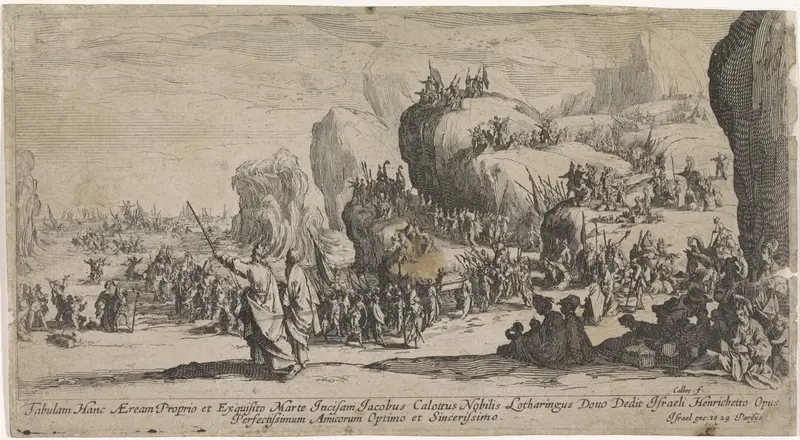
De doortocht door de Rode Zee
Jacques Callot

Kruisiging
Jacques Callot
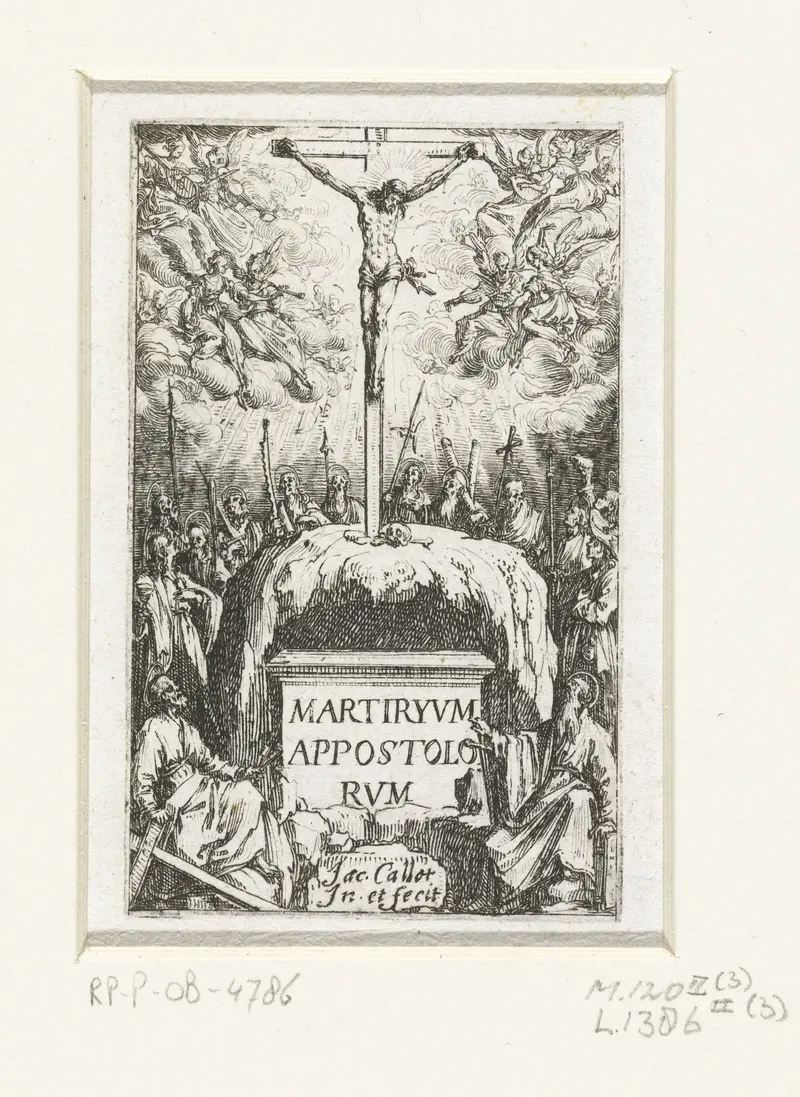
Titelprent voor de prentreeks 'De kleine apostelen' (Het martelaarschap van de apostelen)
Jacques Callot
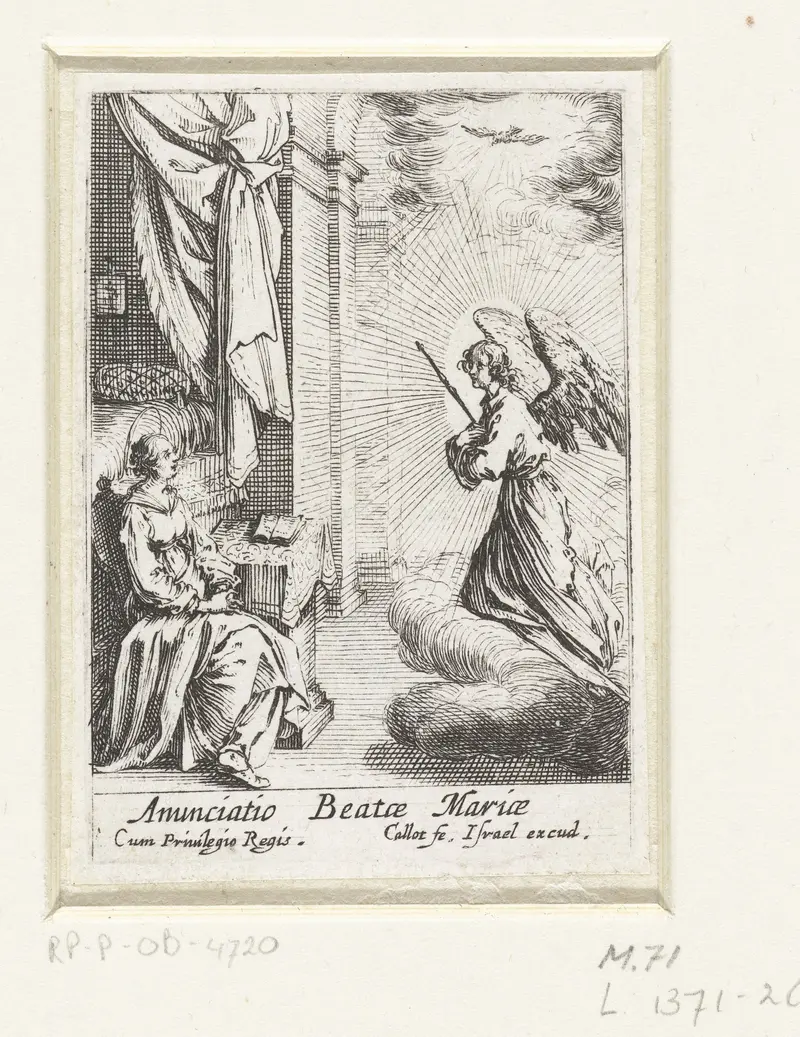
Annunciatie
Jacques Callot
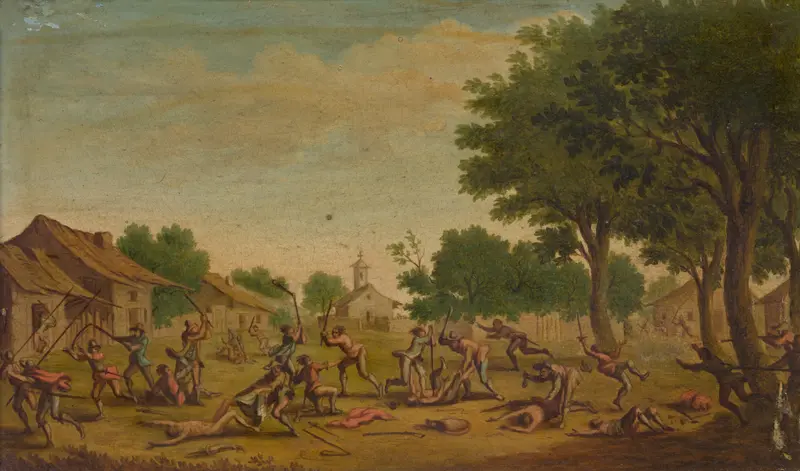
Village Fight
Jacques Callot
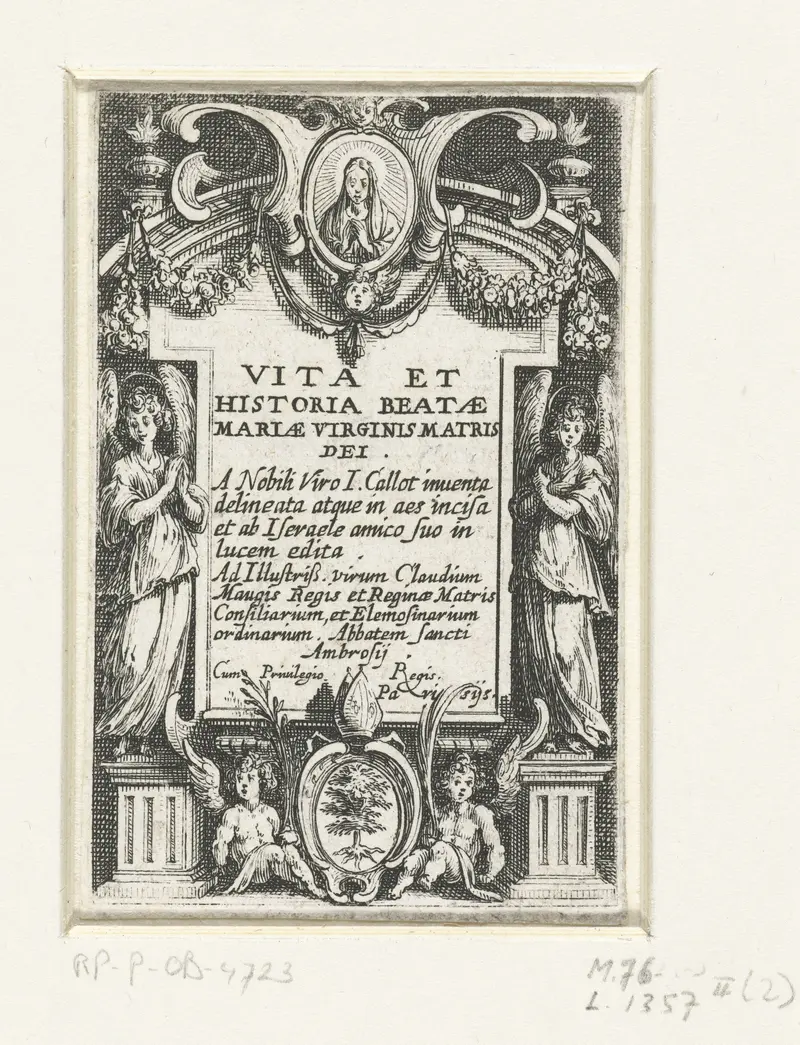
Titelprent voor prentreeks 'Het leven van Maria'
Jacques Callot
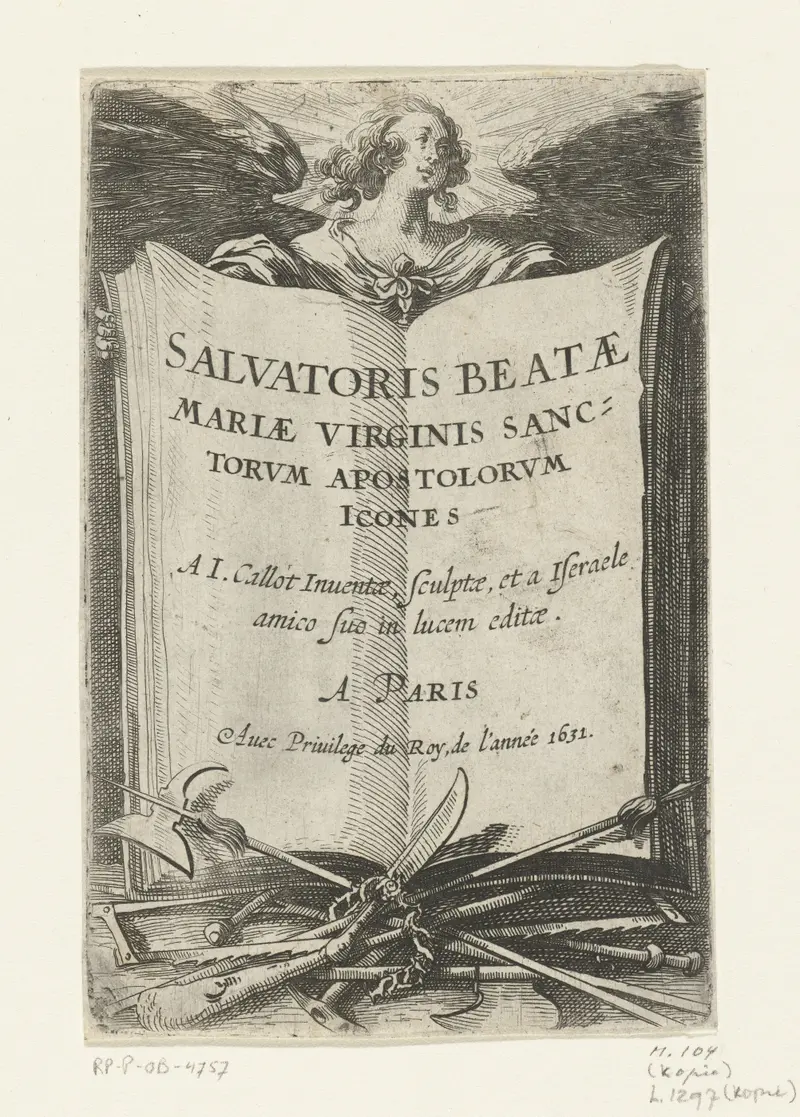
Titelprent voor de prentreeks 'De grote apostelen' (Christus, Maria en de apostelen)
Jacques Callot

Kruisoprichting
Jacques Callot
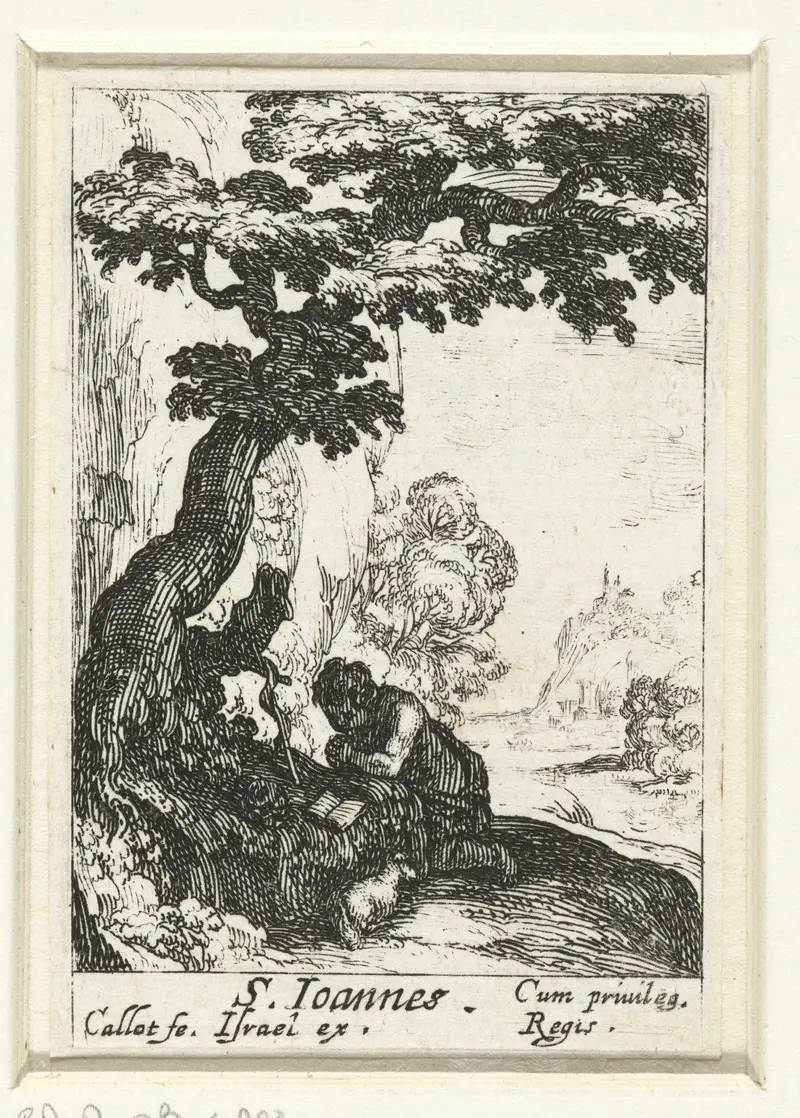
De boetvaardige Johannes de Doper
Jacques Callot