
Stamboom van de Seleuciden en de Ptolemeeën — History & Facts
Where does light end, and longing begin? In this intricate work, the boundaries of reality dissolve, inviting viewers into a tapestry of lineage and legacy. Look to the center where the intertwining branches of the Seleucids and Ptolemies unfold, each name meticulously lettered in a delicate script. The colors are a muted palette, conveying an air of solemnity: deep greens and subdued browns intertwine with golden hints that catch the eye, illuminating the genealogical connections that bind these dynasties. Notice how the artist’s careful use of line and shadow creates a sense of depth, drawing your gaze along the branches as they extend outward, mimicking the complexity of history itself. Hidden within this detailed web of ancestry lies a poignant contrast between temporal power and the ephemeral nature of legacy.
Each figure, while intricately represented, also seems to fade into the background, suggesting that even the most illustrious of lineages are mere whispers in the passage of time. The interplay of light does not simply illuminate the figures; it evokes a yearning for permanence amidst the impermanence of existence, inviting the viewer to contemplate their own place within history. In 1538, Hans Holbein II was deeply engaged in the vibrant cultural landscape of the Northern Renaissance, creating works that explored themes of identity and power. Living in England at the time, he was tasked with capturing the essence of prominent figures for both documentation and influence, reflecting the prevailing interest in humanist ideals and genealogy.
This work stands as a testament not only to his artistic skill but also to a historical moment where the legacies of great families were meticulously recorded and celebrated.
More Artworks by Hans Holbein (II)
Browse all →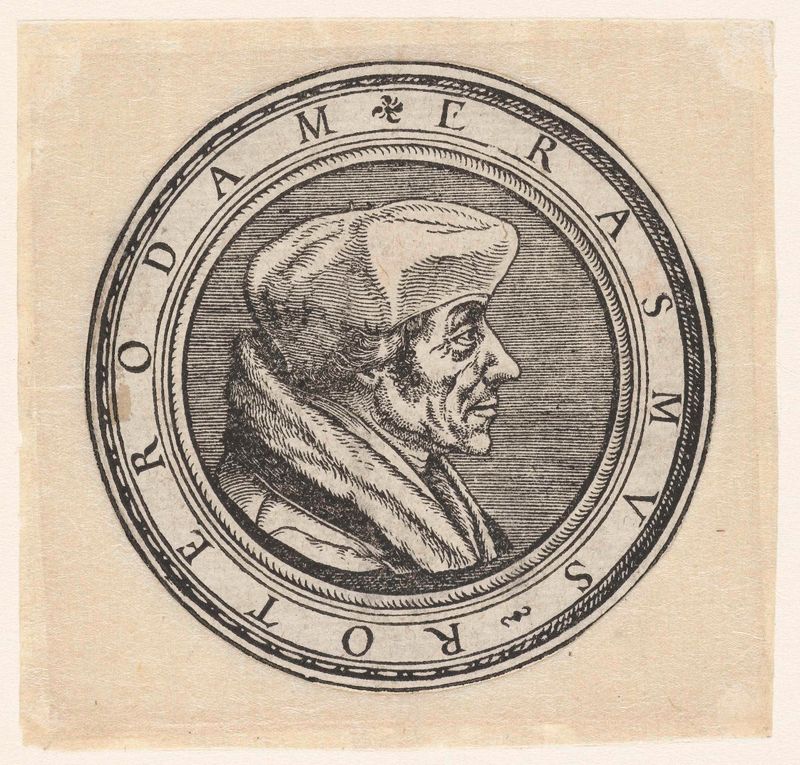
Portret van Erasmus
Hans Holbein (II)
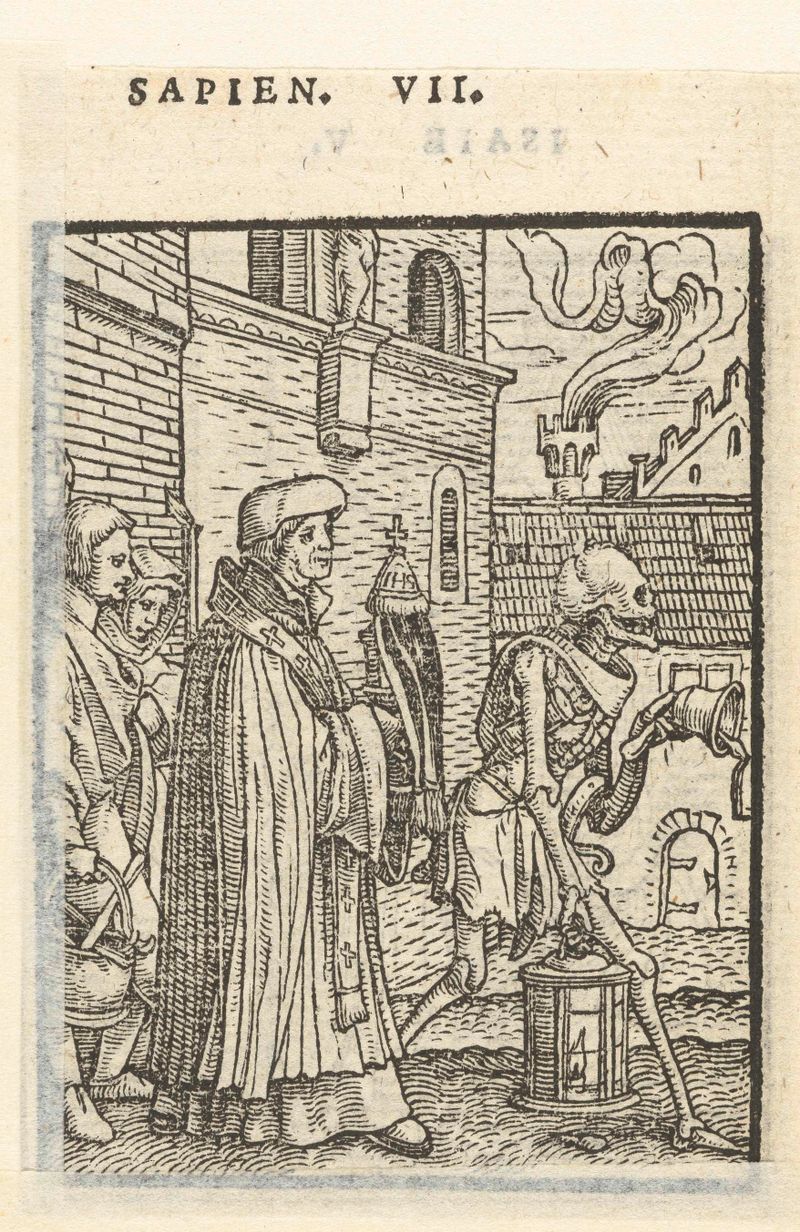
Priester en de Dood
Hans Holbein (II)
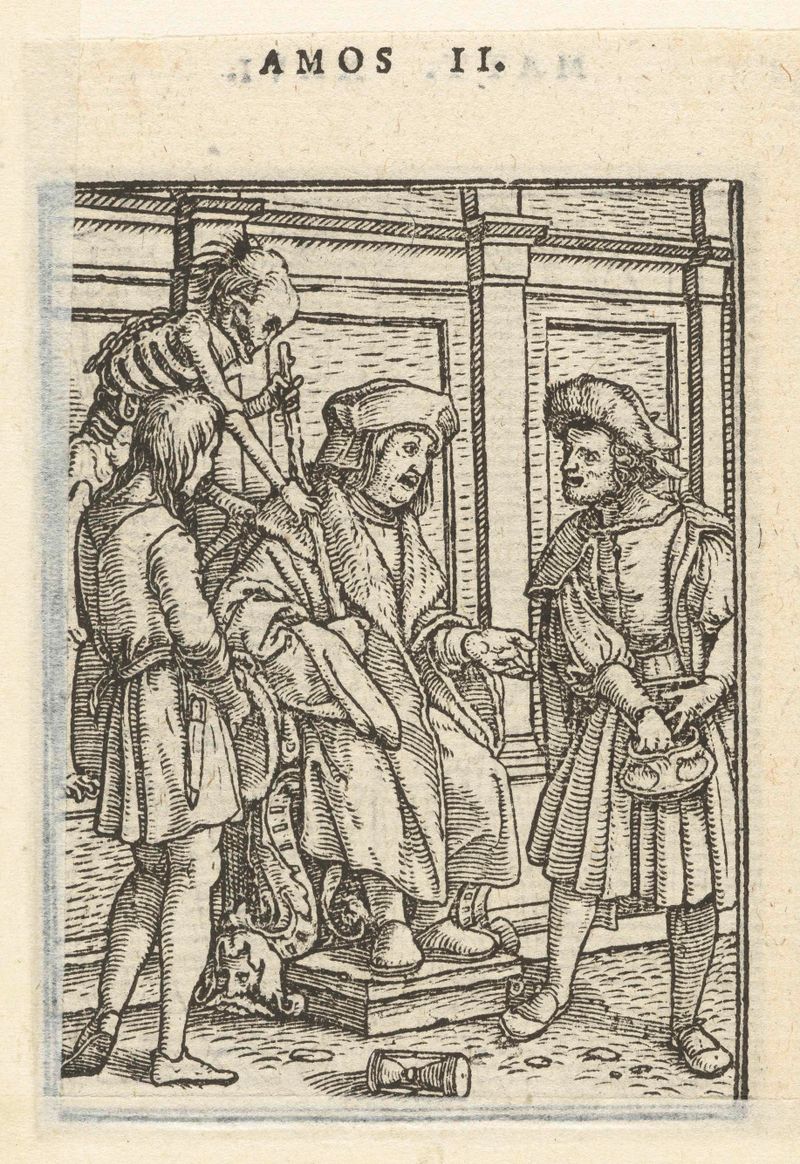
Rechter en de Dood
Hans Holbein (II)
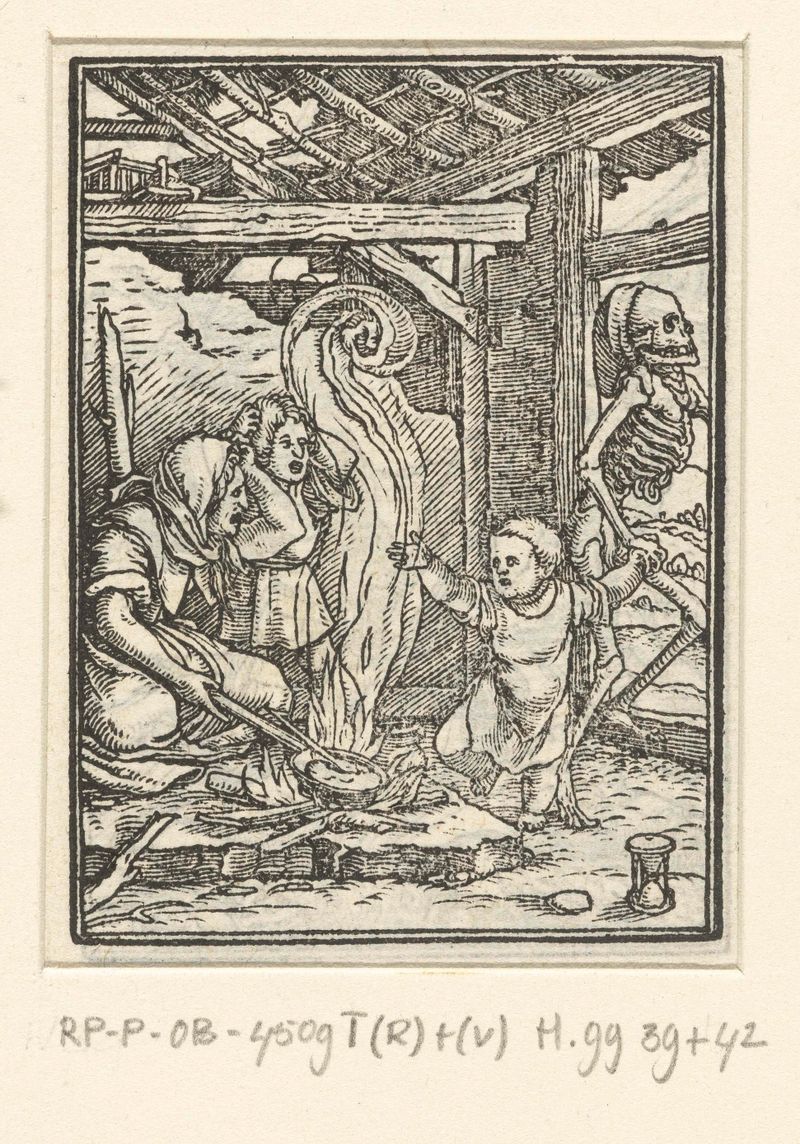
Kind en de Dood
Hans Holbein (II)
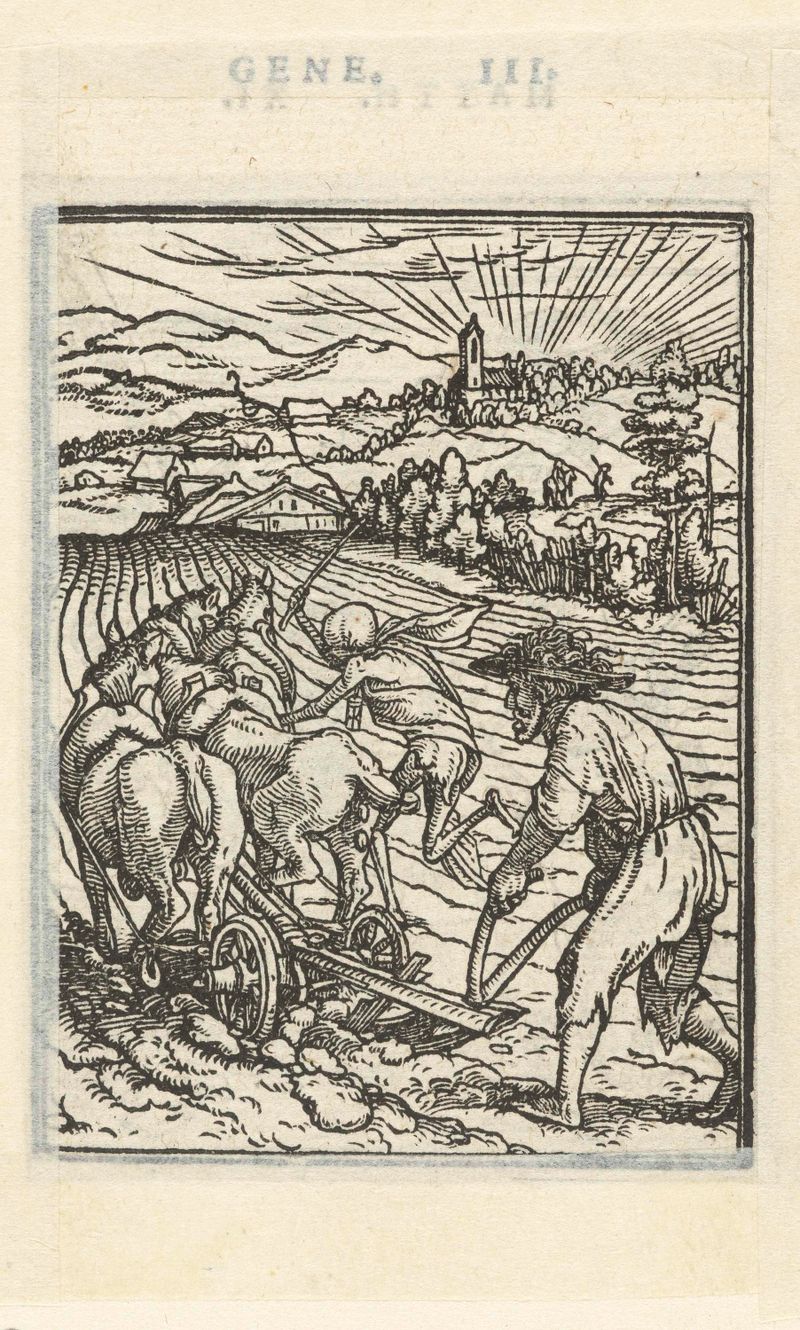
Boer en de Dood
Hans Holbein (II)
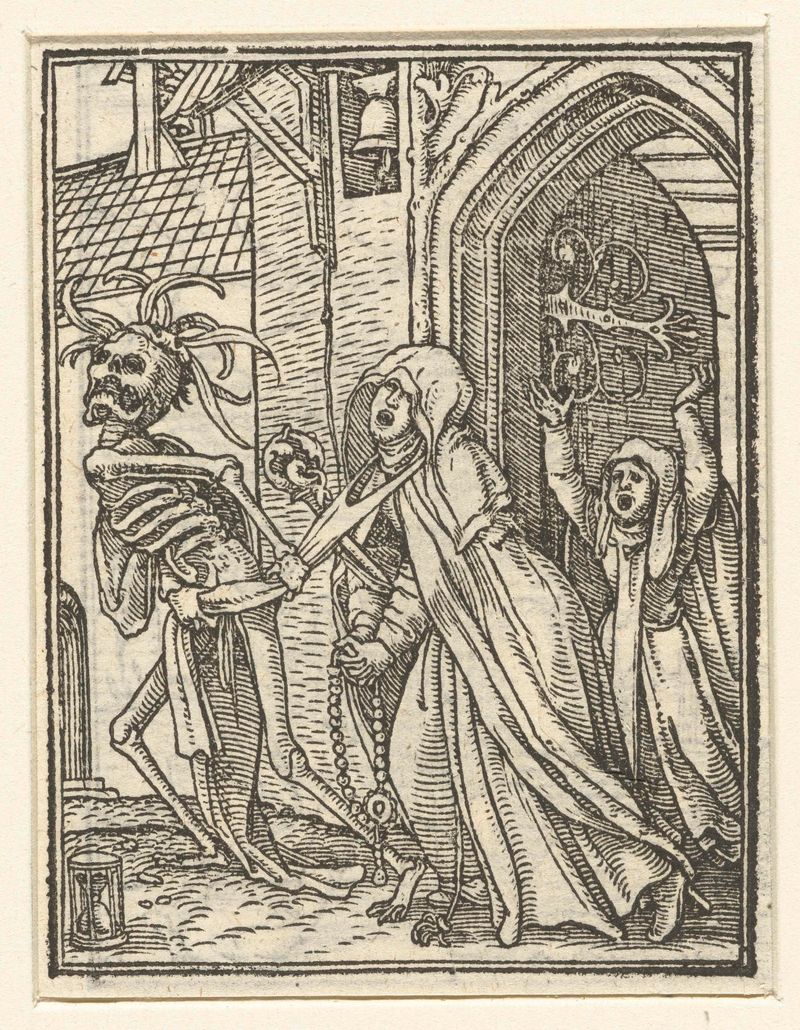
Abdis en de Dood
Hans Holbein (II)
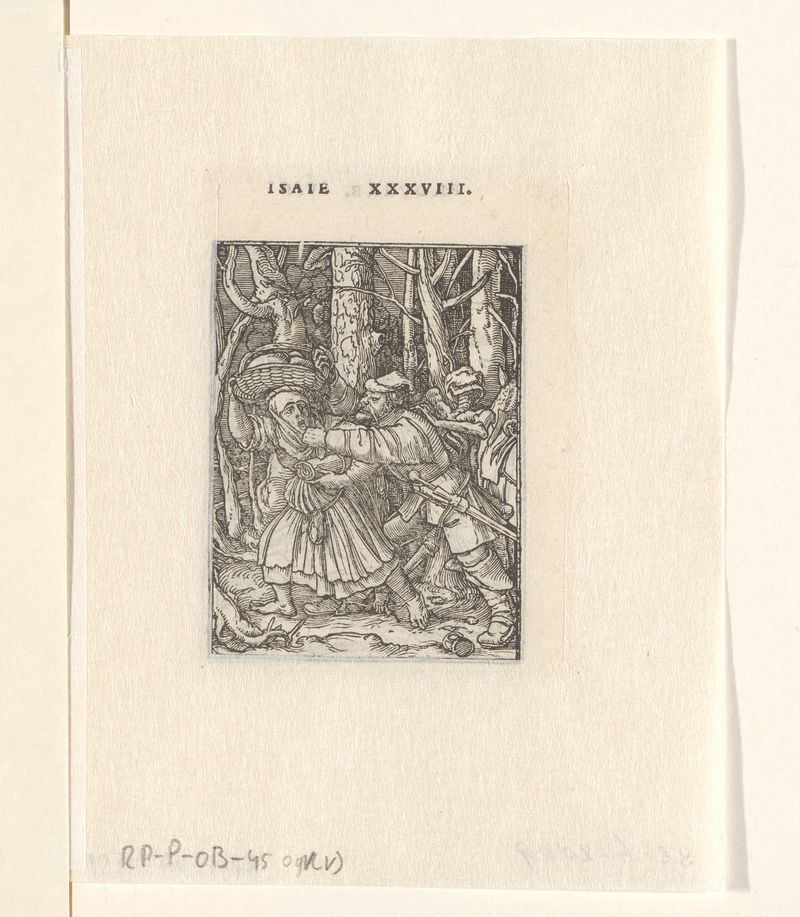
Dief en de Dood
Hans Holbein (II)
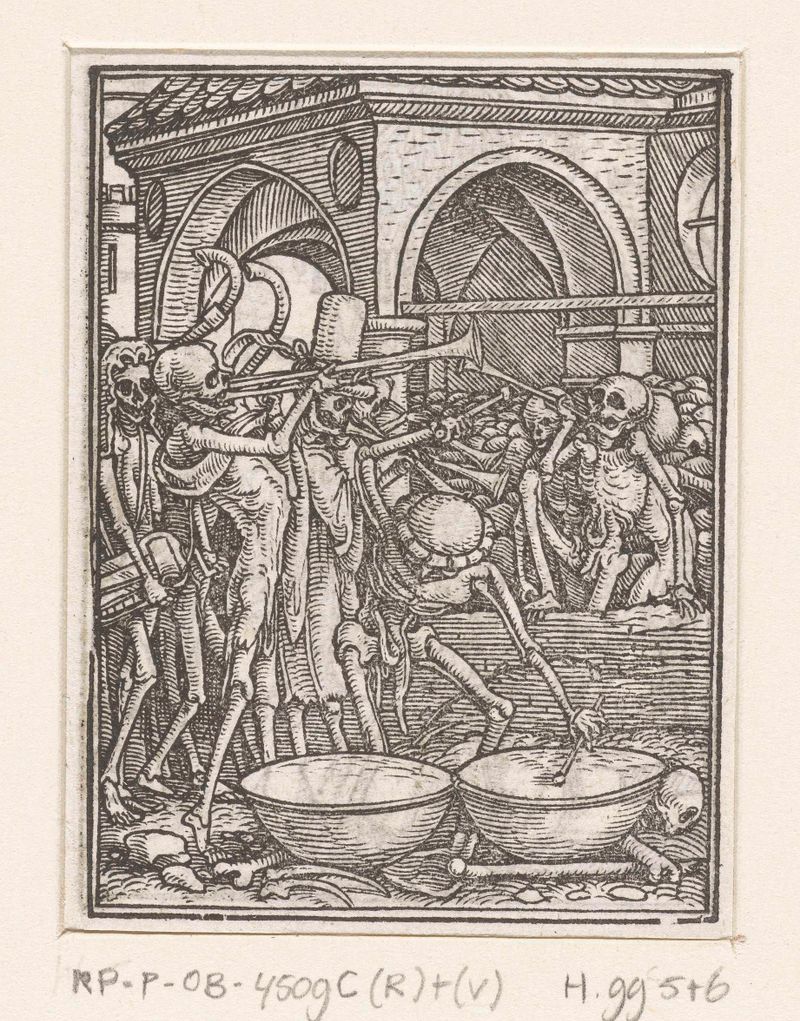
Skeletons Making Music from Dance of the Dead
Hans Holbein (II)
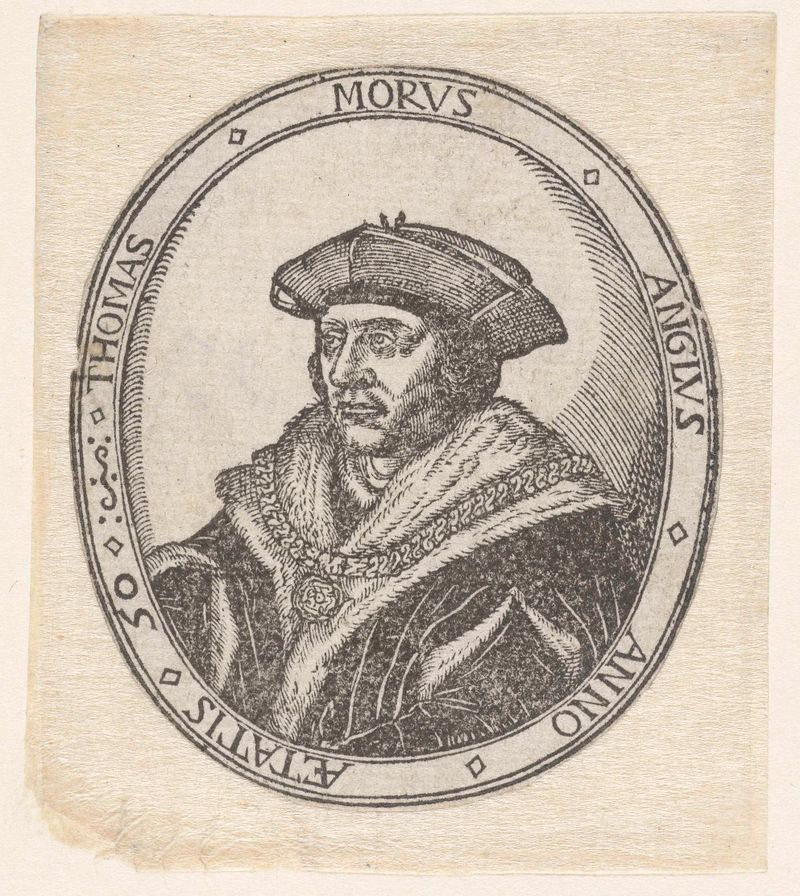
Portret van Thomas More
Hans Holbein (II)
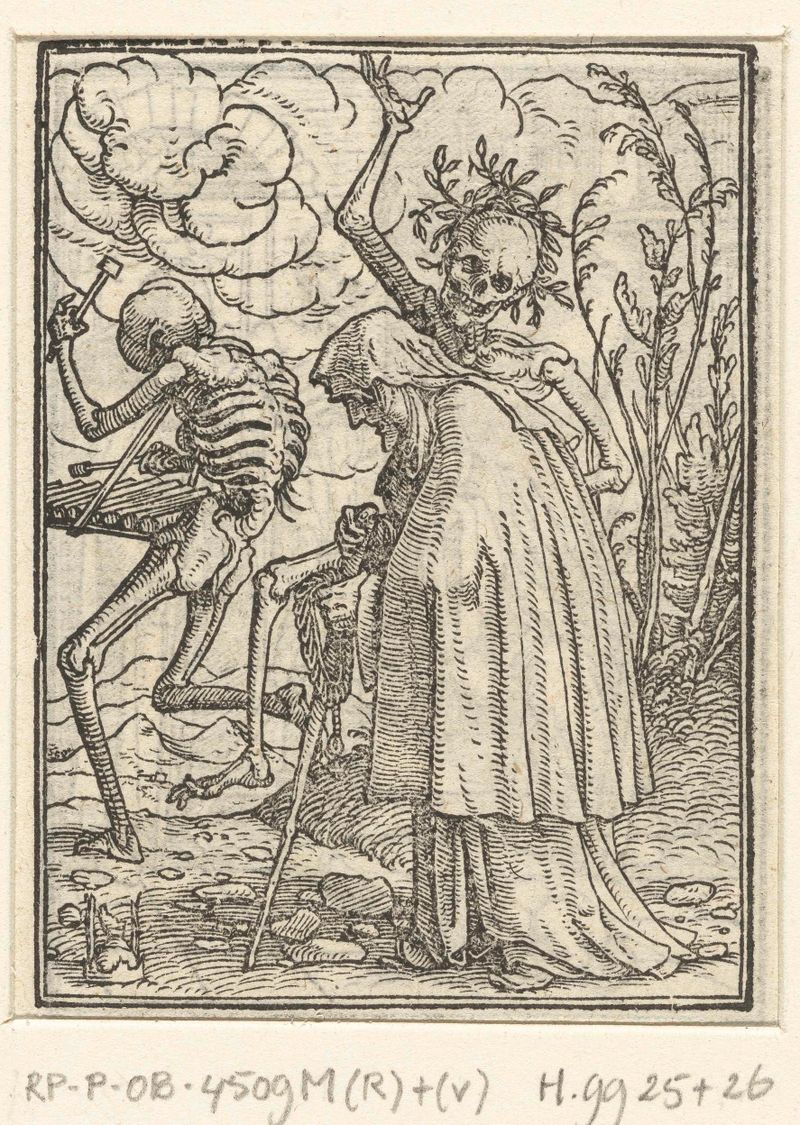
Oude vrouw en de Dood
Hans Holbein (II)
More Historical Art
Browse all →
The Night Watch Militia Company of District II under the Command of Captain Frans Banninck Cocq
Rembrandt van Rijn

Lincoln Memorial
Henry Bacon

The Third of May 1808
Francisco de Goya

Isaac and Rebecca, Known as ‘The Jewish Bride’
Rembrandt van Rijn

The Charge of the Mamelukes (1814)
Francisco de Goya

De vier ruiters van de apocalyps
Albrecht Dürer