
Standing Bather, Seen from the Back — History & Facts
In Standing Bather, Seen from the Back, a moment of quiet vulnerability unfolds, captured in the delicate tension of a figure poised yet isolated. Look to the left where soft, muted hues envelop the standing bather, her form half-turned to the viewer, accentuating her solitude. The earthy palette of greens and browns contrasts with the warmer skin tones, inviting a contemplation of both comfort and discomfort. Notice how the brushstrokes blend into one another, creating an almost sculptural quality that invites you to explore the contours and textures of her body, while the hint of light cascading from above draws the eye toward the small of her back, illuminating her in a moment of introspection. Within this serene composition lies an undercurrent of fear and uncertainty.
The figure’s turned back suggests a desire for privacy, as if she grapples with the vulnerability of exposure. The incomplete nature of her surroundings hints at an inner turmoil; the space is both expansive and confining. This duality evokes thoughts about the human condition, where beauty often coexists with the jagged edges of anxiety, revealing the complexity of the self. During the late 19th century, Cezanne was entrenched in a quest to redefine modern art.
Painted between 1879 and 1882, this piece reflects his exploration of form and color amid a burgeoning post-Impressionist movement. At this time, he was experimenting with ideas that would later influence generations of artists, seeking to express deeper emotional truths through a lens of intimacy and abstraction.
More Artworks by Paul Cezanne
Browse all →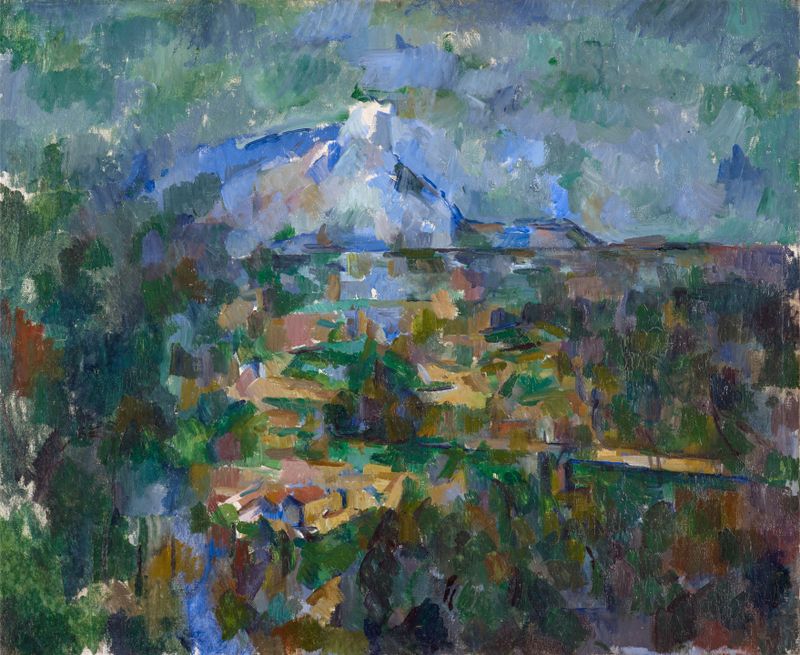
The Mont Sainte-Victoire Seen From Les Lauves
Paul Cezanne
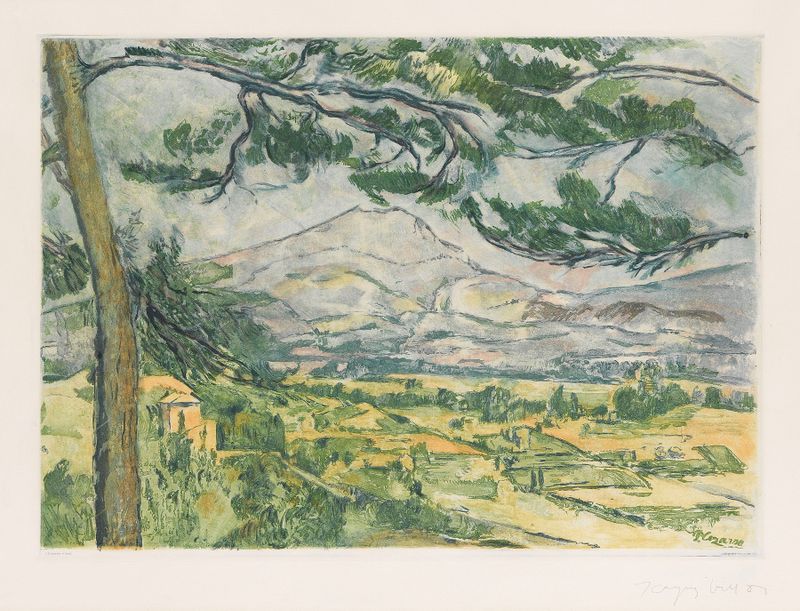
La Montagne Sainte-Victoire
Paul Cezanne
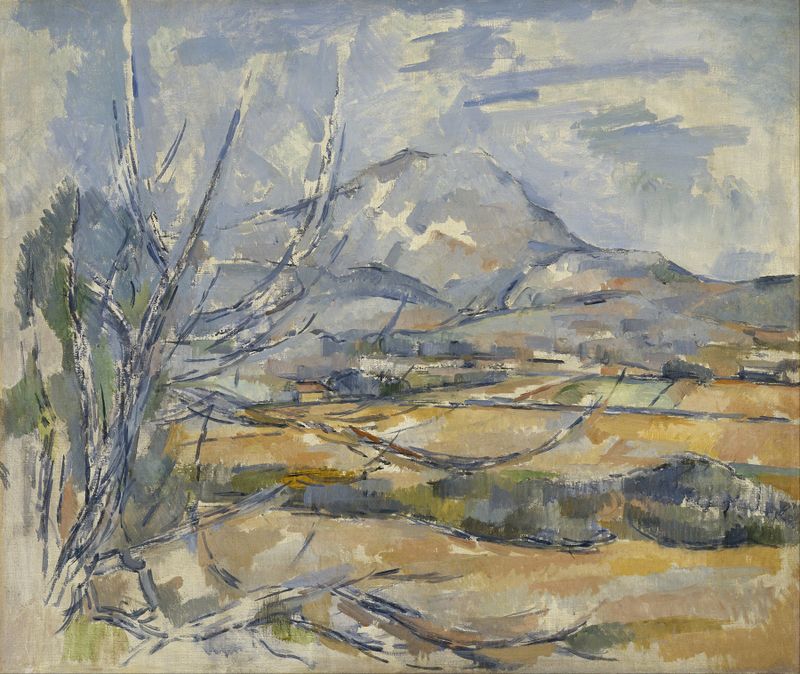
Montagne Sainte-Victoire
Paul Cezanne
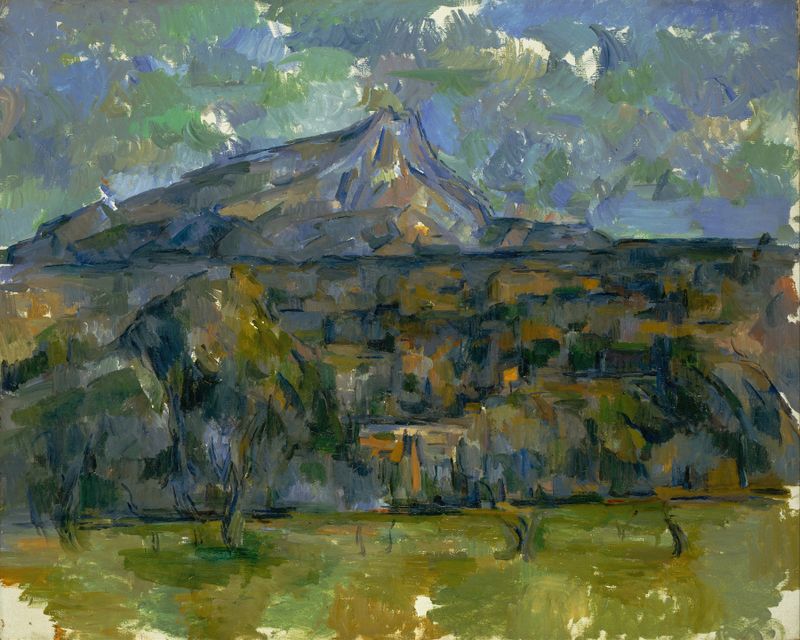
Mont Sainte-Victoire
Paul Cezanne
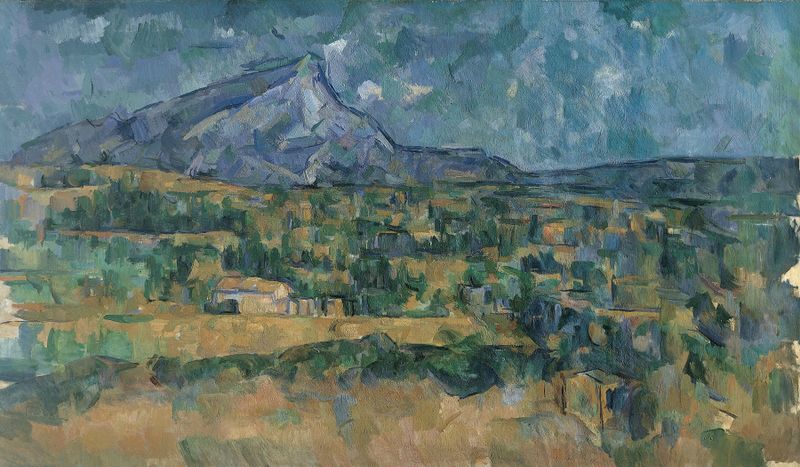
Mont Sainte-Victoire
Paul Cezanne
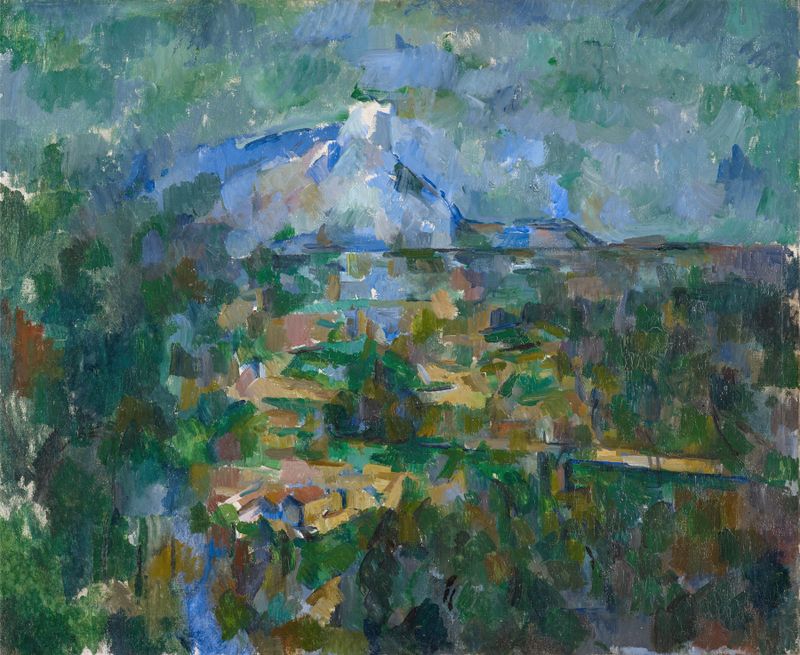
View of Mount Sainte-Victoire from Les Lauves
Paul Cezanne
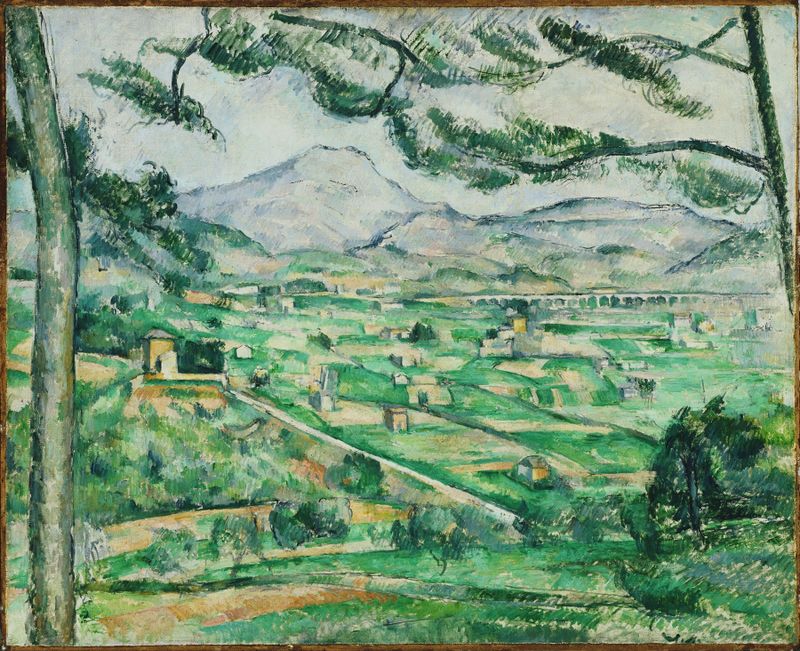
Mont Sainte-Victoire 2
Paul Cezanne

The Basket of Apples
Paul Cezanne

Mount Sainte-Victoire
Paul Cezanne
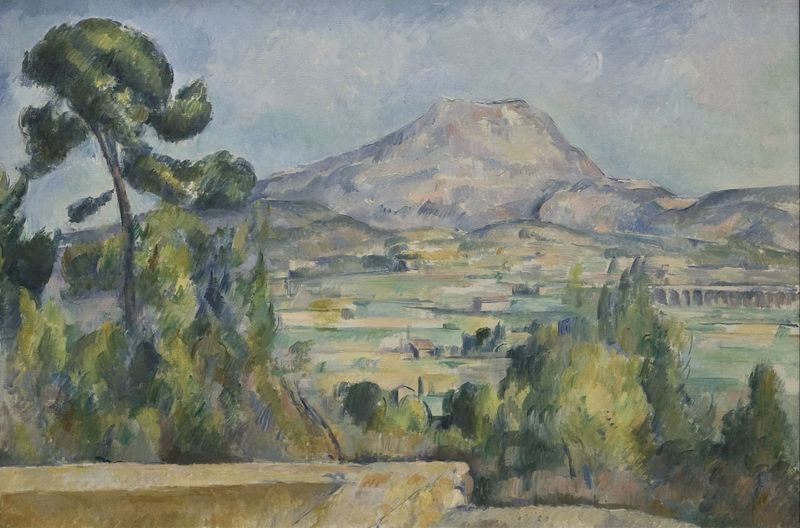
Montagne Saint-Victoire
Paul Cezanne





