
Standing Male Nude — History & Facts
When the young artists of Utrecht gathered in the late sixteenth and early seventeenth centuries, they often trained by drawing from the live model—a practice that was both innovative and controversial in the Protestant north. Standing Male Nude by Abraham Bloemaert is a rare survivor of this tradition, offering a glimpse into the rigorous academic exercises that shaped a generation of Dutch painters. Unlike finished paintings destined for wealthy patrons, such studies were typically kept in the studio, valued as teaching tools and private references.
The very existence of this work testifies to Bloemaert’s commitment to the Italianate ideal of life drawing, which he championed in his influential workshop. The figure stands in a poised contrapposto, muscles subtly tensed, as if caught between movement and repose. There is no narrative scene, no mythic attribute—only the human body, rendered with careful attention to anatomy and proportion. The focus on the nude recalls the approach of Italian masters like Carracci, whose own academies emphasized drawing from life as the foundation of all painting.
The play of light across the subject’s torso reveals Bloemaert’s skill in modeling form, while the direct gaze of the model invites the viewer to share in the act of observation and study. In this way, the work becomes both an exercise and a quiet celebration of artistic inquiry. The precise date and medium of Standing Male Nude remain uncertain, as does its early provenance. Like many academic studies, it may have remained in Bloemaert’s studio, passed down to pupils or collectors who prized such works for their instructional value.
Today, drawings like this are recognized as crucial documents of the artist’s teaching practice and the broader shift toward naturalism in the Dutch Golden Age. Abraham Bloemaert himself would become a central figure in Utrecht, training artists who would carry his methods into the next generation. The survival of this study allows us to witness the intimate moment where observation, discipline, and artistic ambition meet.
More Artworks by Abraham Bloemaert

Adam and Eve
Abraham Bloemaert
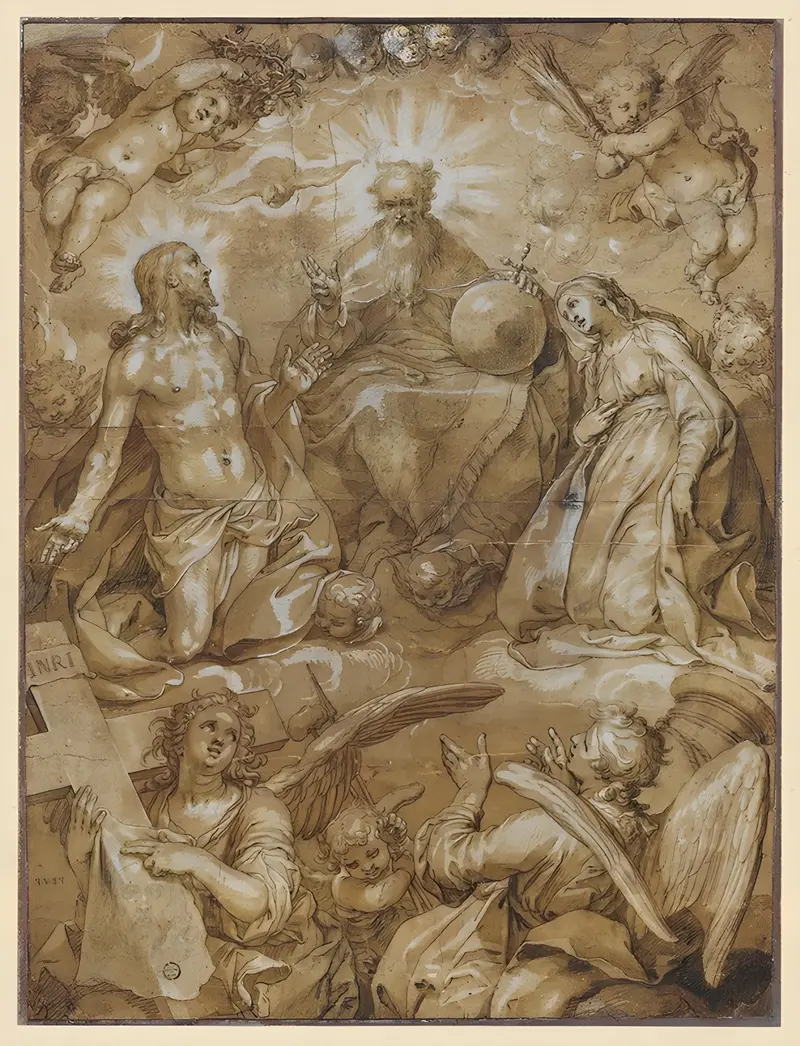
Intercession of Christ and Mary before God the Father
Abraham Bloemaert
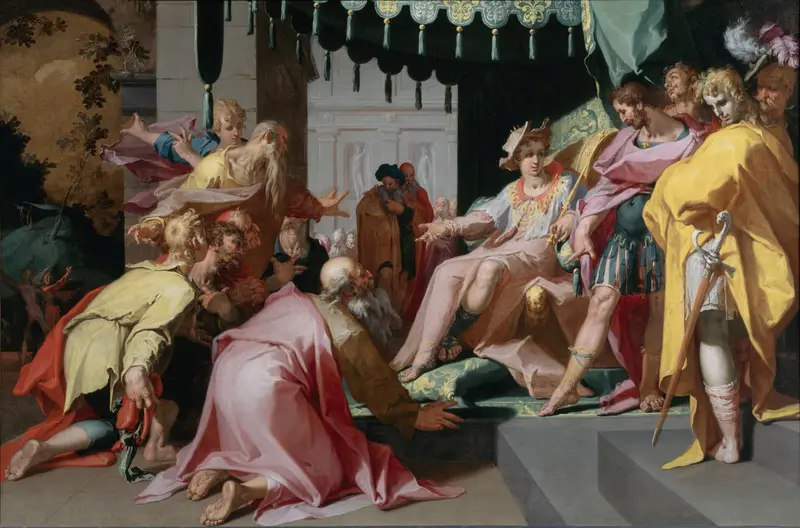
Joseph and his Brothers
Abraham Bloemaert
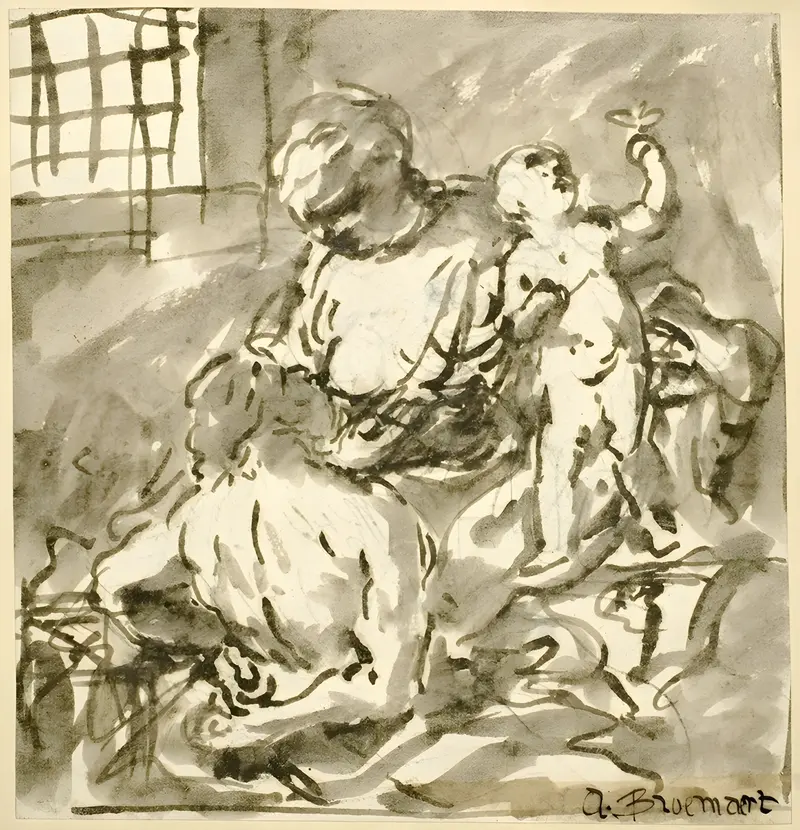
Caritas Romana
Abraham Bloemaert
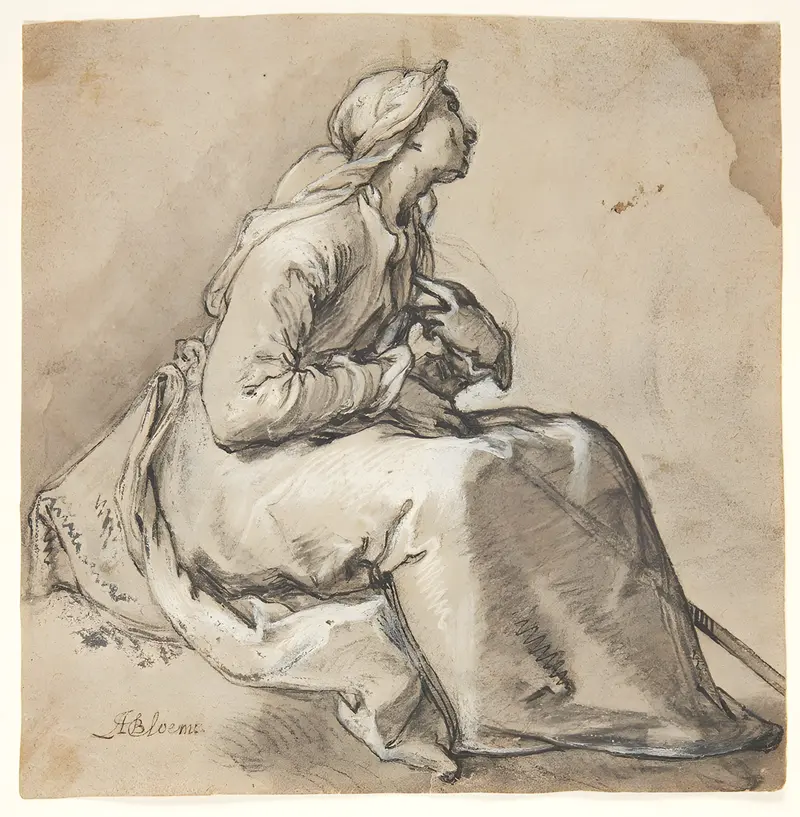
A seated woman facing right
Abraham Bloemaert
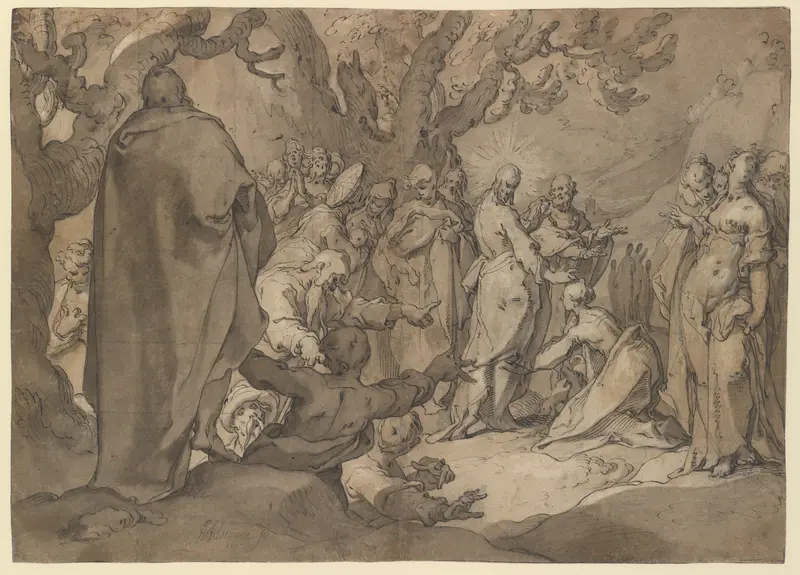
Christ and the Canaanite Women
Abraham Bloemaert
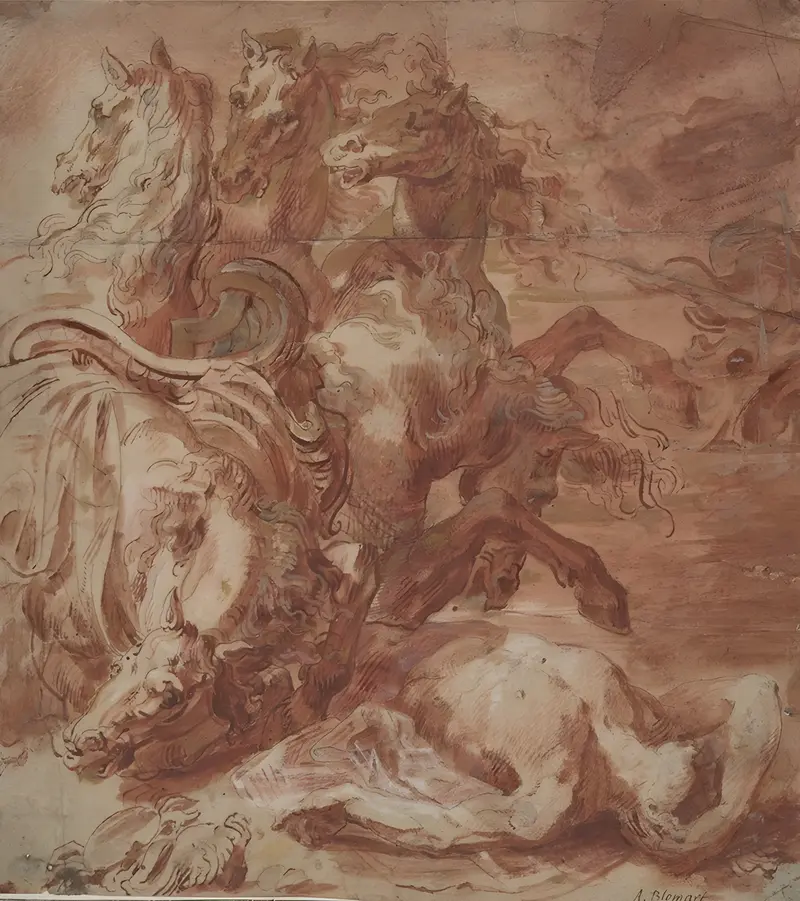
Hippolytus
Abraham Bloemaert
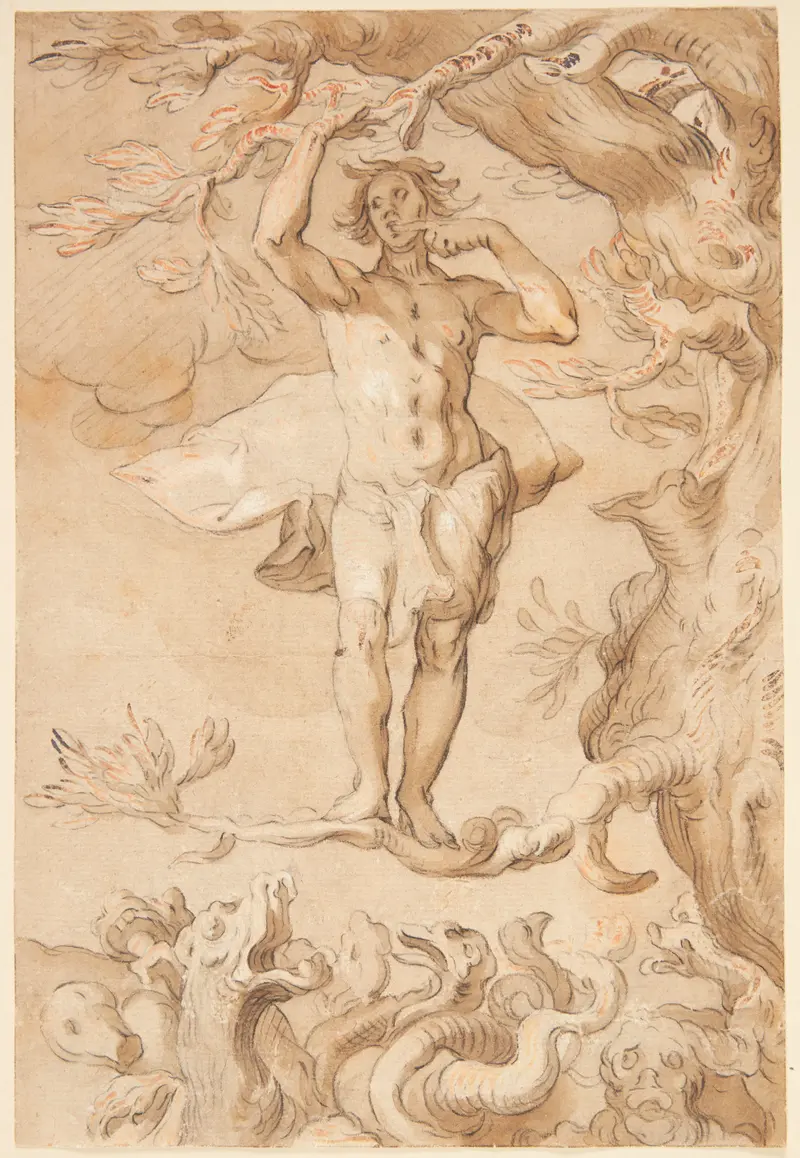
Den menneskelige glædes skrøbelighed En mand, der jages af en drage, klynger sig til en gren, mens han slikker honning af sin finger
Abraham Bloemaert

Moses Striking the Rock
Abraham Bloemaert
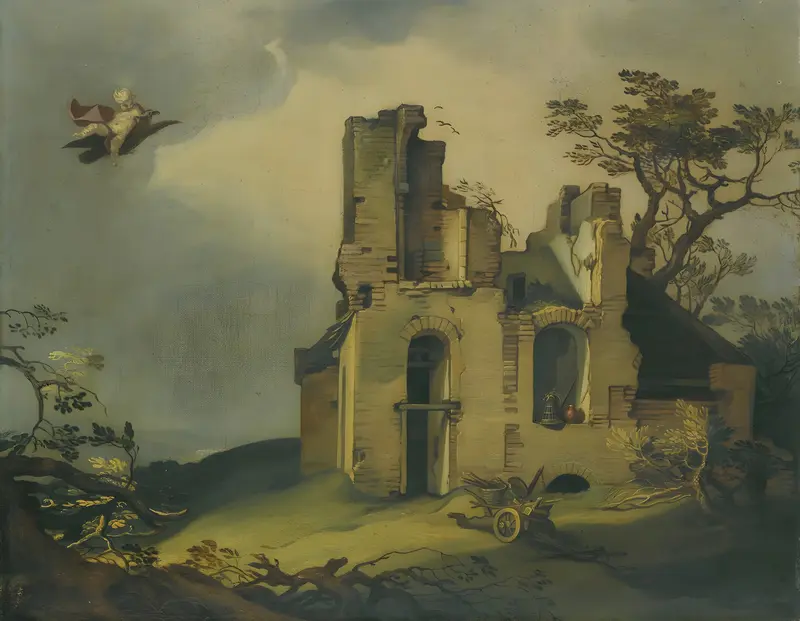
A Landscape With Ruins, With The Rape Of Ganymede
Abraham Bloemaert



