
Standing Man and Two Heads — History & Facts
The most intriguing aspect of Standing Man and Two Heads is the persistent uncertainty that surrounds both its date and medium—a rare circumstance for a work by Jules Schmalzigaug, whose career was cut short by the First World War. This air of mystery has prompted ongoing debate among scholars, some of whom have speculated that the piece may belong to Schmalzigaug’s brief but intense Italian period, while others suggest it is a later work, possibly created during his return to Belgium. The lack of documentation has only heightened the fascination: no letters, no exhibition records, only the enigmatic composition itself.
Its appearance in public collections is a relatively recent phenomenon, and its provenance prior to the twentieth century remains obscure. At the center of the painting stands a solitary figure, rendered with the angular dynamism characteristic of Futurism, the movement that shaped much of Schmalzigaug’s output. Flanking the standing man are two disembodied heads, their features blurred and overlapping—a visual device that suggests both movement and psychological fragmentation. The stark contrast between the upright figure and the floating heads invites interpretation: perhaps these are facets of the same person, or echoes of memory and thought.
The palette, likely subdued but punctuated by sharp lines, recalls the experimental approach seen in Umberto Boccioni’s States of Mind, where form and identity dissolve into motion. Here, Schmalzigaug’s interest in the instability of perception takes center stage, challenging the viewer to reconcile the physical and the mental. The journey of Standing Man and Two Heads as an object is as elusive as its imagery. Without a clear record of its commission or early ownership, the work’s history is pieced together from exhibition catalogues and expert attributions rather than archival certainty.
It is now recognized as a significant piece within Schmalzigaug’s small surviving oeuvre, illustrating his engagement with the avant-garde currents of his time. Today, the painting is preserved in a public collection, where it stands as a testament to both the creative ferment and the personal struggles that marked the artist’s career. Its uncertain origins have only added to its allure, making it a touchstone for those seeking to understand the restless spirit of early twentieth-century European art.
More Artworks by Jules Schmalzigaug

A View of Scheveningen
Jules Schmalzigaug
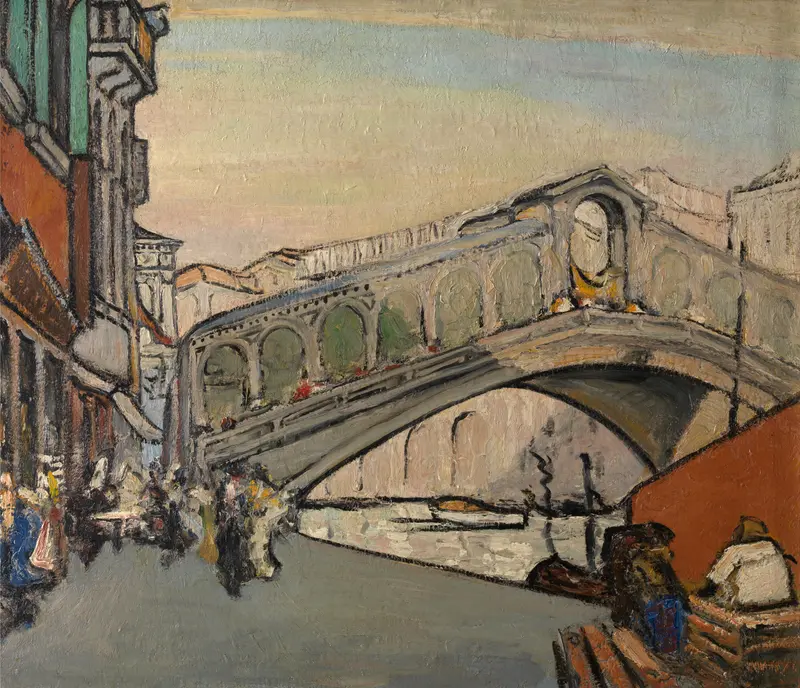
The Rialto Bridge in Venice
Jules Schmalzigaug

Abstract Bouquet
Jules Schmalzigaug
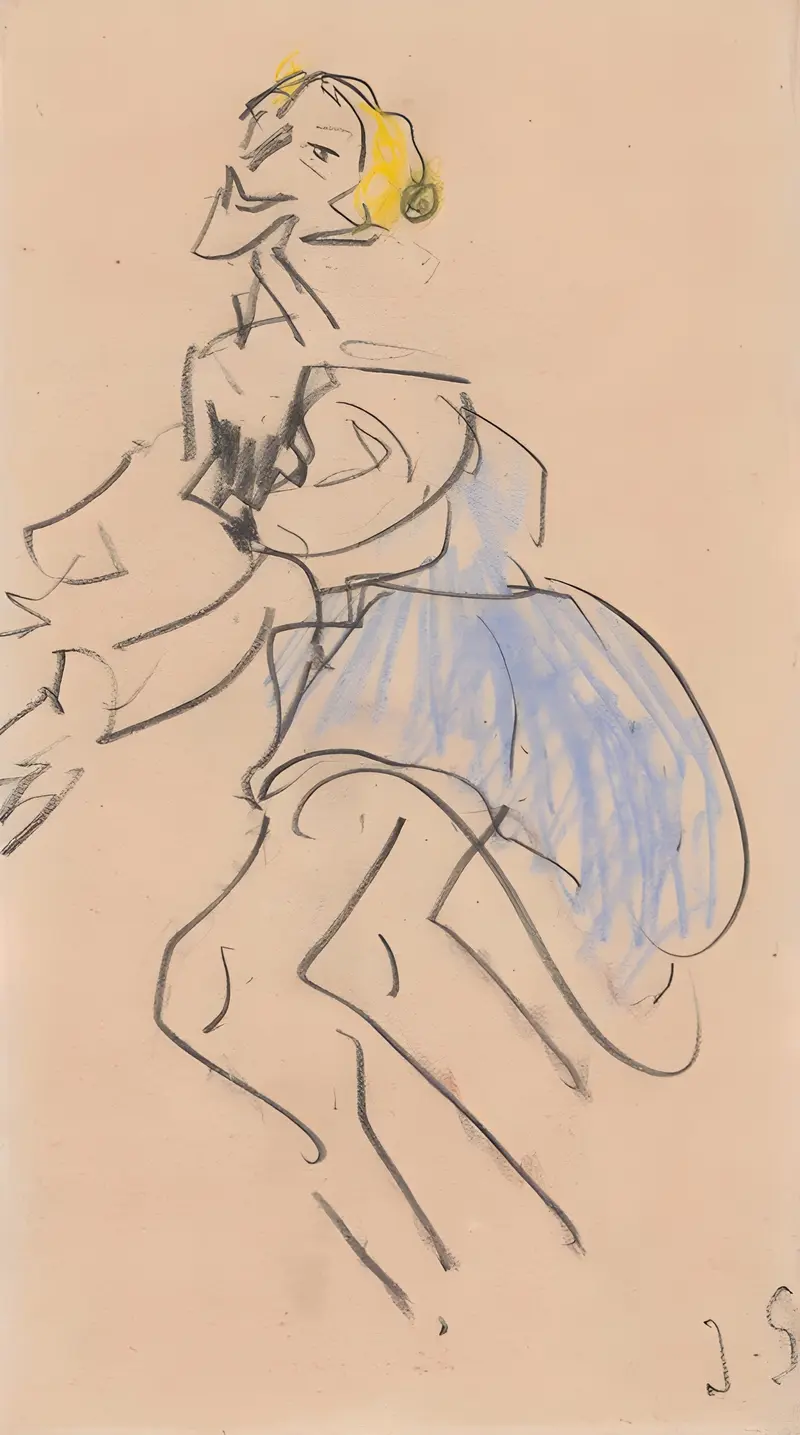
Dancer
Jules Schmalzigaug
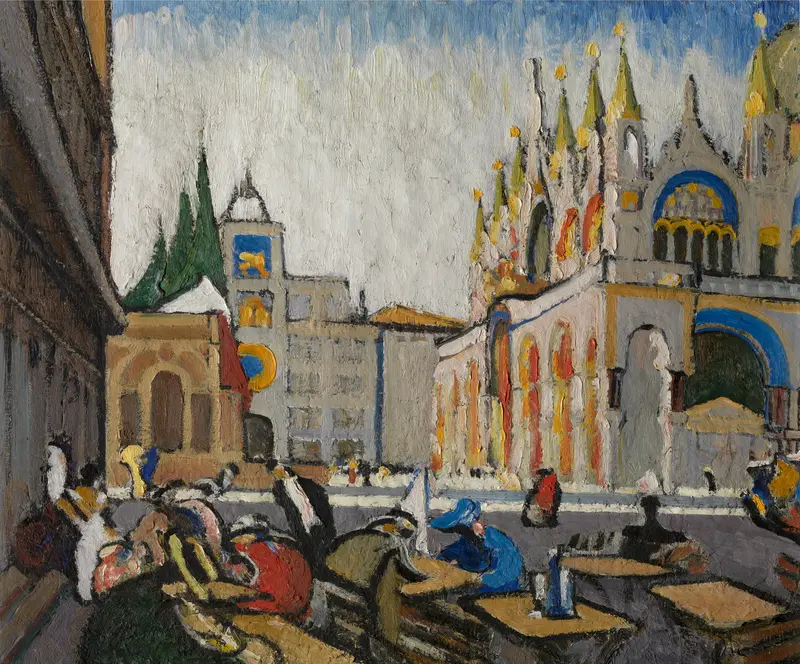
San Marco from the Piazetta
Jules Schmalzigaug
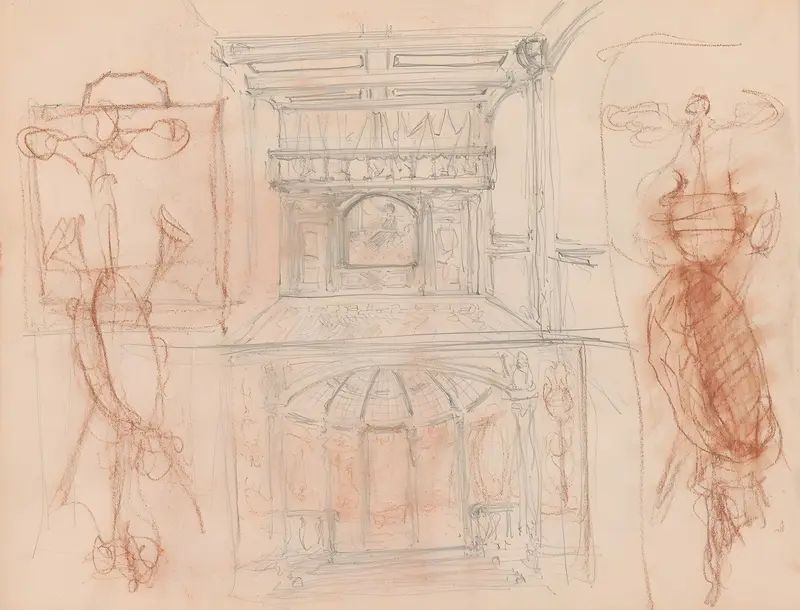
Architectural Elements
Jules Schmalzigaug
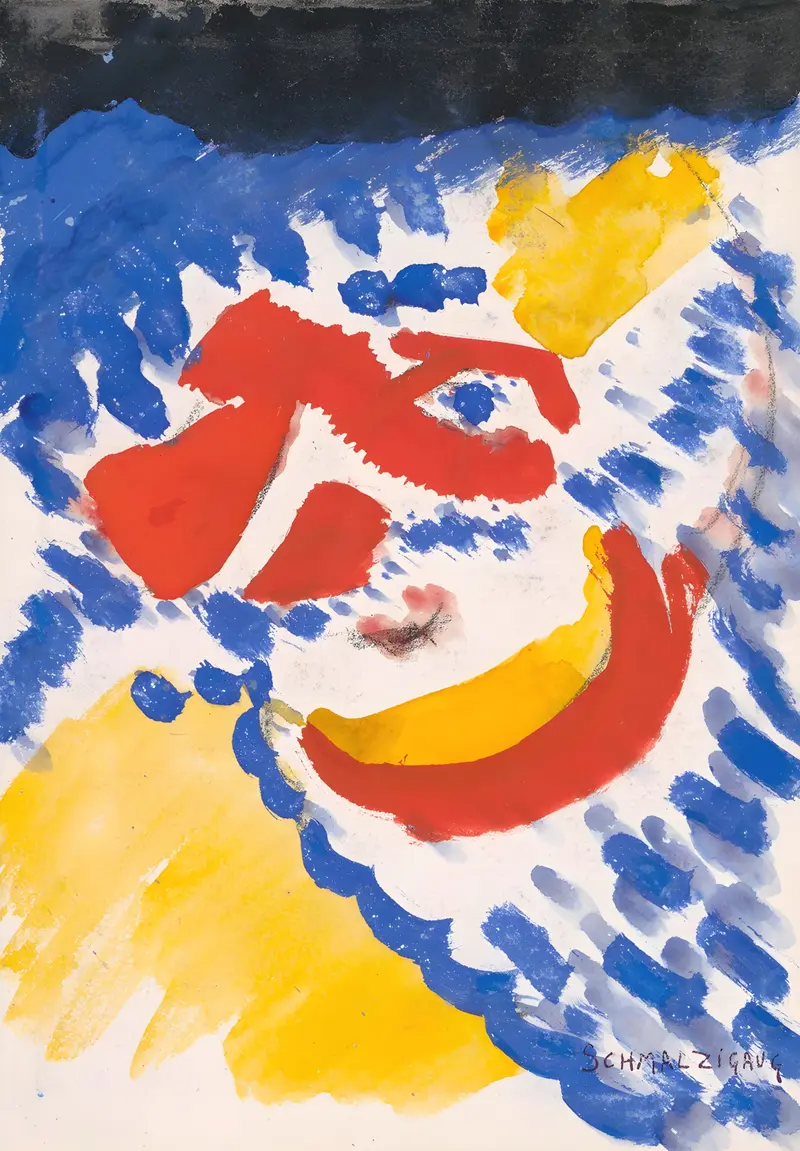
Blue, Red and Yellow Figures
Jules Schmalzigaug
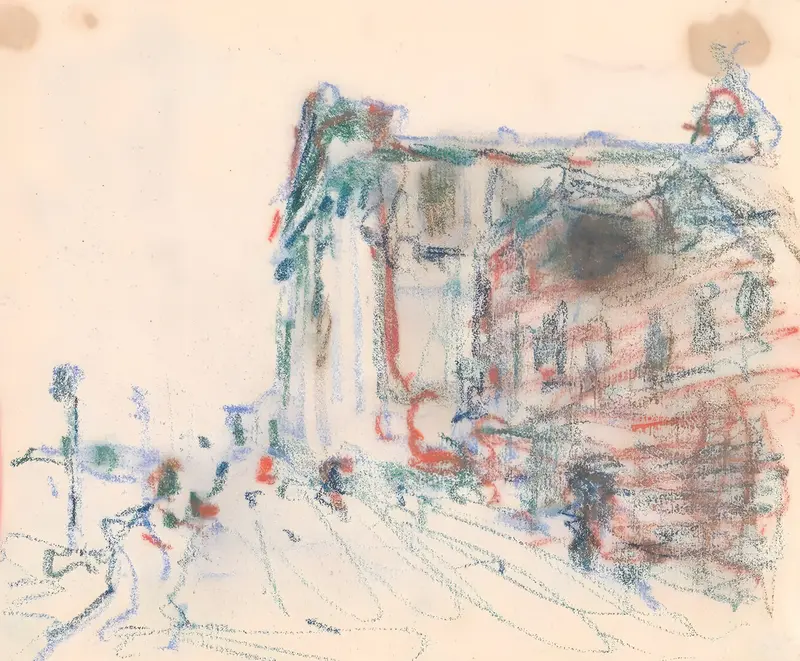
Chiesa dei Gesuati in Venice
Jules Schmalzigaug
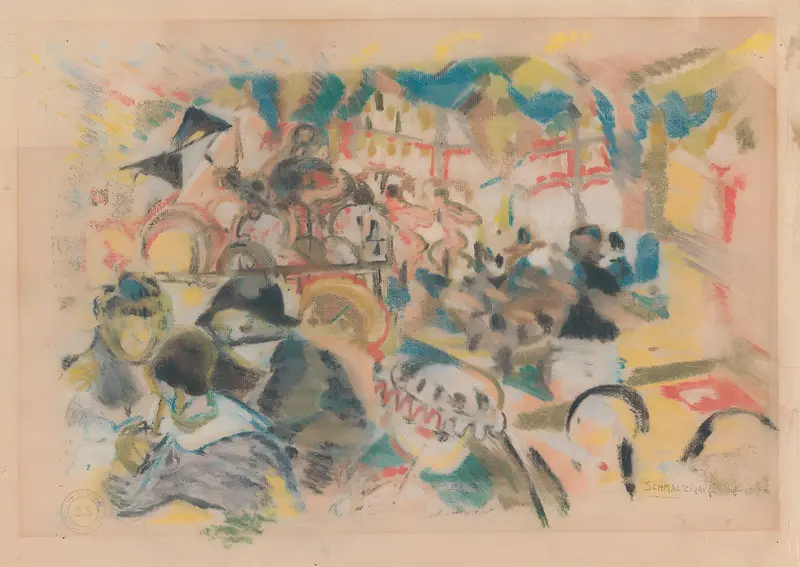
Café-chantant
Jules Schmalzigaug
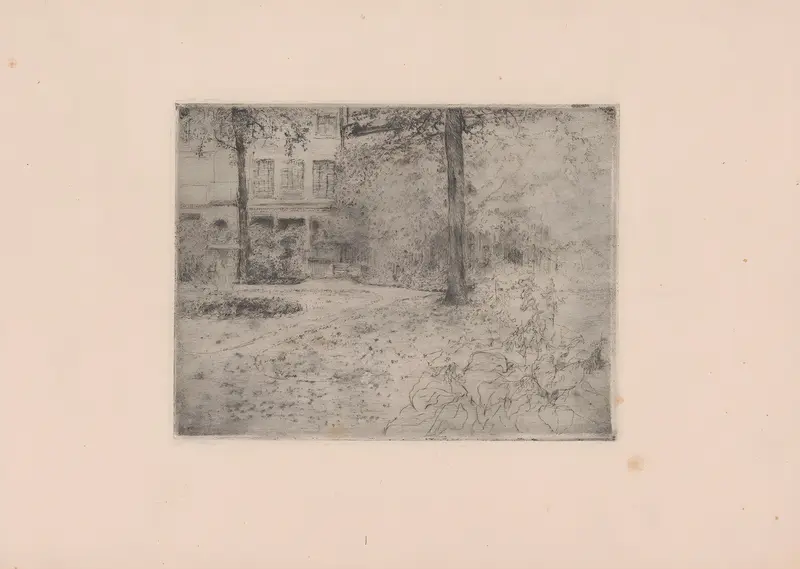
Backyard
Jules Schmalzigaug



