
Still Life with a Silver Pitcher — History & Facts
What first catches the eye is the theatrical gleam of the silver pitcher, its ornate handle twisting like a living thing, reflecting the surrounding feast in its polished belly. The light, carefully staged, draws you from the glistening shell of the lobster to the delicate folds of a white linen napkin, then up to a cluster of grapes that seem almost ready to drop from their stem. Every object here is a player in a silent drama of abundance: the cut melon, the half-peeled lemon, the bread torn and left mid-meal.
The dark background pushes the spectacle forward, heightening the sense of luxury and inviting the viewer to linger over each surface and shadow. Painted in the mid-17th century, this still life belongs to a world where such displays were more than decoration—they were declarations of status and taste. In the Dutch Republic, artists like Abraham van Beyeren specialized in these banquet scenes, known as pronkstilleven, for patrons eager to showcase their wealth and cosmopolitan palate. The date, circa 1660-1665, places the work at the height of this tradition, when painters competed to outdo one another in the illusion of texture and the play of light on silver, fruit, and shellfish.
Little is recorded about the journey of this specific painting, now found in the digital halls of Google Arts & Culture, but its careful composition and rich palette still speak of a society in thrall to both prosperity and the fleeting pleasures of the table. Look again, and notice how each object seems to balance on the edge of vanishing—an invitation to savor, and to reflect.
More Artworks by Abraham van Beyeren

Still Life
Abraham van Beyeren
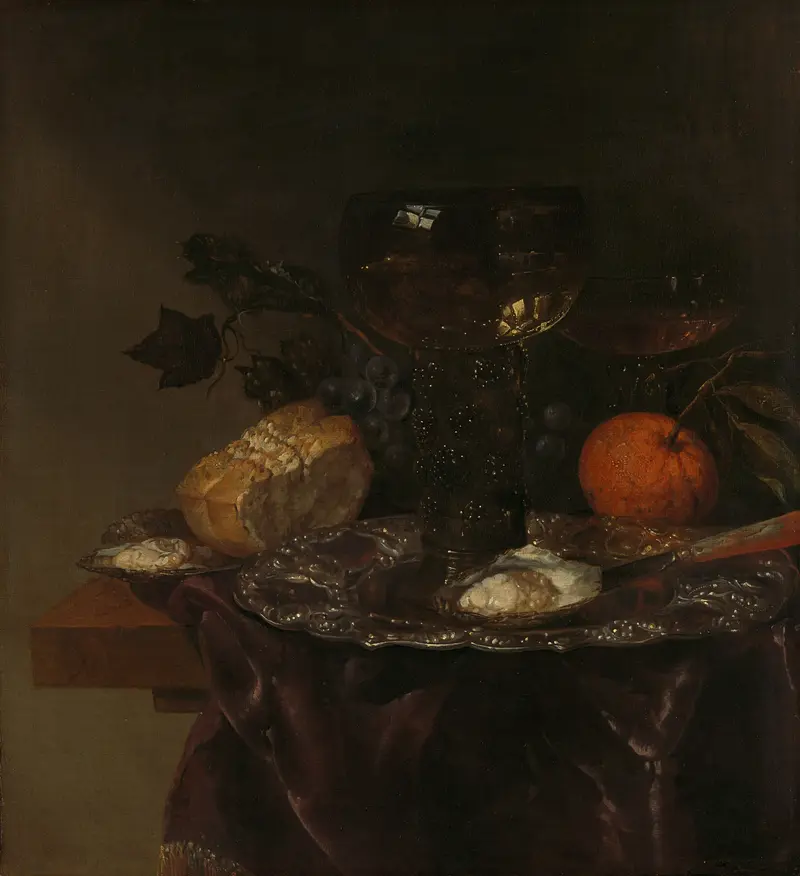
Still Life
Abraham van Beyeren
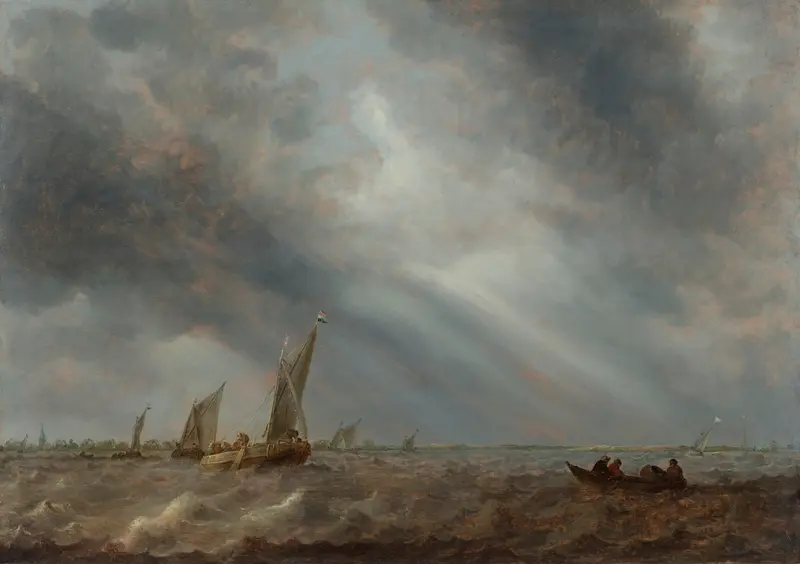
Various sailing vessels and a rowing boat with fishermen on choppy waters under a stormy sky
Abraham van Beyeren
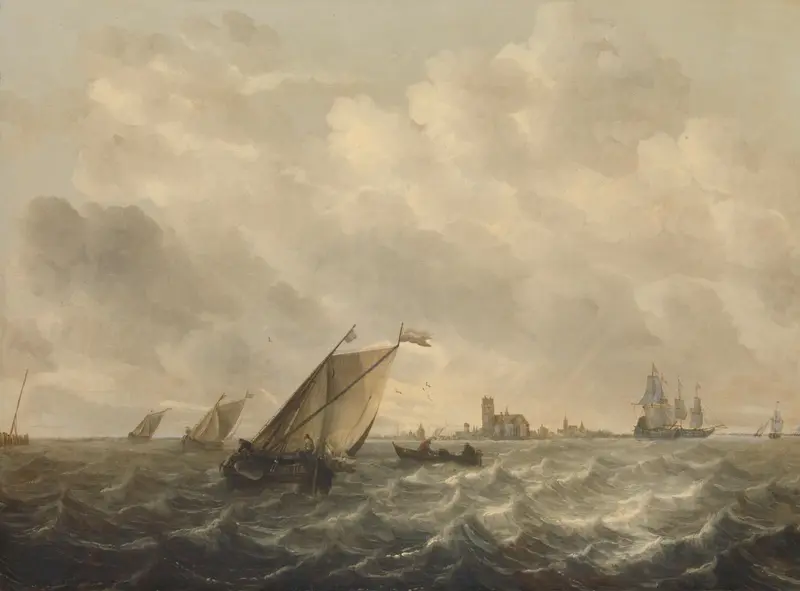
River View
Abraham van Beyeren
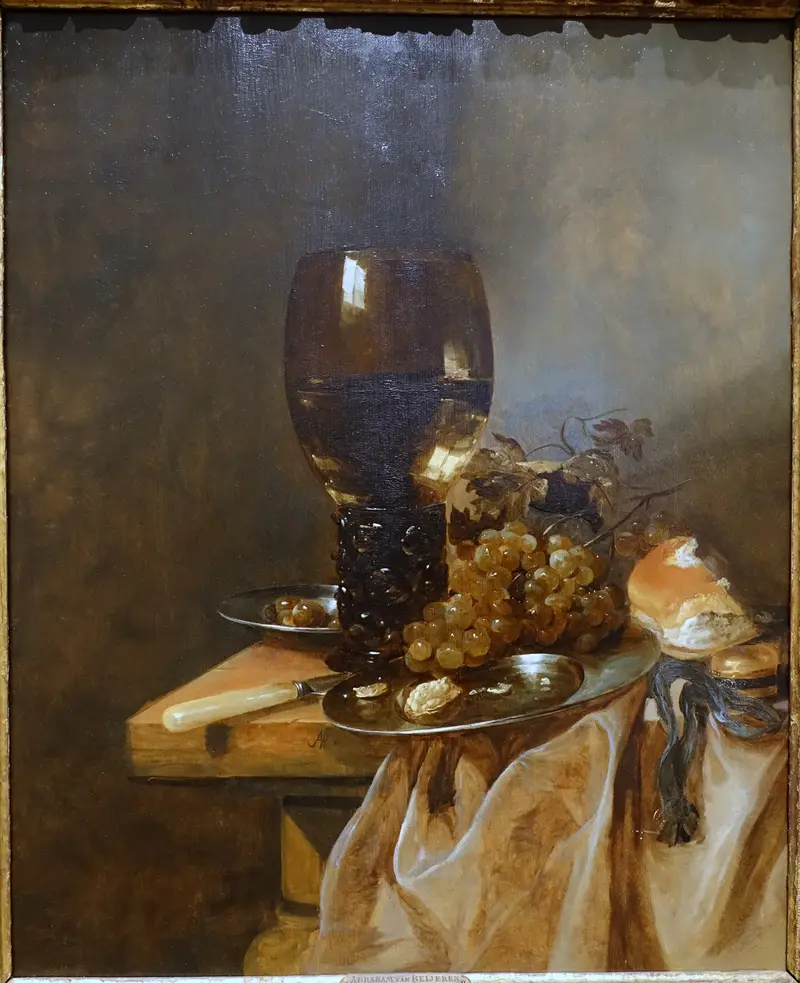
A Roemer with Grapes, a Pewter Plate and a Roll
Abraham van Beyeren
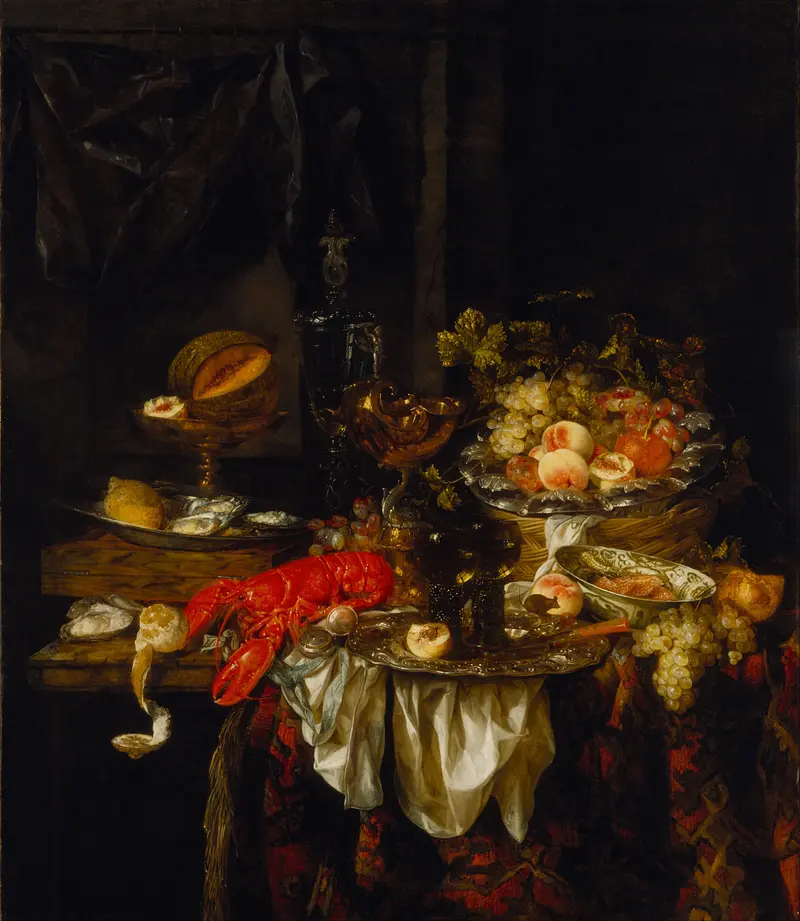
Banquet Still Life
Abraham van Beyeren
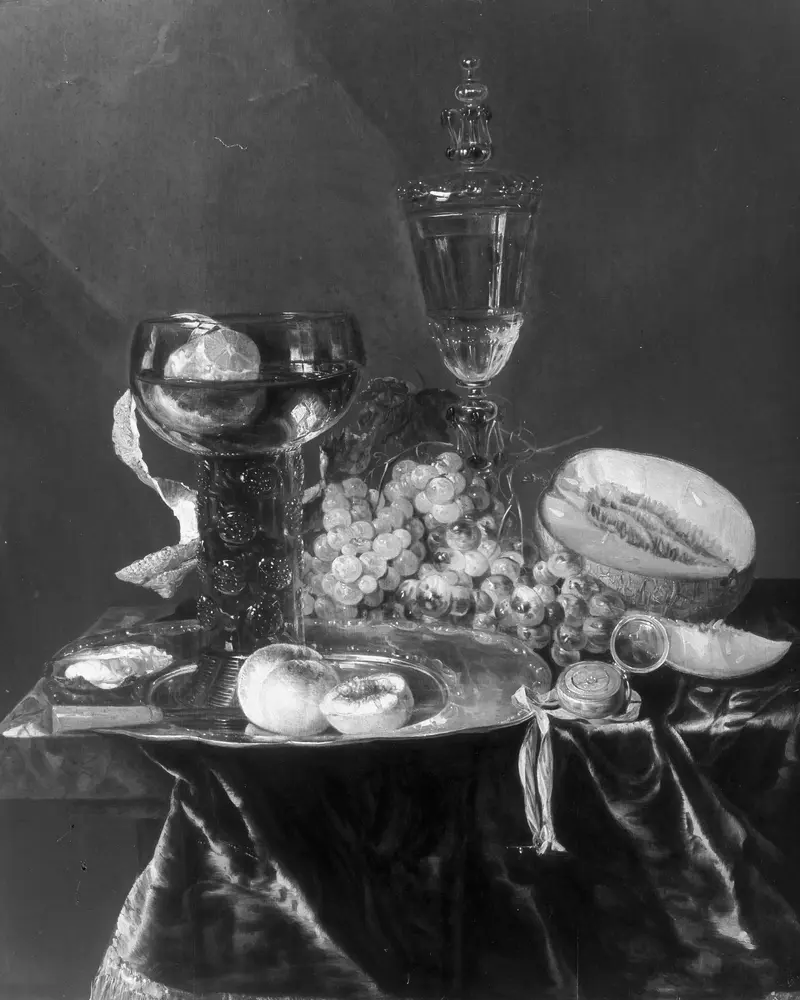
Still life with a glass lid goblet
Abraham van Beyeren
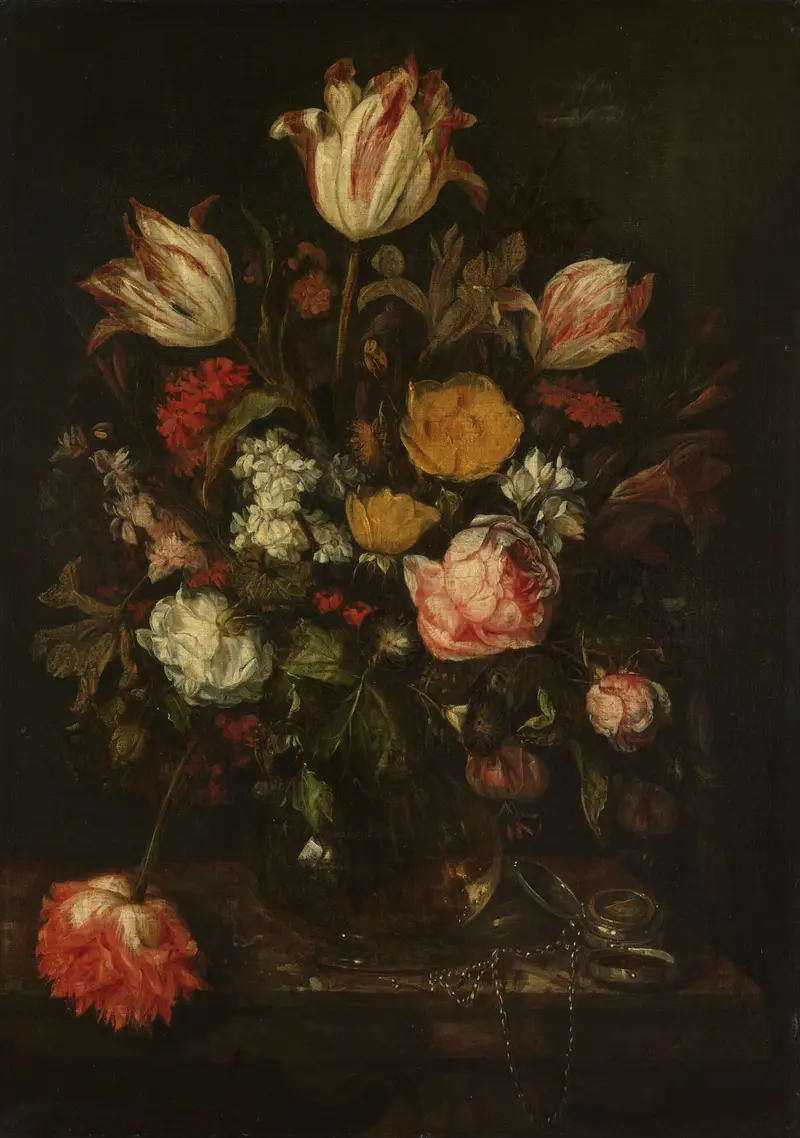
Still life with flowers
Abraham van Beyeren
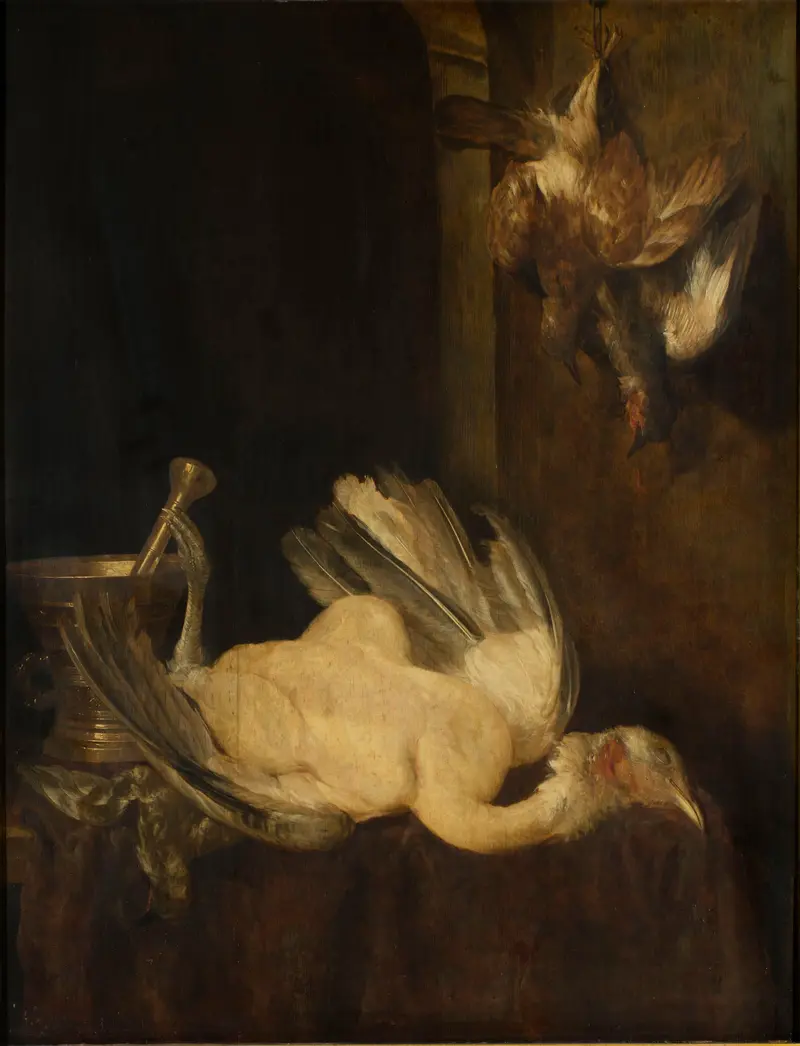
Still life with dead birds
Abraham van Beyeren
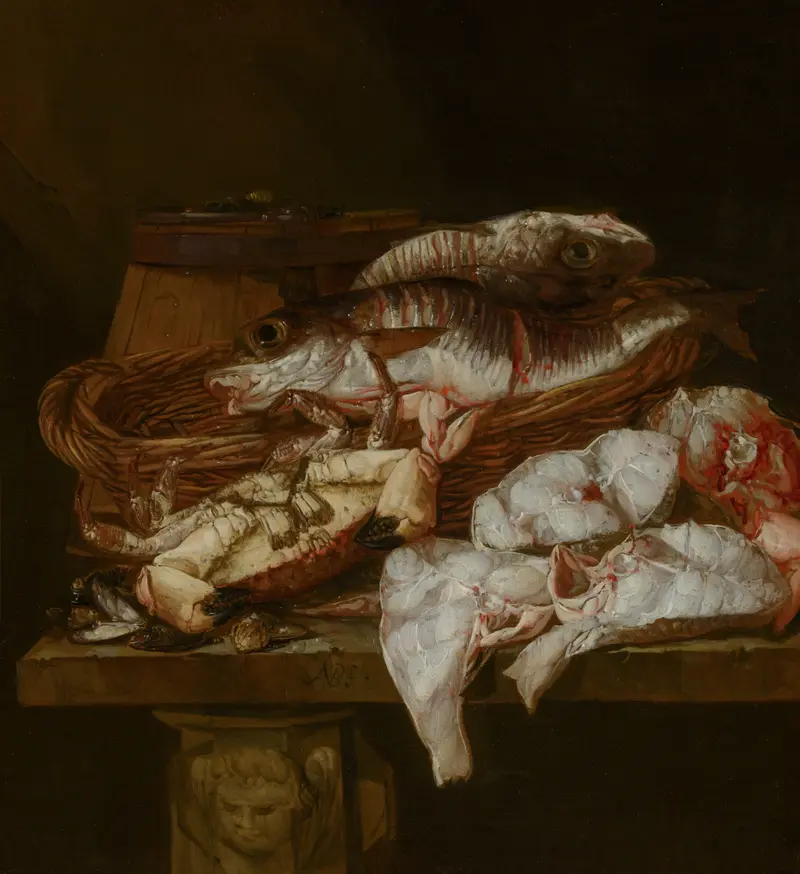
Still Life with Seafood
Abraham van Beyeren





