Still Life with Commode — History & Facts
Who listens when art speaks of silence? The stillness of a moment captured resonates with an undercurrent of unease, whispering fears that linger in the mundane. Here, in a seemingly serene composition, lies a tension that disturbs the calm surface, inviting deeper contemplation. Look to the right at the neatly arranged objects on the commode: a vase brimming with flowers, their vibrant hues juxtaposed against the muted browns of the wooden surface. Notice how the light falls upon the various textures, highlighting the delicate petals while casting shadows that hint at something unspoken.
Cézanne's brushstrokes, both deliberate and loose, create a sense of movement within stillness, drawing the eye to each carefully placed item and inviting the viewer to linger in the quiet room. Beneath the apparent harmony, an emotional tension weaves through the artwork. The juxtaposition of lively blooms against the sturdy, unyielding commode suggests a fragility that contrasts with stability. Each object is laden with significance, perhaps symbolizing the transience of life and the fear of what lies beyond the confines of this tranquil scene.
Shadows evoke a sense of dread, as if the still life conceals secrets that stretch into the unsaid. In the late 1880s, Cézanne found himself at a crossroads in his artistic journey, painting this piece during a tumultuous period marked by burgeoning modernity and shifting artistic paradigms. Working in his studio in Aix-en-Provence, he sought to distill the essence of objects and their relationships, a reflection of both personal introspection and the emerging modernist ethos. This still life, emblematic of his innovative approach, speaks to the complexities of existence as much as it captures the beauty of the ordinary.
More Artworks by Paul Cezanne
Browse all →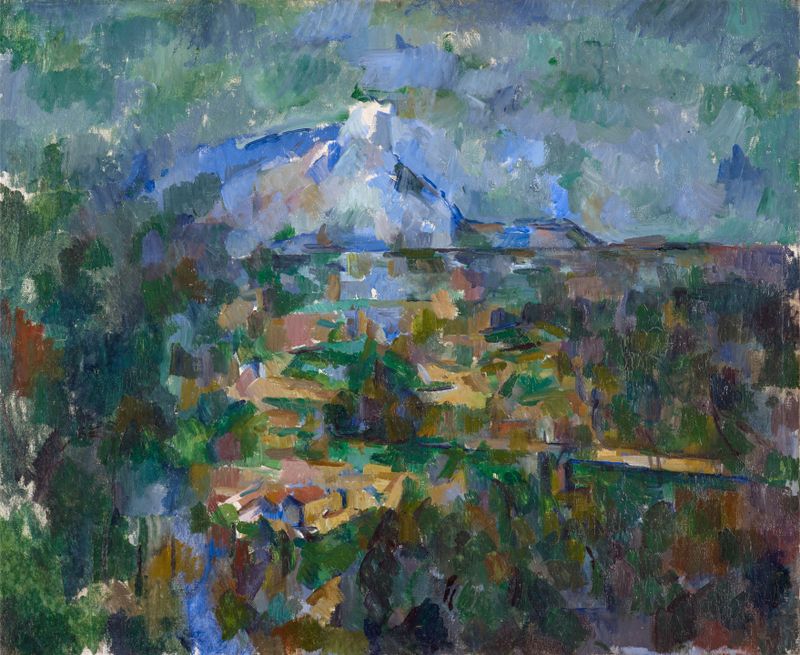
The Mont Sainte-Victoire Seen From Les Lauves
Paul Cezanne
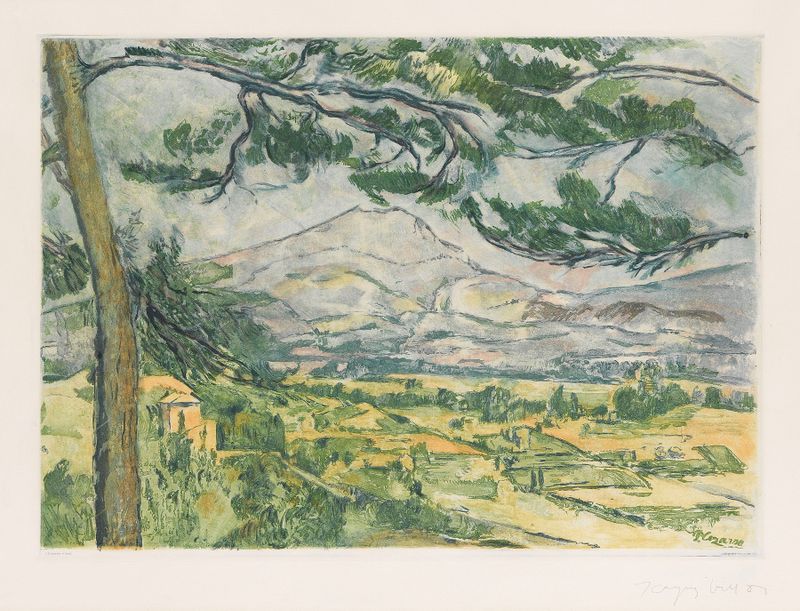
La Montagne Sainte-Victoire
Paul Cezanne
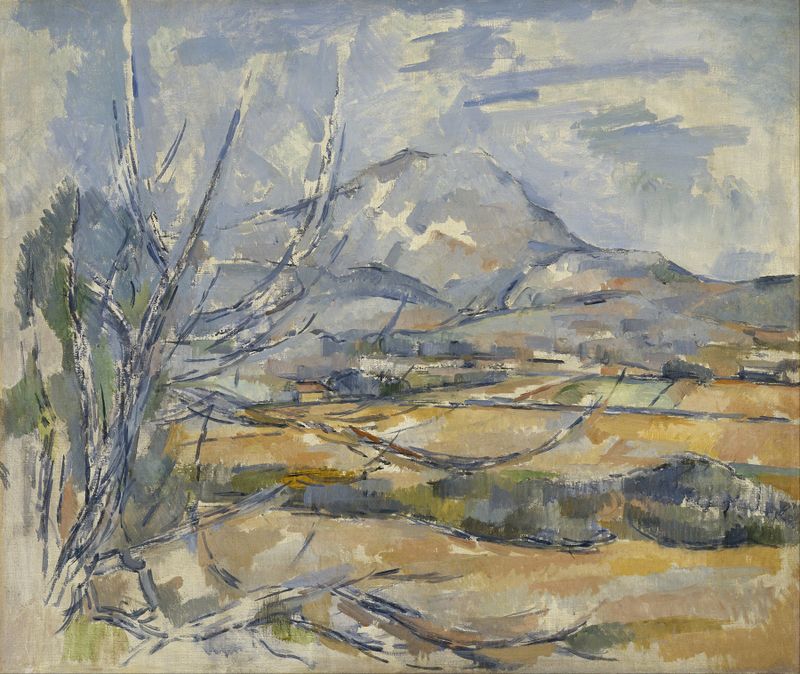
Montagne Sainte-Victoire
Paul Cezanne
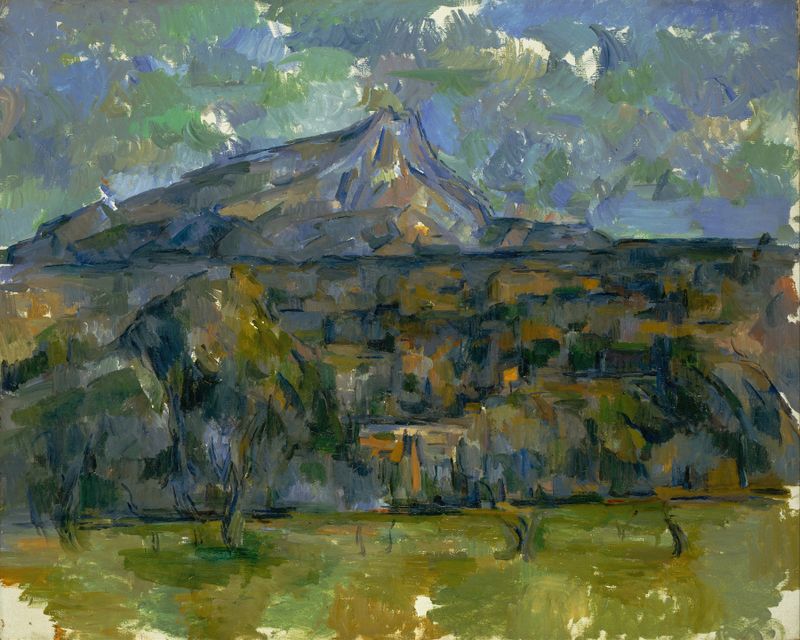
Mont Sainte-Victoire
Paul Cezanne
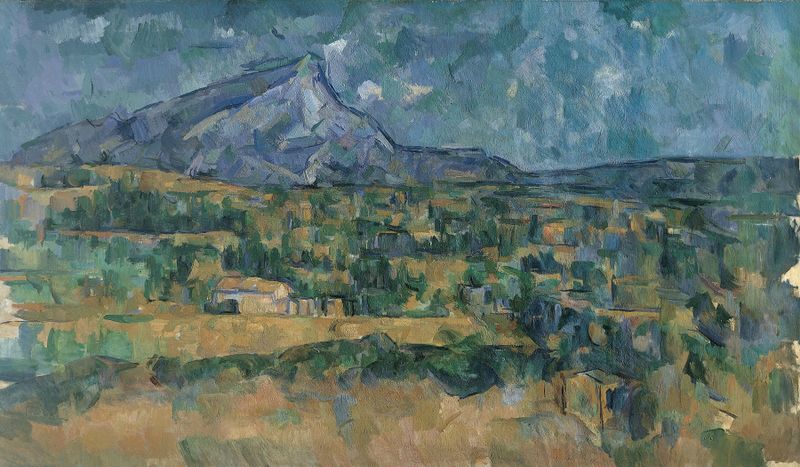
Mont Sainte-Victoire
Paul Cezanne
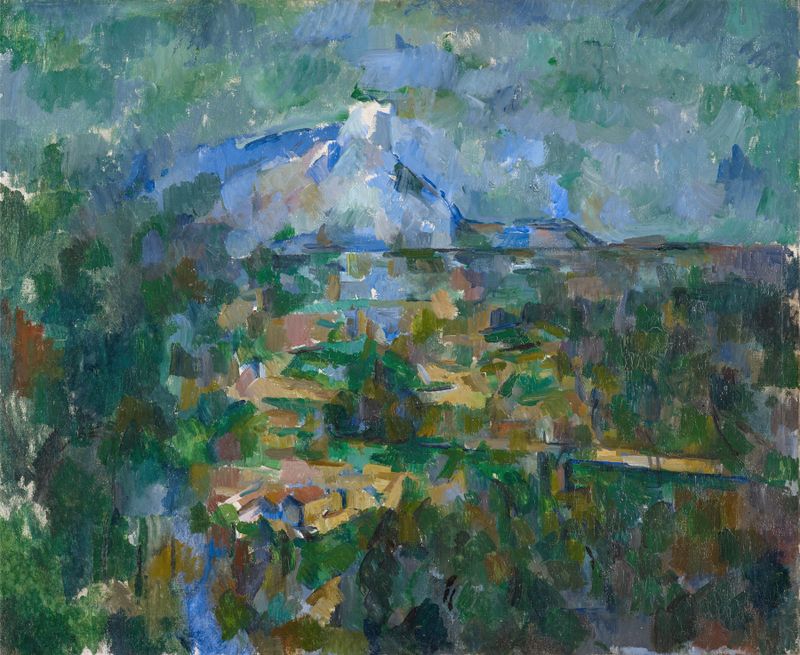
View of Mount Sainte-Victoire from Les Lauves
Paul Cezanne
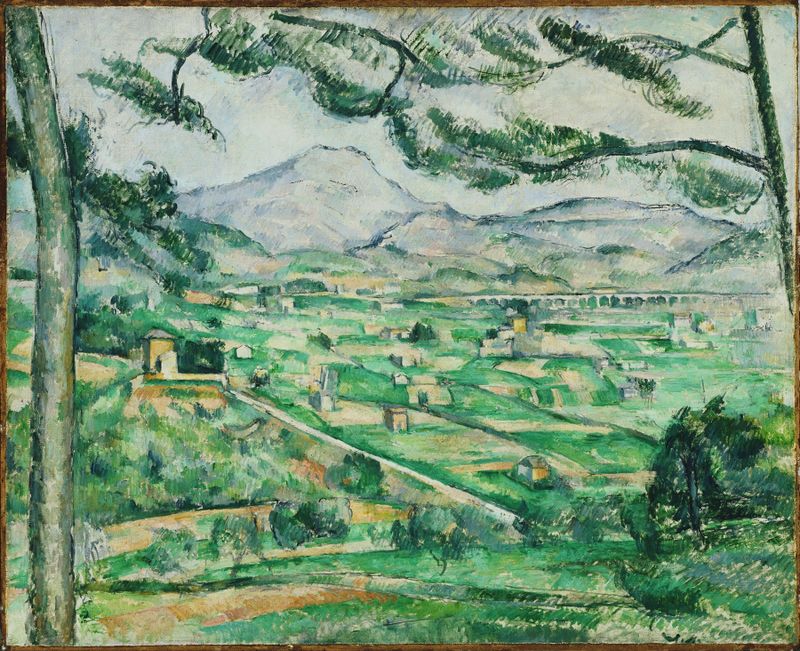
Mont Sainte-Victoire 2
Paul Cezanne

The Basket of Apples
Paul Cezanne

Mount Sainte-Victoire
Paul Cezanne
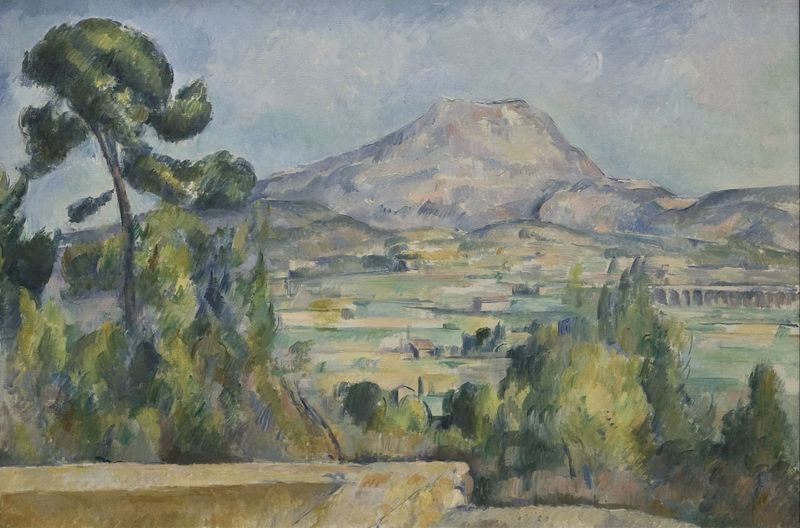
Montagne Saint-Victoire
Paul Cezanne