
stillife — History & Facts
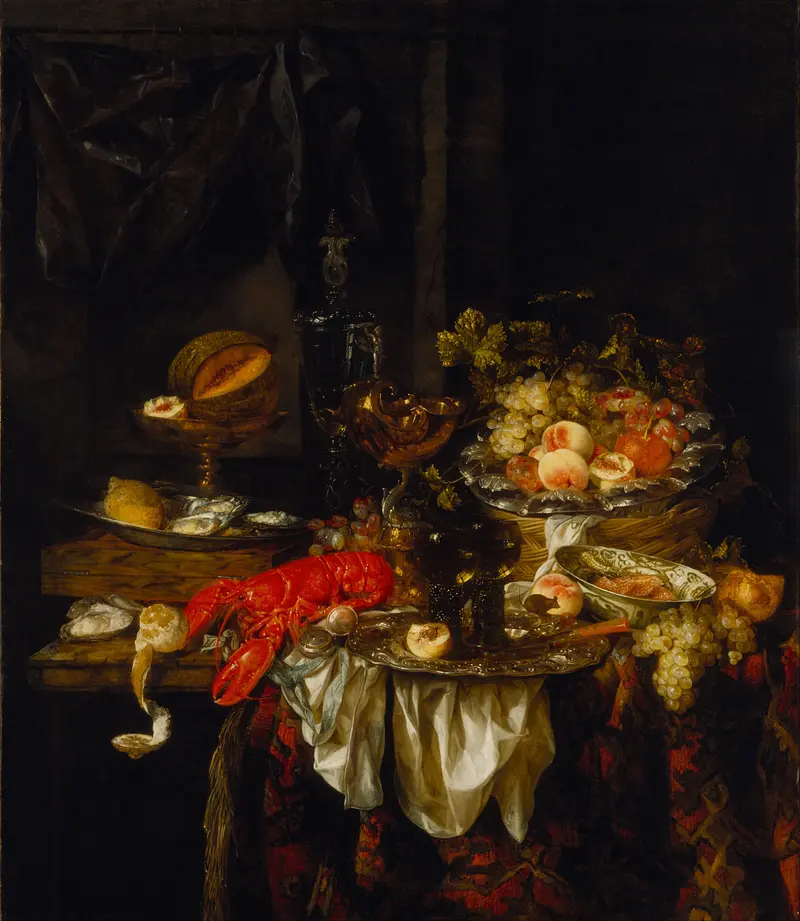
A lavish banquet seems to pause mid-feast, the eye drawn first to the gleaming metal ewer that rises like a monument at the heart of the table. Every surface in stillife by Abraham van Beyeren is a contest between light and texture: the crumpled napkin spills forward, catching the brightest highlights, while the lobster sprawls across a silver platter, its shell rendered with a tactile precision that almost invites touch. Grapes tumble from a wicker basket, their translucence set off by the dark, velvety backdrop, and a sliced melon reveals its pale, glistening flesh—an invitation to both taste and contemplation.
The careful placement of each object is no accident; the composition leads the viewer from one temptation to the next, holding the gaze in a world of abundance and careful order. Painted in 1645, this work belongs to the flourishing tradition of Dutch still life, a genre that reached new heights in the seventeenth century. Such paintings were prized by wealthy merchants and burghers, eager to display both their prosperity and their appreciation for the fleeting pleasures of the senses. The table’s bounty, with its imported fruits and costly vessels, speaks to the global reach of Dutch trade during this era, while the meticulous rendering of surfaces is a hallmark of van Beyeren’s circle.
Now in the collection of the Deutsches Historisches Museum, the painting stands as both a record of its time and a challenge to the viewer: what endures, and what slips away, when the feast is over?
More Artworks by Abraham van Beyeren

Still Life
Abraham van Beyeren
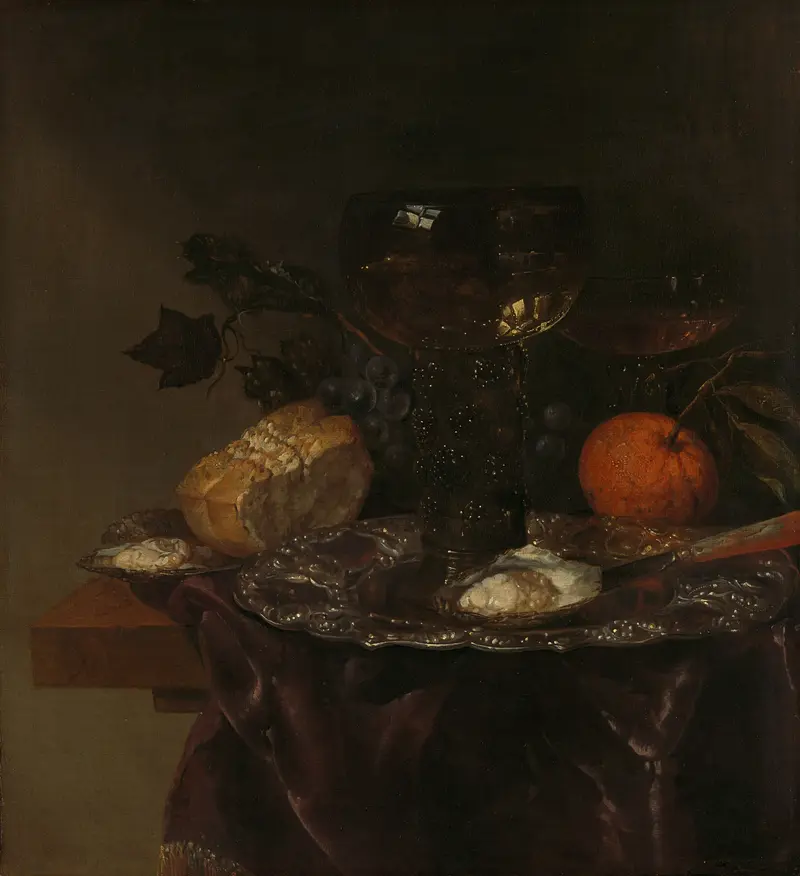
Still Life
Abraham van Beyeren
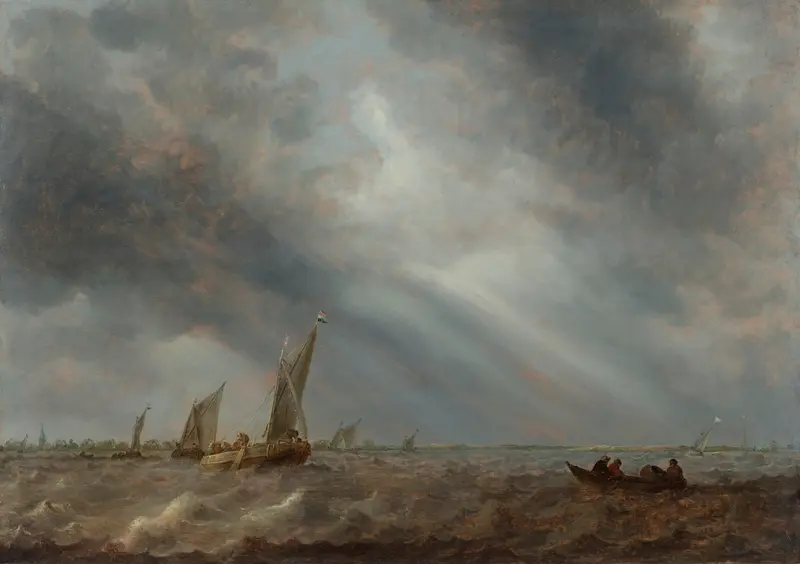
Various sailing vessels and a rowing boat with fishermen on choppy waters under a stormy sky
Abraham van Beyeren
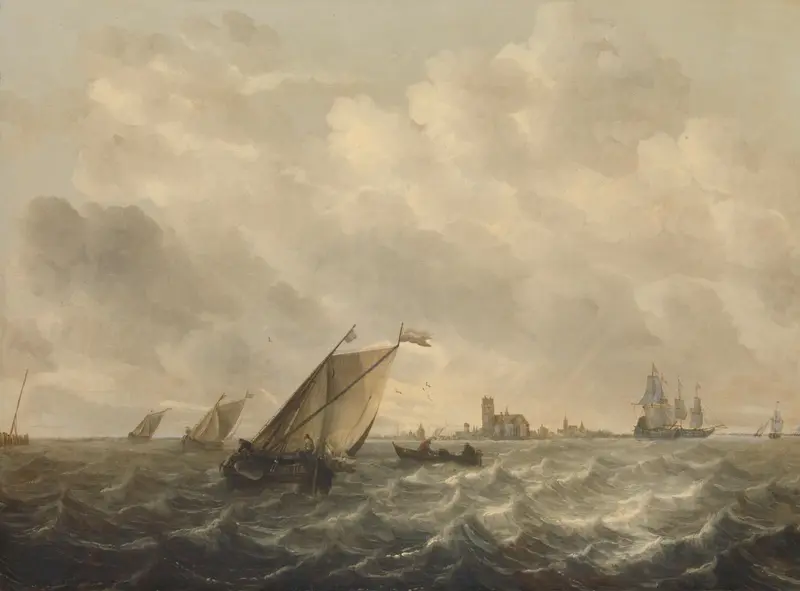
River View
Abraham van Beyeren
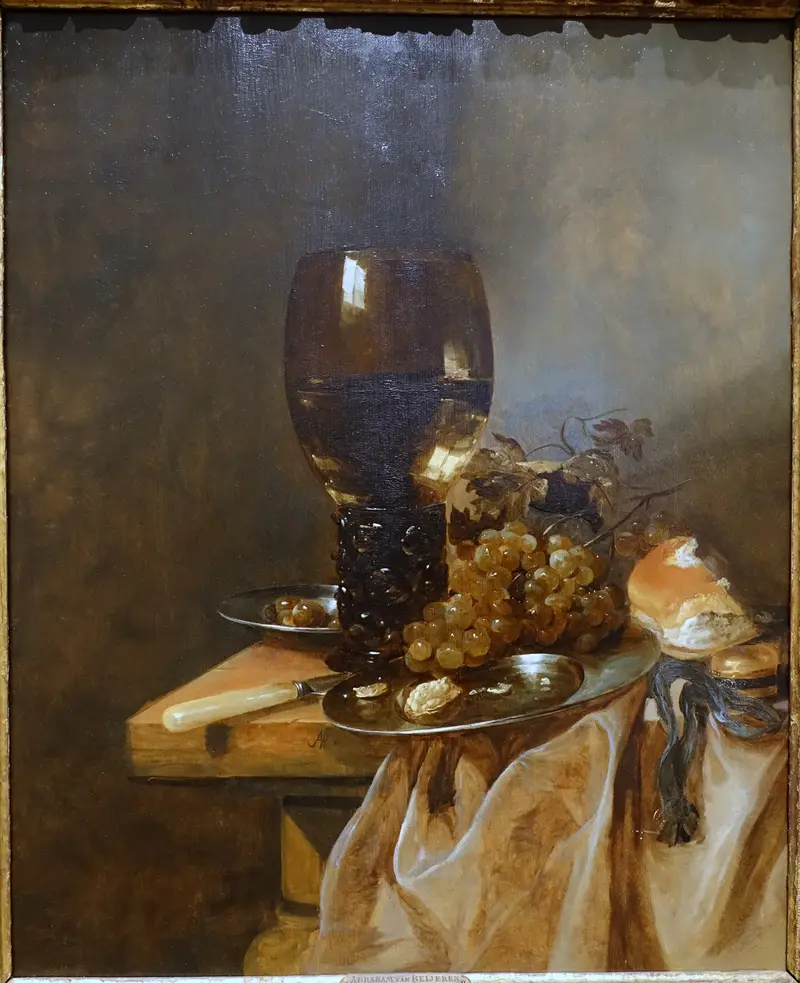
A Roemer with Grapes, a Pewter Plate and a Roll
Abraham van Beyeren
Banquet Still Life
Abraham van Beyeren
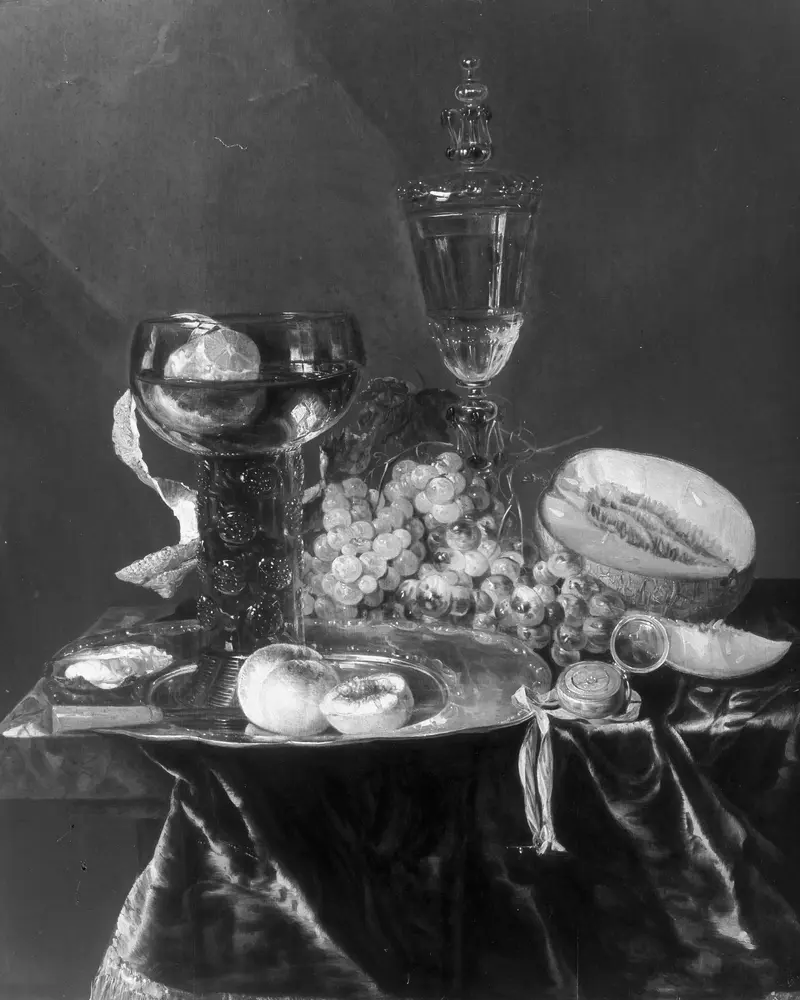
Still life with a glass lid goblet
Abraham van Beyeren
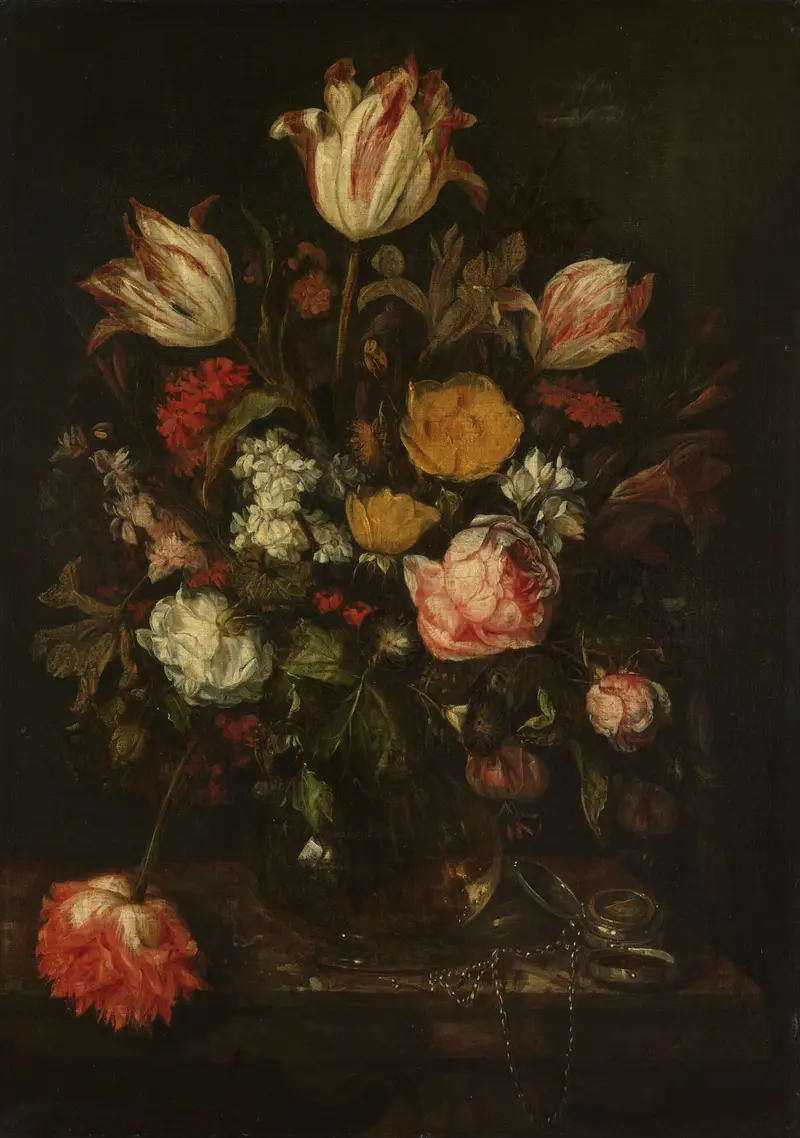
Still life with flowers
Abraham van Beyeren
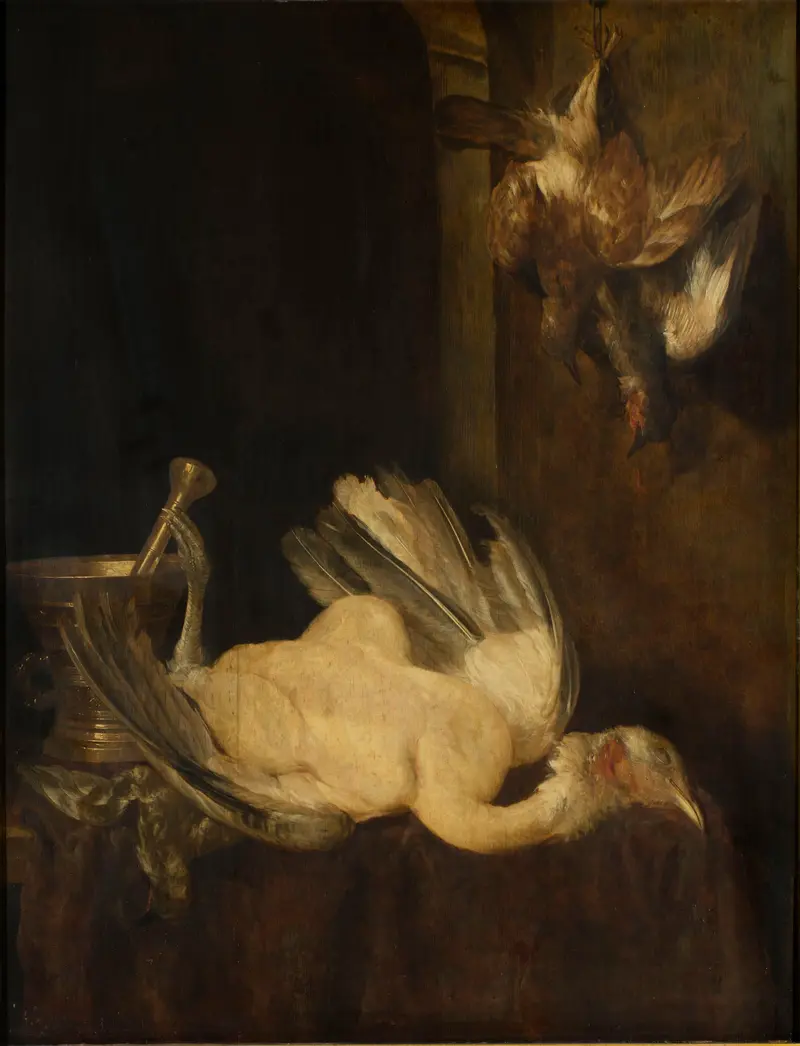
Still life with dead birds
Abraham van Beyeren
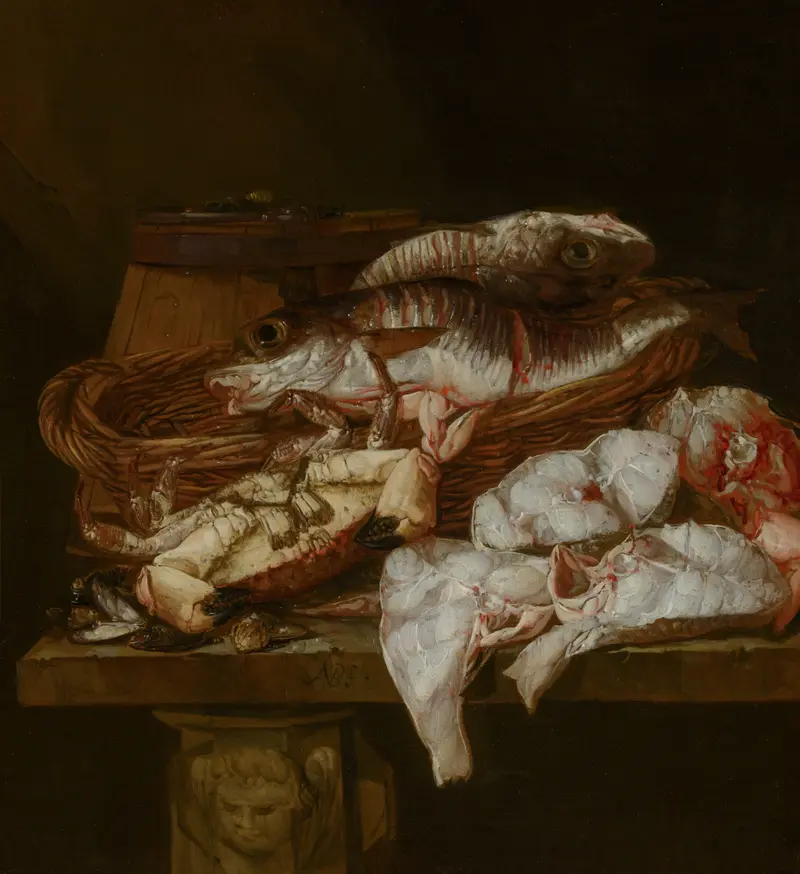
Still Life with Seafood
Abraham van Beyeren





