
Still Life with Fish and Crustaceans on a Table — History & Facts
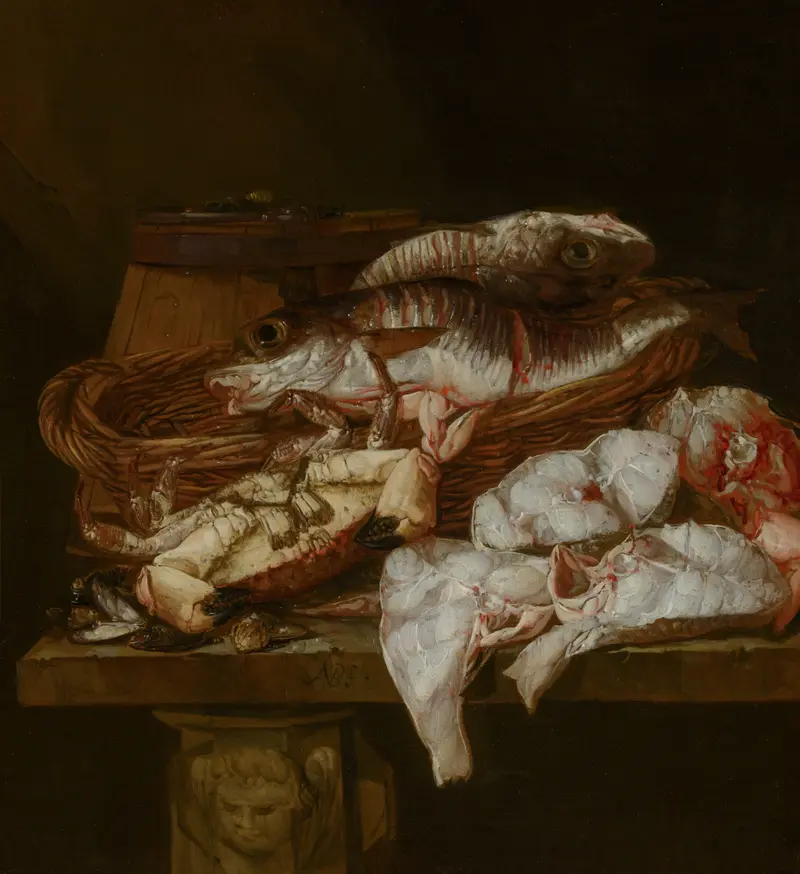
What first catches the eye in Still Life with Fish and Crustaceans on a Table is the sheer abundance—fish stacked in a basket, their scales catching the light, and a crab splayed open as if mid-movement. The painter, Abraham van Beyeren, draws you in with a play of textures: the slick glisten of fish skin, the rough weave of the basket, and the hard shell of the crab. The table’s edge juts forward, inviting the viewer to imagine reaching out and touching the cold, fresh catch.
The light, falling from the left, carves out each form from the darkness, making the bounty almost tangible. Every detail is a signal: the arrangement is not random, but a careful display of nature’s richness and the painter’s own virtuosity. This kind of still life flourished in the Dutch Republic during the mid-seventeenth century, a period when trade and prosperity filled homes with exotic foods and inspired pride in the nation’s maritime prowess. Painters like van Beyeren specialized in these opulent scenes, which were often commissioned by wealthy merchants eager to showcase their success and refined taste.
Between 1650 and 1670, when this work was created, such paintings were more than decoration—they were status symbols, reminders of both abundance and the fleeting nature of worldly pleasures. Now housed in the National Museum in Warsaw, this painting remains a window onto a world where even a simple meal could become a spectacle of wealth and artistry. Let your gaze linger on the details, and imagine the world that once gathered around such a table.
More Artworks by Abraham van Beyeren

Still Life
Abraham van Beyeren
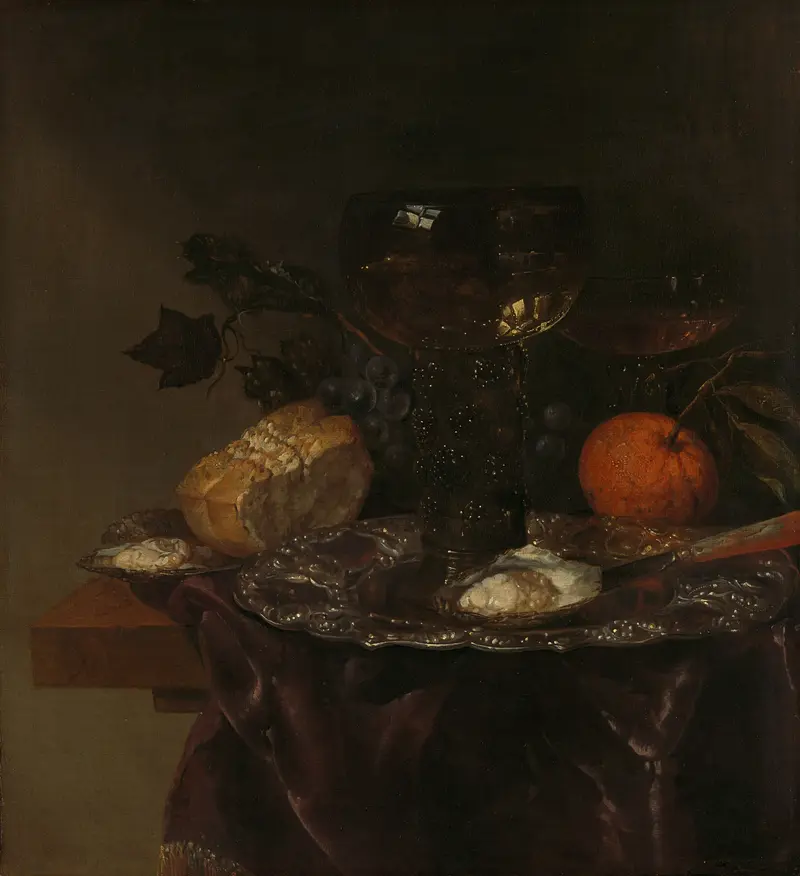
Still Life
Abraham van Beyeren
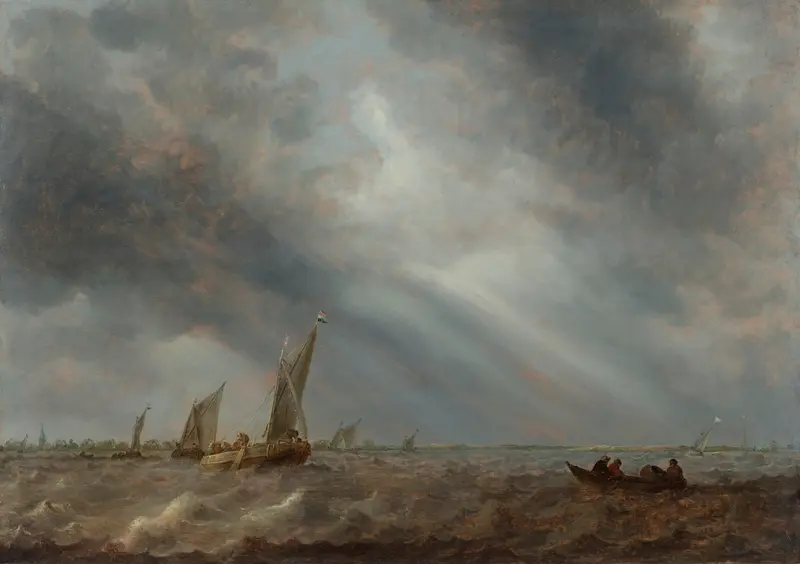
Various sailing vessels and a rowing boat with fishermen on choppy waters under a stormy sky
Abraham van Beyeren
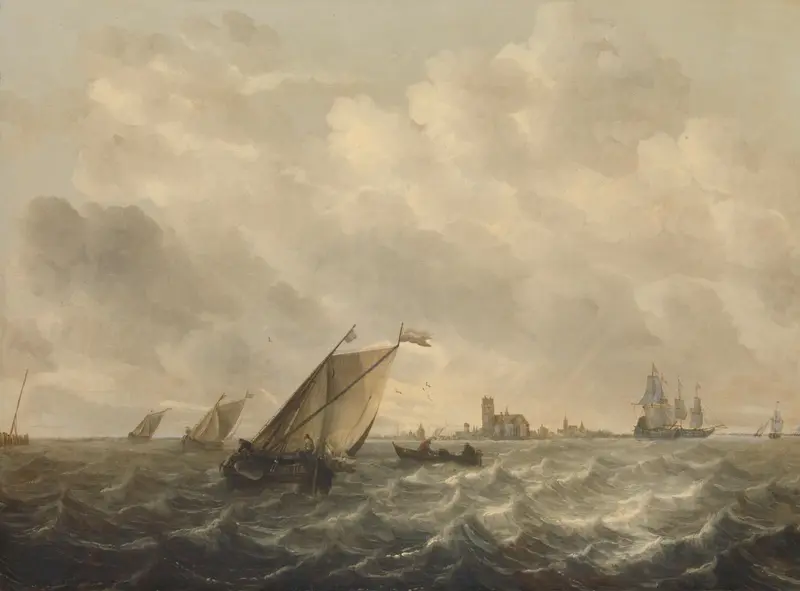
River View
Abraham van Beyeren
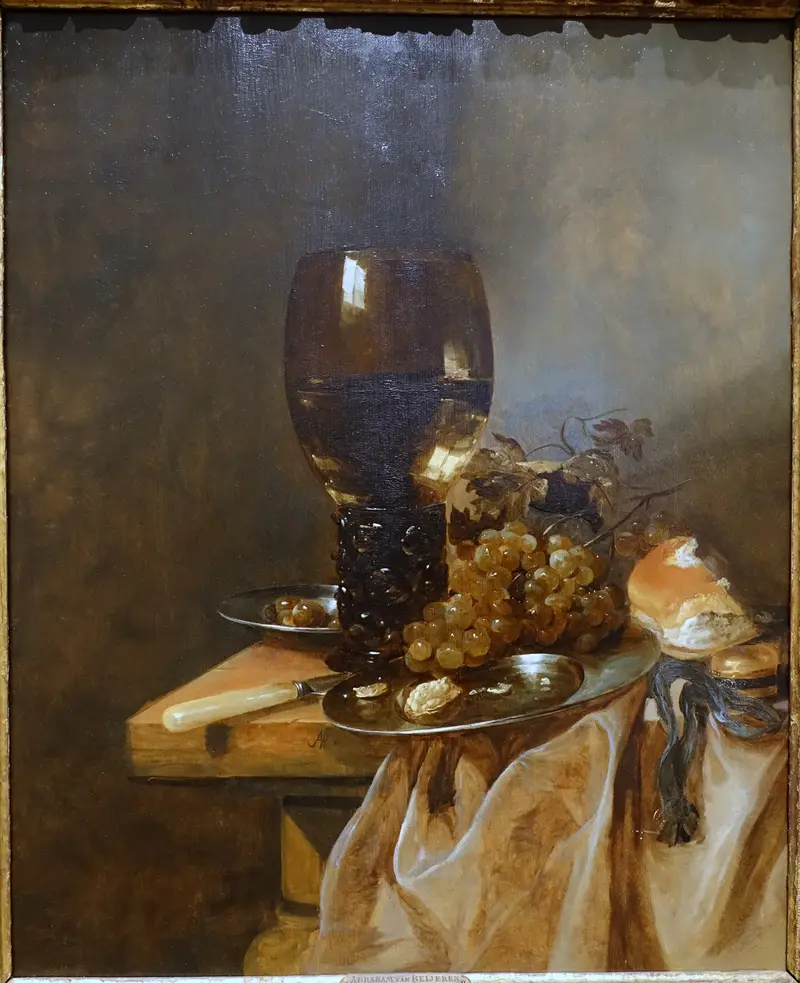
A Roemer with Grapes, a Pewter Plate and a Roll
Abraham van Beyeren
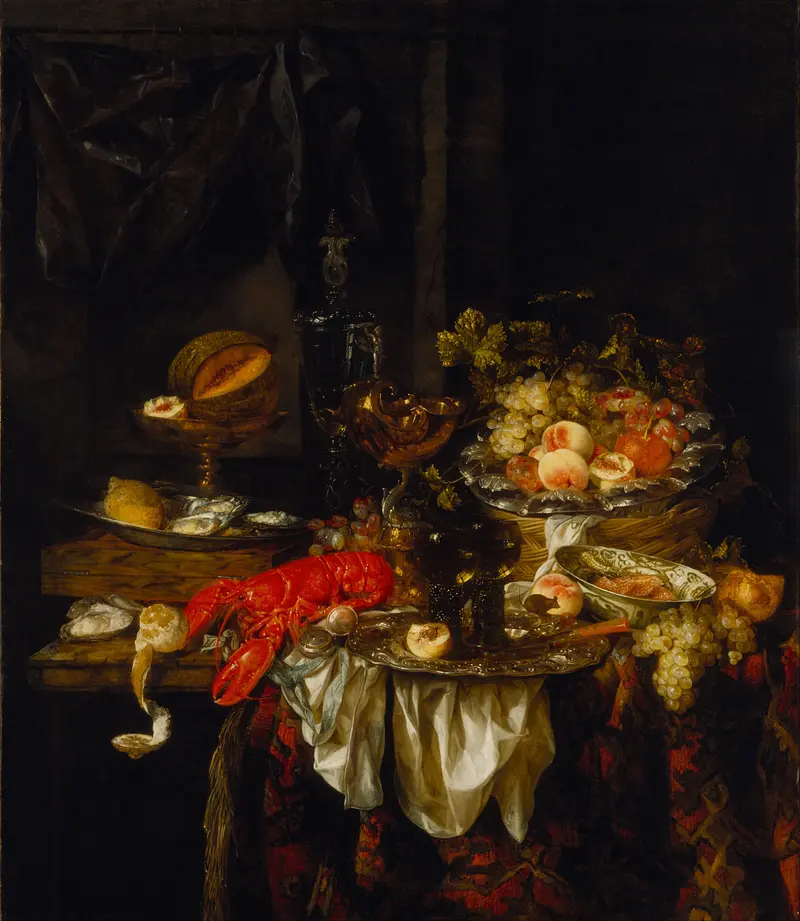
Banquet Still Life
Abraham van Beyeren
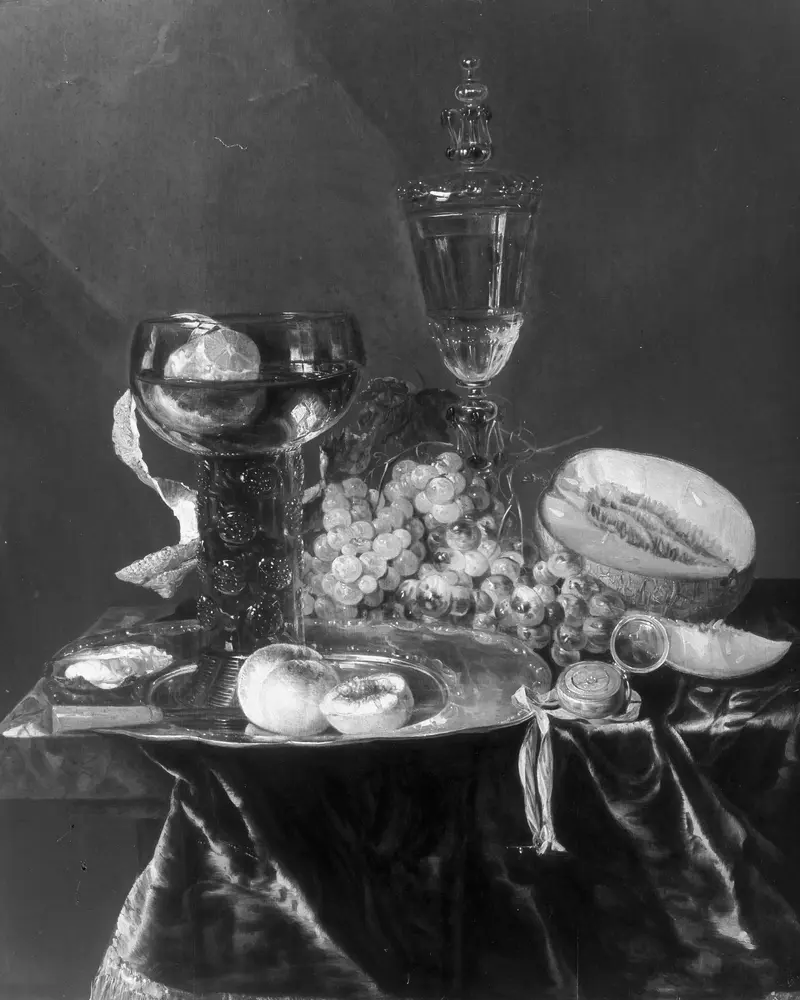
Still life with a glass lid goblet
Abraham van Beyeren
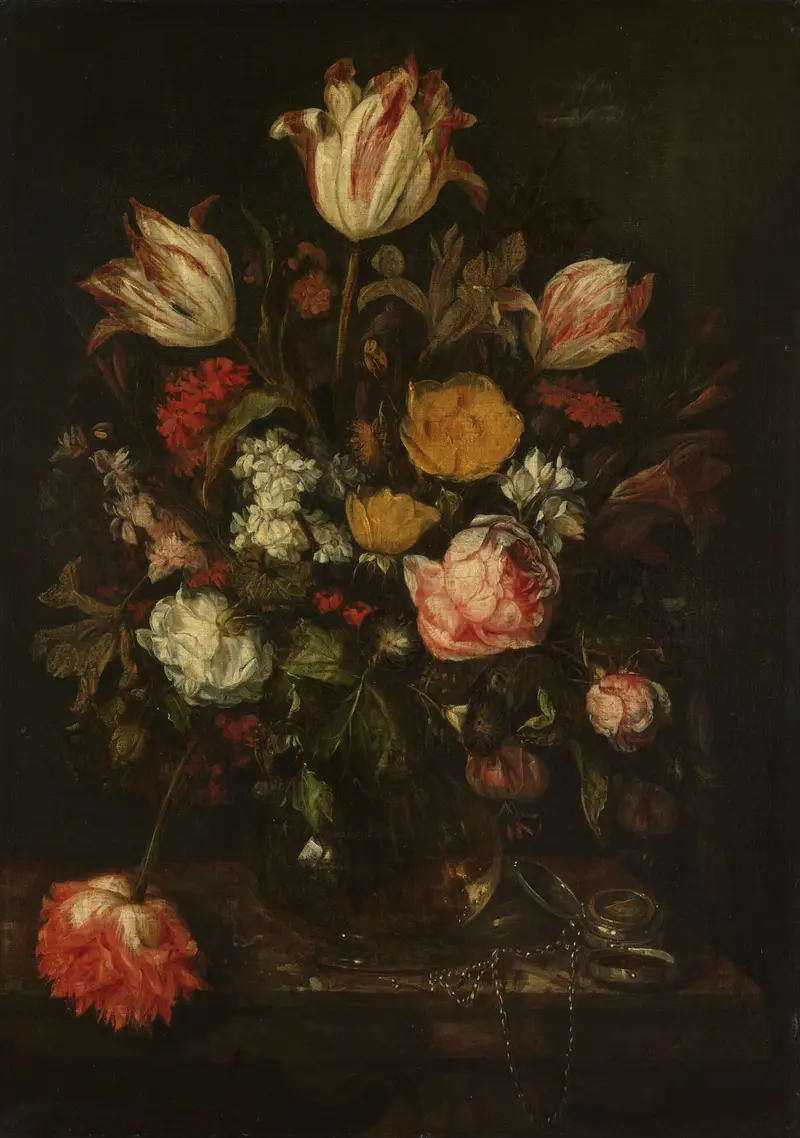
Still life with flowers
Abraham van Beyeren
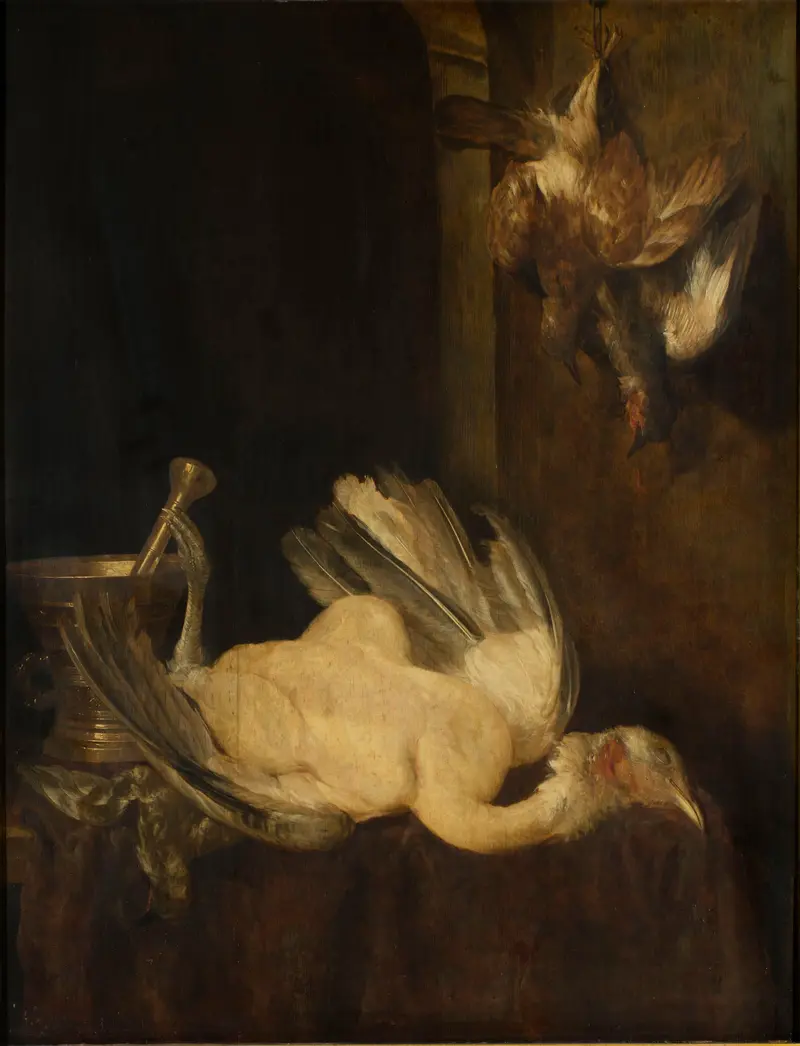
Still life with dead birds
Abraham van Beyeren
Still Life with Seafood
Abraham van Beyeren





