
Still Life with Silver-gilt Bekerschroef with Roemer — History & Facts
What first catches the eye is the shimmer of the silver-gilt bekerschroef, a drinking vessel so ornate it nearly upstages the delicacies that surround it. The painter’s hand guides us from the cool gleam of the oyster shell to the soft, downy skin of the peach, then up the stem of the goblet, where a tiny sculpted figure supports the weight of the glass. Each reflection, each shadow, is deliberate: the way the roemer’s greenish glass traps the light, the way the grapes glisten as if freshly plucked, and the way a blue ribbon tumbles carelessly across the tray.
Even the watch, half-hidden, hints at the passing of time—luxury and transience sharing the same stage. Works like this, painted in the mid-17th century, were prized by the wealthy Dutch merchant class, who delighted in displays of abundance and the painter’s technical prowess. The still life was more than a catalogue of riches; it was a meditation on pleasure, status, and the fleeting nature of both. Abraham van Beyeren was a master of such compositions, layering his tables with objects that invite the viewer to linger and reflect.
This painting, now in the collection of the Rijksmuseum and dated between 1640 and 1670, stands as a testament to an era when art, commerce, and the rituals of daily life were intimately entwined. Look again, and notice how the velvet cloth seems to breathe, and how every surface is alive with the quiet drama of light.
More Artworks by Abraham van Beyeren

Still Life
Abraham van Beyeren
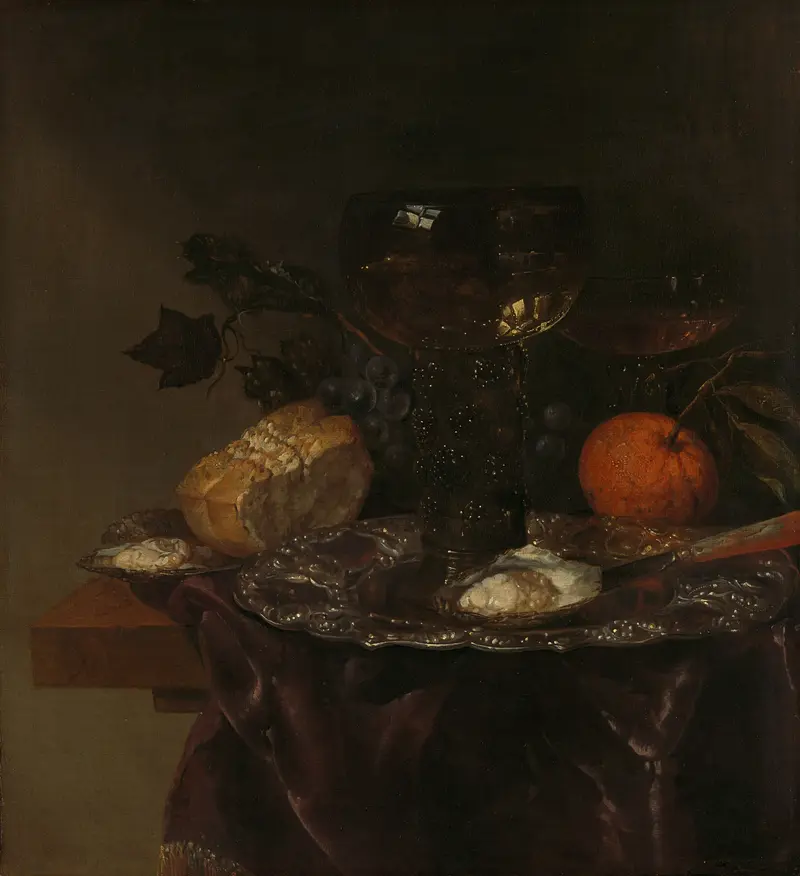
Still Life
Abraham van Beyeren
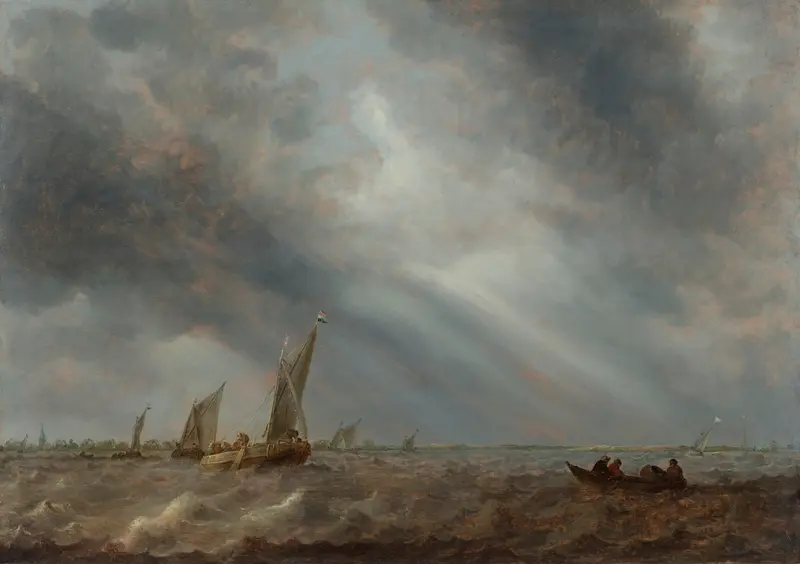
Various sailing vessels and a rowing boat with fishermen on choppy waters under a stormy sky
Abraham van Beyeren
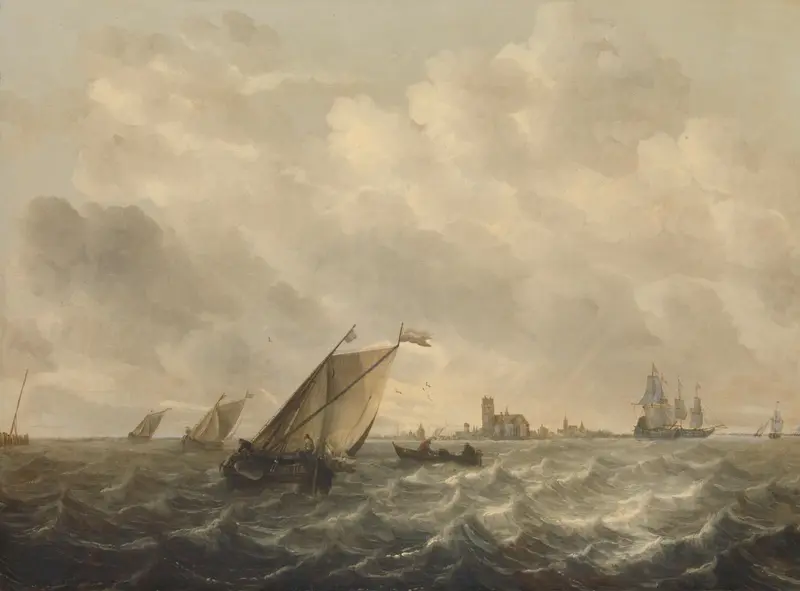
River View
Abraham van Beyeren
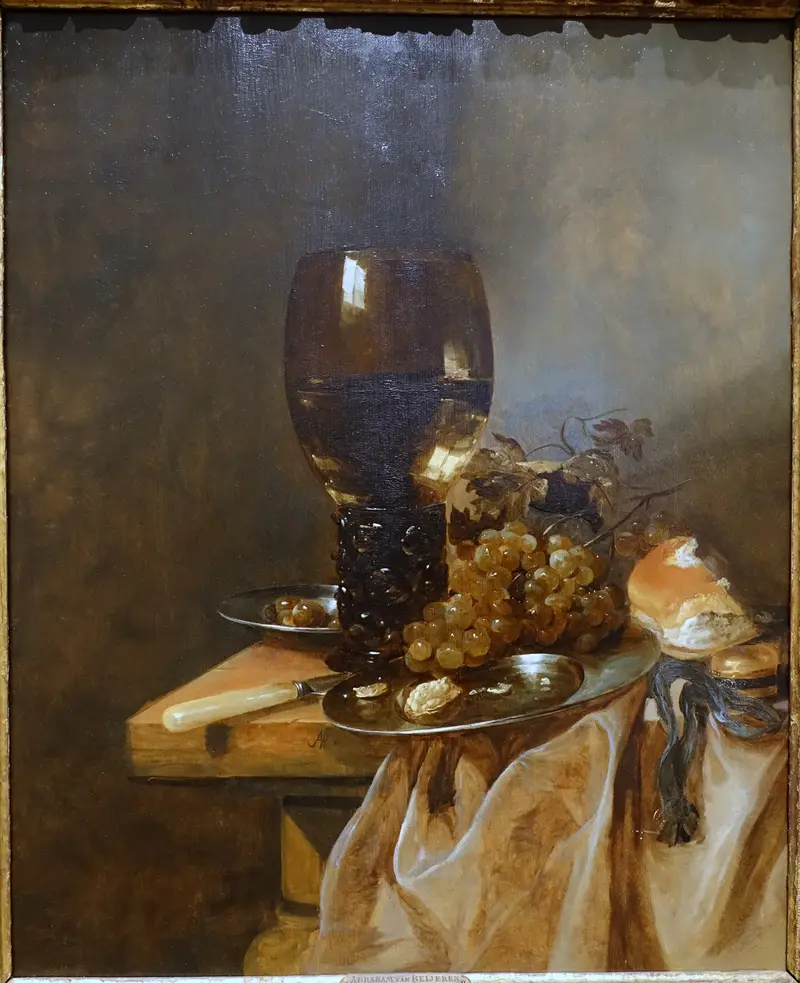
A Roemer with Grapes, a Pewter Plate and a Roll
Abraham van Beyeren
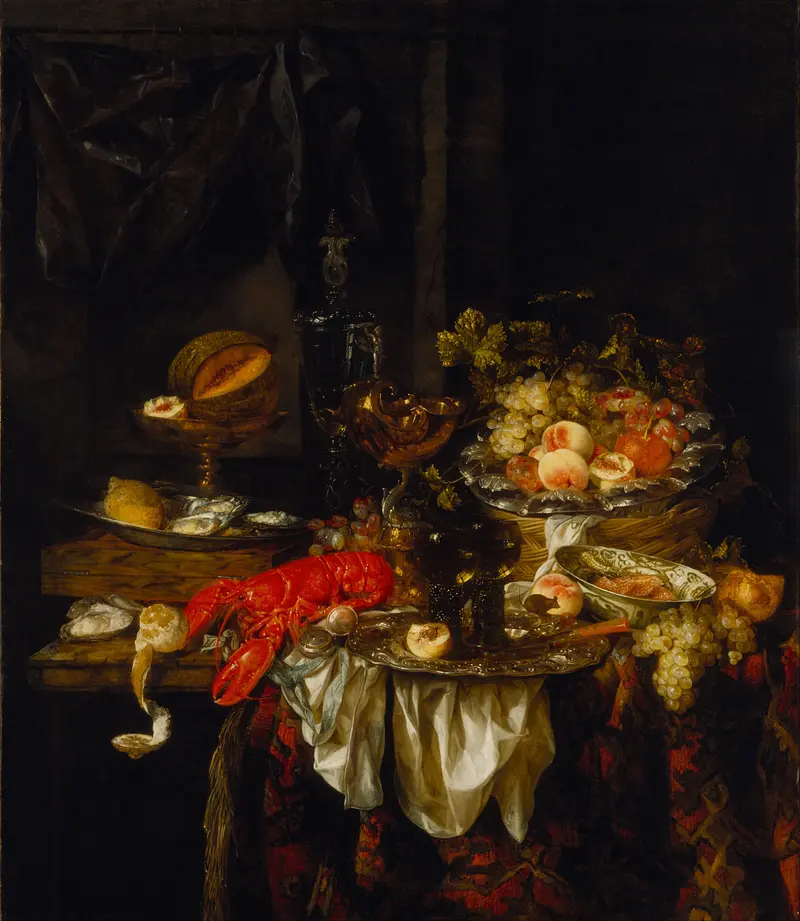
Banquet Still Life
Abraham van Beyeren
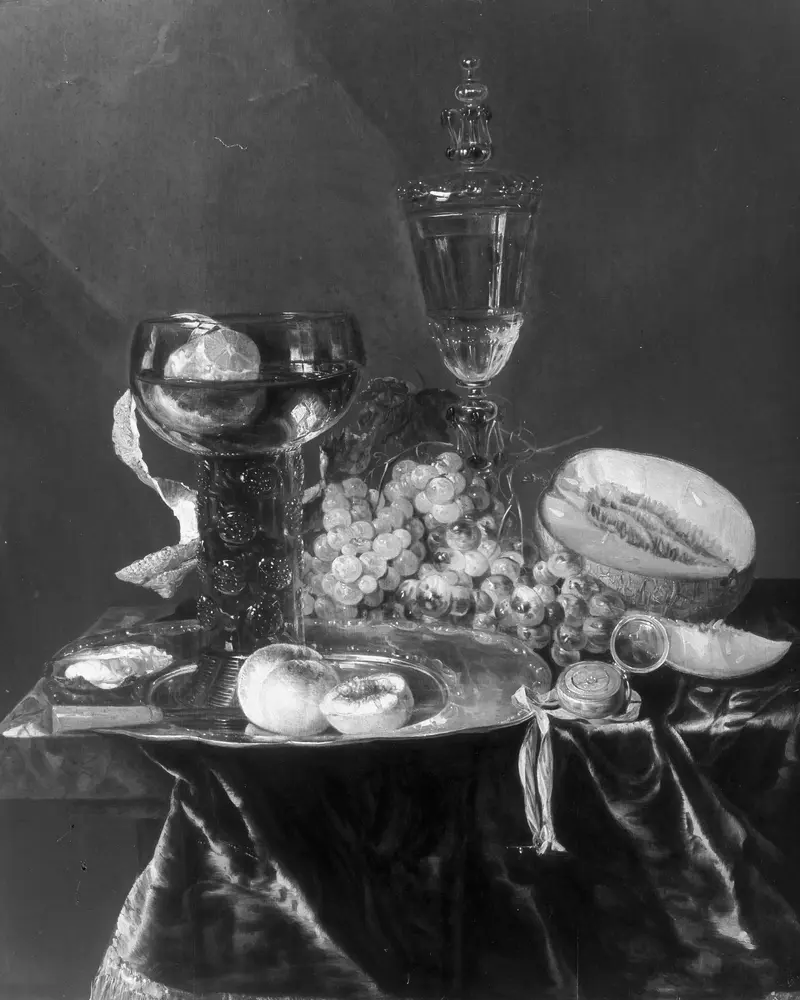
Still life with a glass lid goblet
Abraham van Beyeren
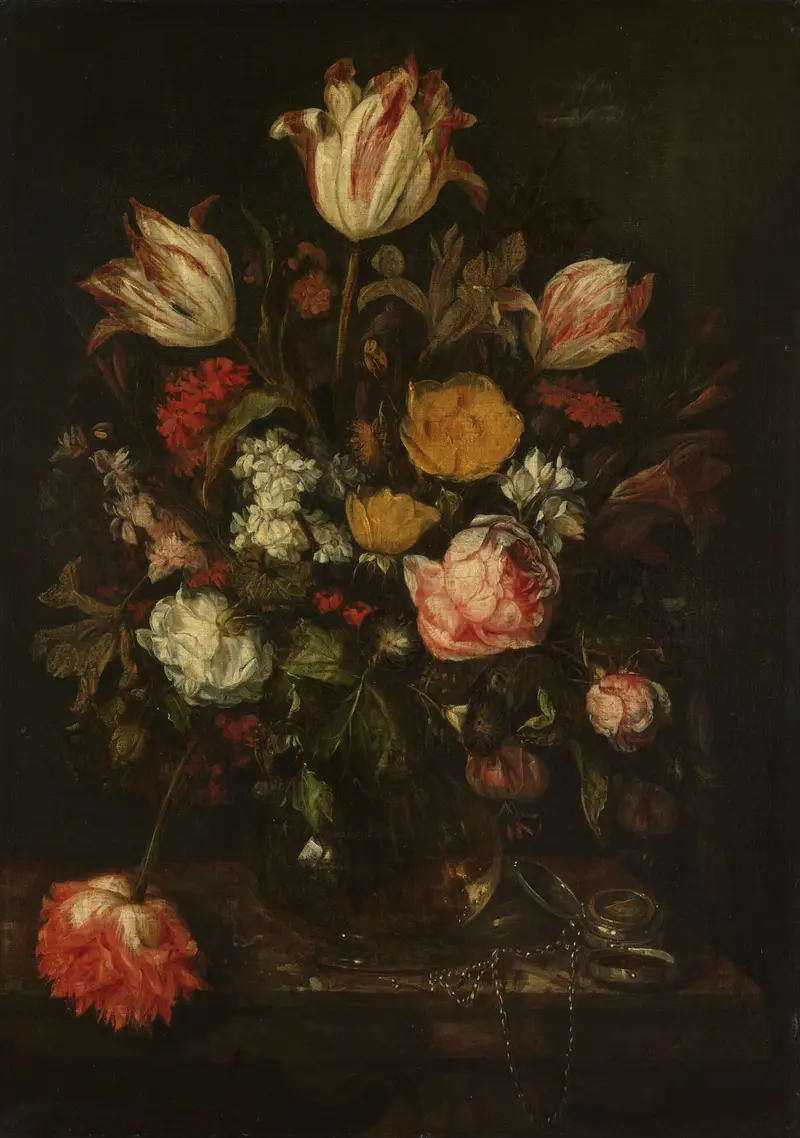
Still life with flowers
Abraham van Beyeren
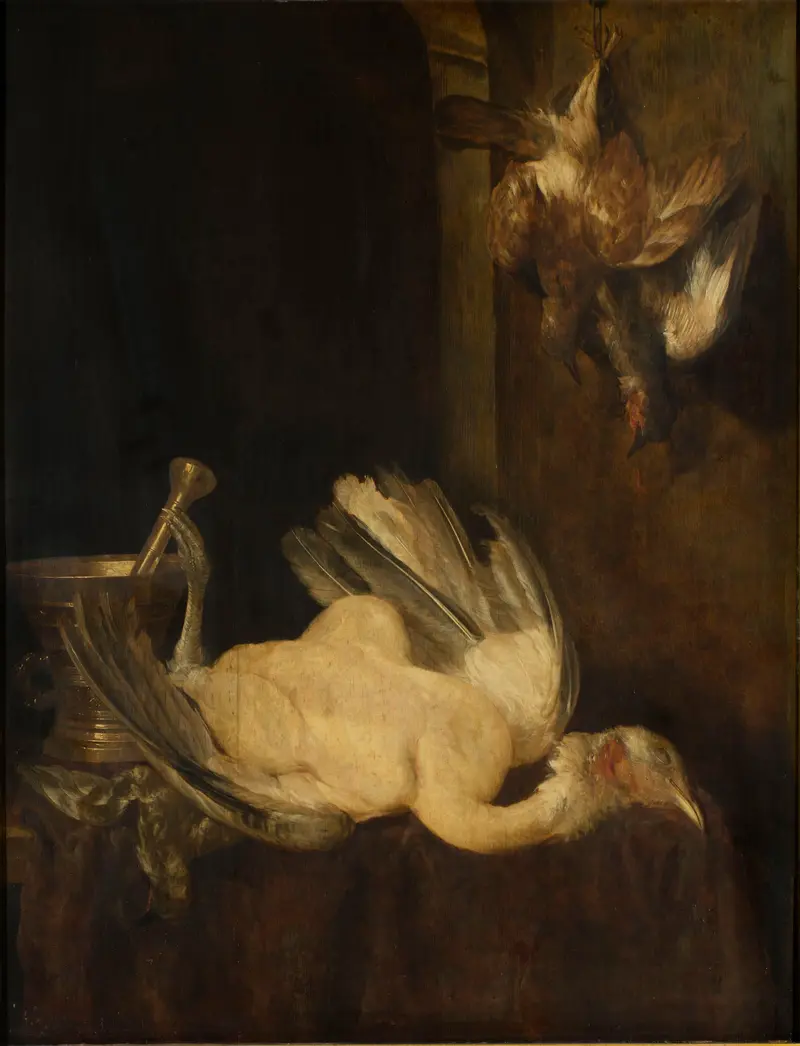
Still life with dead birds
Abraham van Beyeren
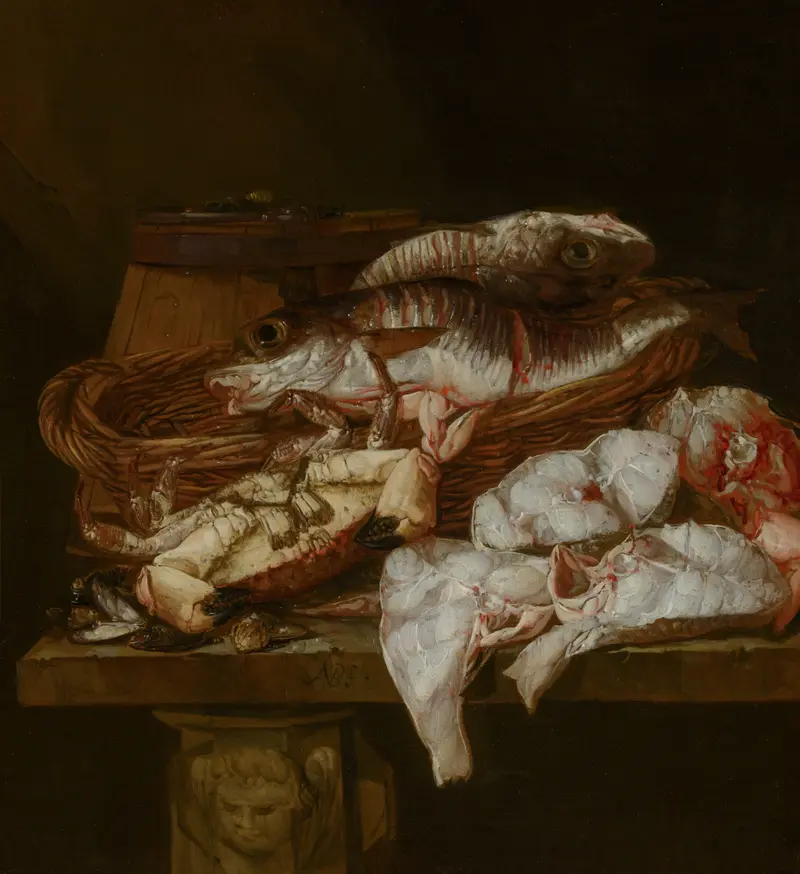
Still Life with Seafood
Abraham van Beyeren





