
Stürmische See (Bewegte See) — History & Facts
When did color learn to lie? In Stürmische See (Bewegte See), the chaos of nature unfolds with an unrestrained vibrancy, beckoning us to confront the tempest within ourselves. Look to the left at the tumultuous waves, thickly painted with deep blues and grays that swirl in violent motion. The sea, alive with energy, contrasts with the sky, where dappled patches of light hint at both beauty and impending storm. The luminous strokes of white create a dance of foam, while the angular composition pulls us into the maelstrom, capturing the raw emotions of tumult and uncertainty. The artwork embodies the tension between chaos and calm, reflecting the unpredictable essence of life itself.
The stark differences in color and texture evoke feelings of both fear and wonder, as nature displays its duality — nurturing yet destructive. The horizon, teetering on the edge of light and dark, mirrors our own struggles, reminding us how beauty often emerges from the heart of chaos. Created in 1871, this piece marked a period of intense exploration for Narcisse-Virgile Diaz de La Peña, who was deeply influenced by the Romantic movement. During this time, the artist was navigating his own artistic evolution, embracing the spontaneity and emotional depth that characterized the era.
Coupled with the post-war turbulence of the late 19th century, the painting channels a collective yearning for understanding amidst chaos, leaving viewers to ponder their own turbulent seas.
More Artworks by Narcisse-Virgile Diaz de La Peña
Browse all →
Forest Scene
Narcisse-Virgile Diaz de La Peña
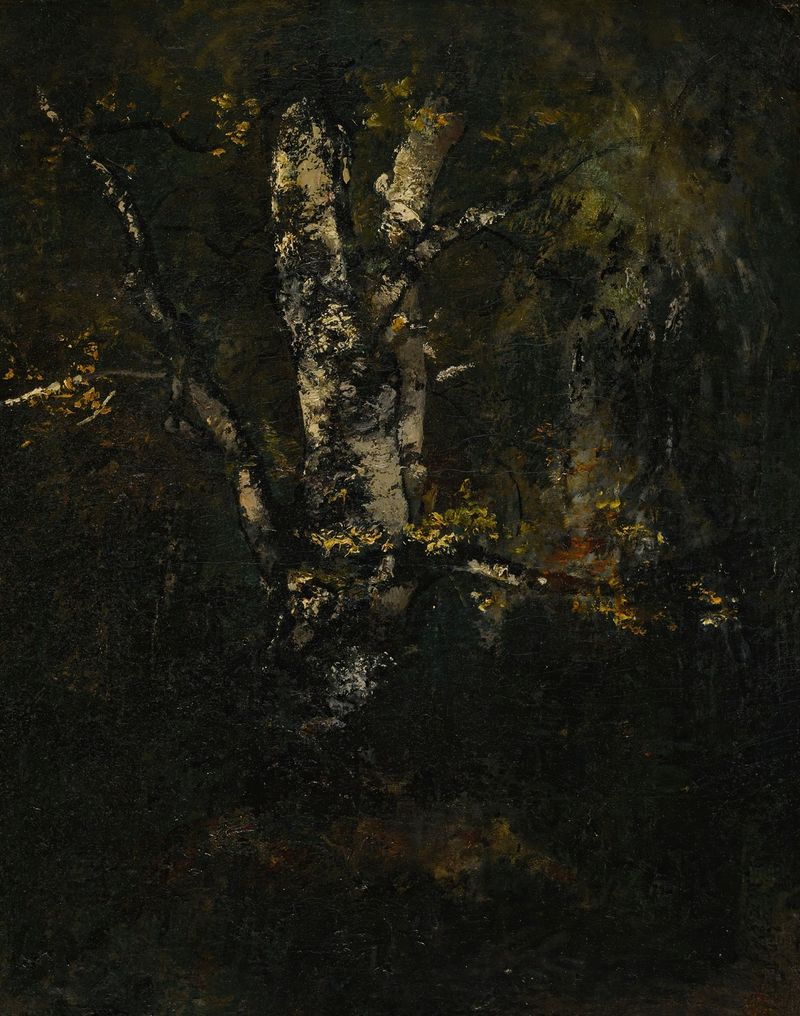
Vieux Troncs De Hêtres
Narcisse-Virgile Diaz de La Peña
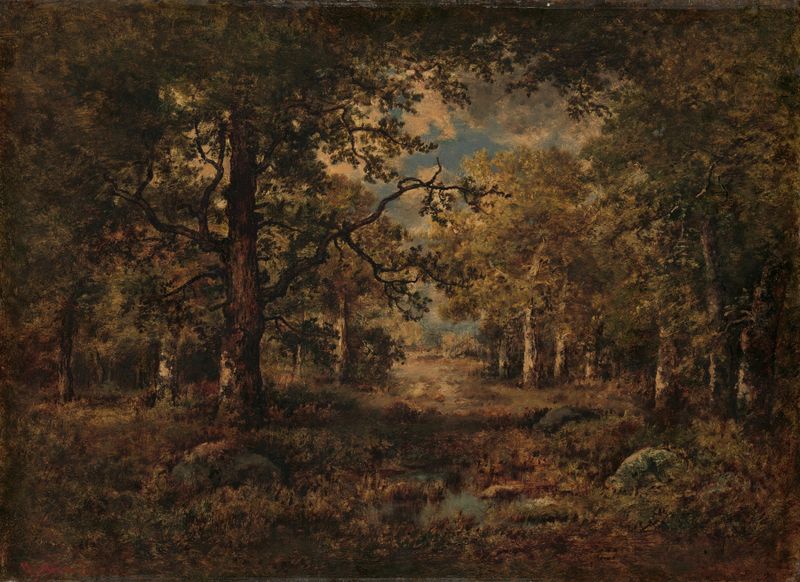
A Vista through Trees; Fontainebleau
Narcisse-Virgile Diaz de La Peña
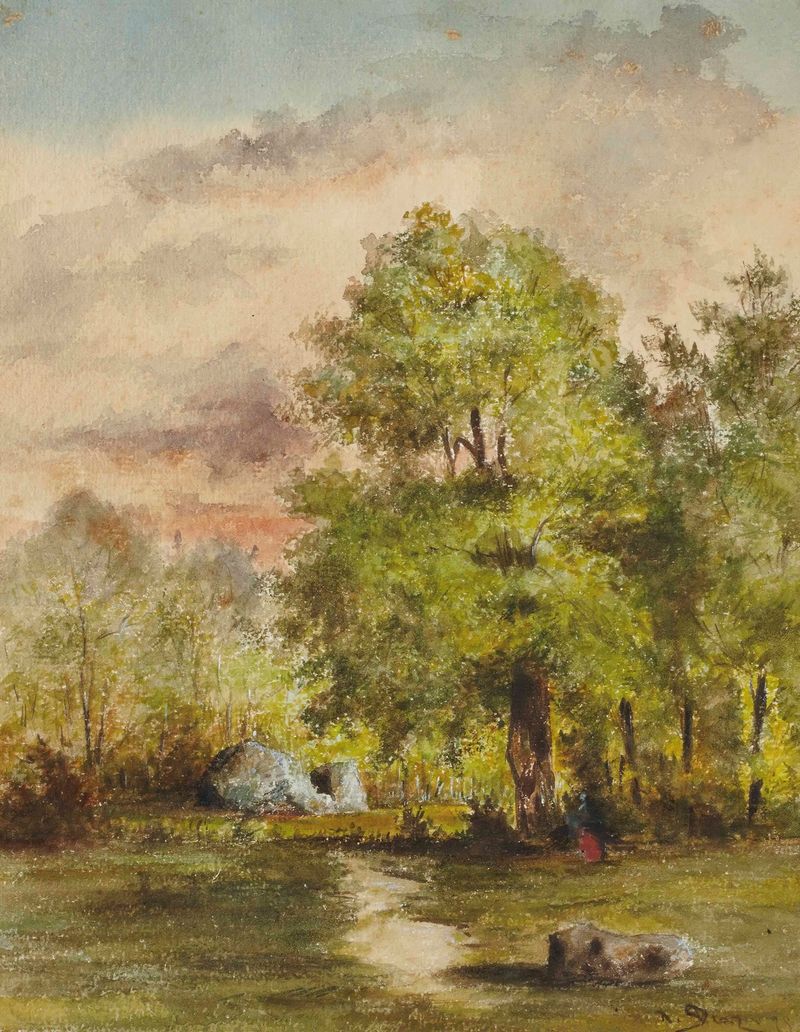
Vue d’une clairière
Narcisse-Virgile Diaz de La Peña

Pond in the Woods
Narcisse-Virgile Diaz de La Peña
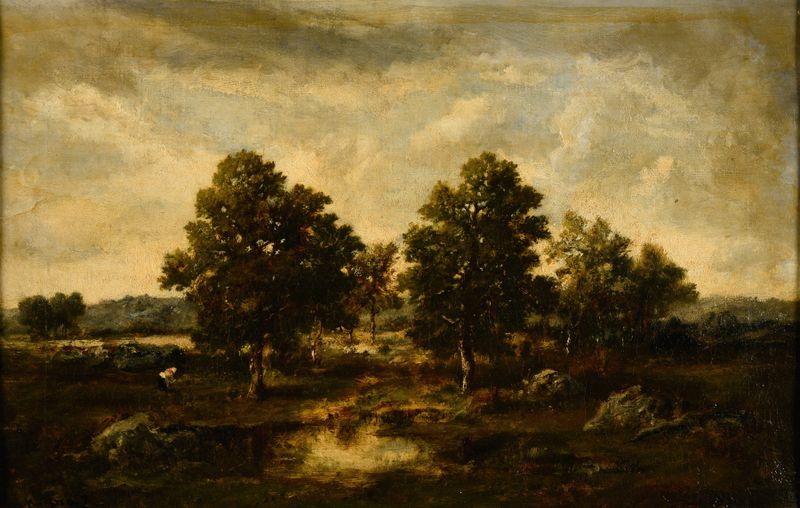
Mare dans une lande
Narcisse-Virgile Diaz de La Peña
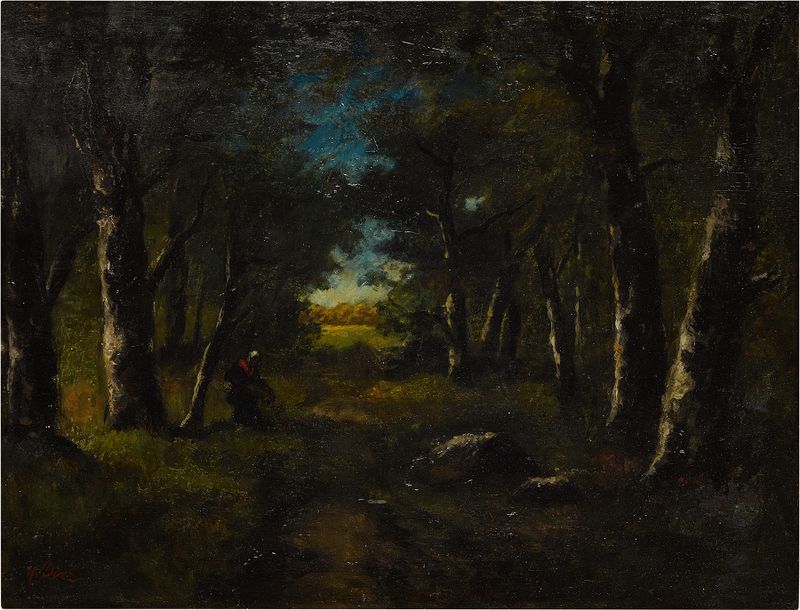
Foraging in the Forest
Narcisse-Virgile Diaz de La Peña
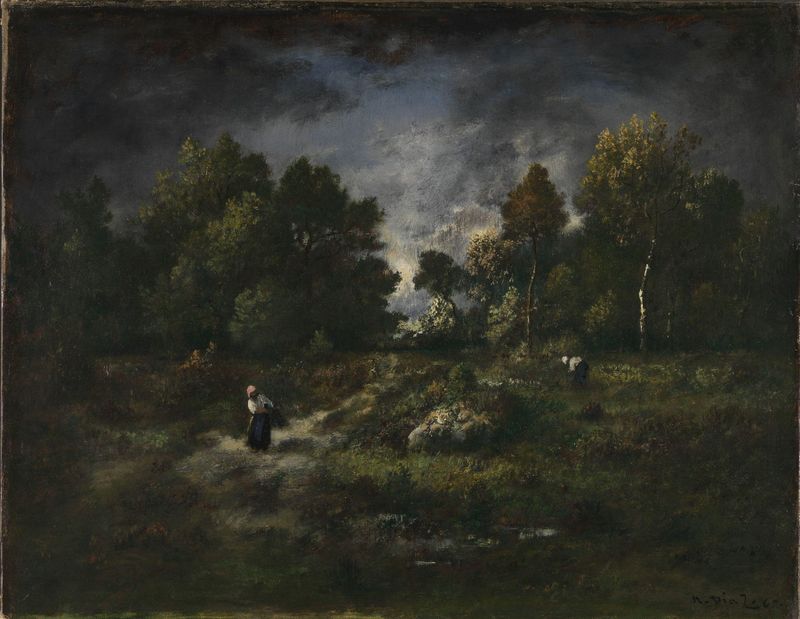
Faggot Gatherers in a Wooden Landscape
Narcisse-Virgile Diaz de La Peña
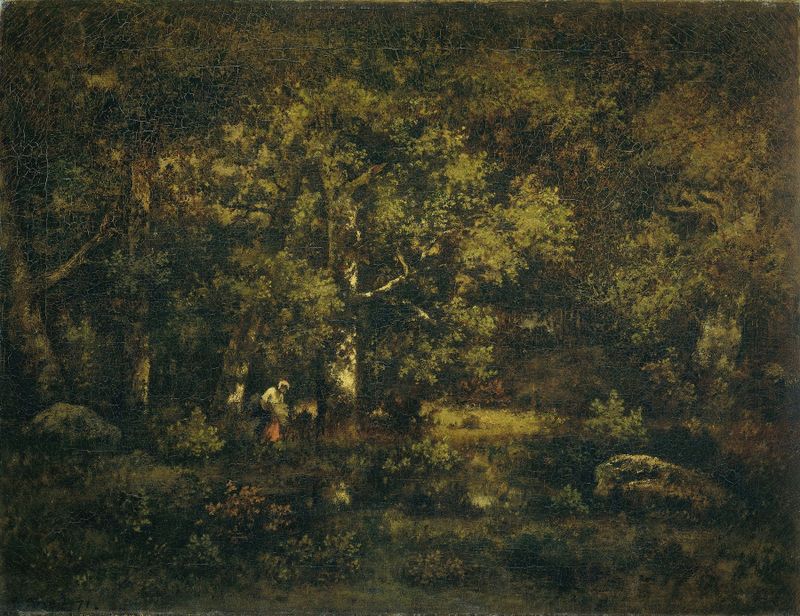
The Forest of Fontainebleau
Narcisse-Virgile Diaz de La Peña

Sous-bois
Narcisse-Virgile Diaz de La Peña





