Studie zu Aschenbrödel — History & Facts
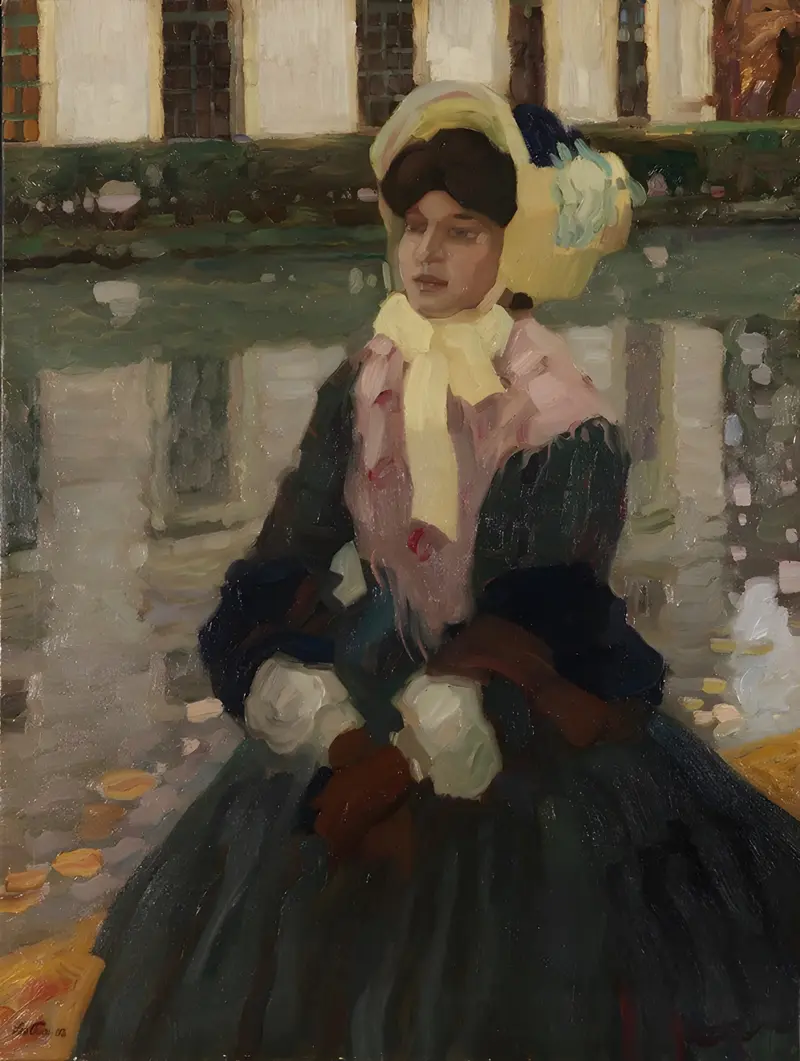
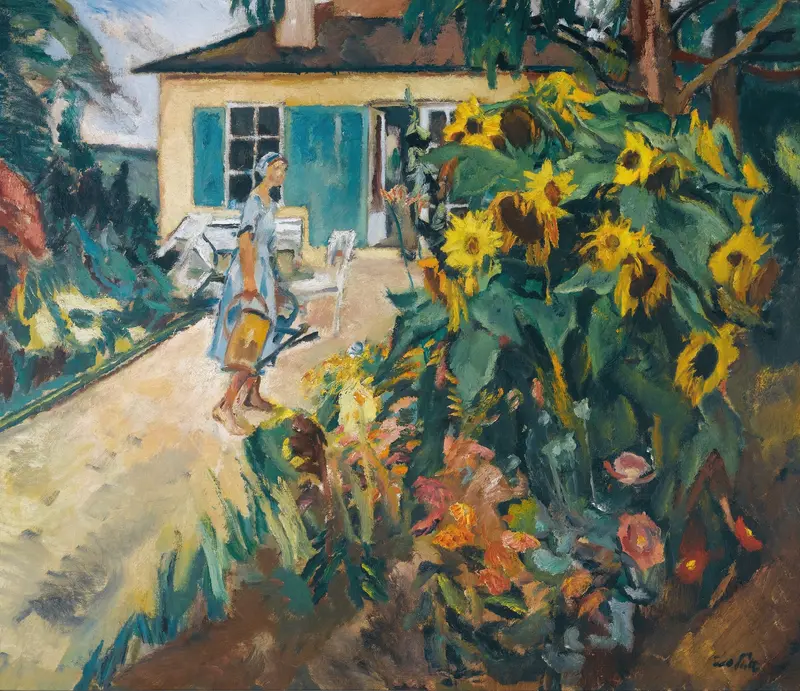
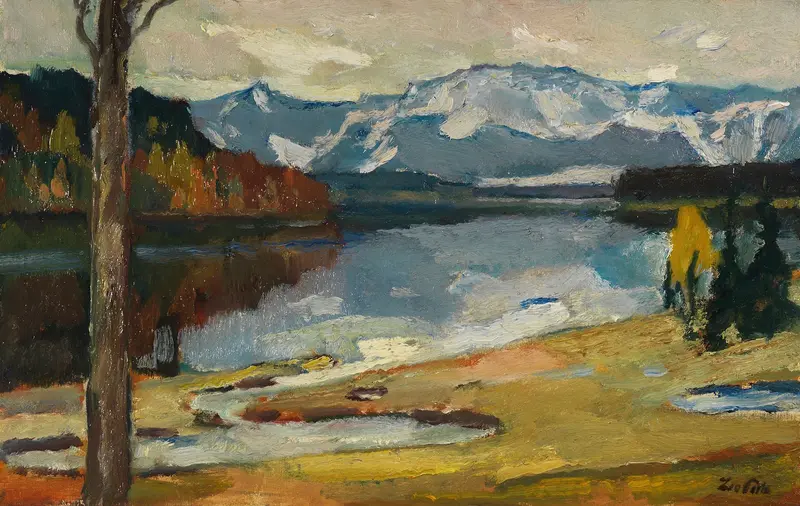
In Studie zu Aschenbrödel, Leo Putz presents a figure in a lush, natural setting. The colors are vibrant, with greens and browns dominating the landscape. The figure, likely inspired by folklore, is depicted in a flowing dress, blending harmoniously with the surroundings.
The overall composition evokes a sense of tranquility and connection to nature. The painting is executed in oil on canvas, showcasing Putz's skill in capturing light and texture. The brushwork is fluid, allowing for a dynamic interplay of colors that enhances the natural elements. The figure's pose is relaxed, suggesting a moment of contemplation or daydreaming.
Viewers can appreciate the attention to detail in both the figure and the environment. Leo Putz was known for his figurative works that often drew from folklore and mythology. Studie zu Aschenbrödel reflects his interest in narrative and character, typical of his style during the 1920s. An interesting fact about this work is that it serves as a study for a larger piece, showcasing Putz's process of developing his ideas.
This painting exemplifies the blend of modernist techniques with traditional themes.