
Study of a man in profile with a view to the composition of Jupiter and Thetis — History & Facts
Few preparatory sketches have achieved such renown as Study of a man in profile with a view to the composition of Jupiter and Thetis, a work that offers a rare window into the creative process of Jean Auguste Dominique Ingres at the very moment he was shaping his ambitions for the Prix de Rome. Drawn in 1810, this study was not a finished painting intended for public display, but rather a private tool—one of many—through which Ingres refined the monumental forms that would later appear in his celebrated Jupiter and Thetis. The profile captured here is widely believed to be an early conception for the god Jupiter, a figure whose authority and detachment would dominate the final composition. The myth at the heart of the finished painting is one of desperate pleading: Thetis, a mortal mother, begs Jupiter to intervene in the fate of her son Achilles during the Trojan War.
Ingres chooses the moment of supplication, when Thetis clasps Jupiter’s knees, her gaze imploring, while the god remains aloof and inscrutable. In this study, the focus is entirely on Jupiter’s profile—his heavy brow, strong nose, and calm, almost indifferent expression. The careful rendering of the head and neck, with their classical proportions, reveals Ingres’s debt to ancient sculpture and his admiration for artists like Raphael, whose serene figures also convey power through restraint rather than action. As a physical object, this study is typical of the many drawings Ingres produced while preparing his compositions, a testament to his rigorous academic training and his relentless pursuit of ideal form.
The exact medium of this work is not always specified, but it is likely graphite or charcoal on paper, in keeping with his other studies from this period. Originally kept in the artist’s studio, such drawings were rarely seen by the public in Ingres’s lifetime, but have since become prized for the insight they offer into his working methods. Today, the study is preserved in a public collection, allowing viewers to trace the evolution of one of Neoclassicism’s defining images, and to witness the careful deliberation that underpinned Ingres’s grand historical narratives.
More Artworks by Jean Auguste Dominique Ingres
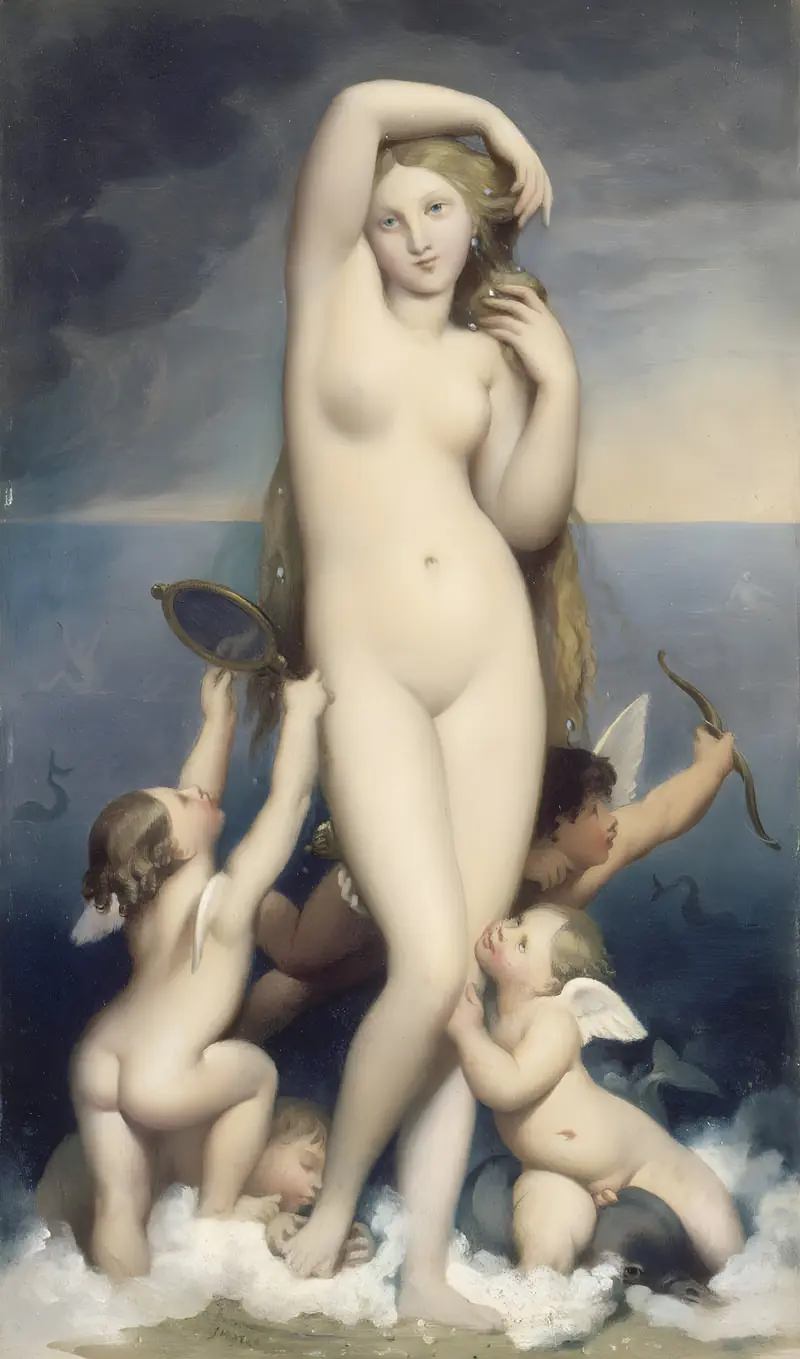
Vénus anadyomène
Jean Auguste Dominique Ingres
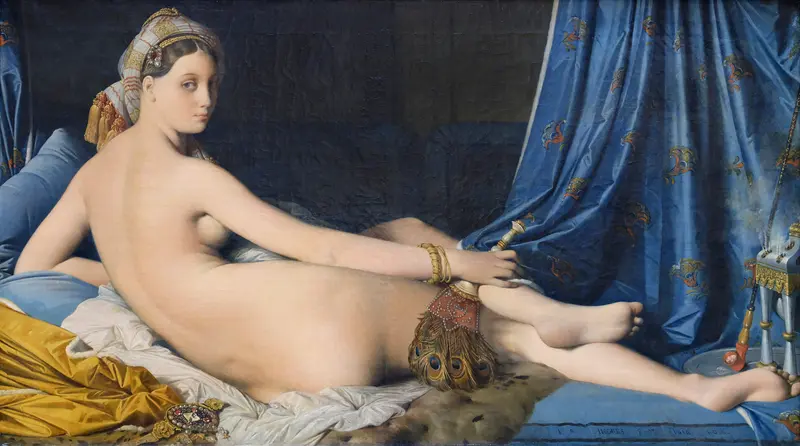
Grande Odalisque
Jean Auguste Dominique Ingres
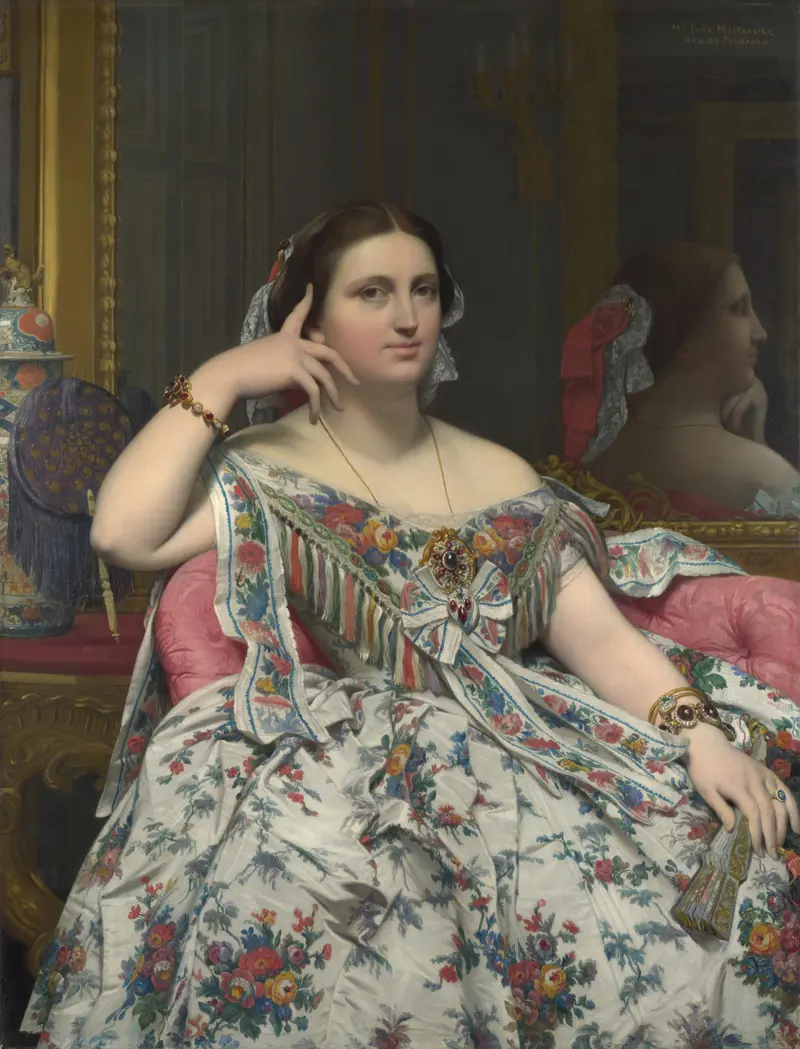
Madame Moitessier (seated)
Jean Auguste Dominique Ingres
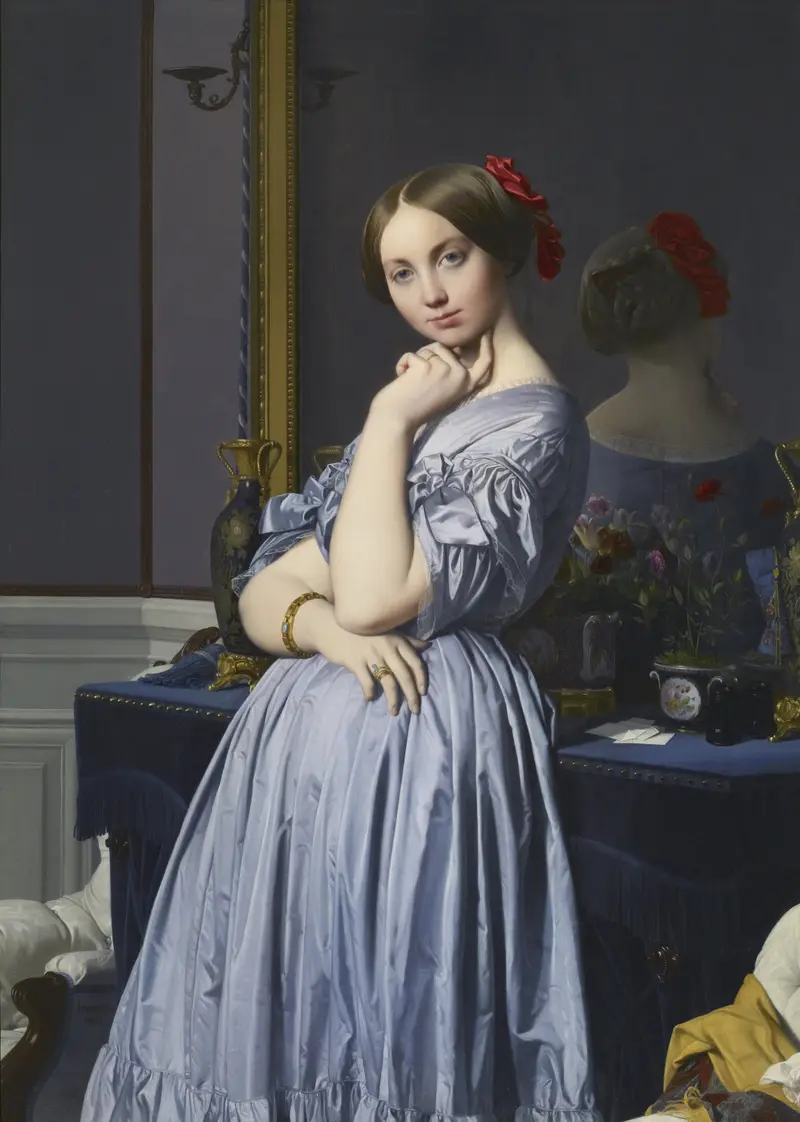
Portrait of Comtesse d’Haussonville
Jean Auguste Dominique Ingres
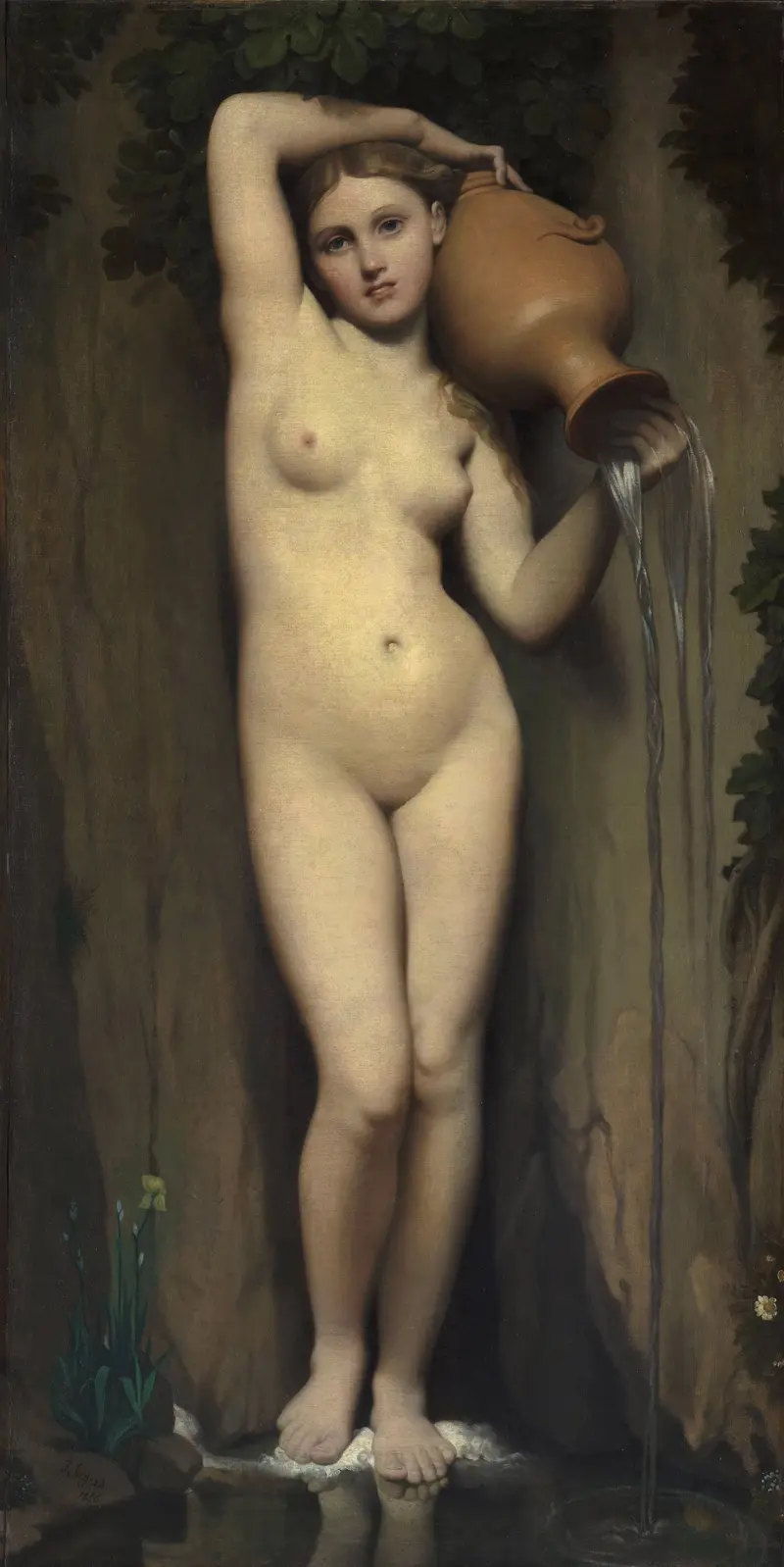
The Source
Jean Auguste Dominique Ingres
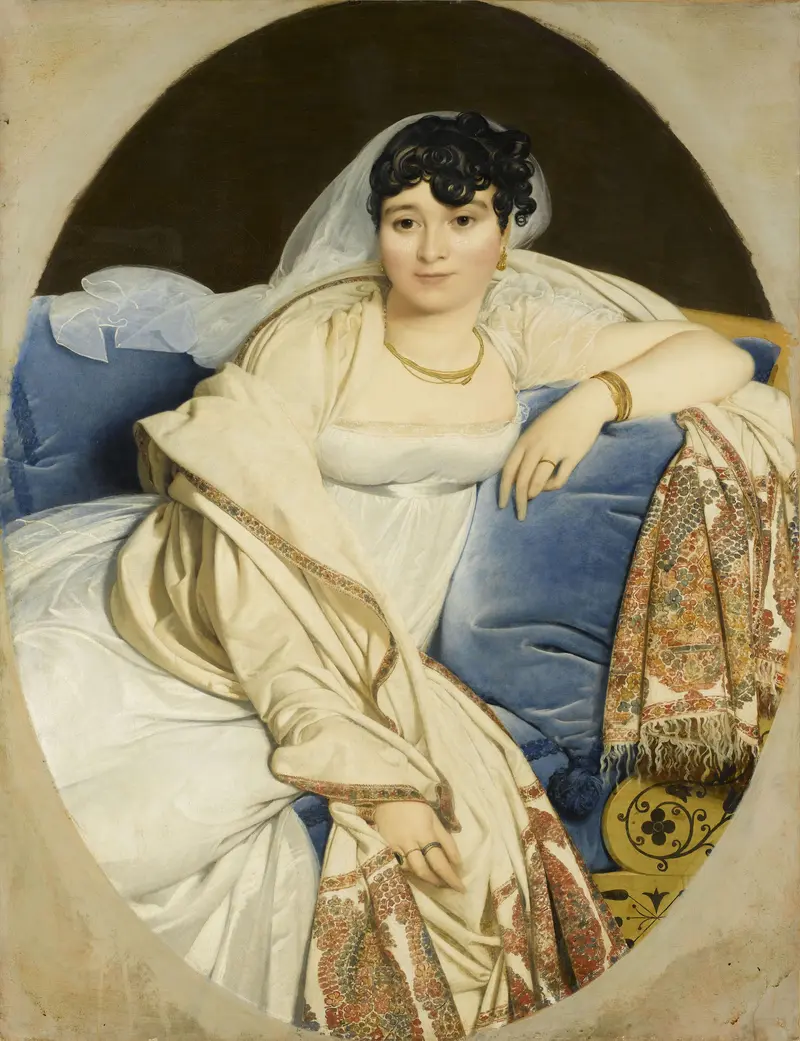
Madame Rivière
Jean Auguste Dominique Ingres

Madame Jean-Auguste-Dominique Ingres, née Madeleine Chapelle
Jean Auguste Dominique Ingres

Portrait of a Lady
Jean Auguste Dominique Ingres
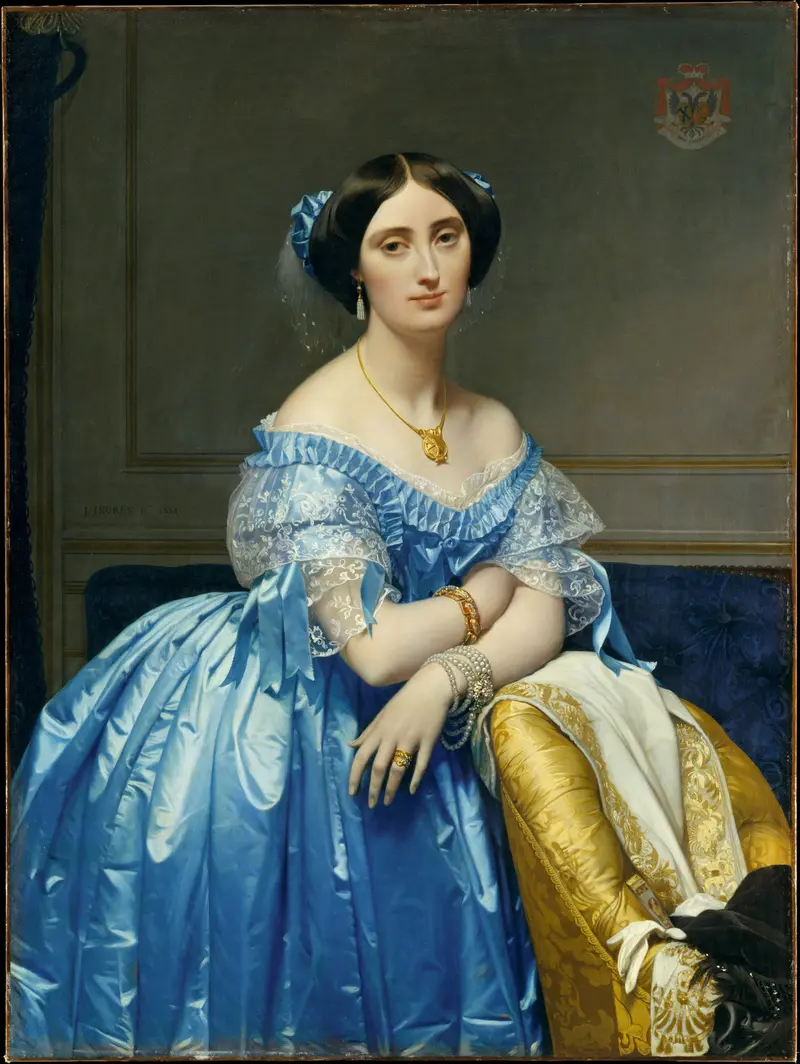
Joséphine-Éléonore-Marie-Pauline de Galard de Brassac de Béarn (1825–1860), Princesse de Broglie
Jean Auguste Dominique Ingres
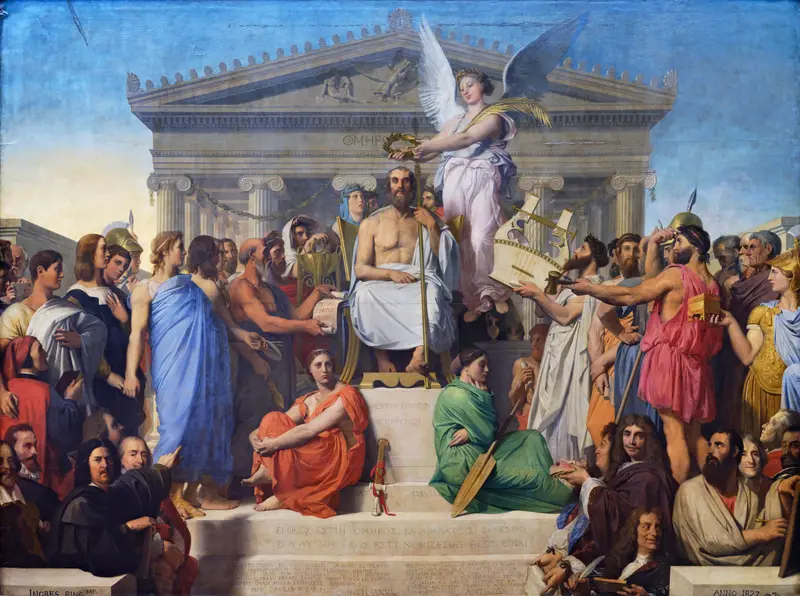
The Apotheosis of Homer
Jean Auguste Dominique Ingres




