
Study of a nude man — History & Facts
No other artist of the early nineteenth century so fiercely pursued the truth of the human body as Théodore Géricault. His relentless study of anatomy, often from live models and even corpses, shocked his contemporaries and fed directly into his most famous works. Study of a nude man belongs to this feverish period of investigation, when Géricault was preparing for ambitious projects like The Raft of the Medusa and sought to capture every nuance of muscle, tension, and vulnerability.
The exact date and purpose of this study remain uncertain, but its intensity and realism mark it as part of the artist’s quest to push beyond the academic conventions of his time. The figure in Study of a nude man is caught in a moment of raw exposure: the body twisted, muscles taut, the play of shadow and light revealing both strength and fragility. There is no narrative setting, no myth or legend to shield the viewer from the directness of the gaze. Instead, the painting becomes a confrontation with the very nature of humanity—flesh, bone, and emotion rendered with almost clinical precision.
Unlike the idealized nudes of Ingres, Géricault’s study is unvarnished, the imperfections and individuality of the model preserved. The stark lighting, likely from a single source, carves the form from darkness, emphasizing the weight and presence of the body. As with many of Géricault’s studies, the history of this work is fragmentary. It is not clear whether it was created for a specific commission or as part of the artist’s private exploration of anatomy.
Such studies were rarely exhibited in his lifetime, often remaining in the studio or circulating among fellow artists and students. Today, works like Study of a nude man are prized for their insight into Géricault’s working process and the radical honesty he brought to the human form. Its current location is not always fixed, as these studies sometimes appear in exhibitions or private collections, but each appearance deepens our understanding of Géricault’s restless genius.
More Artworks by Théodore Géricault
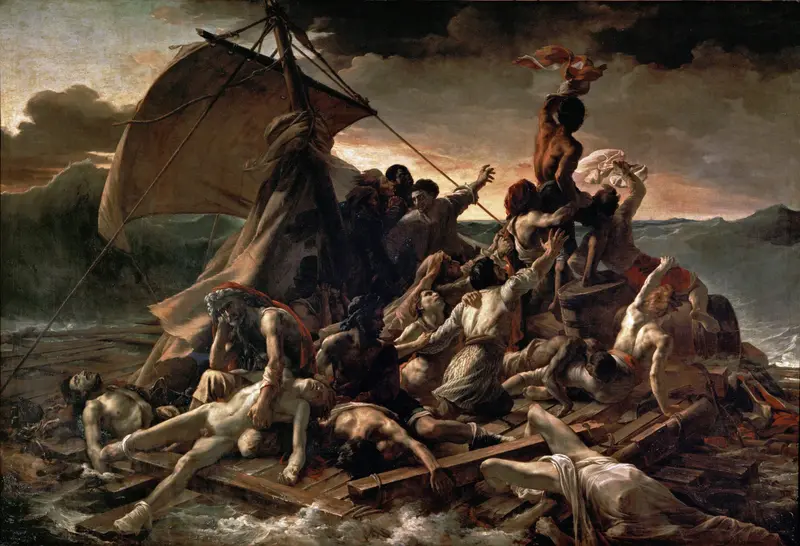
The Raft of the Medusa
Théodore Géricault

Géricault - Le naufrage du radeau de la Méduse, MBA 790
Théodore Géricault
Cattle Market
Théodore Géricault
Evening; Landscape with an Aqueduct
Théodore Géricault
Horse Race
Théodore Géricault

Horses Standing in a Mews
Théodore Géricault
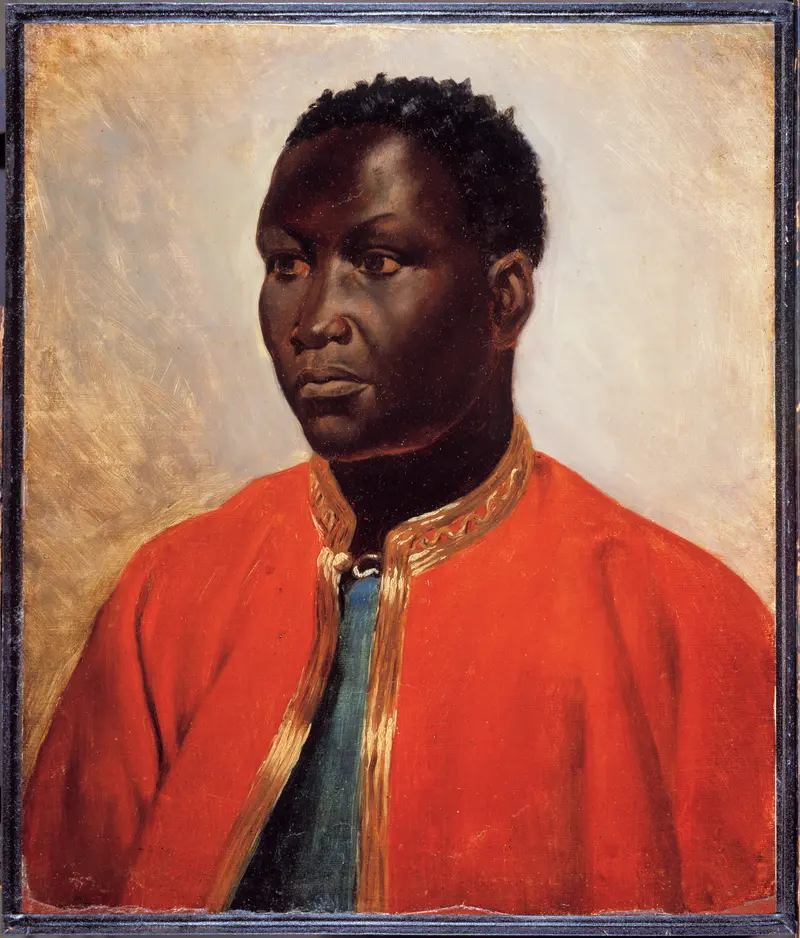
Portrait of a Negro
Théodore Géricault
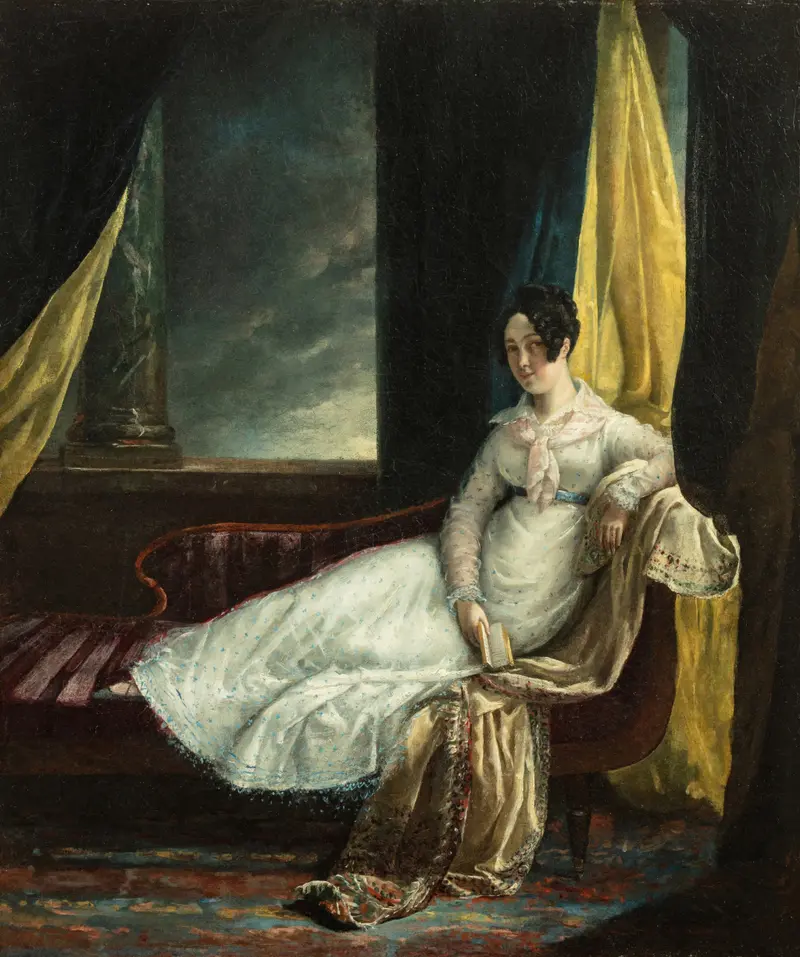
Portrait of Zoë Elmore
Théodore Géricault
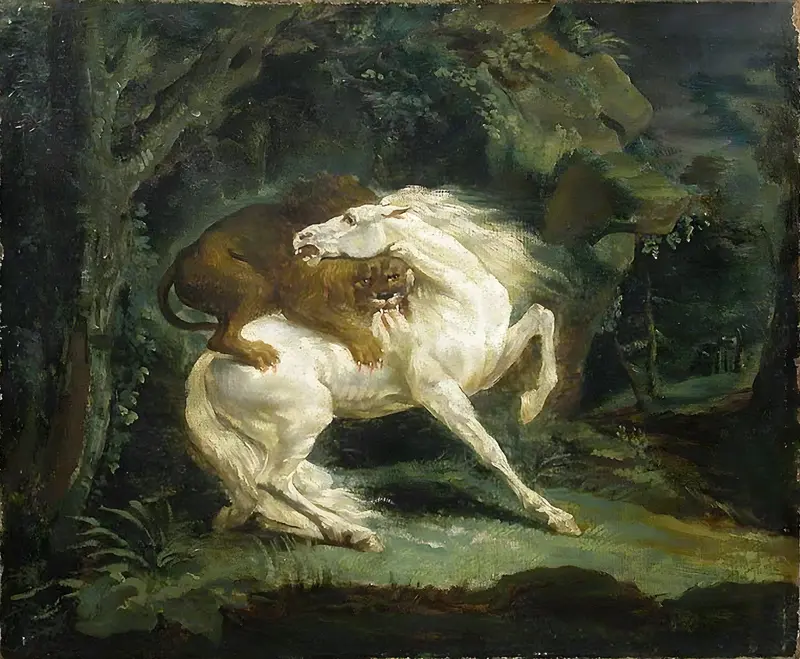
Cheval attaqué par un lion
Théodore Géricault
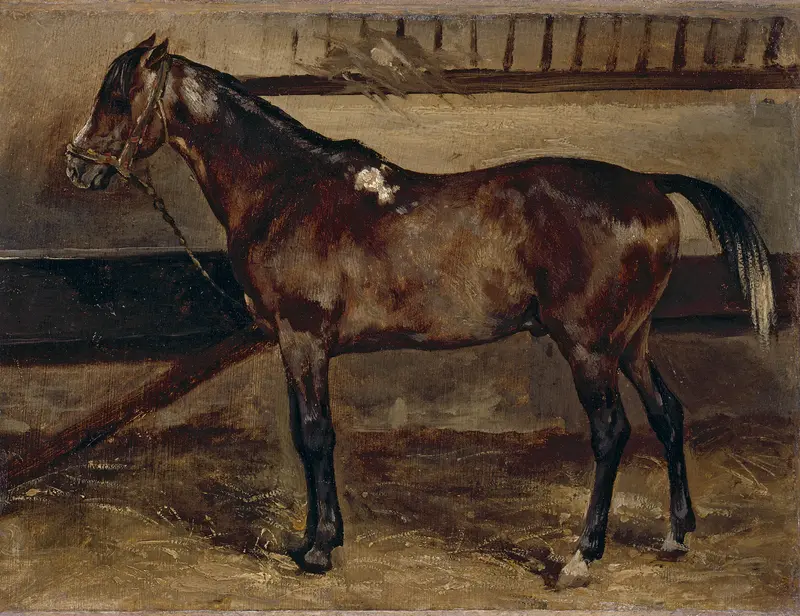
Cheval brun à l'écurie
Théodore Géricault



