
Study of Trees — History & Facts
In the quiet embrace of nature, fragility intertwines with permanence, revealing the essence of life in all its forms. Look closely at the vibrant greens and earthy browns that swirl together, pulling your gaze towards the heart of the composition. Notice how the bold brushstrokes create a lively texture, inviting you to explore the undulating foliage. The trees, stoic yet softened by Cézanne’s hand, seem to lean into one another, their trunks almost dancing, while dappled light filters through, casting playful shadows that reveal the ephemeral nature of each leaf. Amidst this lush portrayal, contrasts emerge; the sturdy trunks juxtapose the delicate branches that sway in a gentle breeze, symbolizing resilience and vulnerability.
The use of color speaks volumes: the darker hues anchor the composition, while brighter accents illuminate the fragility of life, reflecting the transient beauty of the natural world. Here, trees become more than mere subjects; they transform into metaphors for endurance amidst change. In 1904, Cézanne was at a pivotal point in his career, establishing himself as a precursor to modernism. Living in Aix-en-Provence, he immersed himself in the landscape that surrounded him, capturing the shifting light and the emotional weight of nature.
This period marked a transition in his work, where the focus on structure and form began to blend more deeply with the emotional resonance of his subjects, setting the stage for future generations of artists.
More Artworks by Paul Cezanne
Browse all →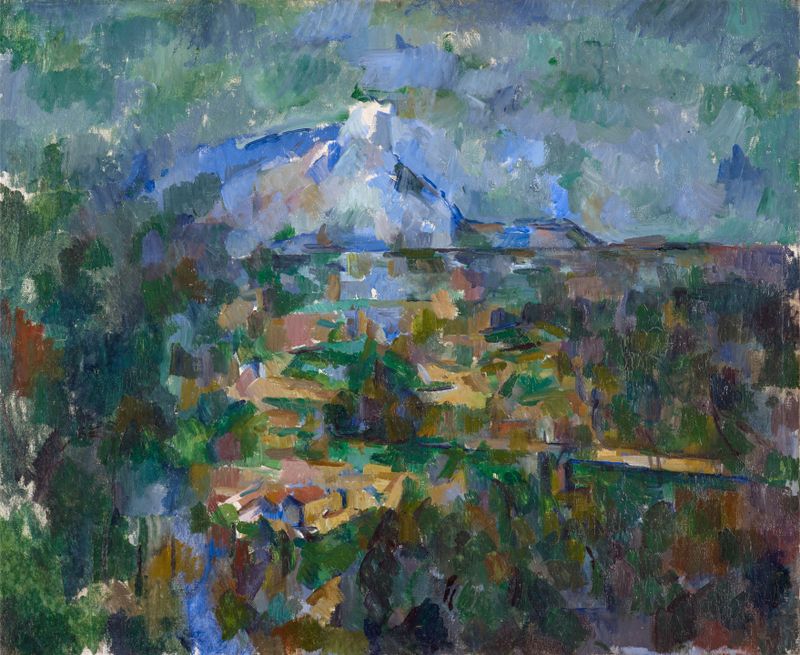
The Mont Sainte-Victoire Seen From Les Lauves
Paul Cezanne
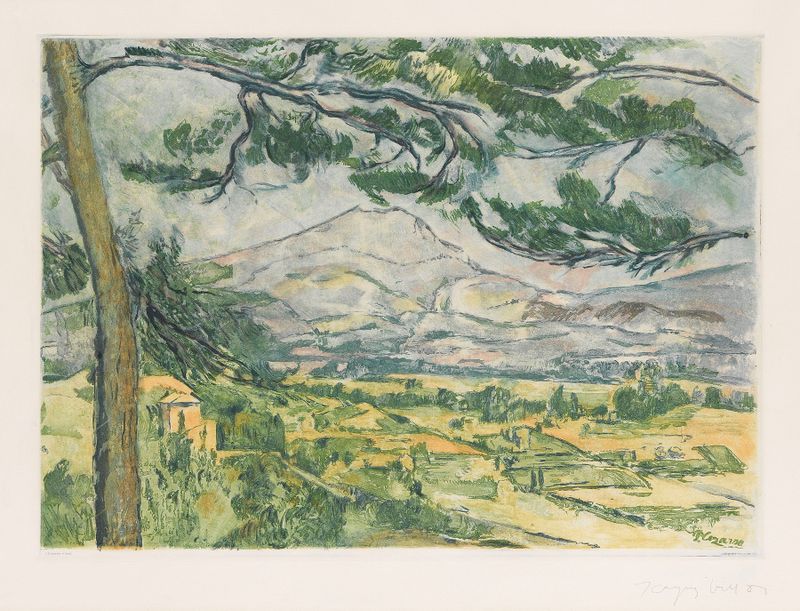
La Montagne Sainte-Victoire
Paul Cezanne
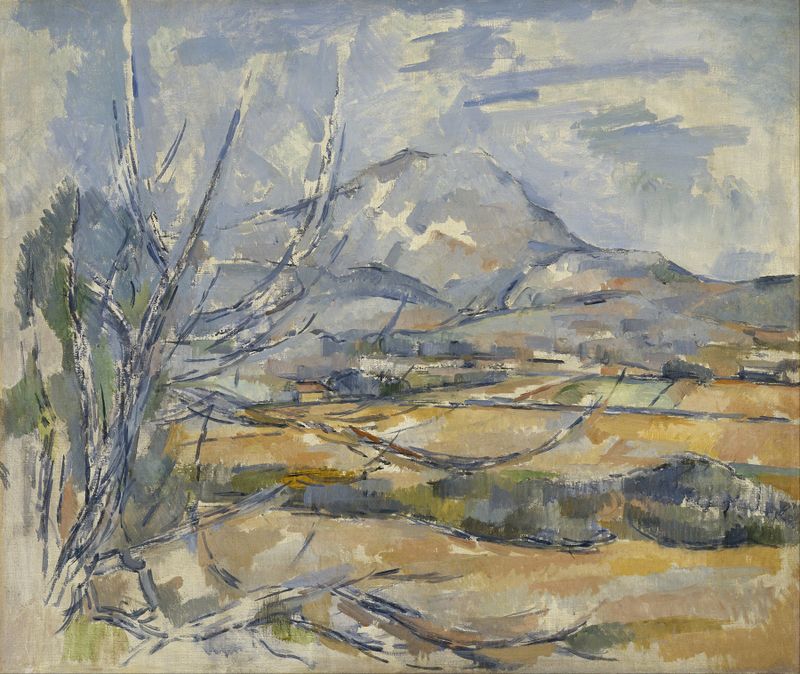
Montagne Sainte-Victoire
Paul Cezanne
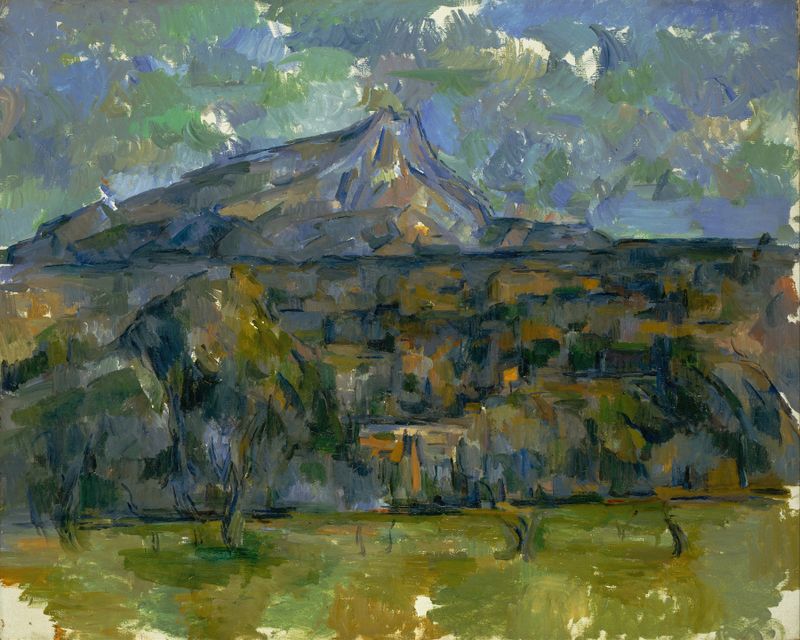
Mont Sainte-Victoire
Paul Cezanne
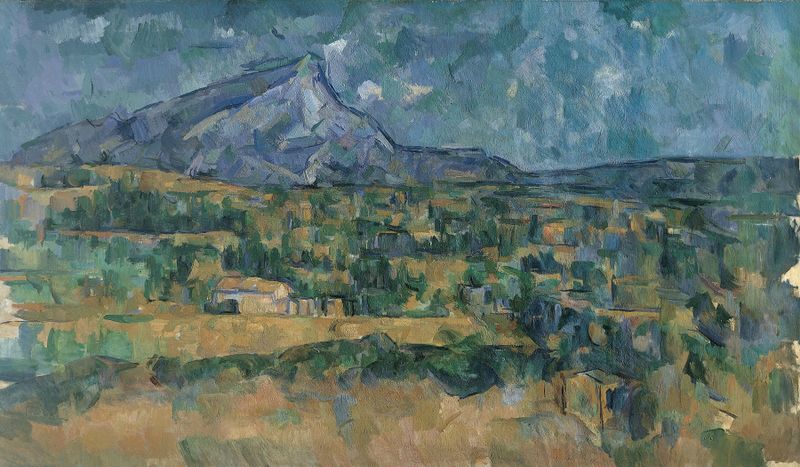
Mont Sainte-Victoire
Paul Cezanne
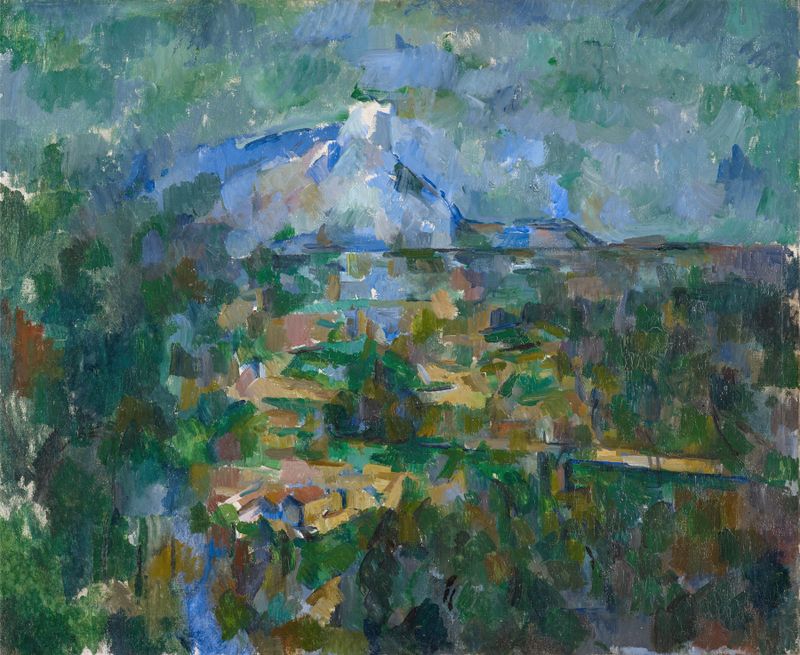
View of Mount Sainte-Victoire from Les Lauves
Paul Cezanne
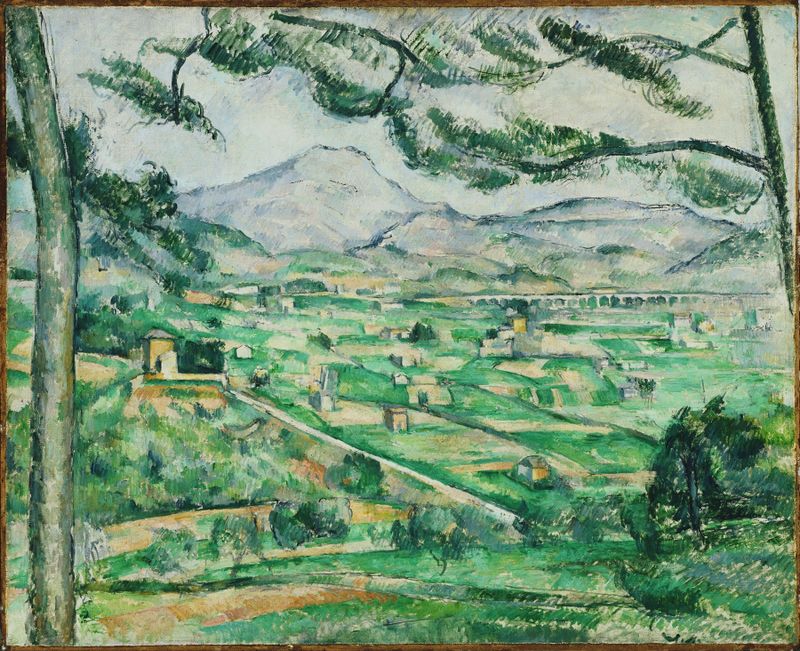
Mont Sainte-Victoire 2
Paul Cezanne

The Basket of Apples
Paul Cezanne

Mount Sainte-Victoire
Paul Cezanne
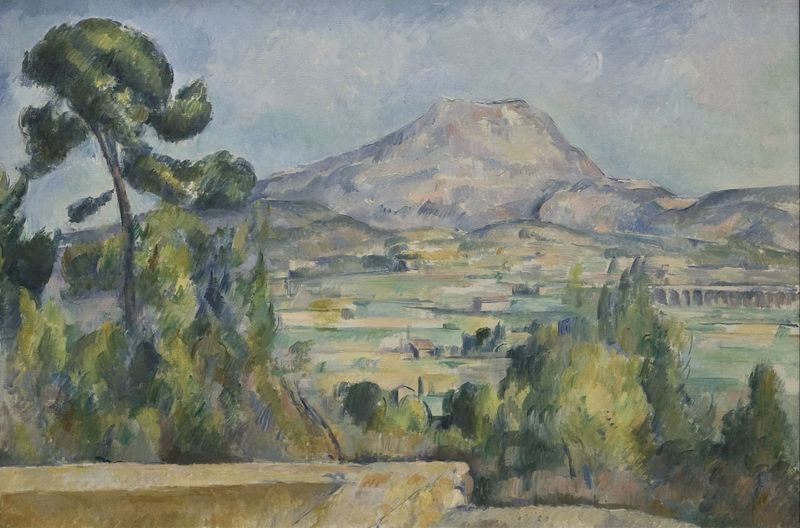
Montagne Saint-Victoire
Paul Cezanne





