
Study with a Riverview and Sailing Boat, Trees, Haystacks and a Mill — History & Facts
No one knows for certain when or why Gustave Van de Woestijne created Study with a Riverview and Sailing Boat, Trees, Haystacks and a Mill, and this uncertainty has made the work a touchstone for those fascinated by the artist’s shifting moods and influences. Unlike his more famous Symbolist portraits, this landscape study offers a rare glimpse into Van de Woestijne’s private explorations of the Flemish countryside—an environment he returned to repeatedly throughout his life. The absence of a date or commission has led some scholars to speculate that the painting was never intended for public exhibition, but rather as a personal meditation or preparatory sketch.
Its mysterious origins only deepen the intrigue surrounding its gentle, almost dreamlike composition. The scene unfolds along a riverbank, where a solitary sailboat glides across calm waters, flanked by clusters of trees and the geometric forms of haystacks. In the distance, a mill stands sentinel, its silhouette anchoring the composition and hinting at the rhythms of rural labor. Van de Woestijne’s brushwork is loose and searching, suggesting the fleeting quality of light and the ever-changing weather of Flanders.
The painting’s muted palette and careful arrangement of forms recall the quiet poetry of Camille Corot’s river studies, though Van de Woestijne’s treatment is more introspective, less concerned with topographical accuracy than with the atmosphere of a remembered place. Each element—a sail catching the wind, the stacked hay, the steadfast mill—serves as a symbol of the cycles of work and rest that shaped the artist’s world. As with many of Van de Woestijne’s landscapes, the provenance of Study with a Riverview and Sailing Boat, Trees, Haystacks and a Mill remains obscure. There is no record of a patron or early exhibition, and the painting’s medium is undocumented, though it is likely oil or watercolor on paper, in keeping with his other studies.
Over the years, the work has quietly circulated among private collections, surfacing occasionally in retrospectives dedicated to the artist’s lesser-known output. Today, it stands as a testament to Van de Woestijne’s deep attachment to the land of his birth, and to his ability to find meaning in the everyday sights of rural Belgium. Its modest scale and unfinished quality invite viewers to imagine the artist at work, capturing a fleeting moment before it slipped away.
More Artworks by Gustave Van de Woestijne
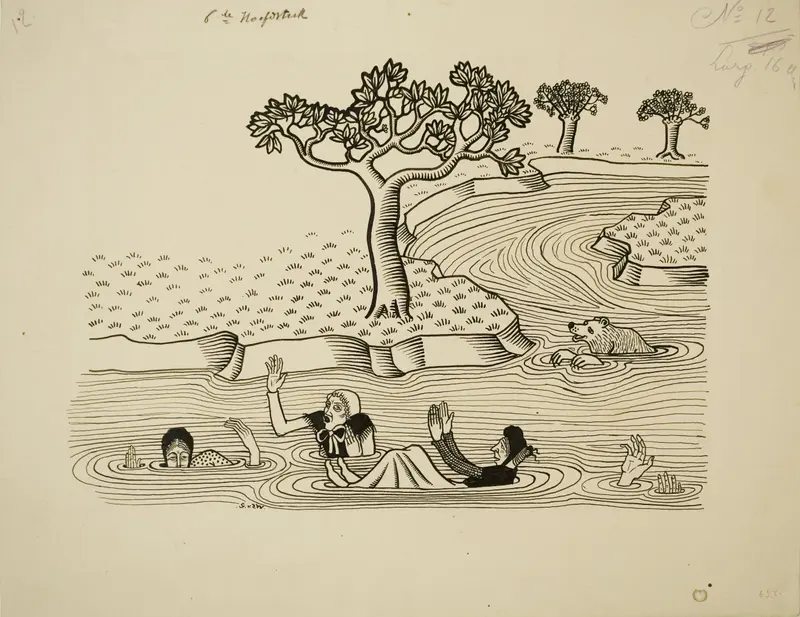
How Brown went out with Reynard where he thought he was eating honey and how he was caught by head and feet and suffered further misfortune
Gustave Van de Woestijne
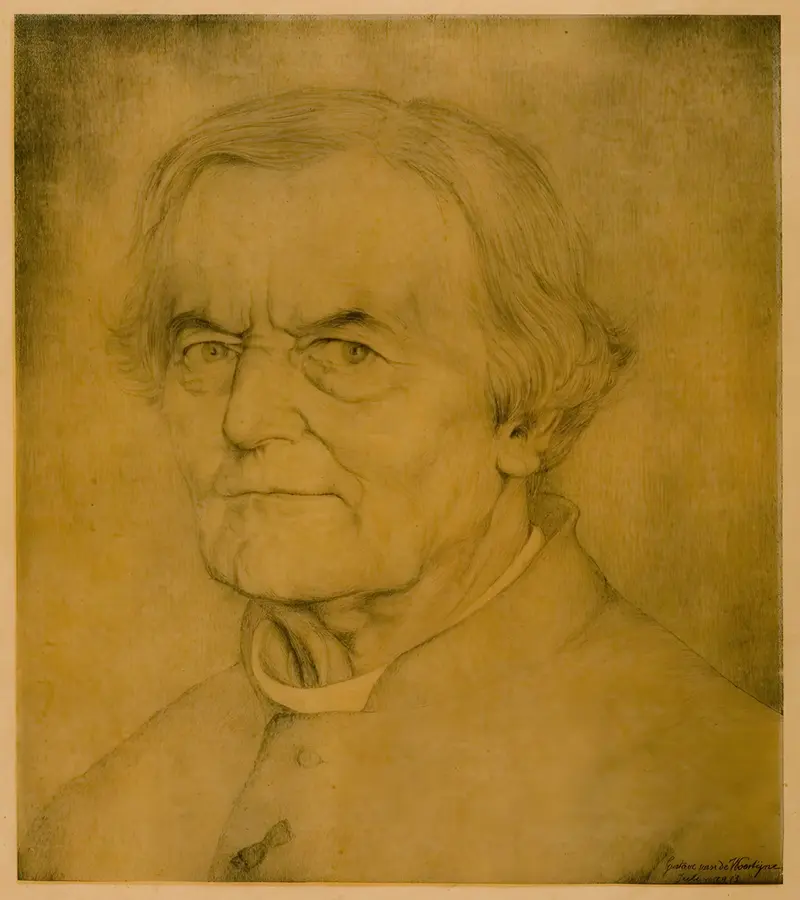
Portrait of Hugo Verriest
Gustave Van de Woestijne
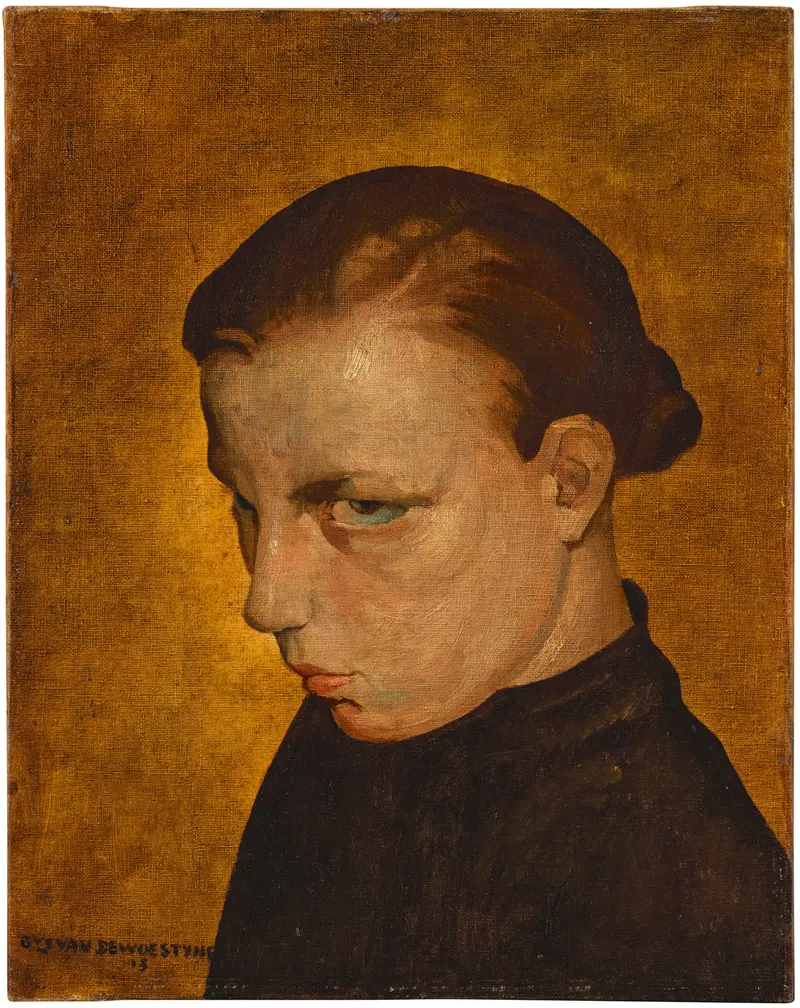
Angèle
Gustave Van de Woestijne
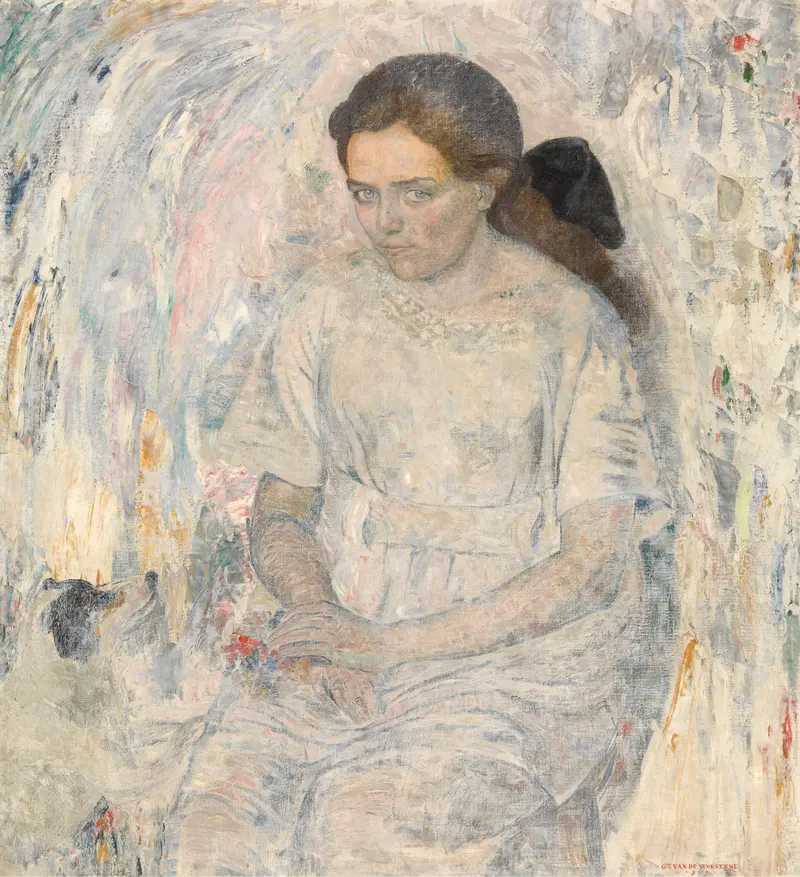
Adrienne
Gustave Van de Woestijne
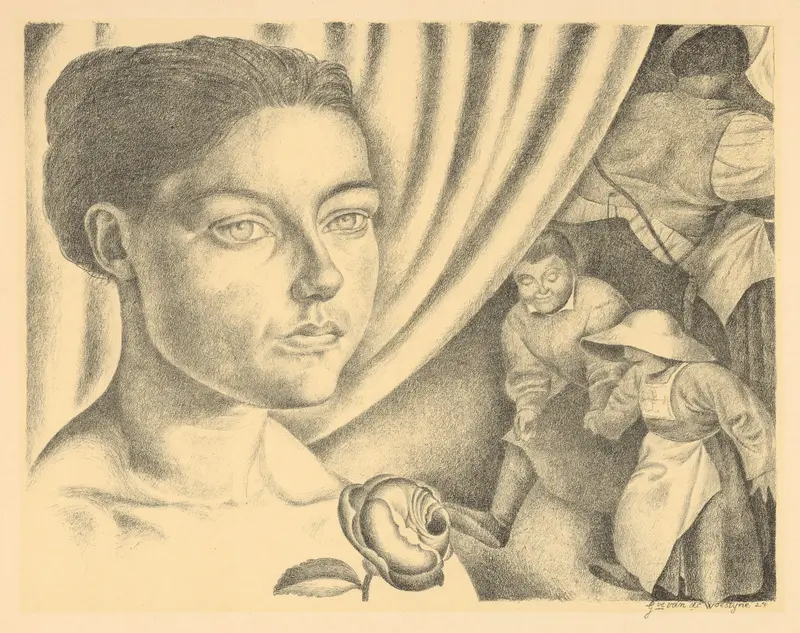
Jeune Femme
Gustave Van de Woestijne
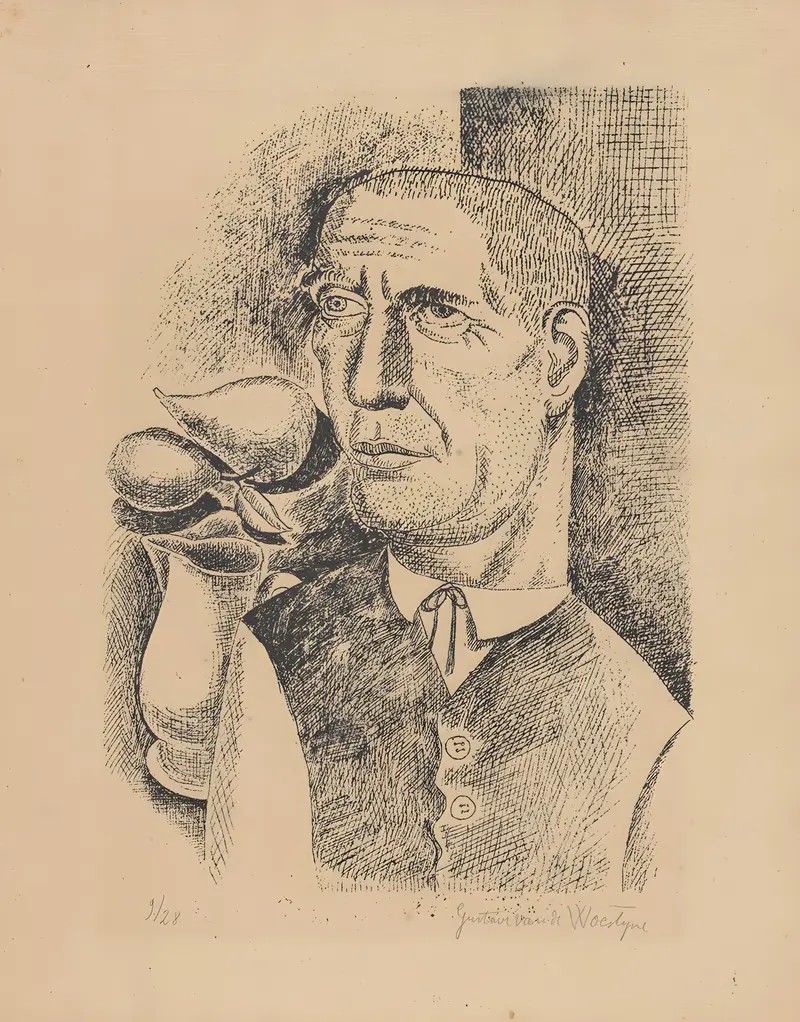
Boer op zijn zondags (Paysan endimanché)
Gustave Van de Woestijne
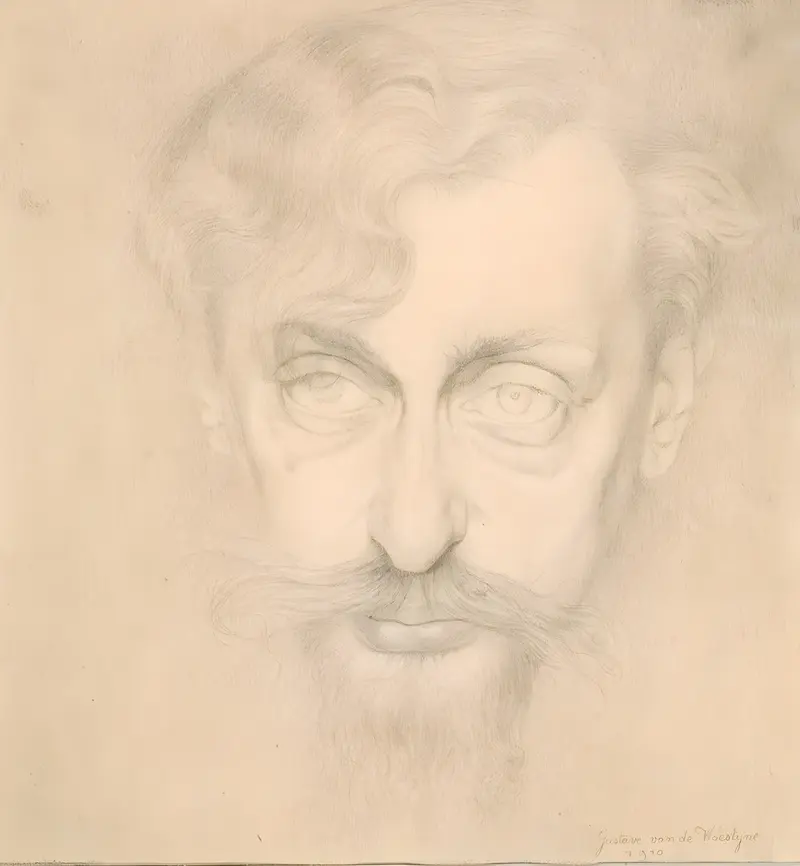
Portrait of the Writer Karel van de Woestijne
Gustave Van de Woestijne
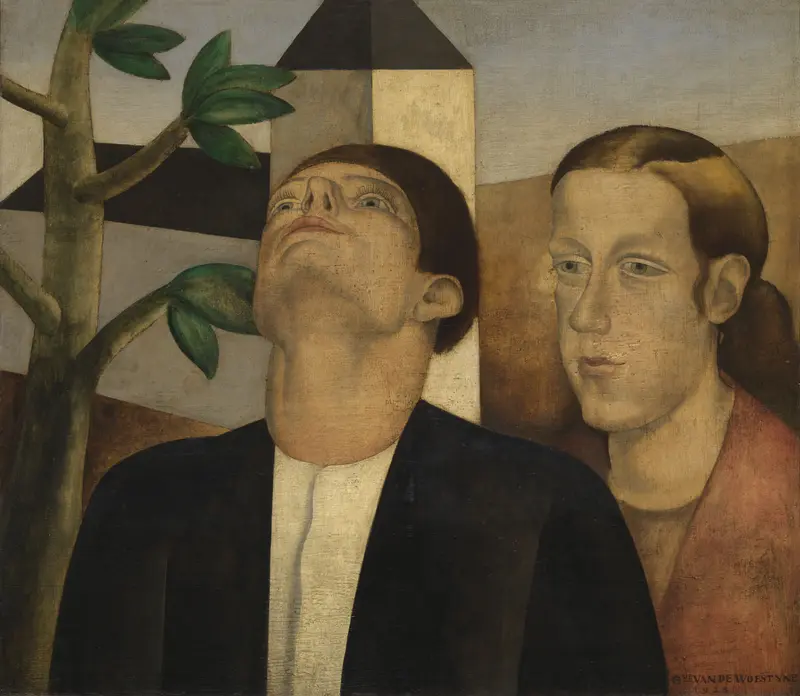
Azure
Gustave Van de Woestijne
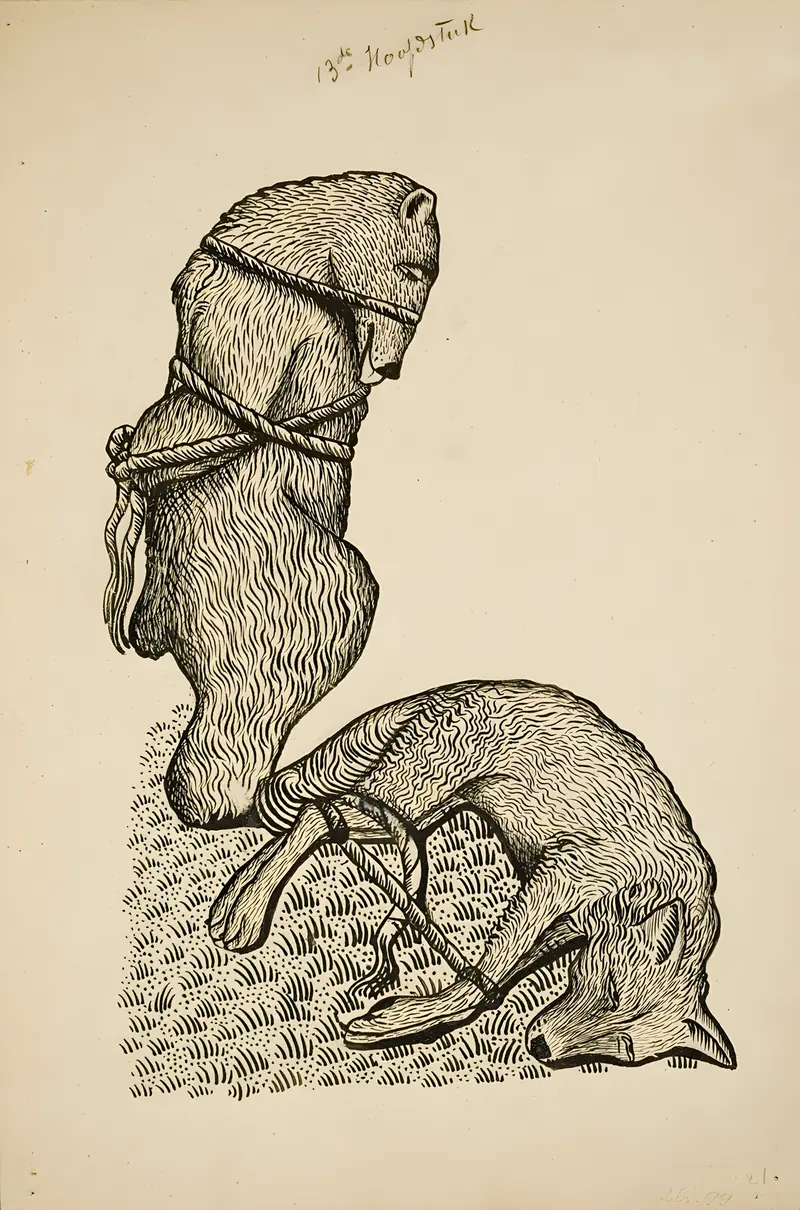
How Reinaert devises a new trick to get free and exterminate his enemies
Gustave Van de Woestijne
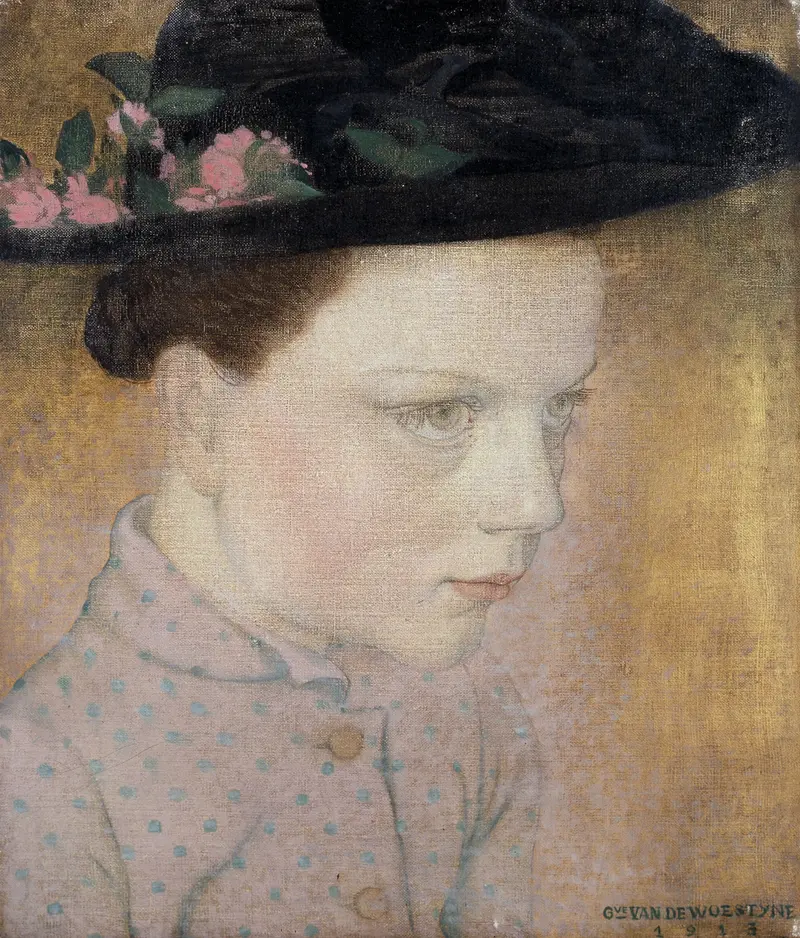
Country Girl
Gustave Van de Woestijne
More Landscape Art

The Starry Night
Vincent van Gogh

View of Delft
Johannes Vermeer

Water Lilies
Claude Monet

The Grand Canal, Venice, looking north-west from the Ca' Corner to the Ca' Contarini degli Scrigni, with the campanile of Santa Maria della Carità
Canaletto

Windsor Castle
Canaletto

The Grand Canal looking North-East from the Palazzo Dolfin-Manin to the Rialto Bridge
Canaletto