
Summer — History & Facts
A golden hillside sweeps the viewer into the heart of the harvest, where every figure is caught in the thick of summer’s labor. The eye is drawn first to the foreground, where a barefoot man pauses mid-task, guzzling water with palpable thirst, his scythe set aside. Around him, others bend and stoop, arms full of wheat, their gestures a choreography of gathering and binding.
A woman stands upright, balancing a basket of cabbages and bread on her head, a quiet counterpoint to the toil, while the distant church spire and clustered cottages anchor the scene in a living village. The palette is warm and earthy, the light diffused by a sky that hints at both the promise and threat of change, lending the scene a sense of urgency and reward. Painted in 1607, Summer by Abel Grimmer belongs to a tradition of seasonal landscapes that flourished in the Low Countries during the late sixteenth and early seventeenth centuries. Such paintings were often commissioned by prosperous townsfolk or merchants, eager to celebrate the rhythms of rural life and the bounty of the land.
The genre, shaped by the legacy of artists like Pieter Bruegel the Elder, captured the cycles of work and festivity that defined the calendar. Little is recorded about the specific journey of this panel, now documented through The Yorck Project’s collection, but its survival allows us to witness a world where every sheaf of wheat and every gesture is a testament to the season that fed a community. The next time you look, let your gaze linger on the faces and hands—each one a story within the sweep of summer.
More Artworks by Abel Grimmer

Flemish proverbs
Abel Grimmer
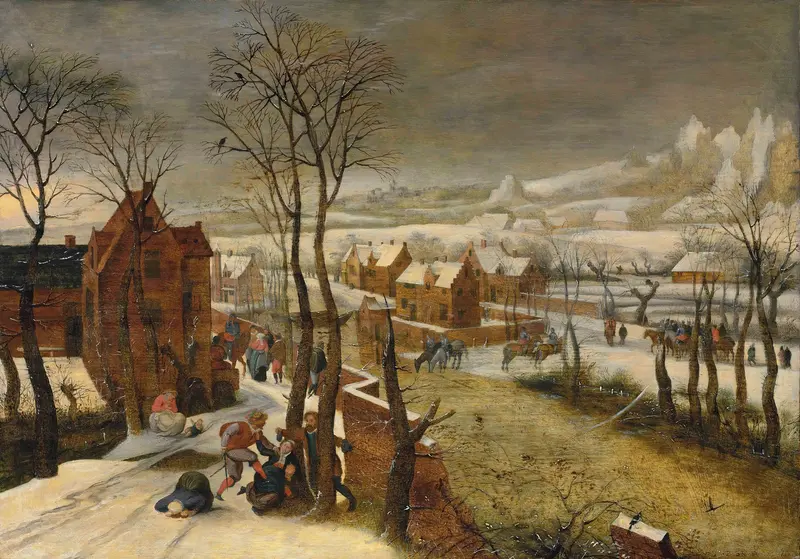
A Village Landscape In Winter With The Massacre Of The Innocents
Abel Grimmer
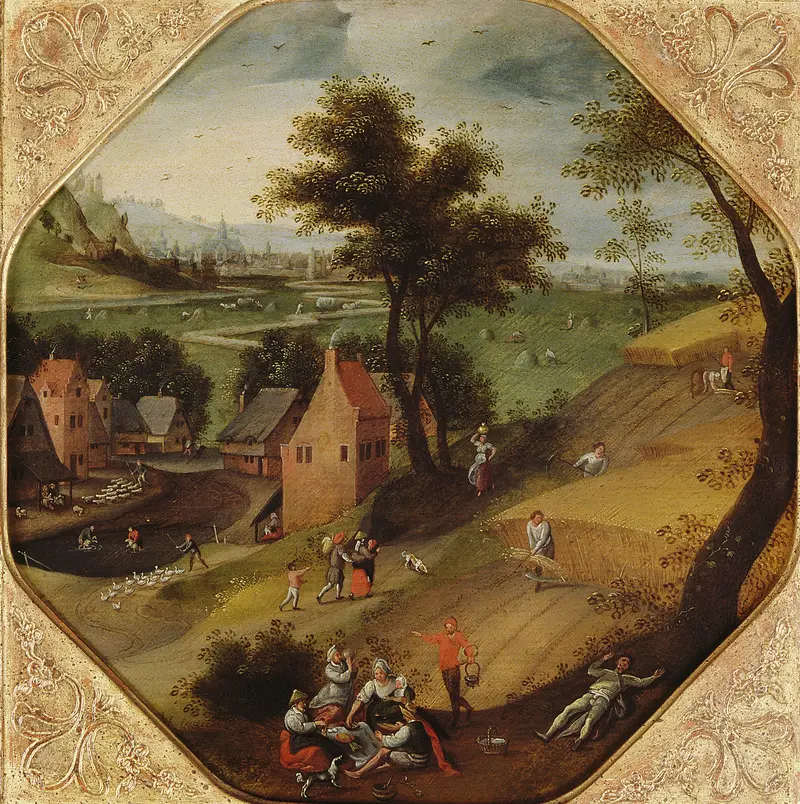
De Zomer
Abel Grimmer
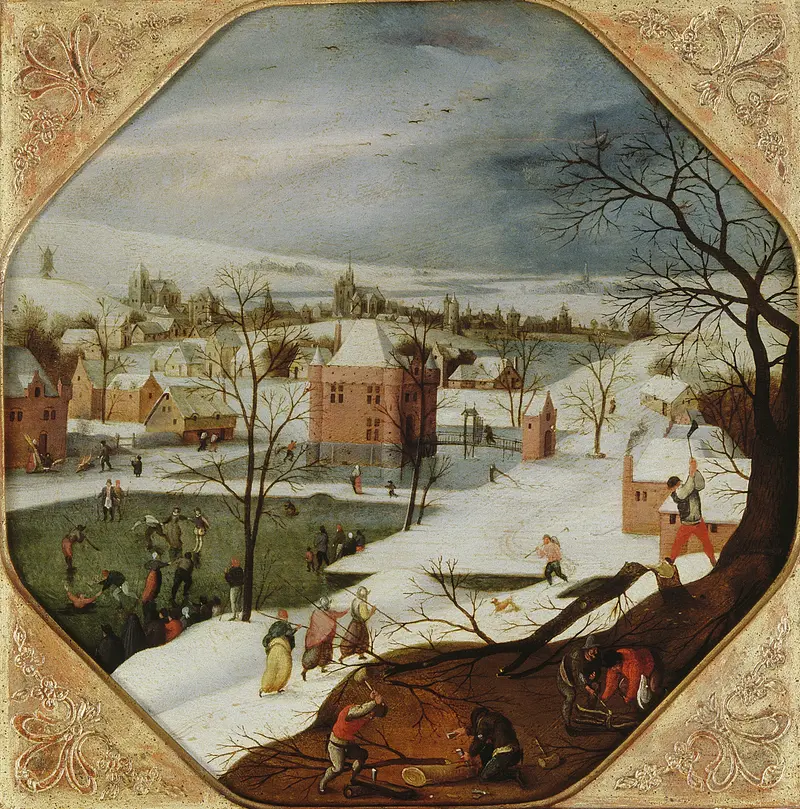
De Winter
Abel Grimmer
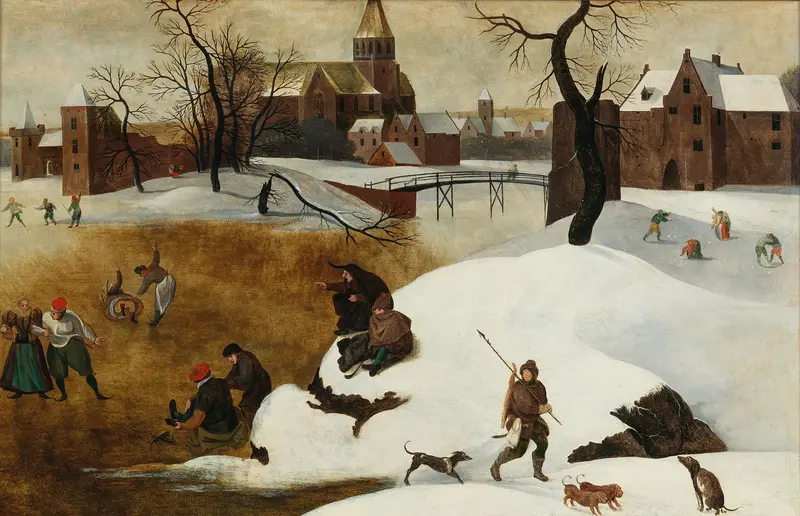
winter landscape with skaters
Abel Grimmer
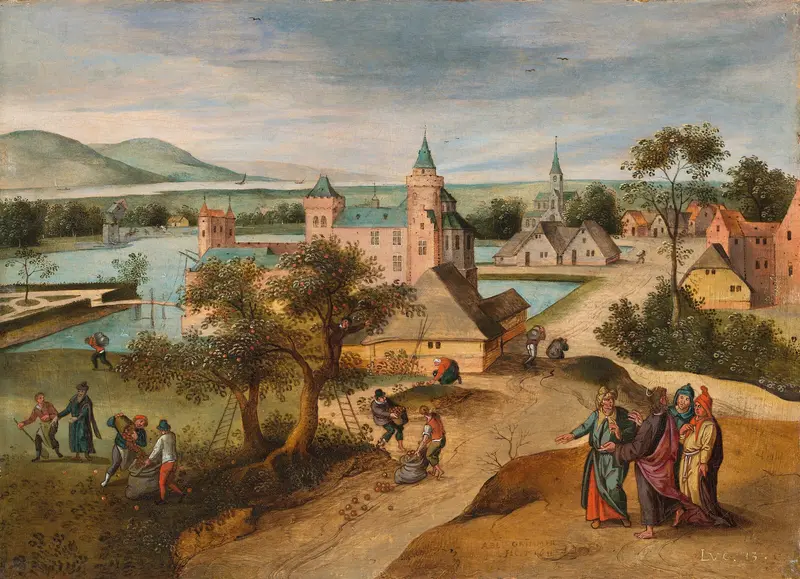
September – The Parable of the Barren Fig Tree
Abel Grimmer
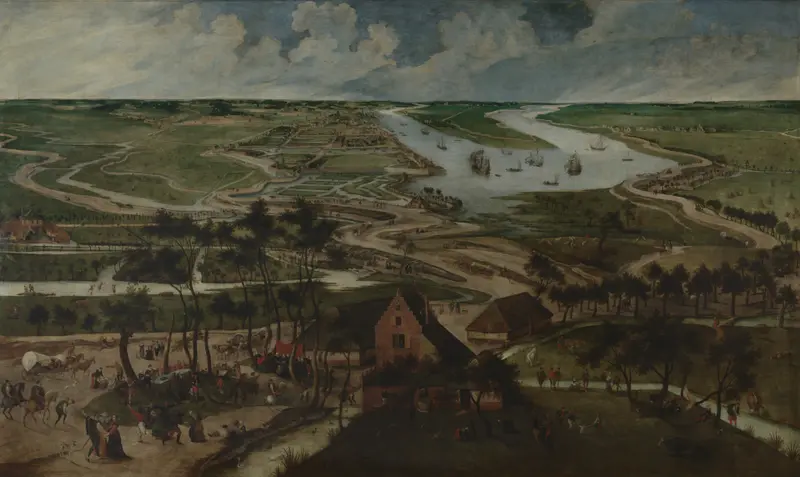
The Eel Huts in the Antwerp Polder outside the Lillo or Slijk Gate
Abel Grimmer
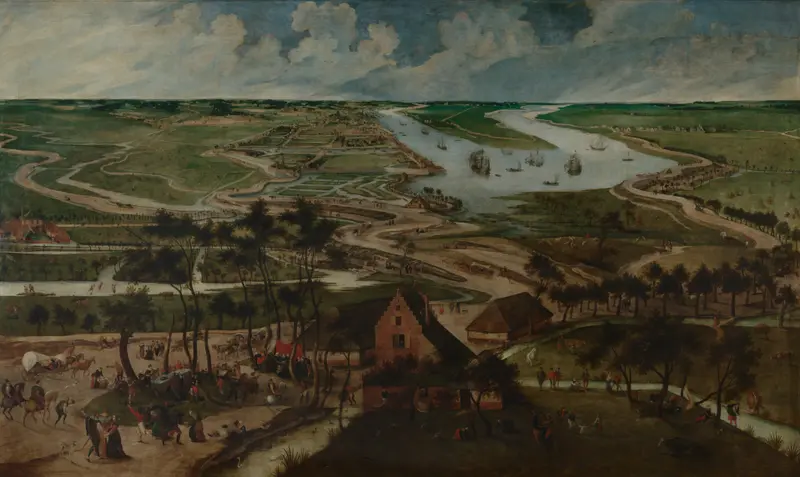
De Antwerpse polder en de Palinghuizen buiten de Slijk- of Lillopoort
Abel Grimmer
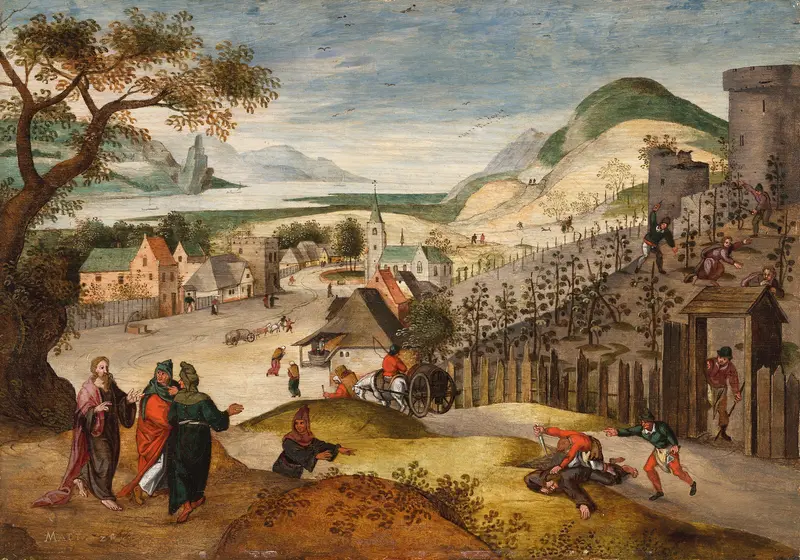
October – The Parable of the Vineyard
Abel Grimmer
The Marketplace in Bergen op Zoom
Abel Grimmer
More Landscape Art

The Starry Night
Vincent van Gogh

View of Delft
Johannes Vermeer

Water Lilies
Claude Monet

The Grand Canal, Venice, looking north-west from the Ca' Corner to the Ca' Contarini degli Scrigni, with the campanile of Santa Maria della Carità
Canaletto

Windsor Castle
Canaletto

The Grand Canal looking North-East from the Palazzo Dolfin-Manin to the Rialto Bridge
Canaletto