
Sveti Benedikt i sveti Augustin — History & Facts
When Giovanni Bellini painted Sveti Benedikt i sveti Augustin around 1490, Venice was at the height of its artistic flowering, and Bellini himself was forging a new path for religious imagery in the city. What makes this work especially intriguing is that it brings together two of the most influential thinkers in Western Christianity—Saint Benedict, founder of the Benedictine order, and Saint Augustine, whose writings shaped medieval theology—yet there is no known textual or liturgical source that pairs them so intimately. The painting’s origins are somewhat mysterious: no surviving records name a patron or original location, and the medium remains uncertain, though Bellini’s contemporaries praised his ability to make oil and tempera sing with equal clarity. Bellini chooses a moment of quiet dialogue rather than dramatic action.
Saint Benedict, in his black habit, gestures with an open hand toward Saint Augustine, who is garbed in a bishop’s robes and holds a book—likely his Confessions or City of God. Between them, a subtle play of light falls across their faces, suggesting an exchange of wisdom rather than rivalry. The background is serene, perhaps a cloister garden, hinting at the peace both saints sought through contemplation.
Bellini’s use of soft modeling and gentle color contrasts with the sharper, more linear approach of his Florentine contemporaries like Domenico Ghirlandaio, whose saints often appear more statuesque and less engaged with one another. The later history of Sveti Benedikt i sveti Augustin is obscure; it is not listed in early inventories of Venetian churches or monasteries, and its journey through the centuries is largely undocumented. Its current home in a museum collection allows viewers to appreciate Bellini’s mature style, marked by psychological subtlety and a delicate handling of sacred subject matter. While the painting’s attribution to Bellini is generally accepted, some scholars have noted workshop participation, a common practice in his later years.
Today, the work stands as a quiet testament to Bellini’s ability to infuse familiar religious figures with new warmth and humanity, even when the details of their pictorial union remain partly shrouded in mystery.
More Artworks by Giovanni Bellini
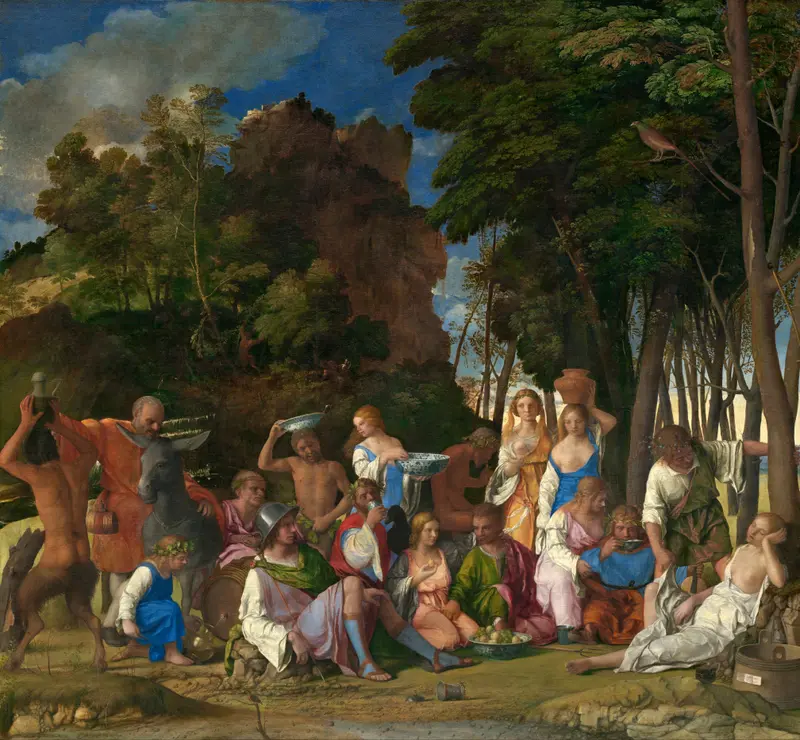
The Feast of the Gods
Giovanni Bellini

Madonna and Child enthroned with Saints and Angels
Giovanni Bellini
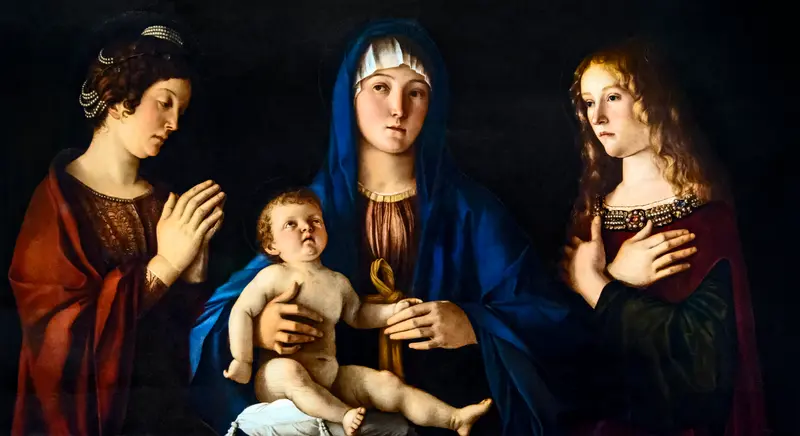
Madonna and Child between Saints Catherine and Mary Magdalene
Giovanni Bellini
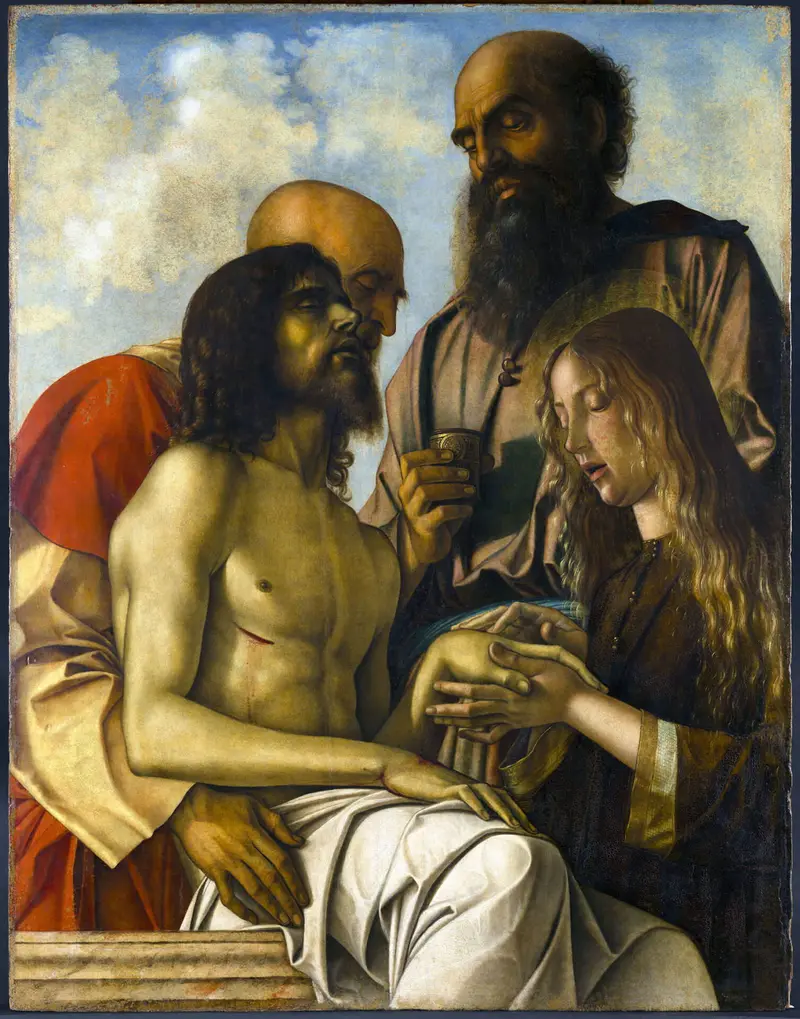
Lamentation over the Dead Christ
Giovanni Bellini
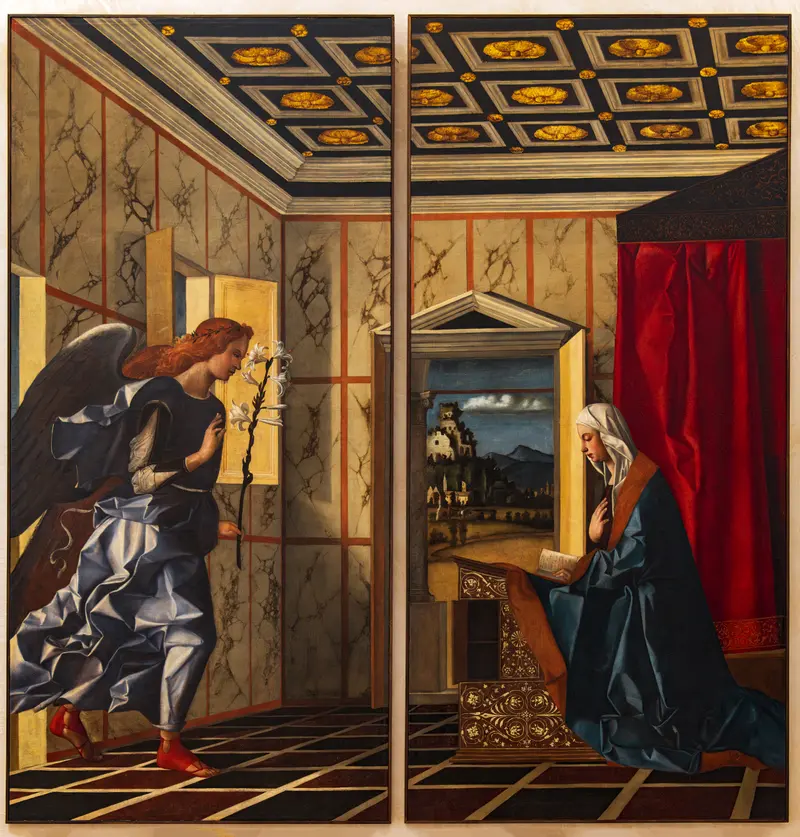
Annunciation
Giovanni Bellini
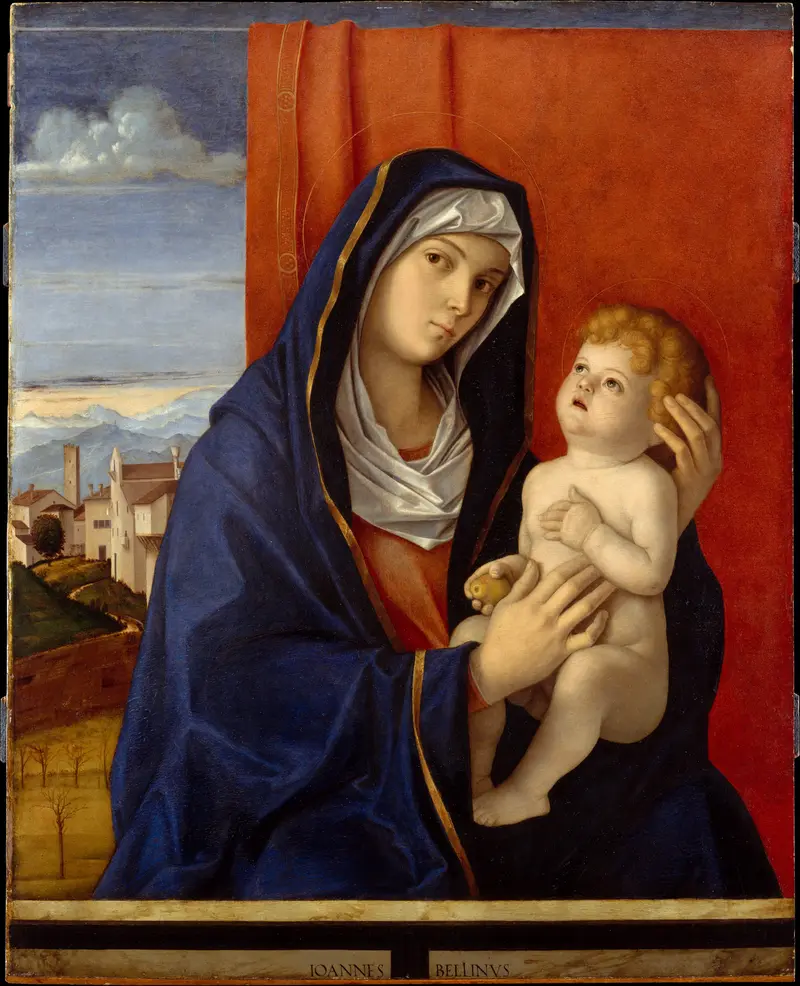
Madonna and Child
Giovanni Bellini
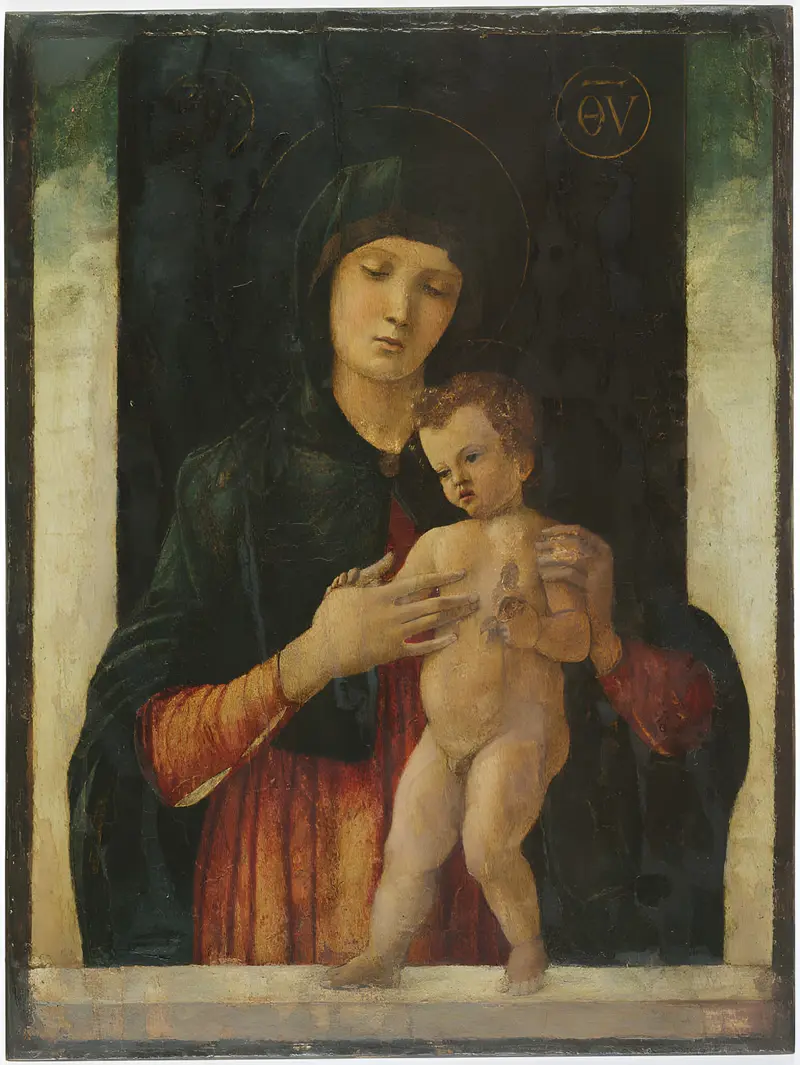
The Virgin and Child
Giovanni Bellini
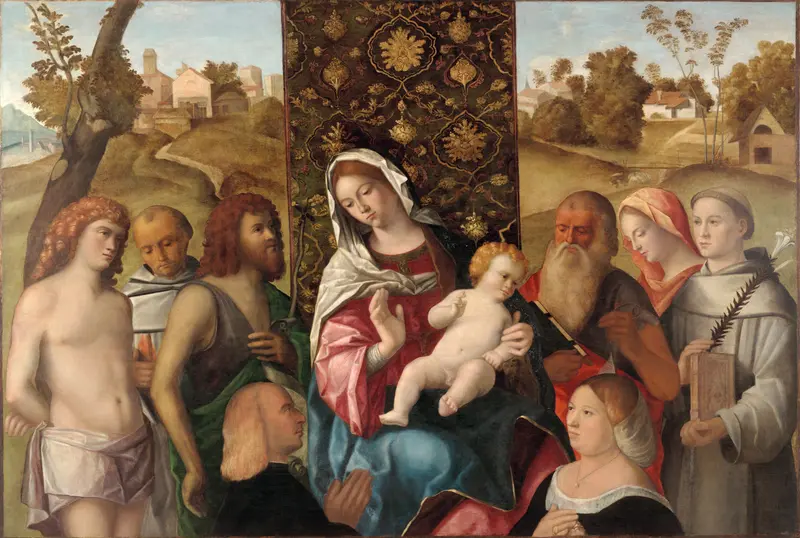
Virgin and Child with Saints Sebastian, Francis, John the Baptist, Jerome, an unidentified female saint, Saint Anthony of Padua and two donors
Giovanni Bellini
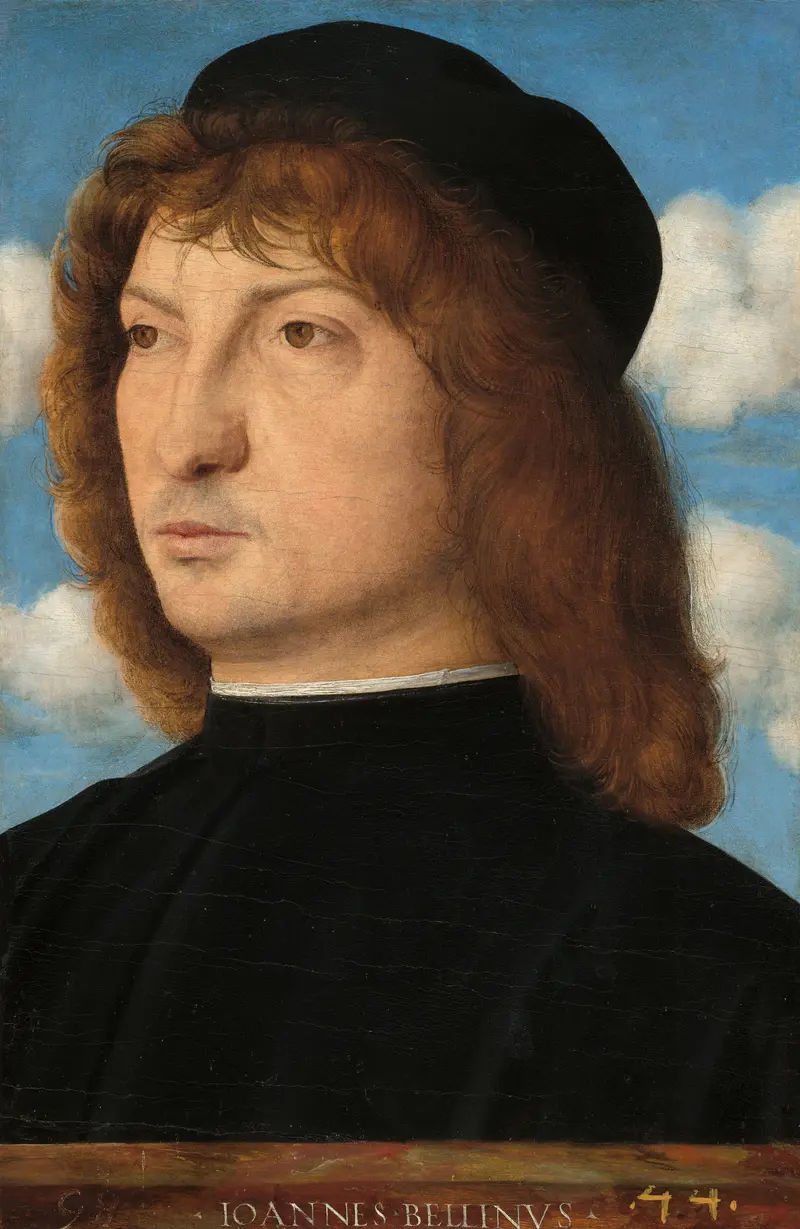
Portrait of a Venetian Gentleman
Giovanni Bellini
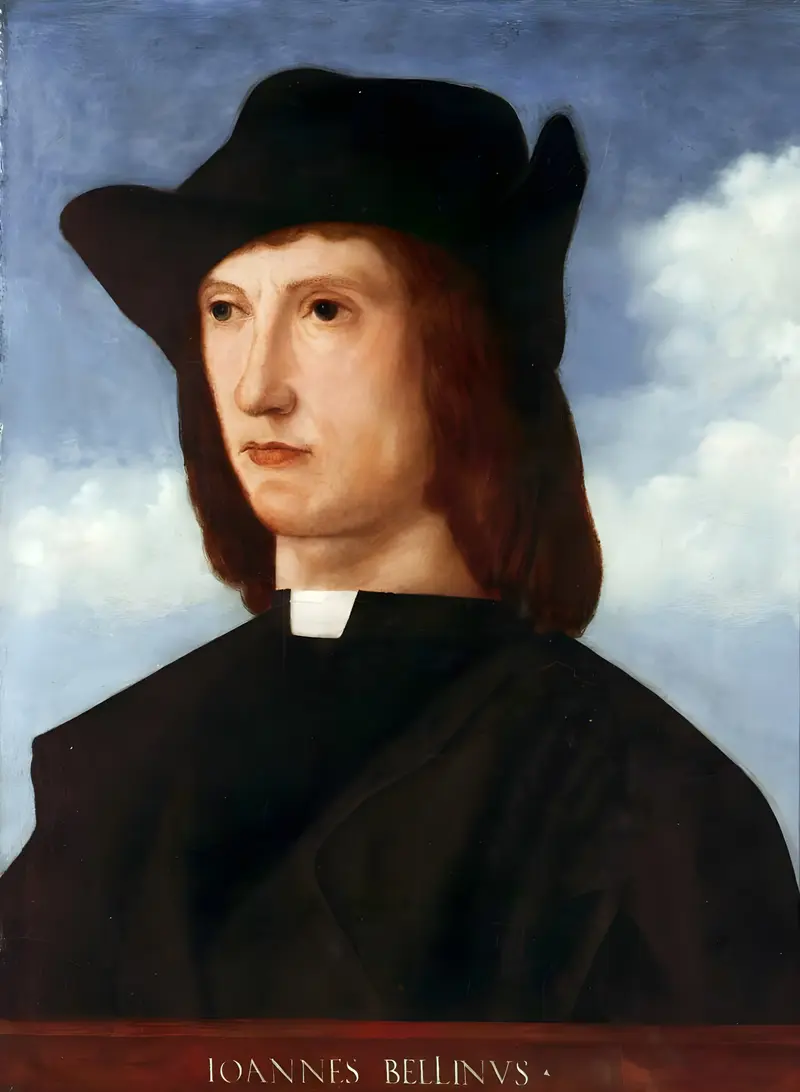
Portrait of a Young Man
Giovanni Bellini





