Tea water pump — History & Facts
When did color learn to lie? The hues we see can weave narratives that dance between truth and illusion, whispering secrets of destiny and existence. Look at the foreground, where a rustic tea water pump stands resolute, its weathered surface exhibiting a rich patina of deep reds and browns. The light caresses the handle, creating an inviting glimmer that draws you closer. Notice how the background fades into a soft blur, allowing the simplicity of the pump to command your attention, evoking a sense of nostalgia and quiet contemplation. Delve deeper into the contrasts within this piece: the juxtaposition of the sturdy, industrial pump against the fluidity of the surrounding landscape suggests the tension between nature and human intervention.
The vibrant colors used in the pump's texture seem almost to pulse with life, while the muted tones of the background hint at the passage of time. This duality speaks to the destiny of objects and their places in our lives, raising questions about the stories they carry. William P. Chappel painted this work in the 1870s, a period marked by rapid industrialization in America.
As society transitioned into the modern age, artists like Chappel explored the intersection of nature and machinery. His choice to immortalize a humble yet essential object reflects both a celebration of everyday life and a commentary on the evolving relationship between humanity and its creations.
More Artworks by William P. Chappel
Browse all →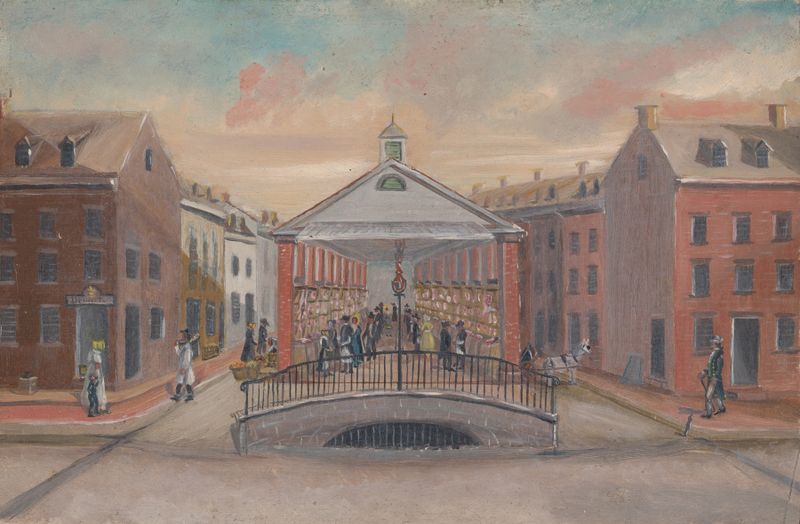
Fly Market
William P. Chappel
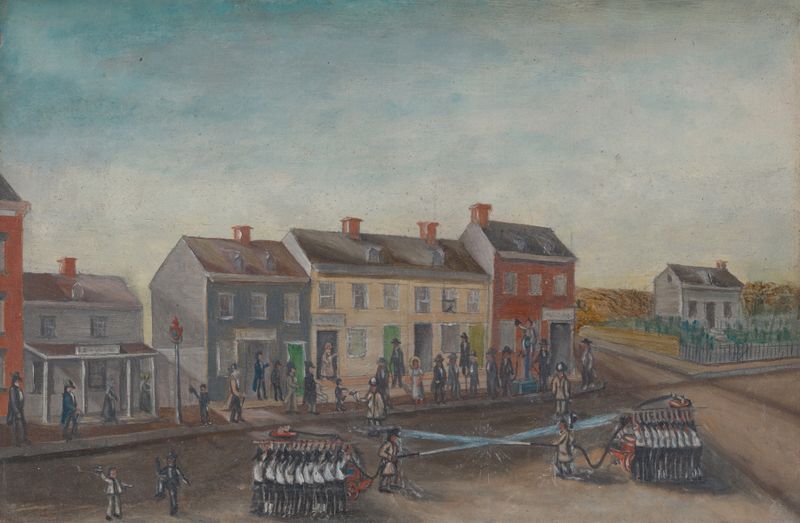
Firemen’s Washing Day
William P. Chappel
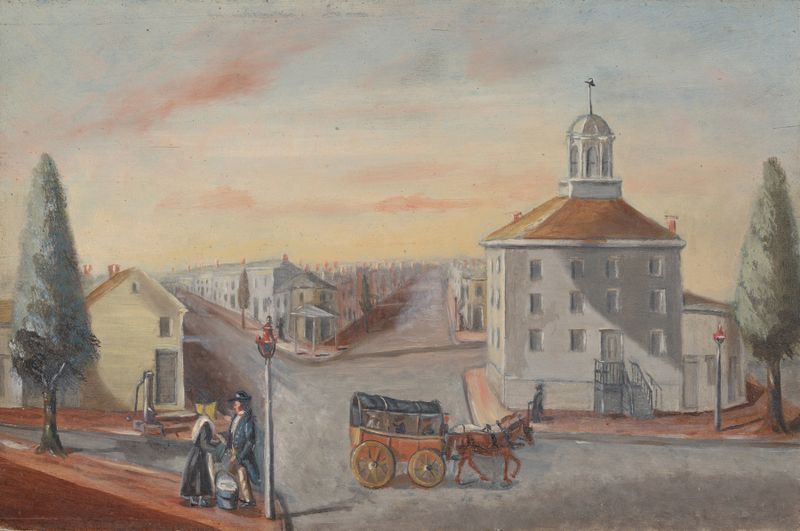
Hot Corn Seller
William P. Chappel
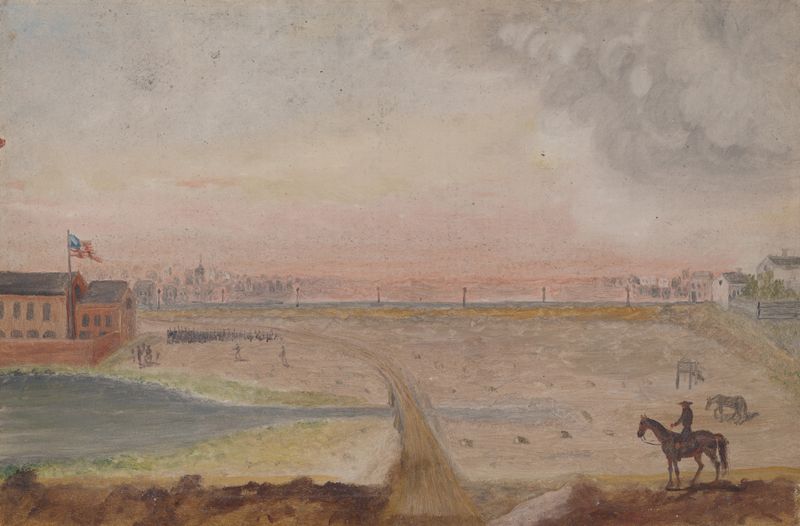
Militia Drilling
William P. Chappel
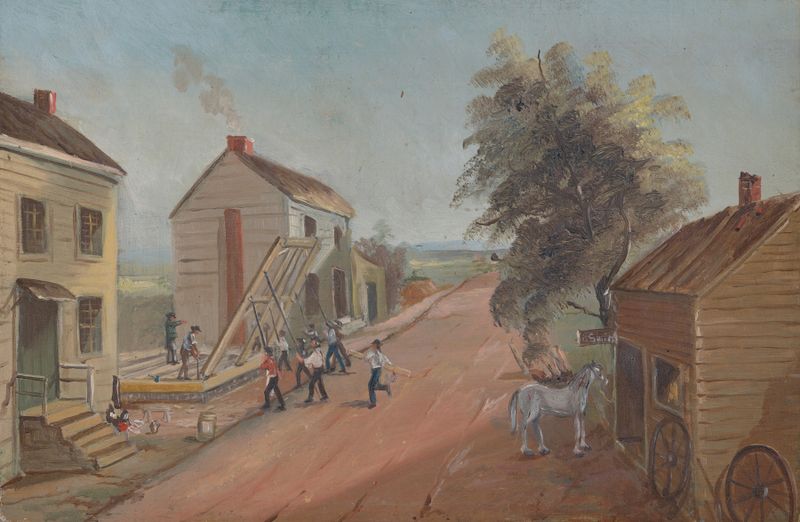
House Raising
William P. Chappel
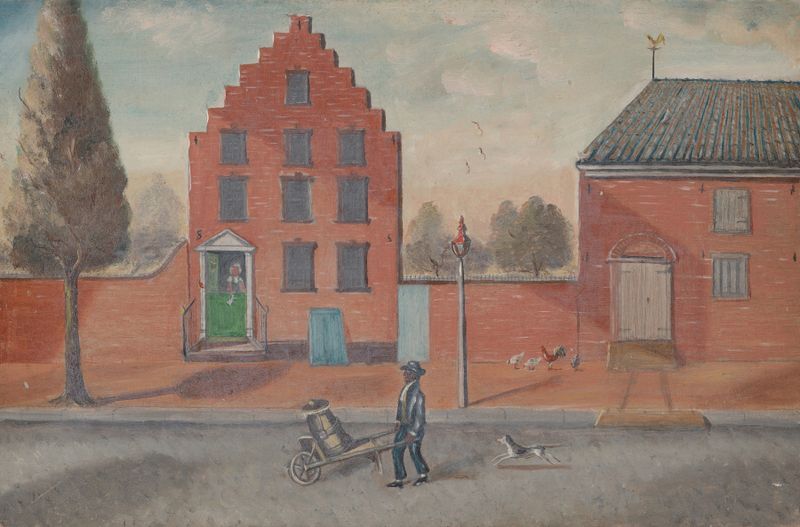
Buttermilk Pedlar
William P. Chappel
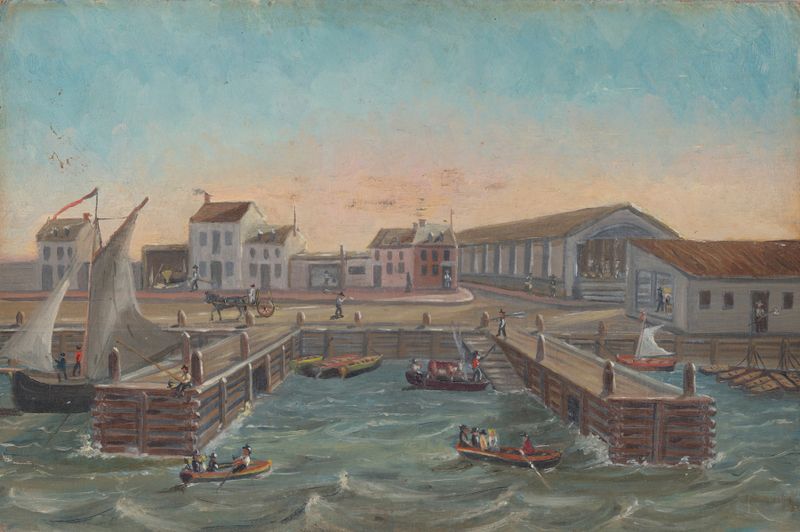
Old Ferry Stairs
William P. Chappel
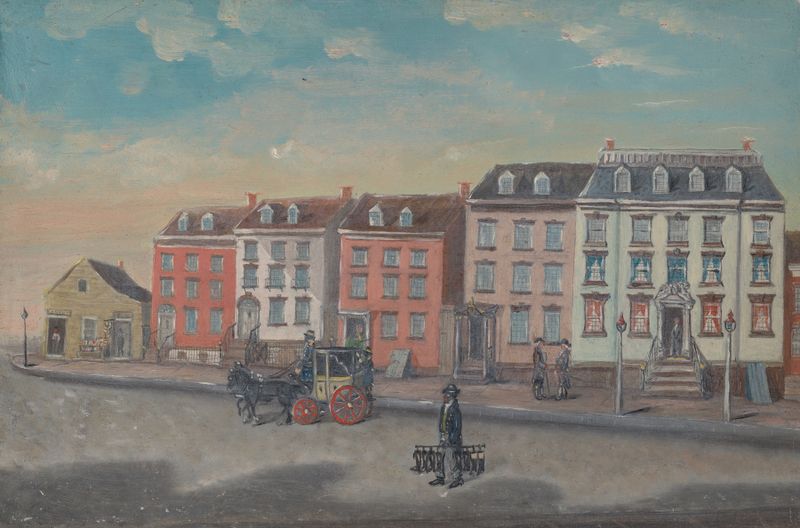
The Boot Black
William P. Chappel
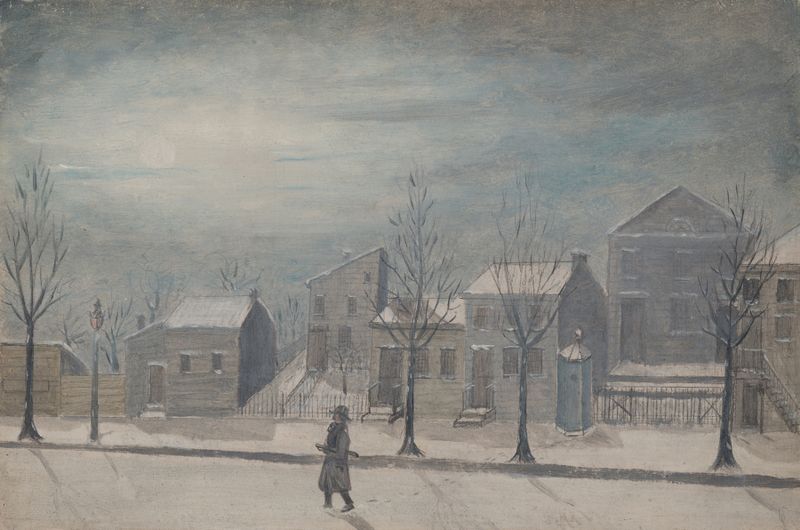
City Watchman
William P. Chappel
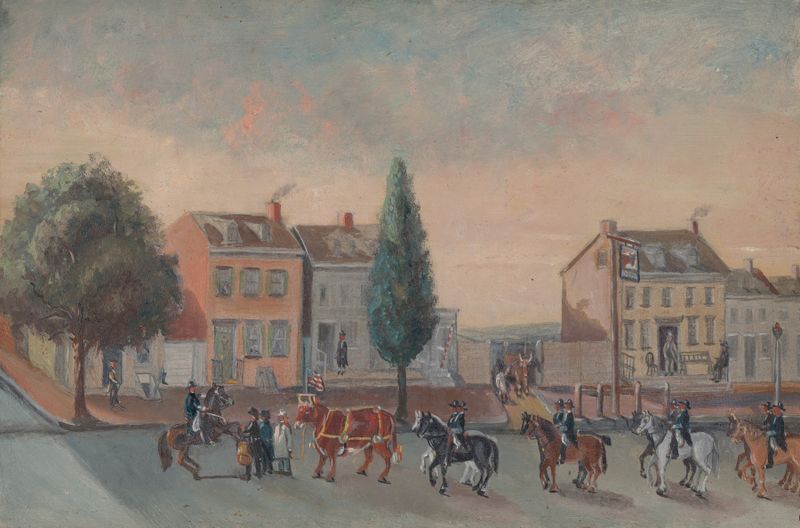
Bull’s Head Tavern
William P. Chappel