
Tenen en duimen van Adonibezek worden afgehakt — History & Facts
When did color learn to lie? In a world where rebirth is often cloaked in illusions, the vivid hues of Tenen en duimen van Adonibezek worden afgehakt pierce through the veil of deception, confronting us with the stark reality of power and punishment. Look to the center of the canvas where the chilling figure of Adonibezek commands attention. His outstretched hands, grotesquely mutilated, draw the gaze with a visceral intensity. Notice how Holbein masterfully employs a palette of deep reds and muted earth tones, contrasting the vibrant blood against the somber background.
Each detail, from the tension in the muscles of the executioner to the lifelessness in Adonibezek’s eyes, tells a story of retribution that transcends mere visual representation. The painting grapples with themes of justice and brutality, as the act of punishment unfolds before us. Subtle hints of rebirth emerge in the way Holbein captures the interplay of light and shadow, suggesting a moment of reckoning. The viewer is confronted with the dichotomy of power—one that can inflict pain, yet simultaneously evokes empathy for the fallen.
The haunting expressions of those witnessing the scene remind us that every act of violence contains the seeds of transformation, leaving us to ponder the true cost of revenge. In 1538, Holbein worked in Basel, Switzerland, during a time of significant political and artistic upheaval. The Reformation was reshaping society, fostering an environment ripe for exploring human emotion and morality. This period influenced Holbein's work, reflecting the tension between the sacred and the profane, as he sought to depict the complexities of human nature in a rapidly changing world.
More Artworks by Hans Holbein (II)
Browse all →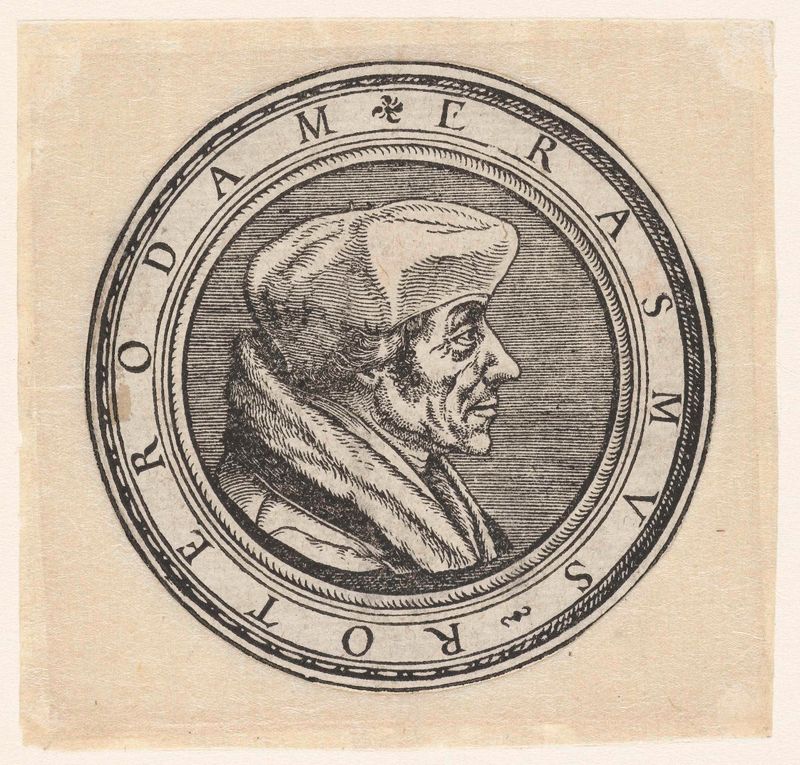
Portret van Erasmus
Hans Holbein (II)
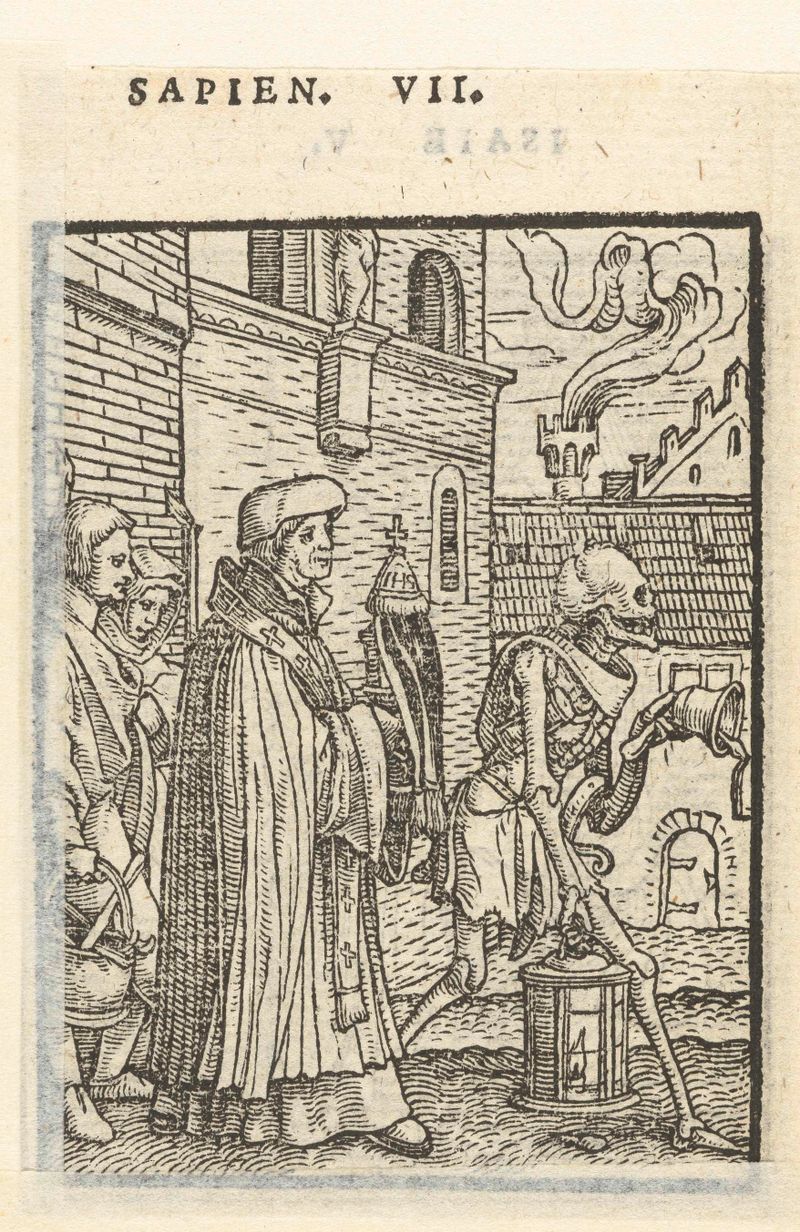
Priester en de Dood
Hans Holbein (II)
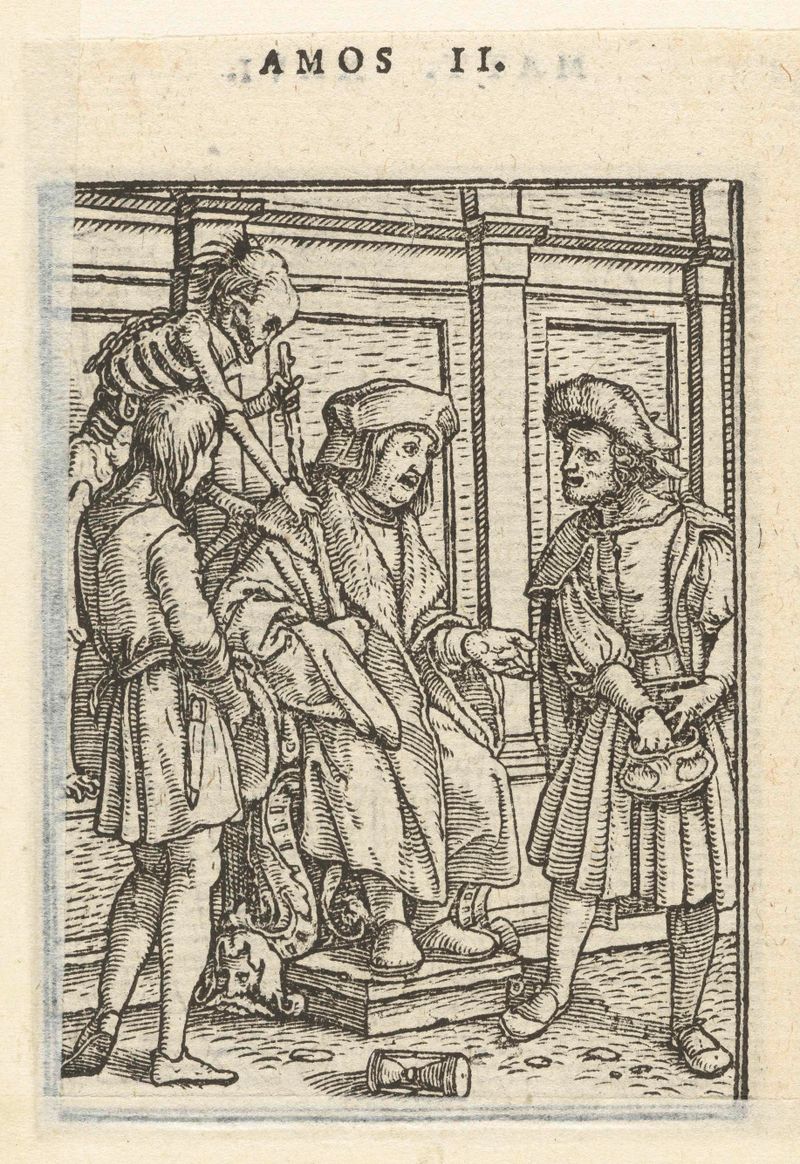
Rechter en de Dood
Hans Holbein (II)
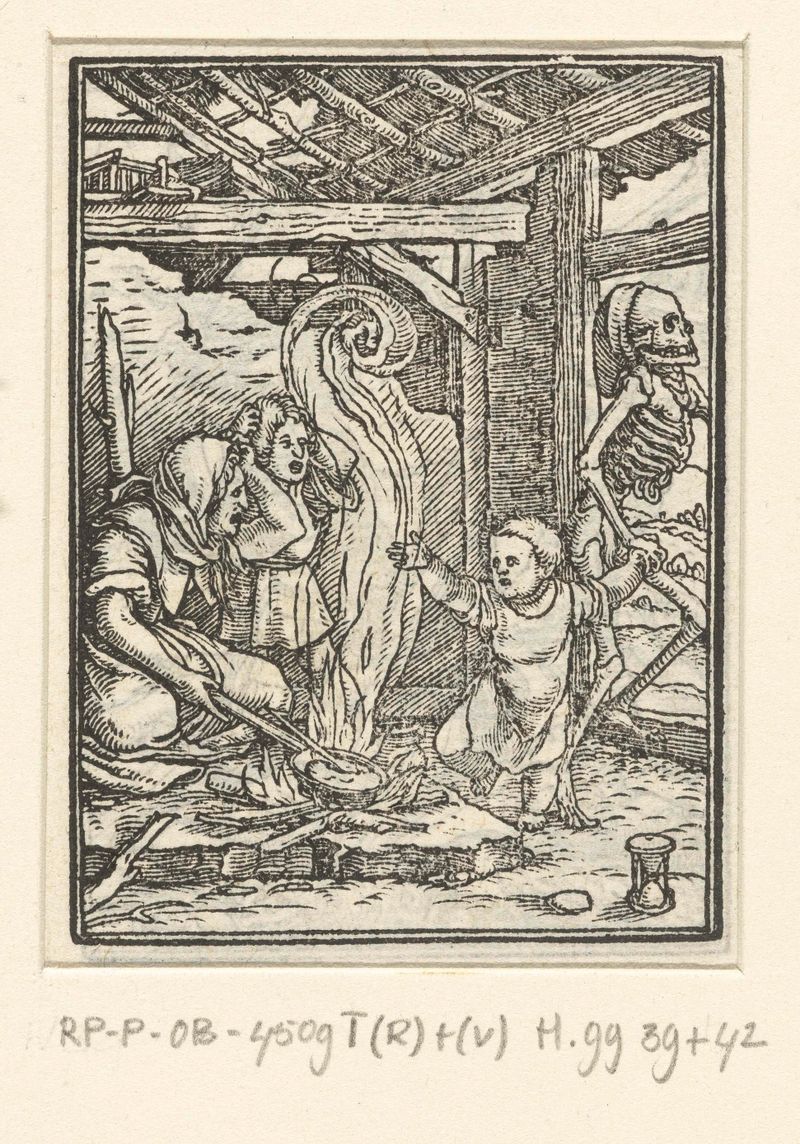
Kind en de Dood
Hans Holbein (II)
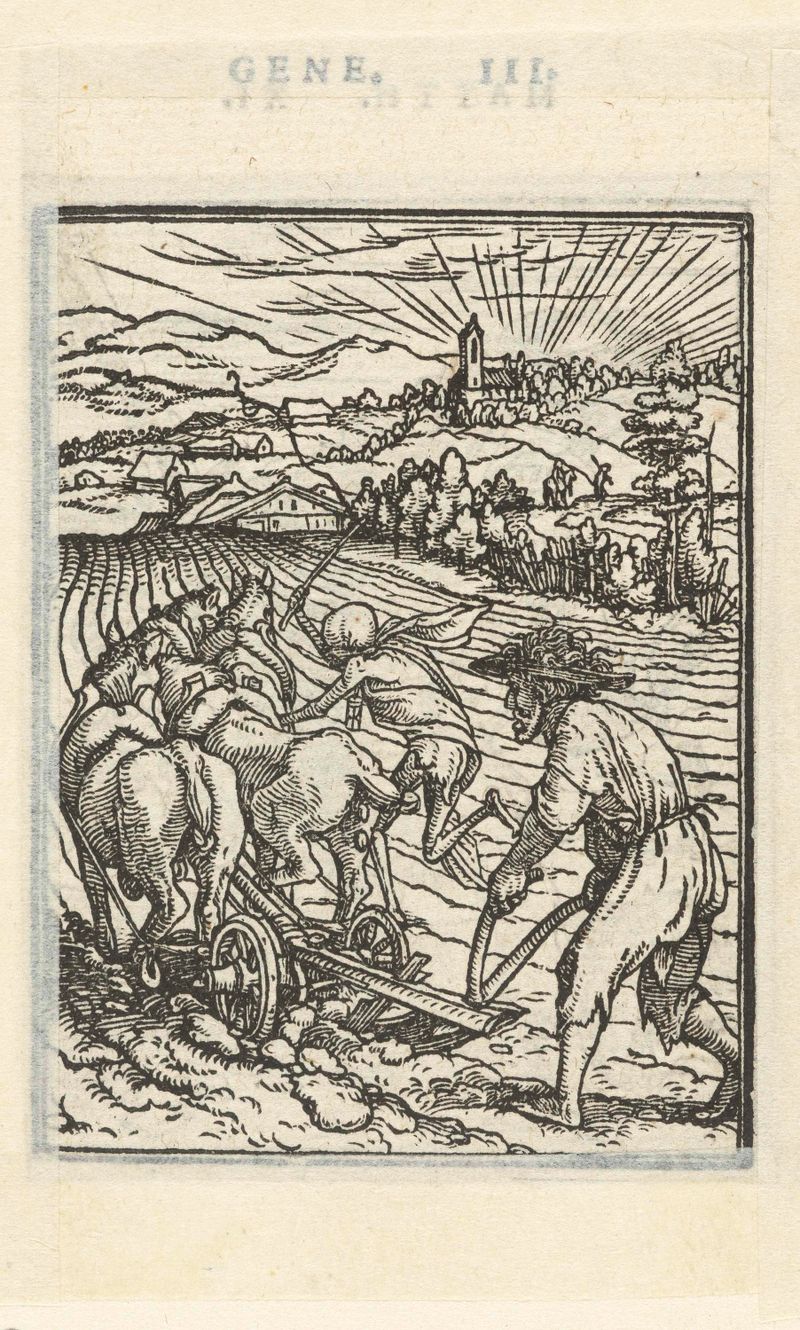
Boer en de Dood
Hans Holbein (II)
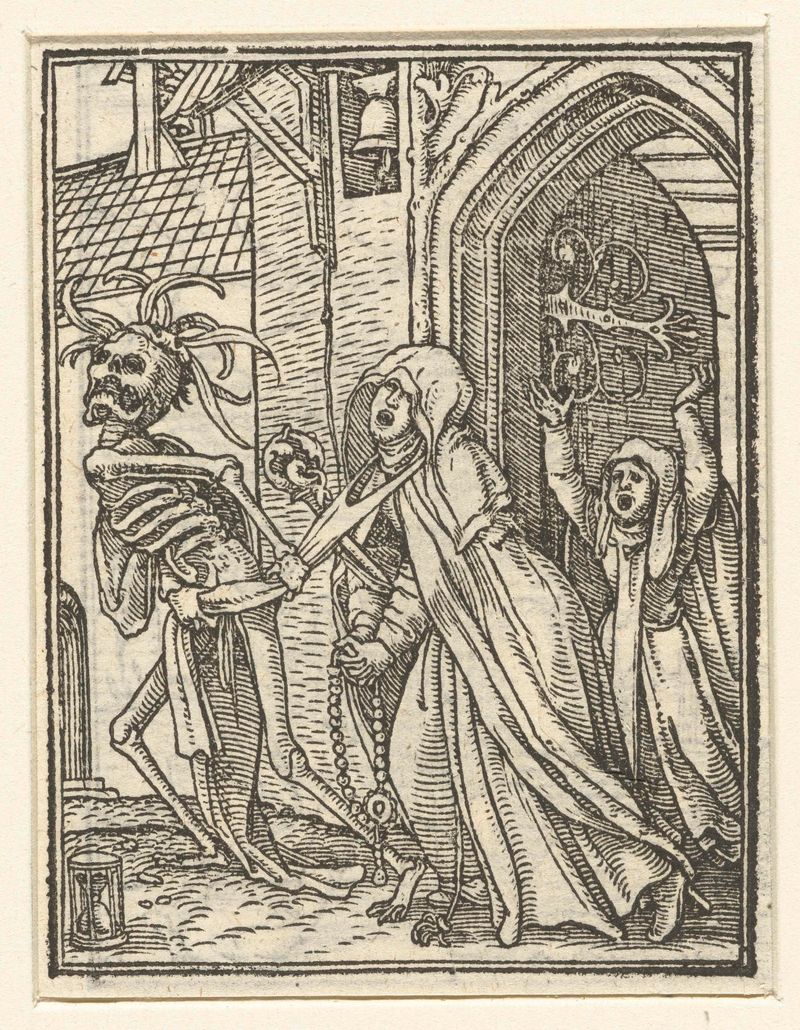
Abdis en de Dood
Hans Holbein (II)
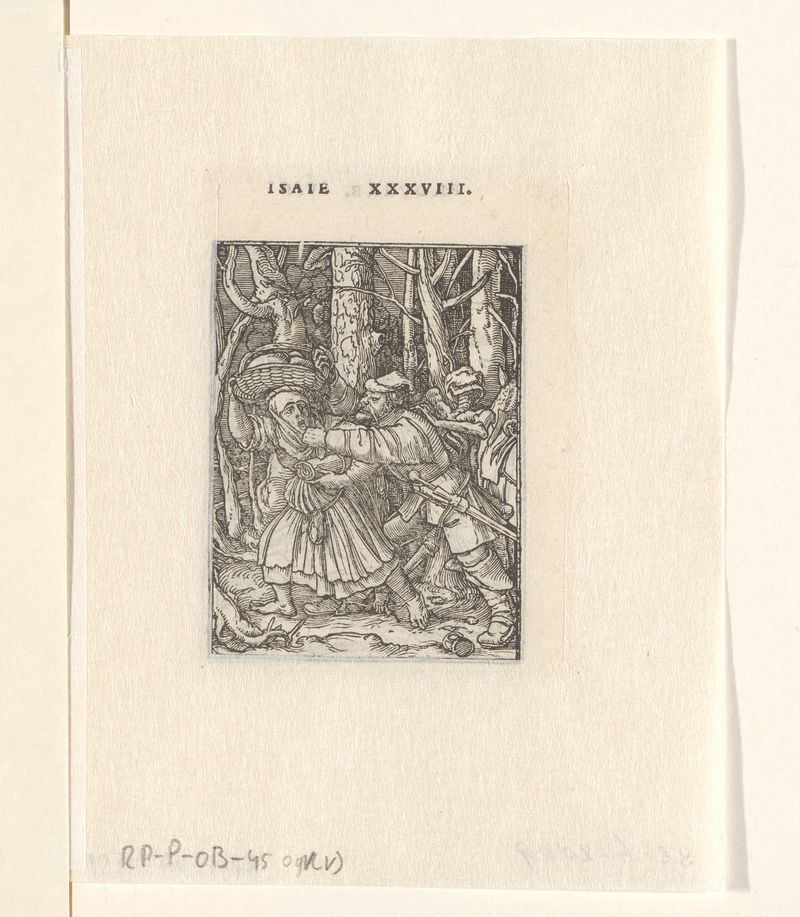
Dief en de Dood
Hans Holbein (II)
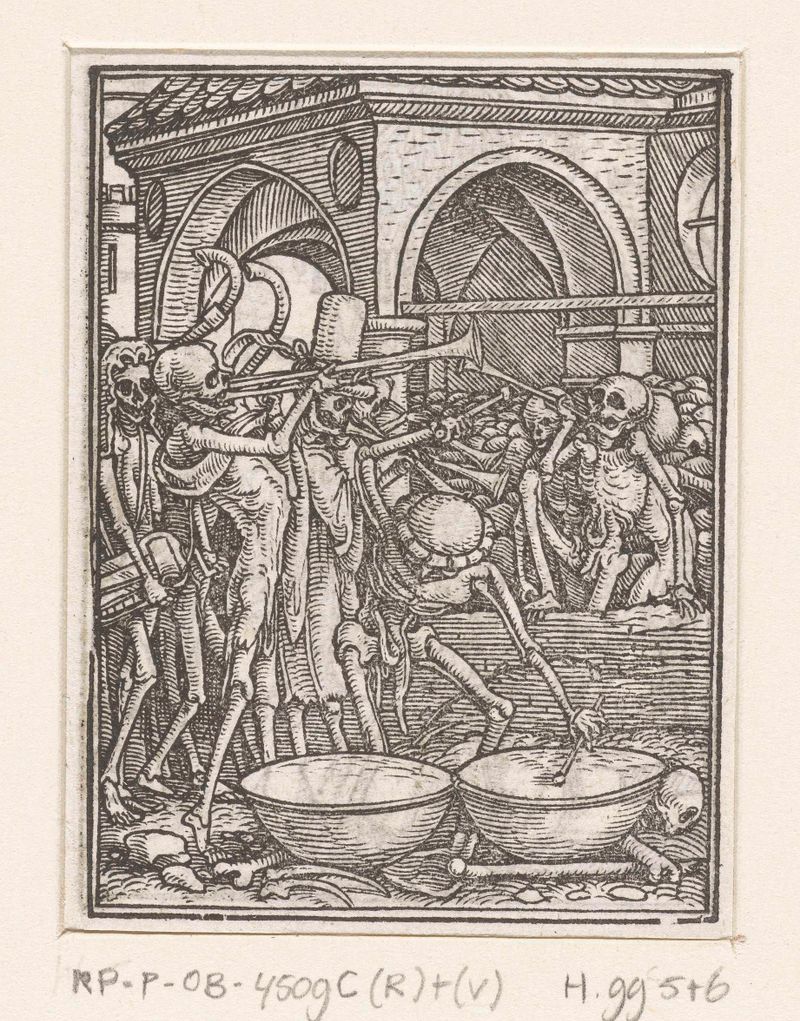
Skeletons Making Music from Dance of the Dead
Hans Holbein (II)
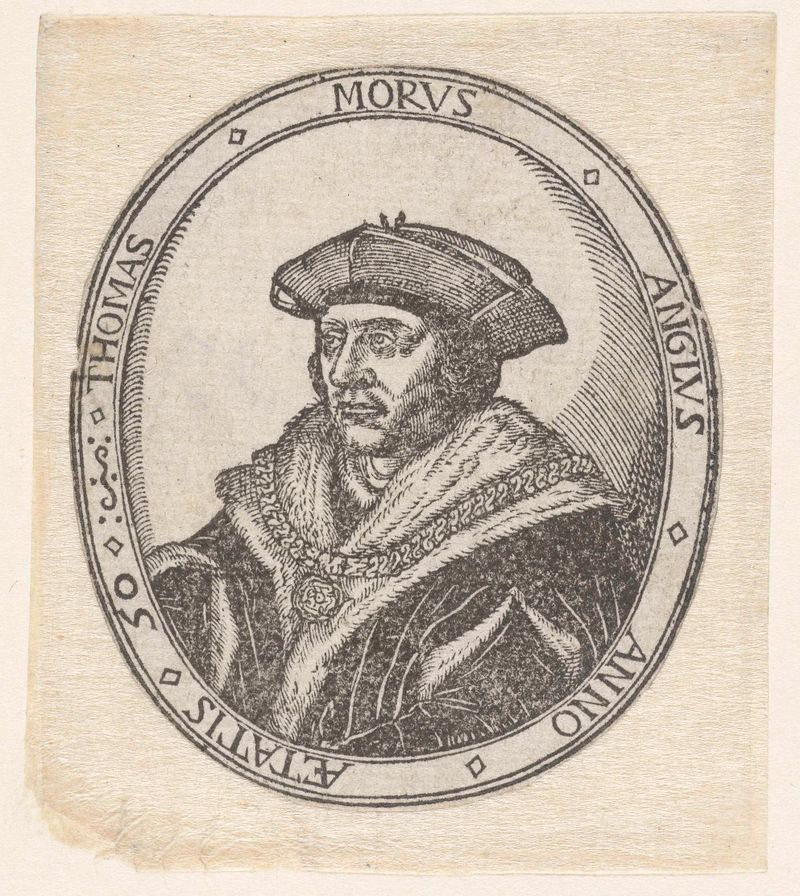
Portret van Thomas More
Hans Holbein (II)
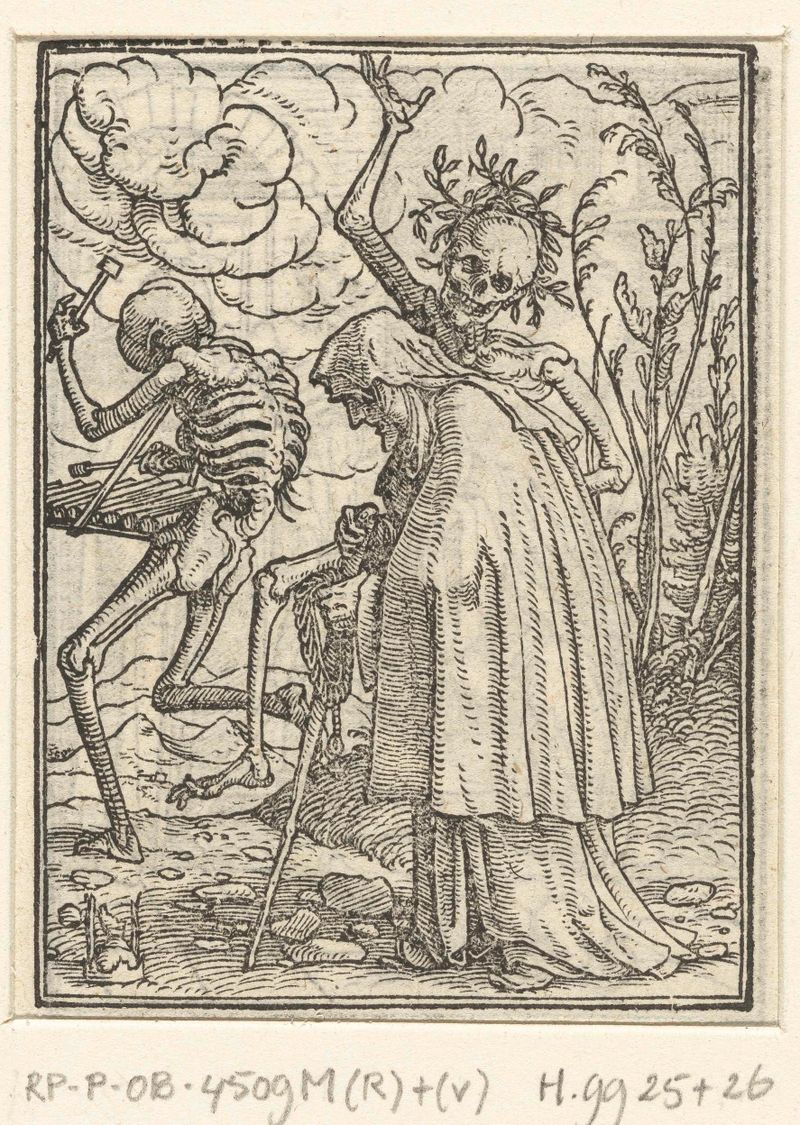
Oude vrouw en de Dood
Hans Holbein (II)
More Historical Art
Browse all →
The Night Watch Militia Company of District II under the Command of Captain Frans Banninck Cocq
Rembrandt van Rijn

Lincoln Memorial
Henry Bacon

The Third of May 1808
Francisco de Goya

Isaac and Rebecca, Known as ‘The Jewish Bride’
Rembrandt van Rijn

The Charge of the Mamelukes (1814)
Francisco de Goya

De vier ruiters van de apocalyps
Albrecht Dürer