
Tentenkamp van de stammen van Israël — History & Facts
In the intricate dance of paint and canvas, Tentenkamp van de stammen van Israël lays bare the enduring legacy of a people and their stories, encapsulating a moment that echoes through time. Look to the center of the canvas, where the large, colorful tents rise majestically, each bearing the insignia of one of the twelve tribes. The harmonious blend of rich reds, blues, and earthy tones draws the eye, inviting you to explore the layered textures of the fabric. Notice how the light washes over the scene, giving life to the figures and casting gentle shadows, which seem to whisper secrets of the past.
The meticulous detail in the faces of the gathered people speaks to the artist’s keen observation and reverence for their history. Hidden within the vibrancy of the scene are themes of unity and division — the bands of color representing each tribe symbolize both the strength of community and the fragility of their alliances. The carefully arranged figures, each engaged in their own actions, hint at the diverse roles within this society. Their varied expressions reflect a tapestry of emotions, from joy to contemplation, urging viewers to consider not just the grandeur of the moment but the weight of its legacy. Painted in 1538, this work emerged during a period of great religious upheaval and exploration in Europe.
Holbein was in London, working for Henry VIII, and grappling with the shifting tides of art and faith. Amidst the backdrop of Renaissance humanism, he sought to immortalize the past, creating a bridge between history and contemporary thought while navigating the complexities of his own artistic legacy.
More Artworks by Hans Holbein (II)
Browse all →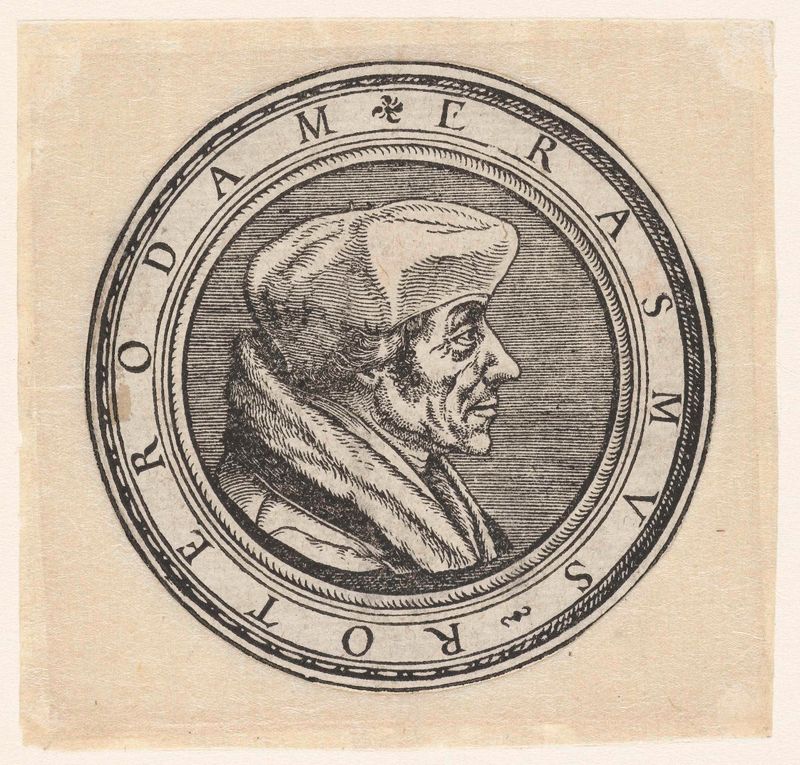
Portret van Erasmus
Hans Holbein (II)
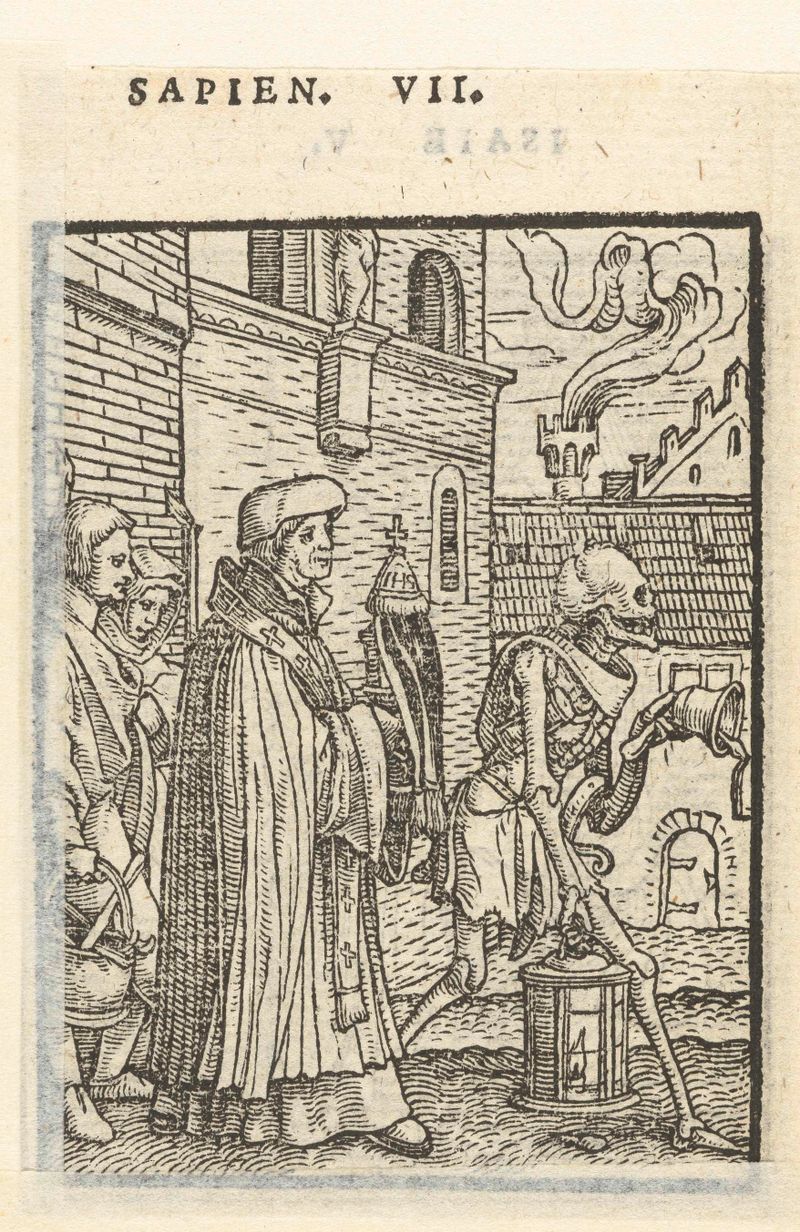
Priester en de Dood
Hans Holbein (II)
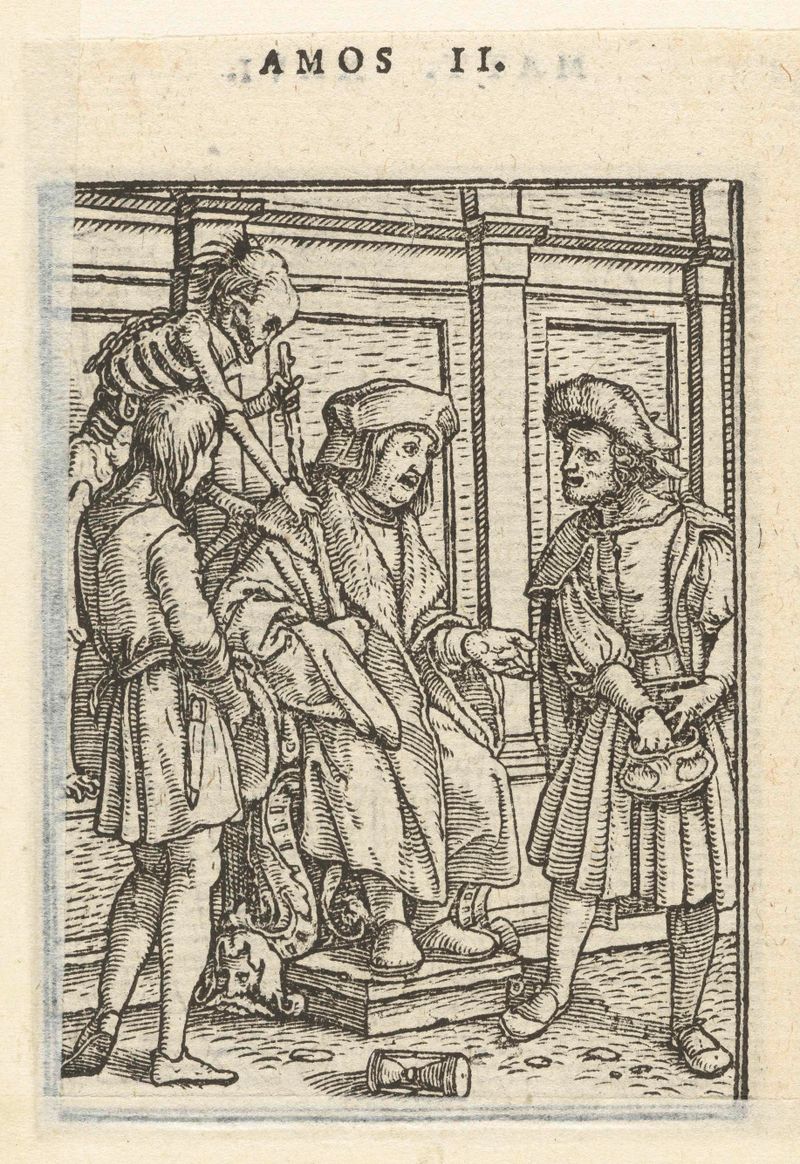
Rechter en de Dood
Hans Holbein (II)
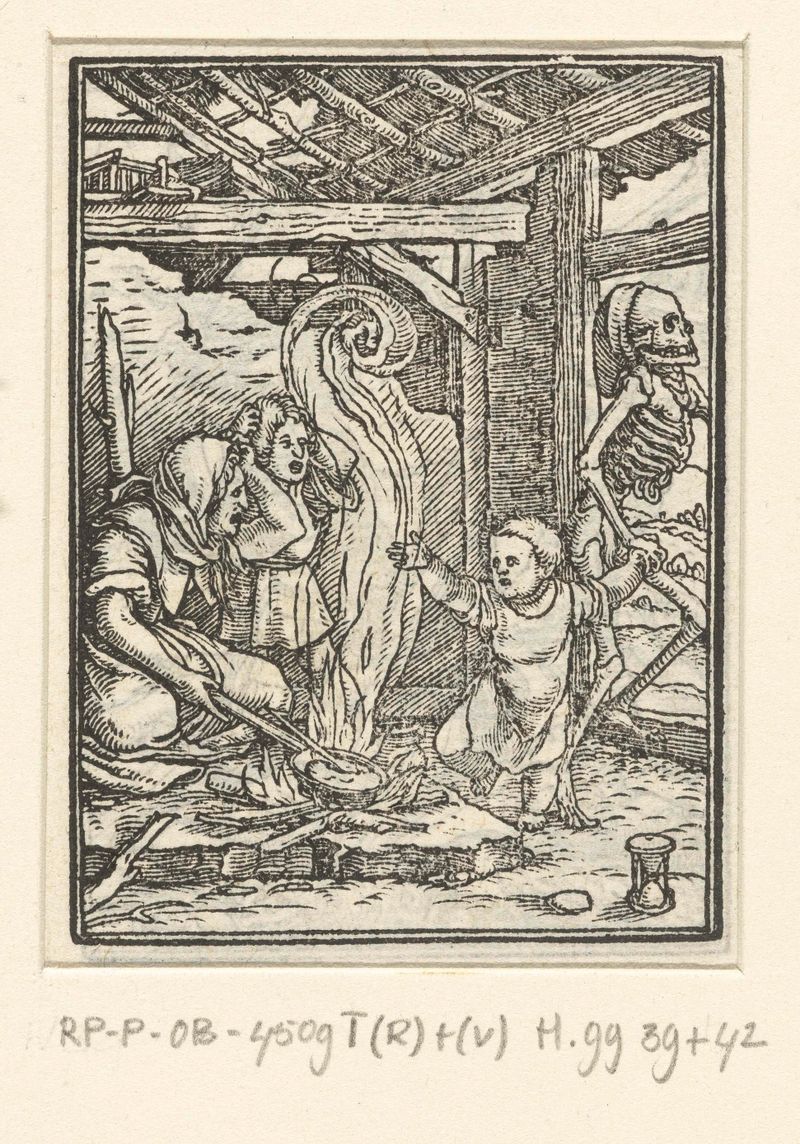
Kind en de Dood
Hans Holbein (II)
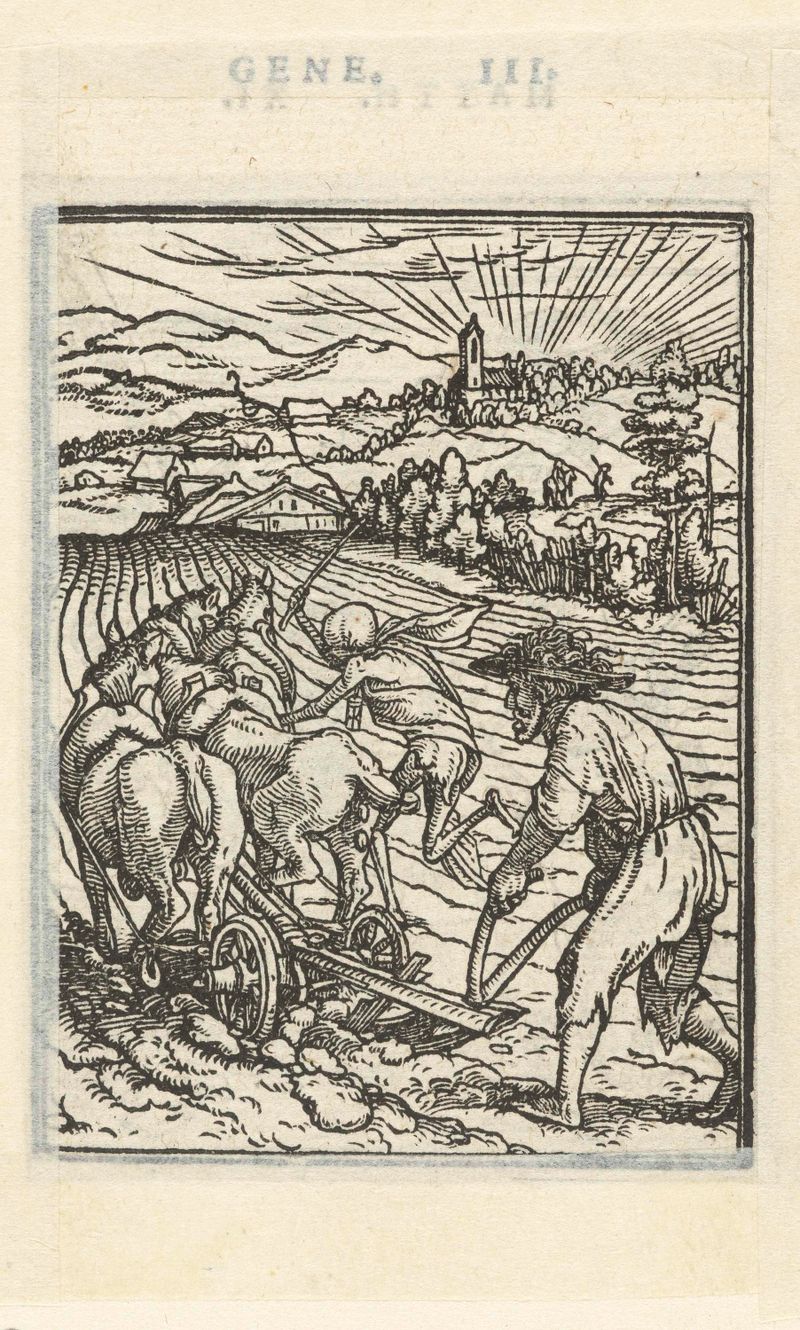
Boer en de Dood
Hans Holbein (II)
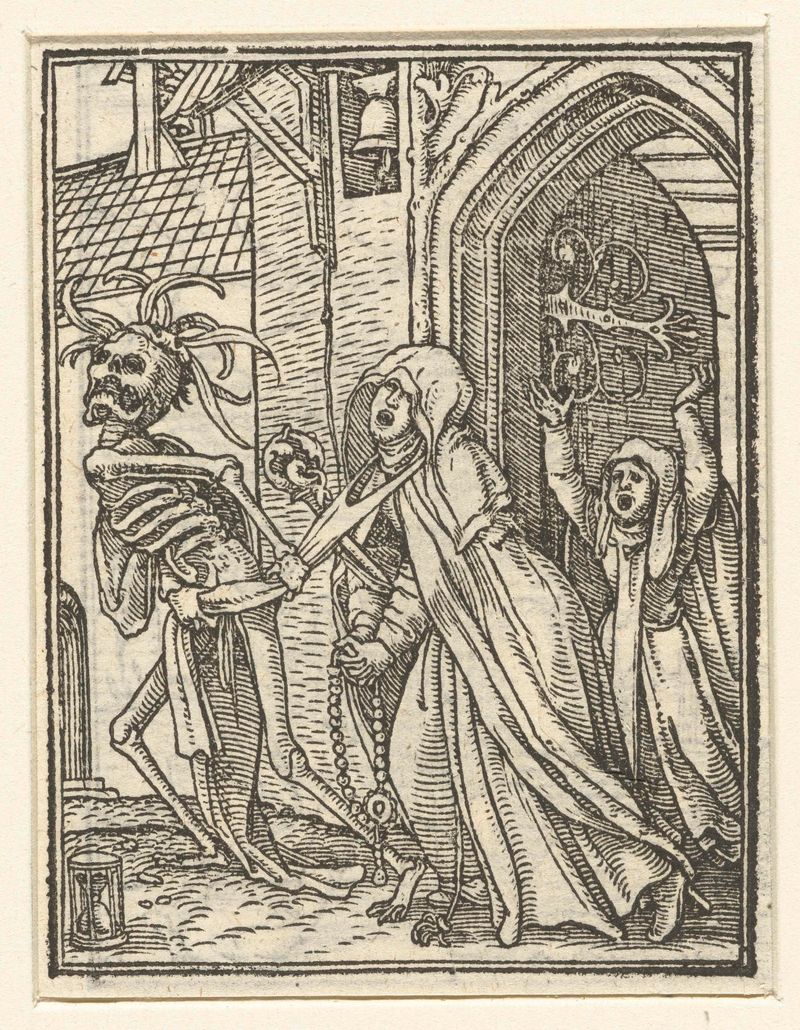
Abdis en de Dood
Hans Holbein (II)
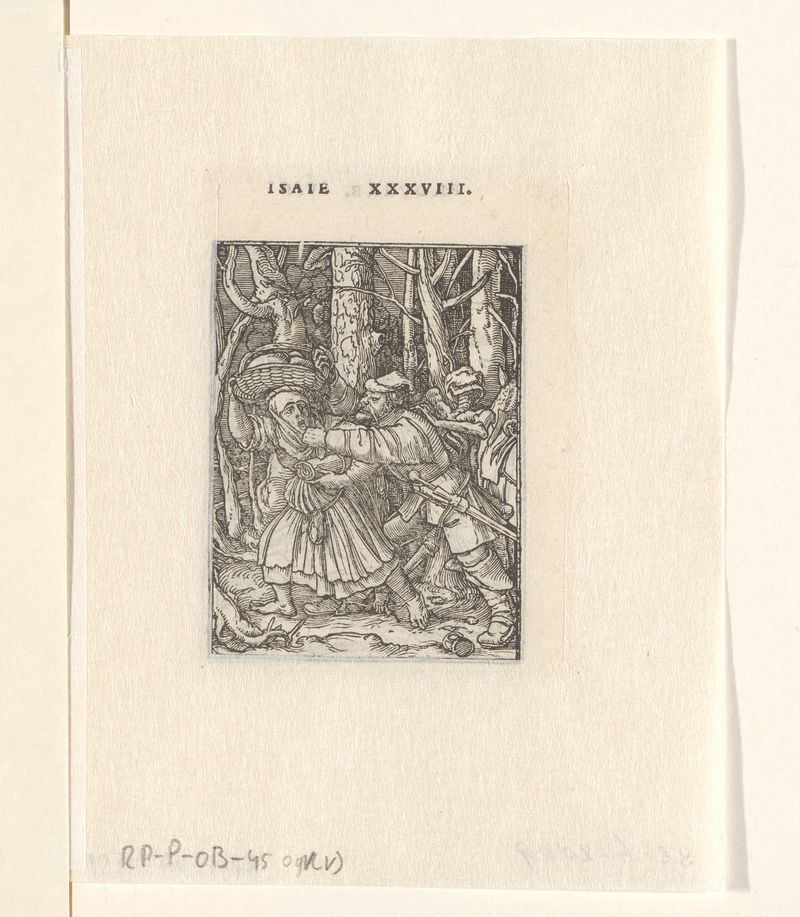
Dief en de Dood
Hans Holbein (II)
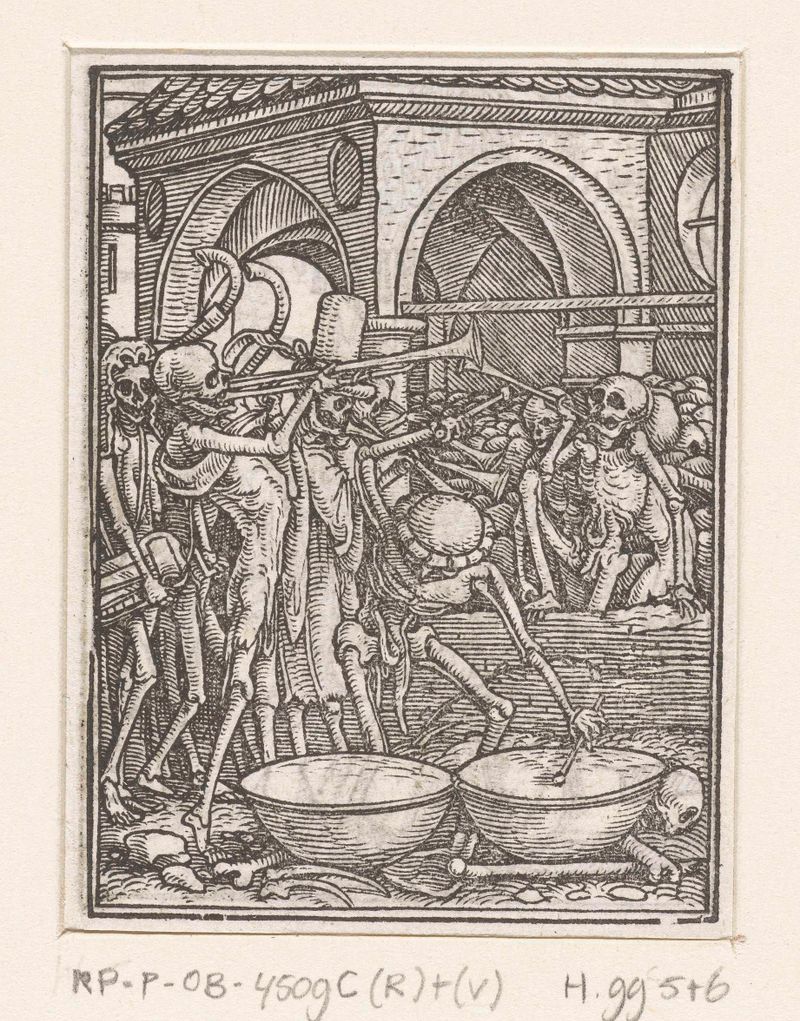
Skeletons Making Music from Dance of the Dead
Hans Holbein (II)
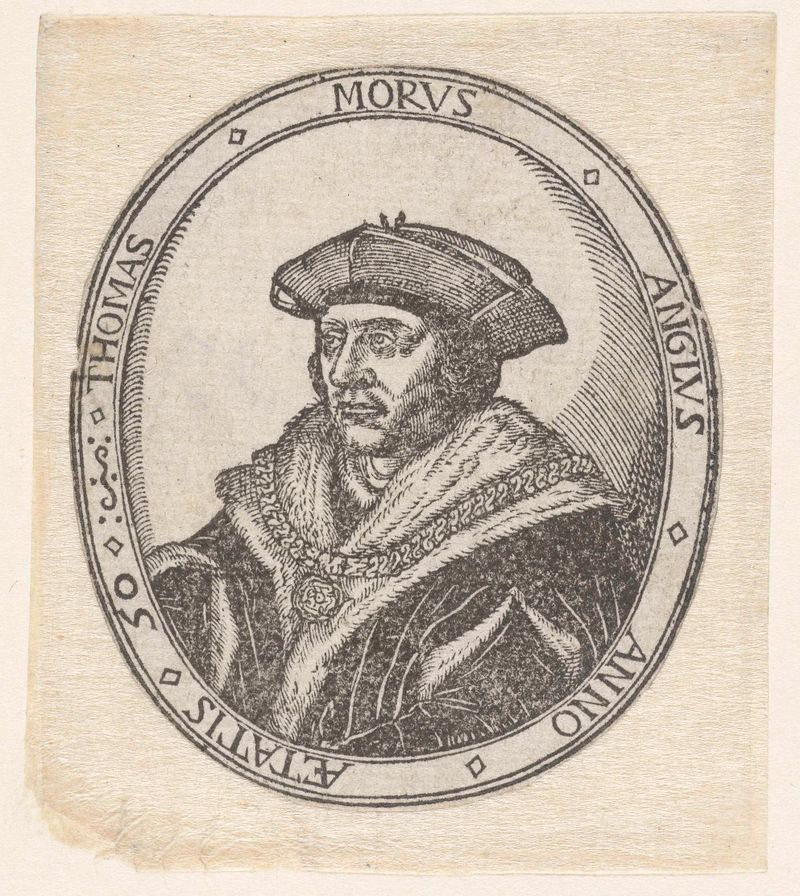
Portret van Thomas More
Hans Holbein (II)
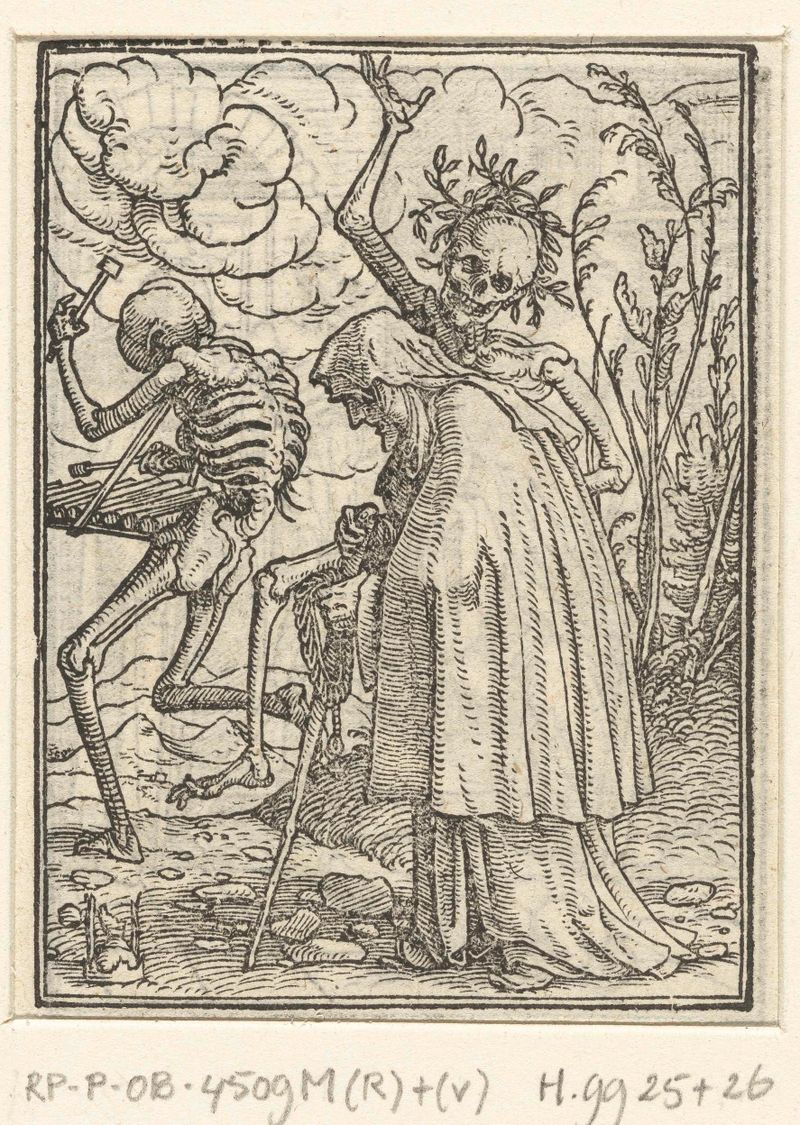
Oude vrouw en de Dood
Hans Holbein (II)
More Historical Art
Browse all →
The Night Watch Militia Company of District II under the Command of Captain Frans Banninck Cocq
Rembrandt van Rijn

Lincoln Memorial
Henry Bacon

The Third of May 1808
Francisco de Goya

Isaac and Rebecca, Known as ‘The Jewish Bride’
Rembrandt van Rijn

The Charge of the Mamelukes (1814)
Francisco de Goya

De vier ruiters van de apocalyps
Albrecht Dürer