
Terpsichore, Muse of Music and Dance — History & Facts
What first draws the eye is the poised, almost theatrical gesture of the muse as she stretches her arm upward, brush in hand, as if conducting the very air or summoning inspiration from the heavens. Her gaze follows the arc of her movement, intent and unhurried, while her other hand cradles a golden lyre adorned with a blue ribbon—a signal that this is not merely a portrait, but an allegory of music and dance. The sweep of her white sleeve and the lush red drapery catch the light, their textures rendered with a tactile precision that invites the viewer to imagine their weight and coolness.
Behind her, a distant scene of dancers and musicians unfolds in miniature, as if conjured by her presence, rooting this figure in her mythic role as Terpsichore, muse of lyric poetry and the dance. Painted around 1739, this work by Jean-Marc Nattier belongs to a world where allegory and portraiture often mingled, especially in the hands of artists favored by the French court. The Rococo era delighted in such playful, elegant representations of the muses, commissioned to decorate salons or to flatter the learned ambitions of their patrons. While little is recorded about the specific journey of this painting—its patrons, its early admirers, or its place in the artist’s own career—it survives as a testament to the period’s fascination with classical mythology, theatricality, and the power of the arts to civilize and enchant.
The world that produced this image was in love with the idea of inspiration itself; let your gaze wander back to the muse’s raised hand and consider what music or movement she might be conjuring, even now.
More Artworks by Jean-Marc Nattier

Madame Crozat de Thiers and Her Daughter
Jean-Marc Nattier
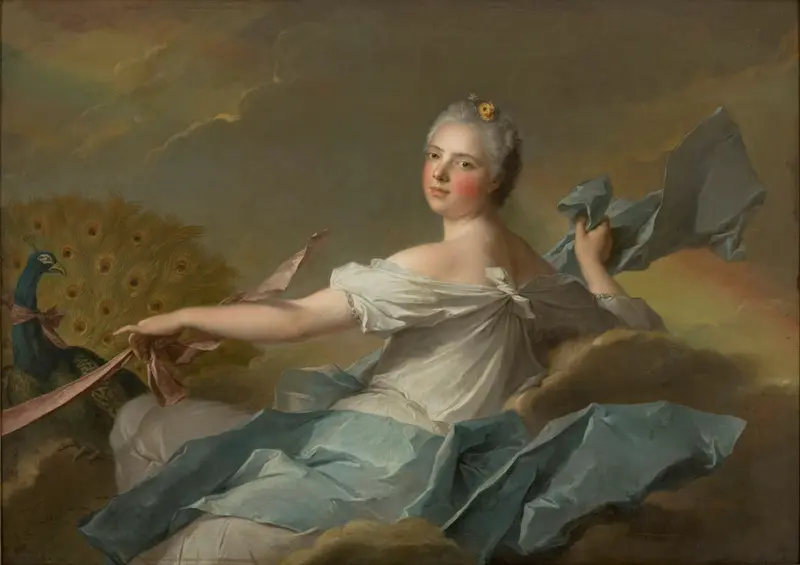
Princess Marie Adélaïde of France - The Air
Jean-Marc Nattier
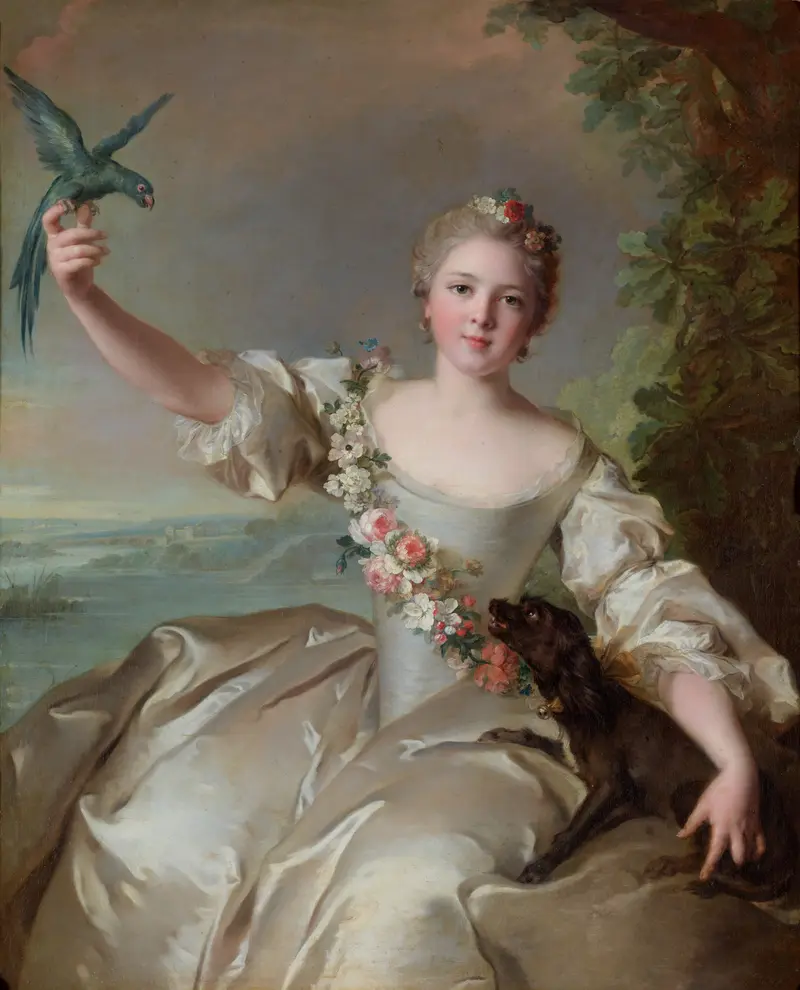
Portrait de Mathilde de Canisy, marquise d'Antin
Jean-Marc Nattier
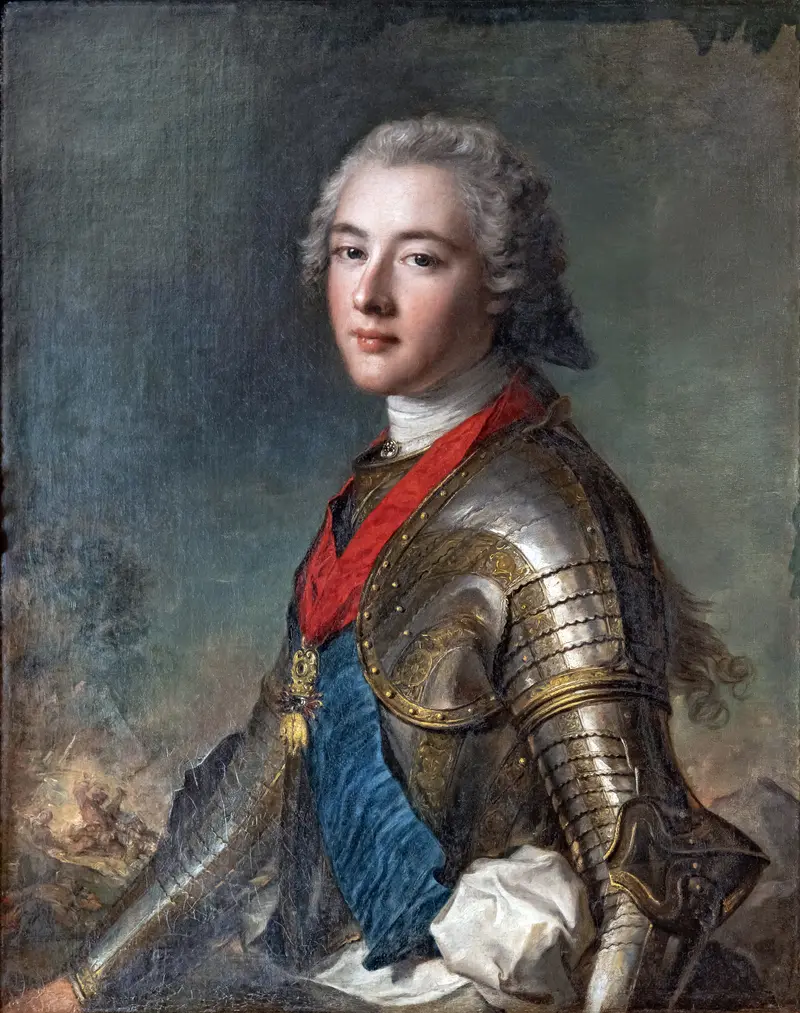
Bemberg Fondation Toulouse - Portrait de Louis Jean Marie de Bourbon, Duc de Penthièvre - Jean Marc Nattier inv.1158 82x65.4
Jean-Marc Nattier
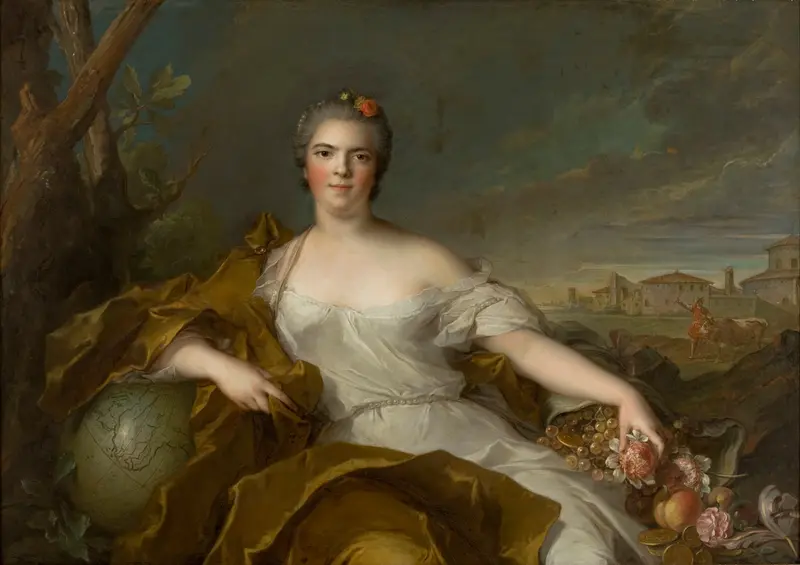
Princess Louise-Élisabeth of France - The Earth
Jean-Marc Nattier
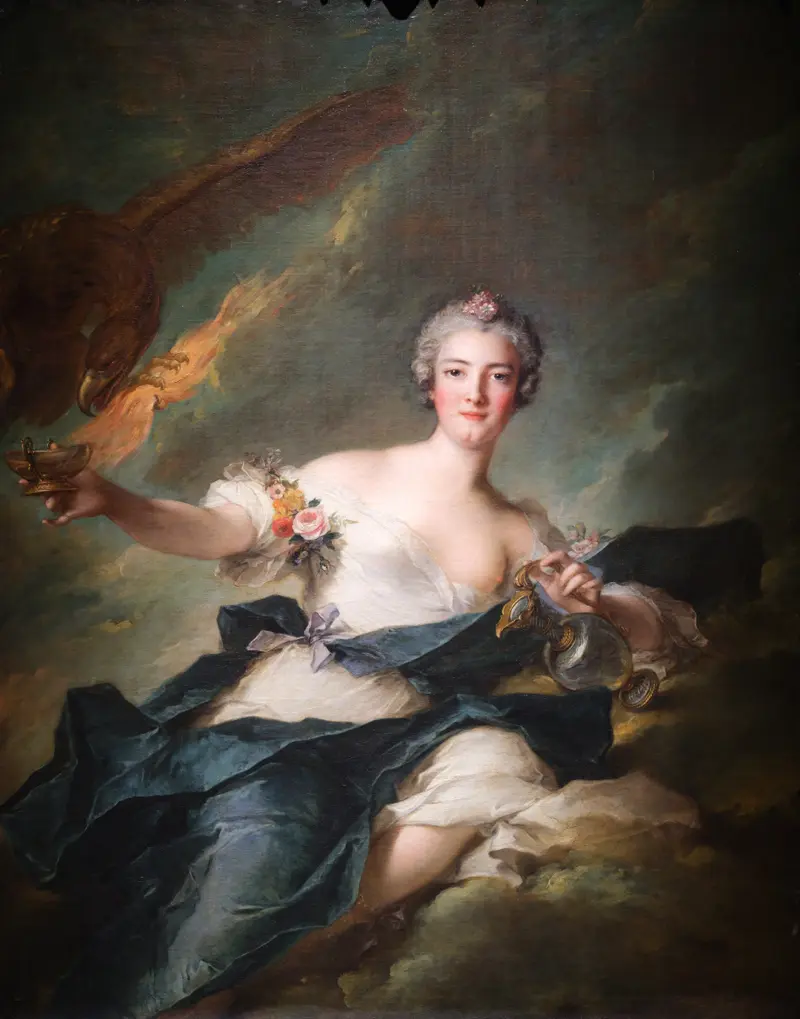
The Duchess of Chaulnes Represented as Hebe
Jean-Marc Nattier
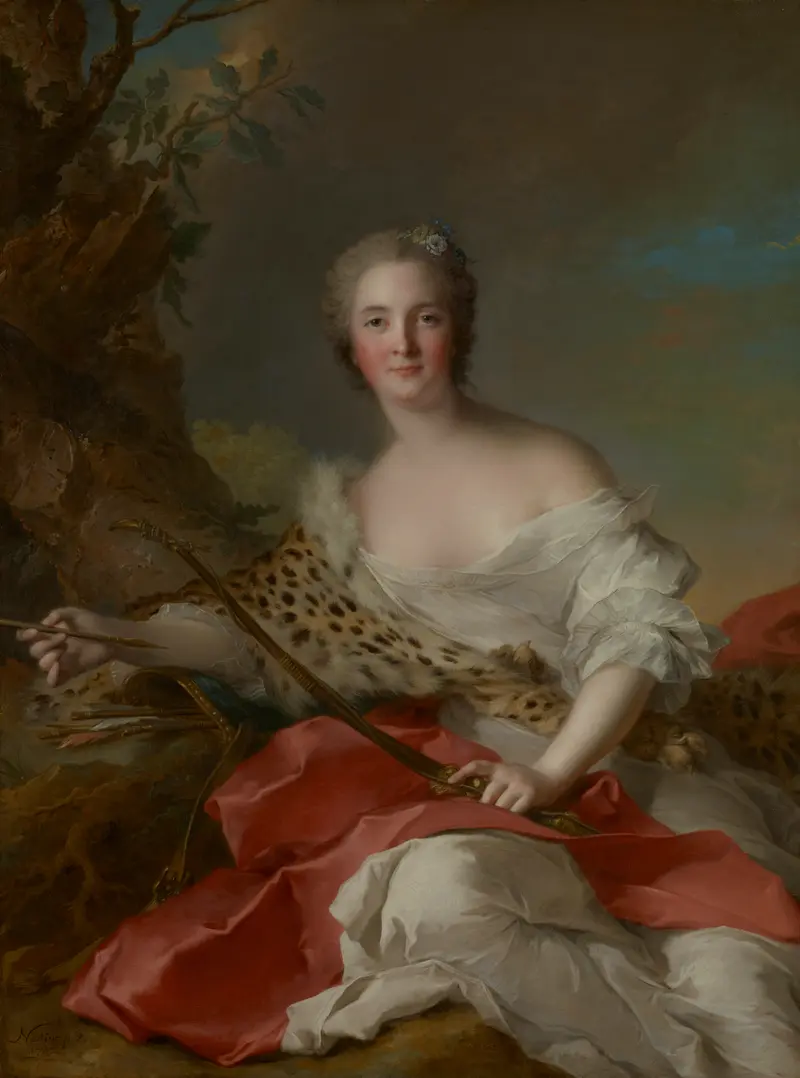
Portrait of Madame Bonnier de la Mosson as Diana (Constance-Gabrielle-Magdeleine du Monciel de Lauraille
Jean-Marc Nattier
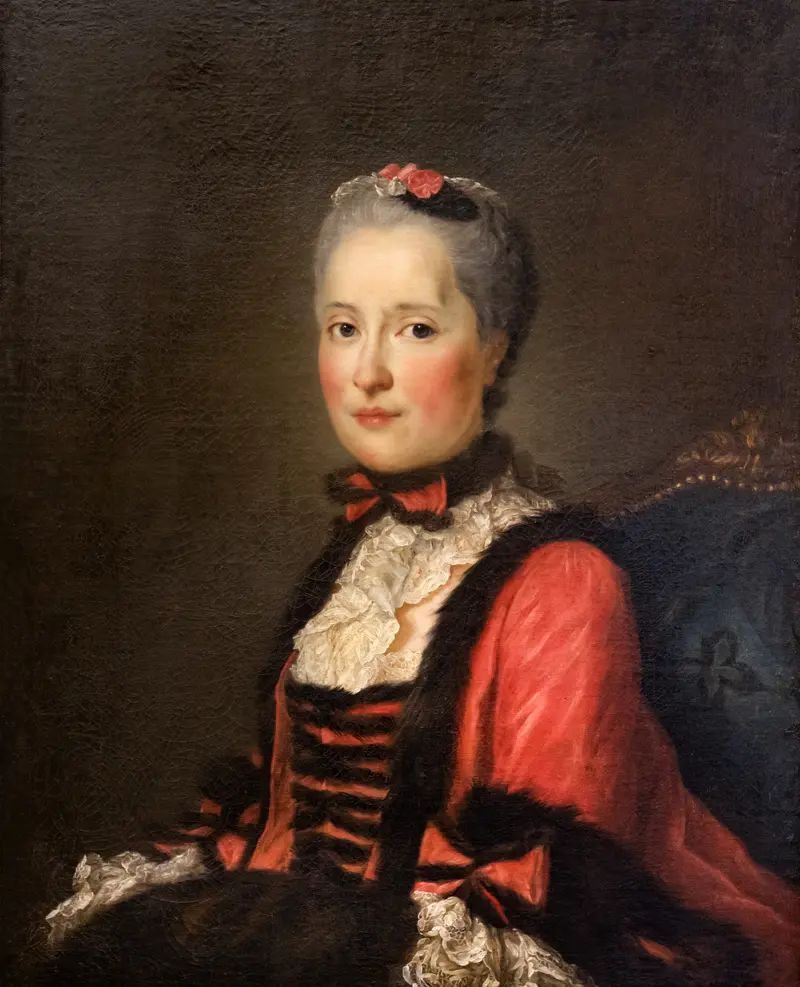
Portrait of Marie-Josephe of Saxony, Dauphine of France
Jean-Marc Nattier
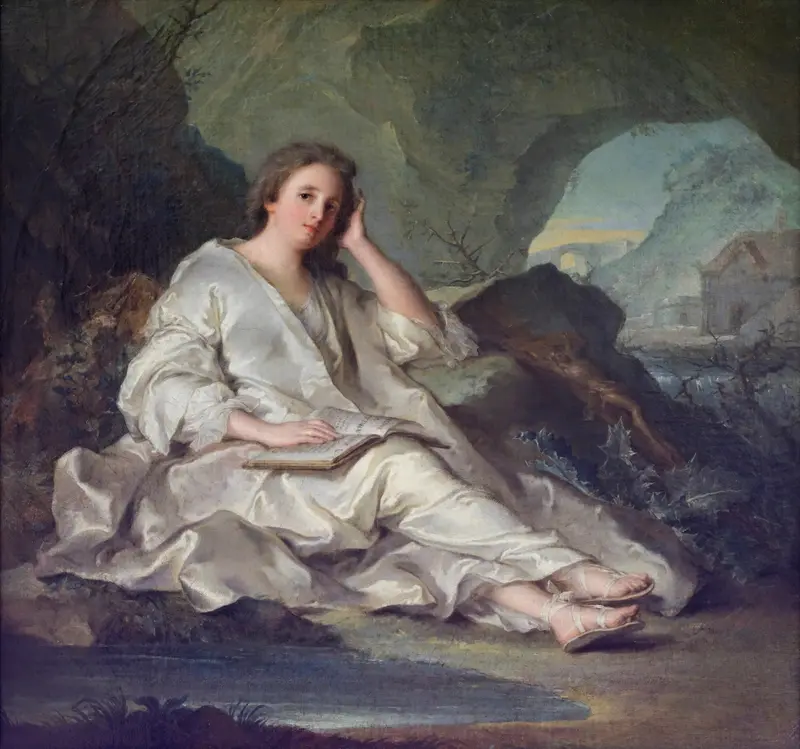
La Madeleine, ou Une Pénitente dans le désert Musée du Louvre Peintures INV 6880 ; MR
Jean-Marc Nattier
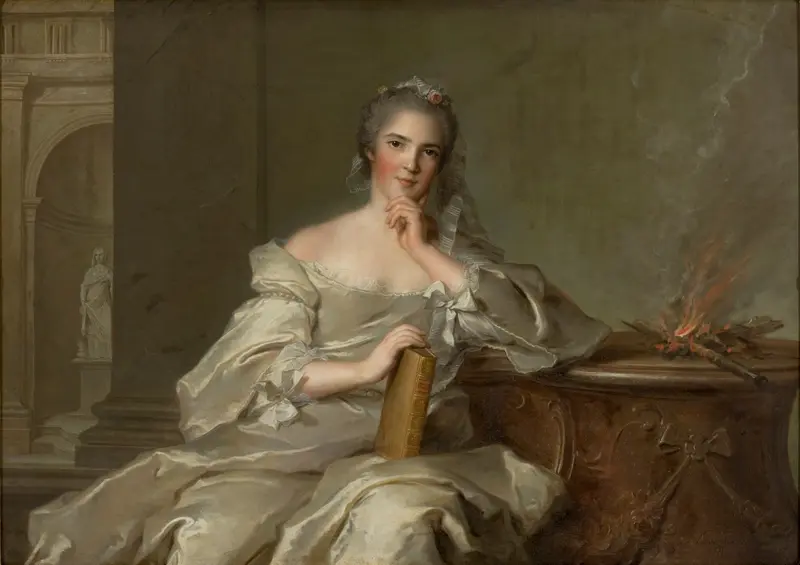
Princess Anne-Henriette of France - The Fire
Jean-Marc Nattier





