
Terugkeer van inwoners van Jeruzalem uit ballingschap — History & Facts
What if silence could speak through light? The longing for home is palpable, whispering through each meticulously painted detail in the poignant moment captured here. Look to the center of the composition; the returning figures emerge from a landscape steeped in muted tones, embodying a blend of hope and sorrow. Notice how the soft light bathes their faces, illuminating their expressions with a delicate intensity. The artist's use of rich browns and greys contrasts with the brighter hues of their garments, signifying the weight of their journey against the vibrancy of their desire for belonging. The interplay between stillness and motion creates a pulsing tension within the scene.
Each figure holds a story — the elderly man, stooped yet resolute, and the child clinging to the mother's hand, embodying innocence and the promise of renewal. These subtle gestures, juxtaposed with the barren landscape, reveal the emotional spectrum of exile and return, as hope emerges from desolation. Created in 1538, Hans Holbein painted this work during a period marked by religious upheaval and shifting allegiances in Europe. Working in Basel at the time, he was influenced by the Reformation and the cultural currents that sought to redefine identity and belonging.
This painting reflects not only a biblical narrative but also the artist's interpretation of the universal yearning for connection and homecoming amidst turbulent times.
More Artworks by Hans Holbein (II)
Browse all →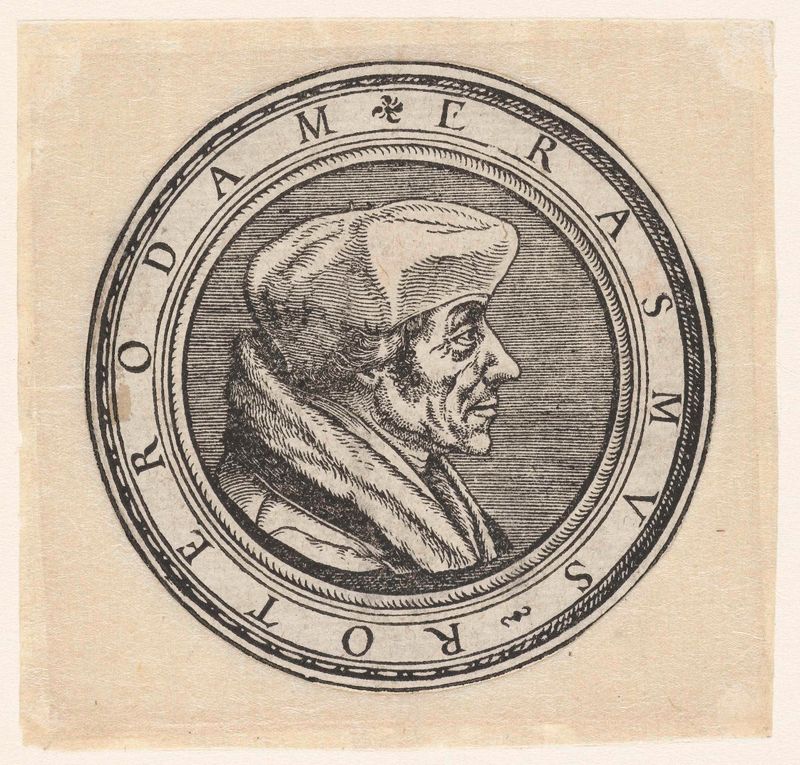
Portret van Erasmus
Hans Holbein (II)
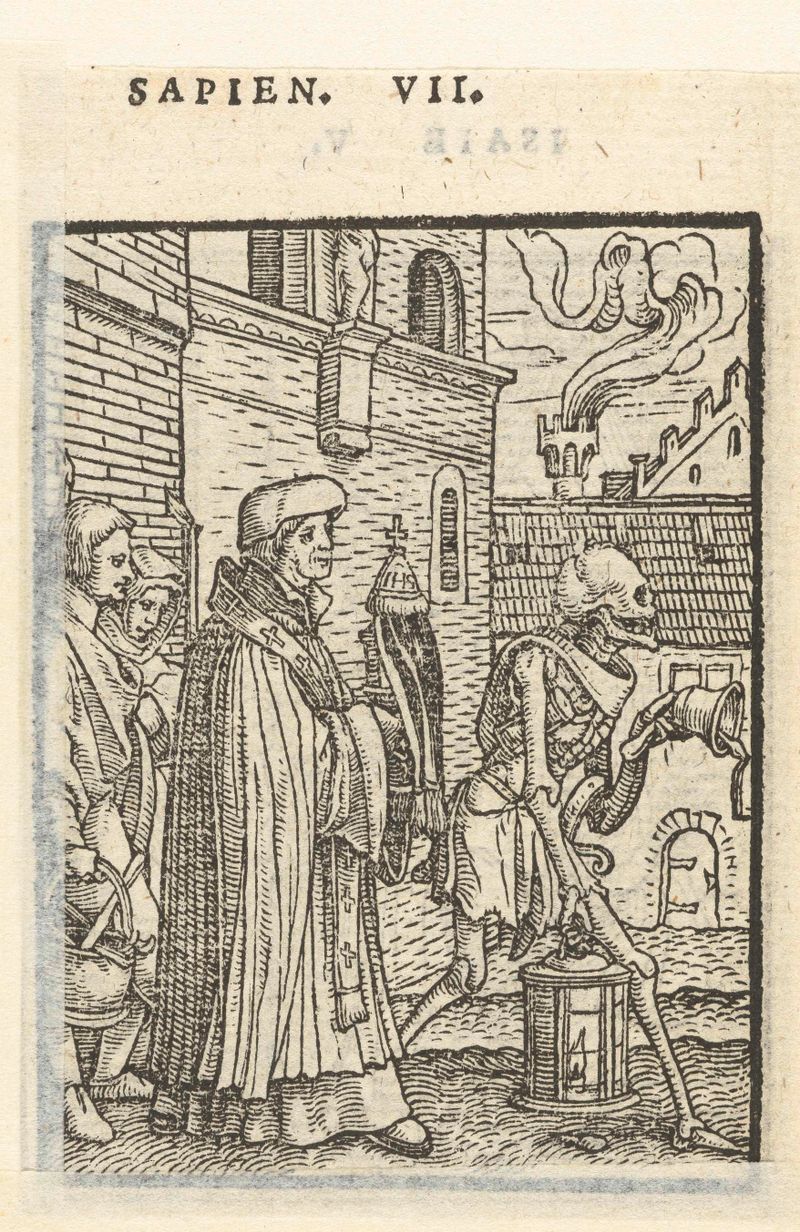
Priester en de Dood
Hans Holbein (II)
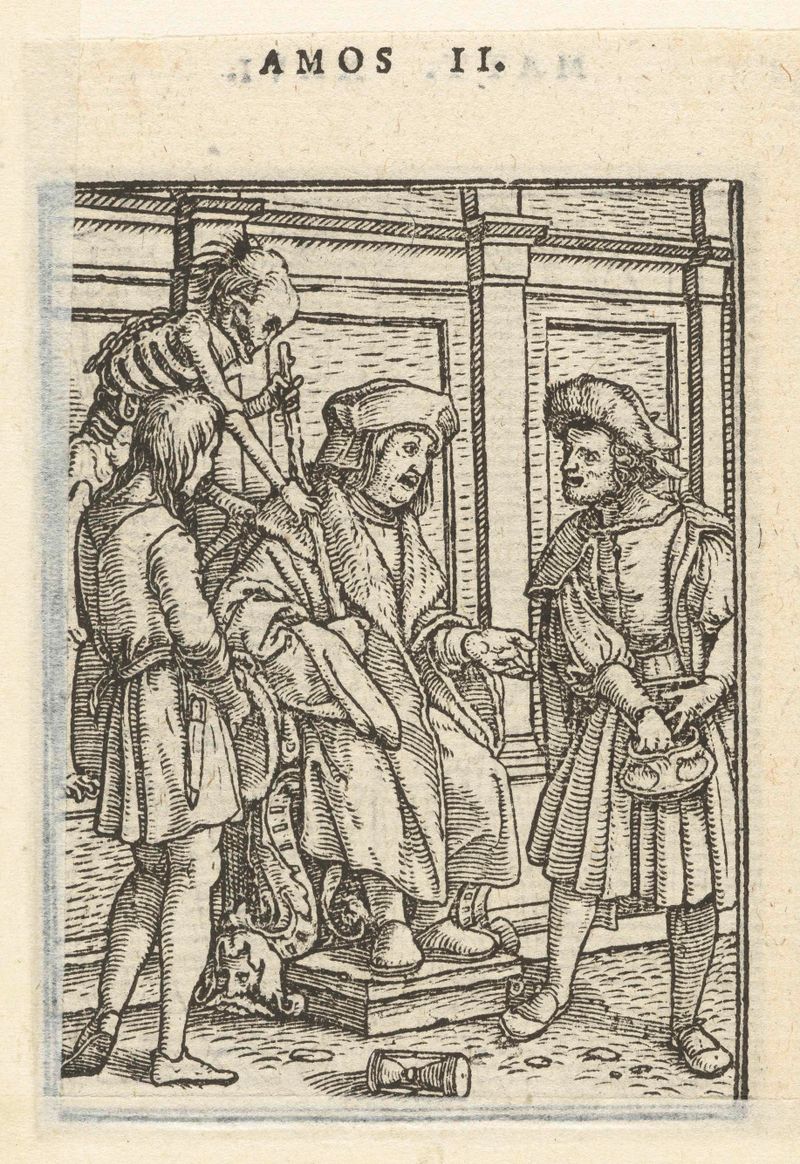
Rechter en de Dood
Hans Holbein (II)
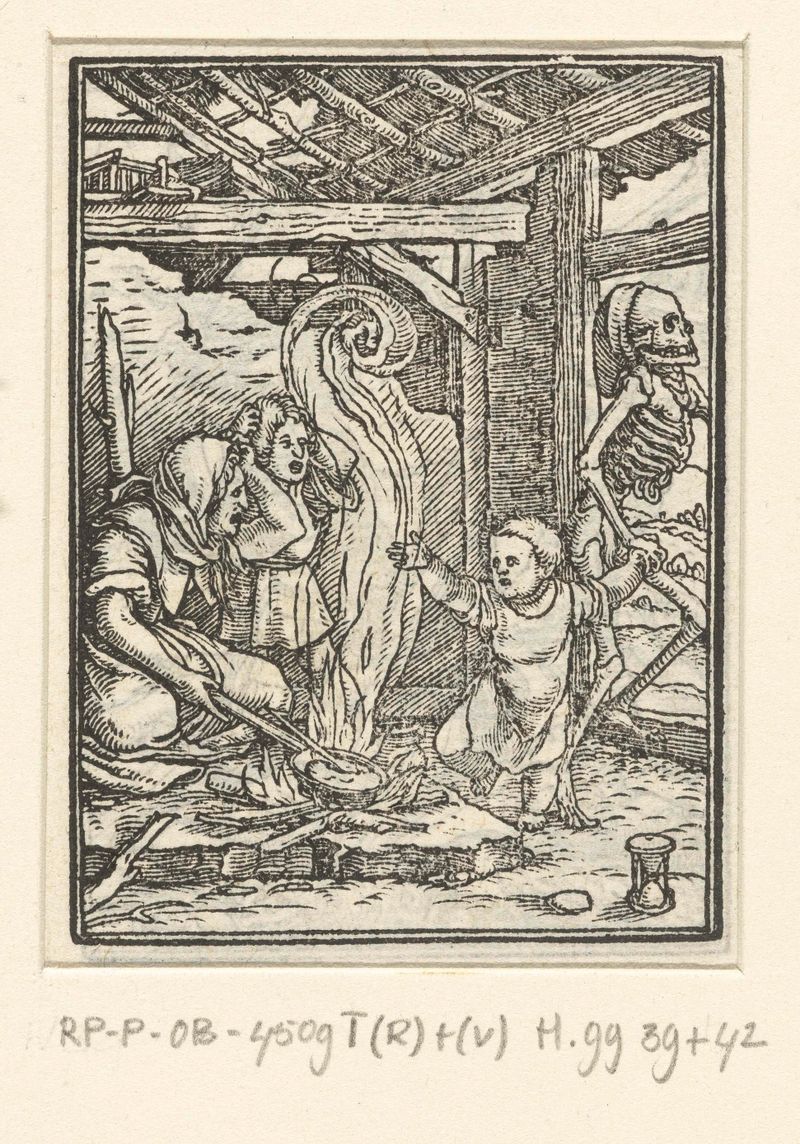
Kind en de Dood
Hans Holbein (II)
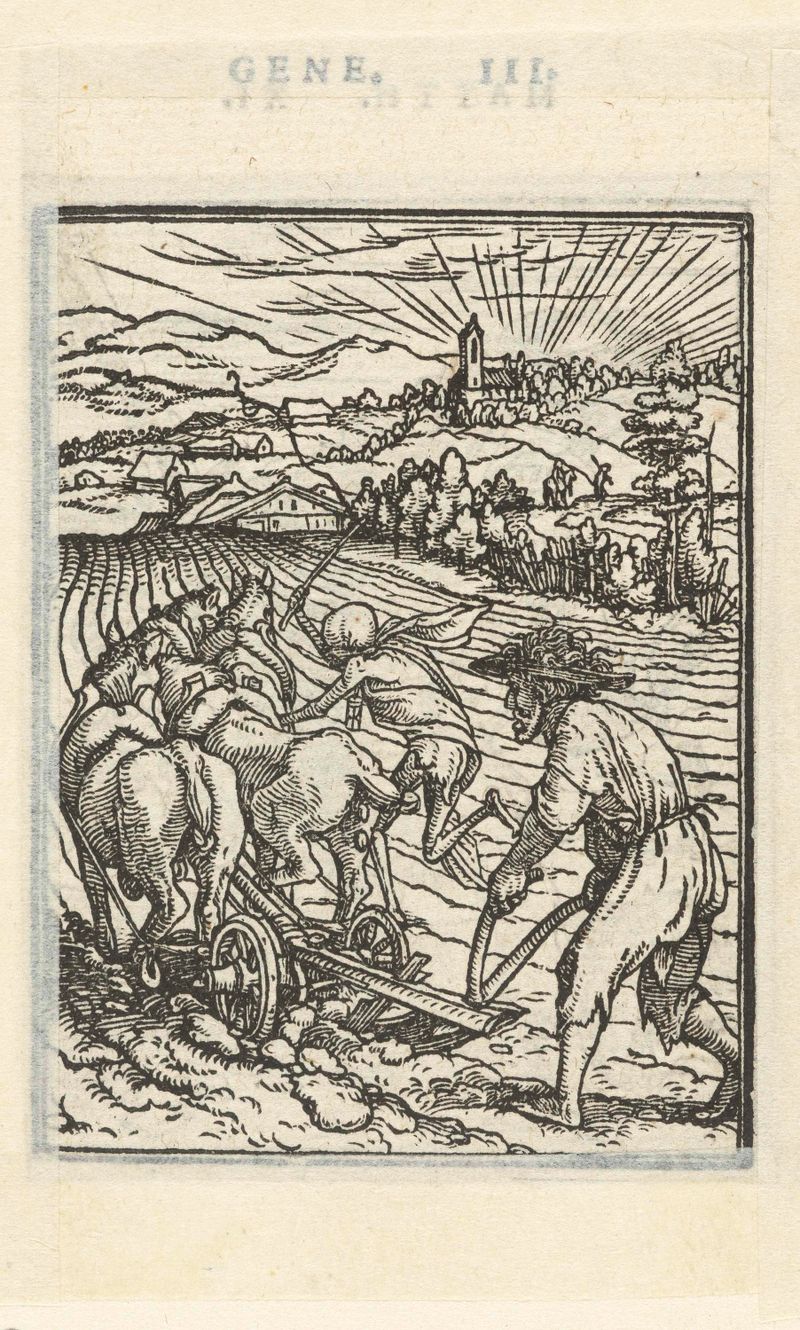
Boer en de Dood
Hans Holbein (II)
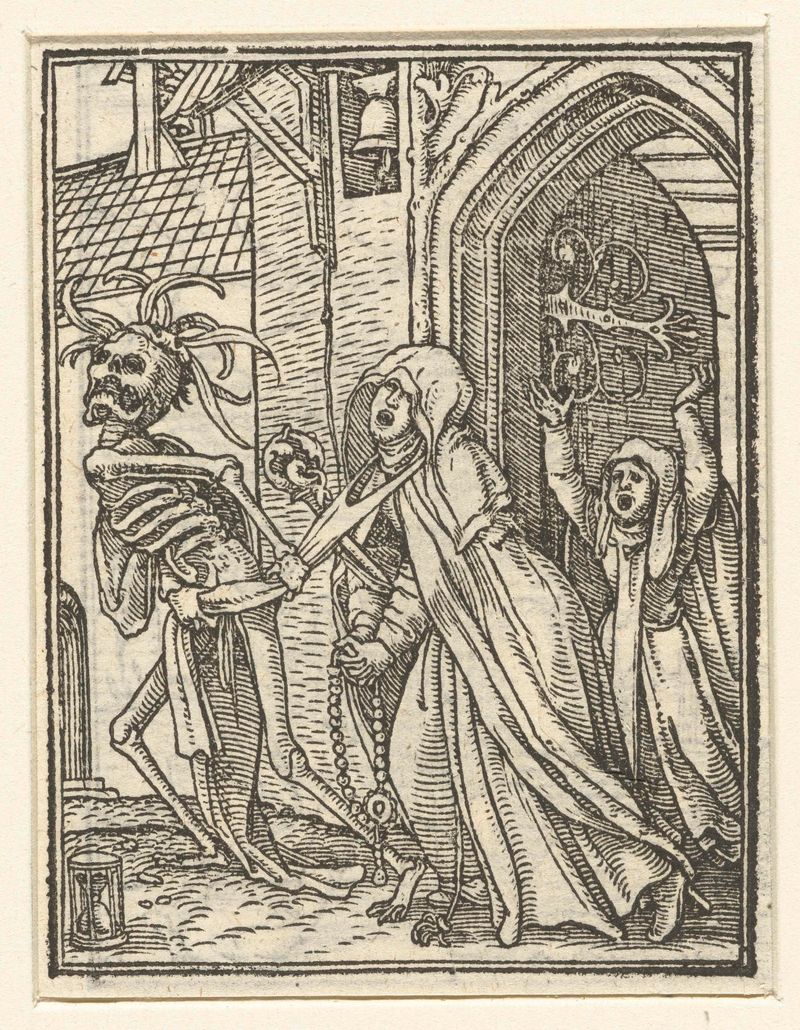
Abdis en de Dood
Hans Holbein (II)
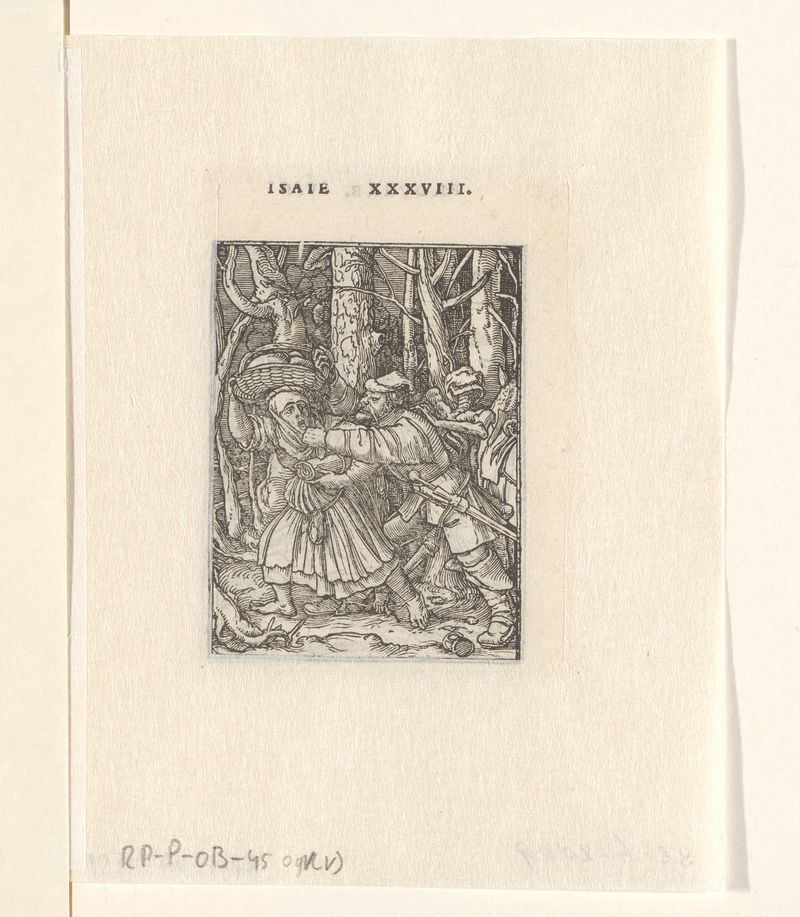
Dief en de Dood
Hans Holbein (II)
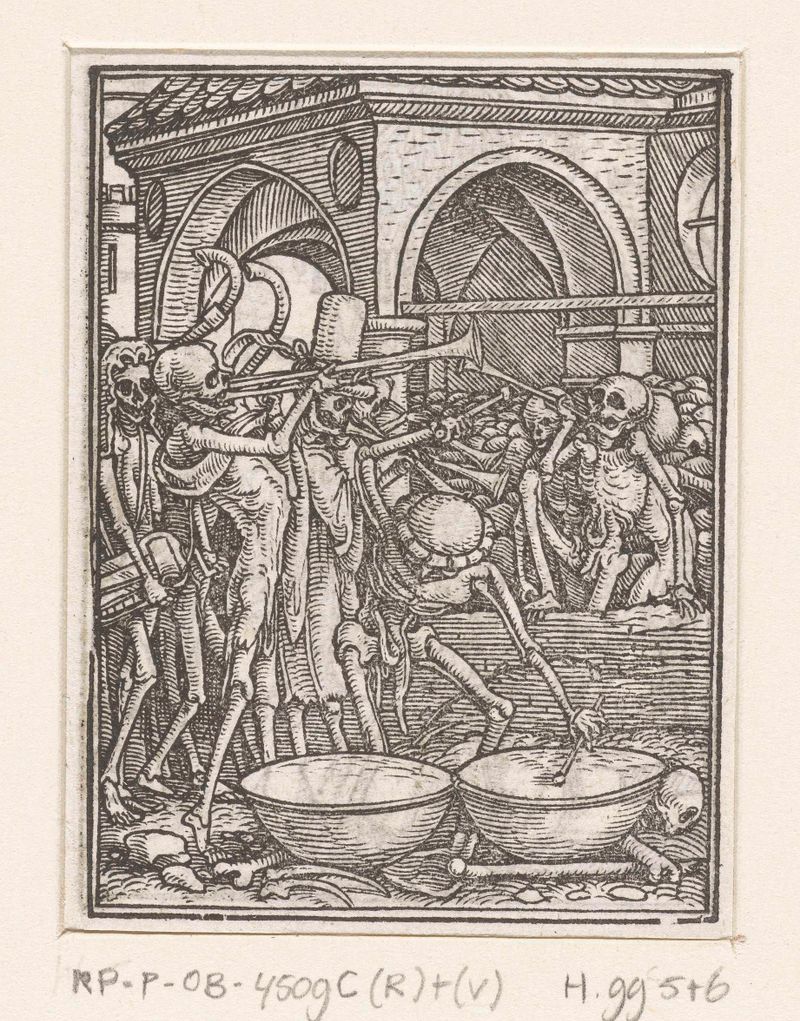
Skeletons Making Music from Dance of the Dead
Hans Holbein (II)
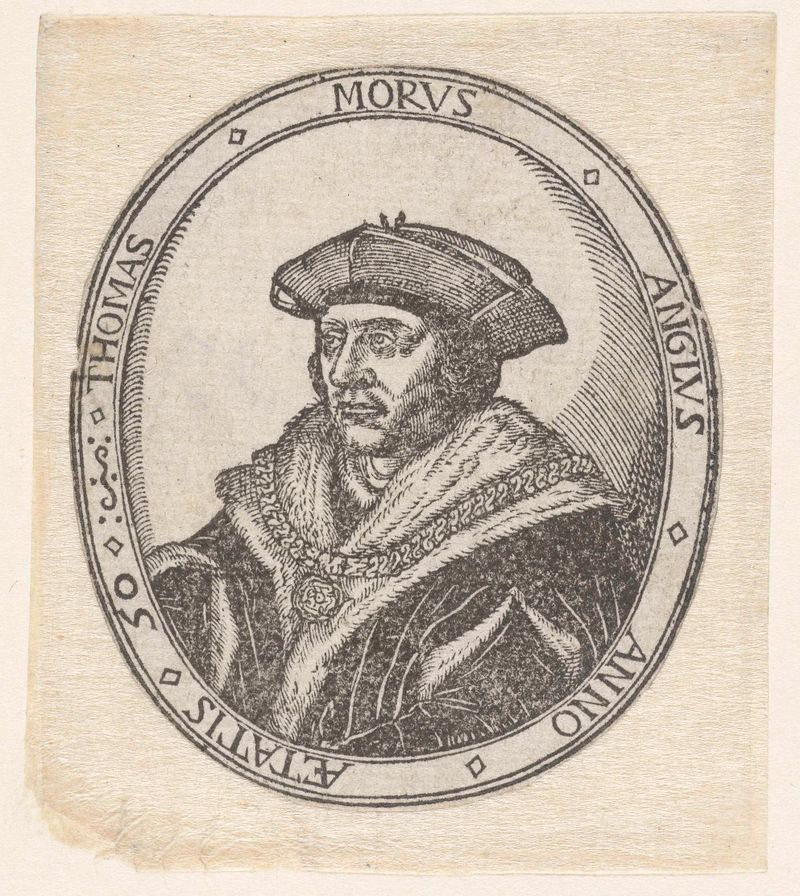
Portret van Thomas More
Hans Holbein (II)
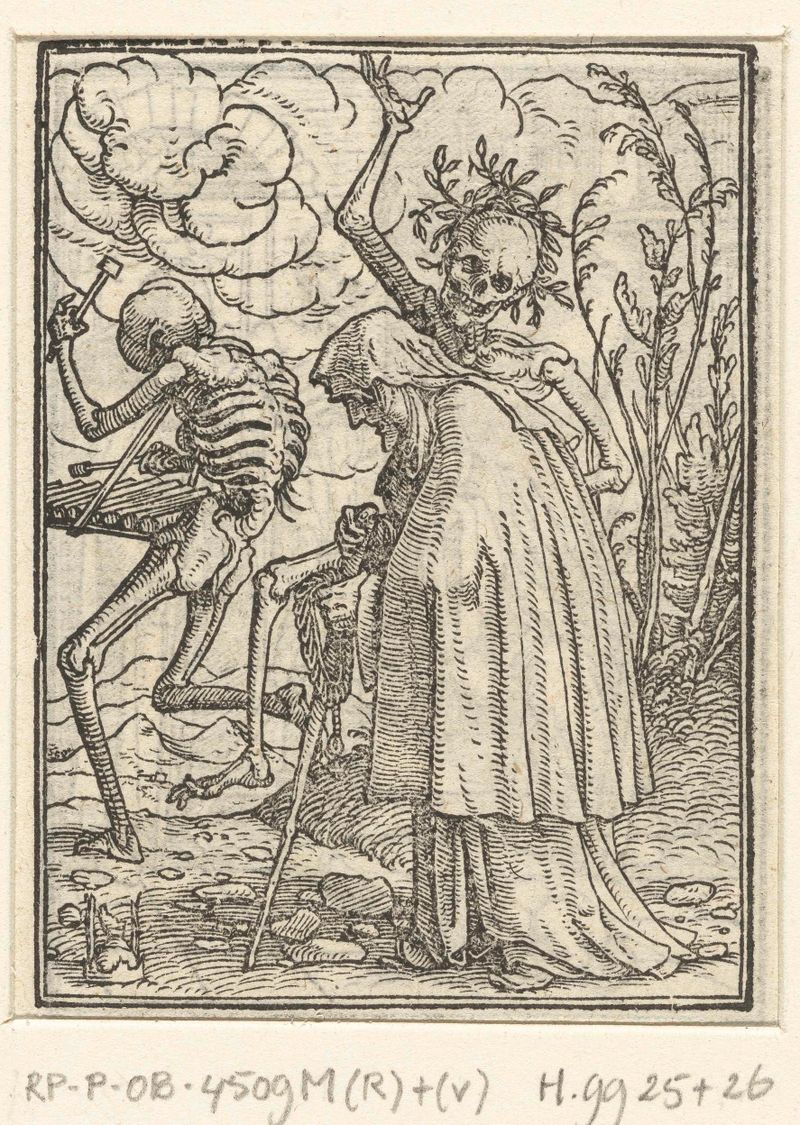
Oude vrouw en de Dood
Hans Holbein (II)
More Historical Art
Browse all →
The Night Watch Militia Company of District II under the Command of Captain Frans Banninck Cocq
Rembrandt van Rijn

Lincoln Memorial
Henry Bacon

The Third of May 1808
Francisco de Goya

Isaac and Rebecca, Known as ‘The Jewish Bride’
Rembrandt van Rijn

The Charge of the Mamelukes (1814)
Francisco de Goya

De vier ruiters van de apocalyps
Albrecht Dürer