
The Adoration of the Kings — History & Facts
When William Blake painted The Adoration of the Kings in 1799, he was working on a remarkable commission: a series of biblical watercolours for his patron Thomas Butts. This project, which eventually numbered over fifty works, marked one of the most productive and imaginative periods of Blake’s life. The precise medium of this particular painting remains uncertain, adding to its air of mystery—unusual for an artist so closely associated with both poetry and printmaking.
Unlike the grand altarpieces of the Old Masters, Blake’s vision was destined for a private collector’s domestic setting, reflecting the intimate scale and personal spirituality of his work. At the heart of The Adoration of the Kings is the moment when the three Magi, guided by a star, kneel before the infant Christ. Blake chooses not the opulent spectacle often seen in Renaissance treatments, but a hushed, almost visionary encounter. The kings, rendered with delicate, elongated features, offer their gifts with humility rather than grandeur; their gestures are gentle, their eyes fixed in awe.
The light in the scene seems to emanate from the Christ child himself, bathing Mary and the visitors in a warm, otherworldly glow. Compared to Rubens’ bustling, jewel-toned Adoration of the Magi, Blake’s version is stripped of pageantry, focusing instead on spiritual revelation and the quiet wonder of the moment. The painting’s journey after its creation is less documented than some of Blake’s other works. Many of the biblical watercolours commissioned by Butts remained in his family for decades, only gradually dispersing into public and private collections.
Today, The Adoration of the Kings is recognized as part of Blake’s extraordinary late-18th-century output, a period when he was largely overlooked by the art establishment but quietly redefining religious art for a new age. Its survival and rediscovery have helped cement Blake’s reputation as a visionary who, even in familiar stories, found new ways to see.
Sources: Wikidata Q119023377 · Image source (Wikimedia Commons)
More Artworks by William Blake
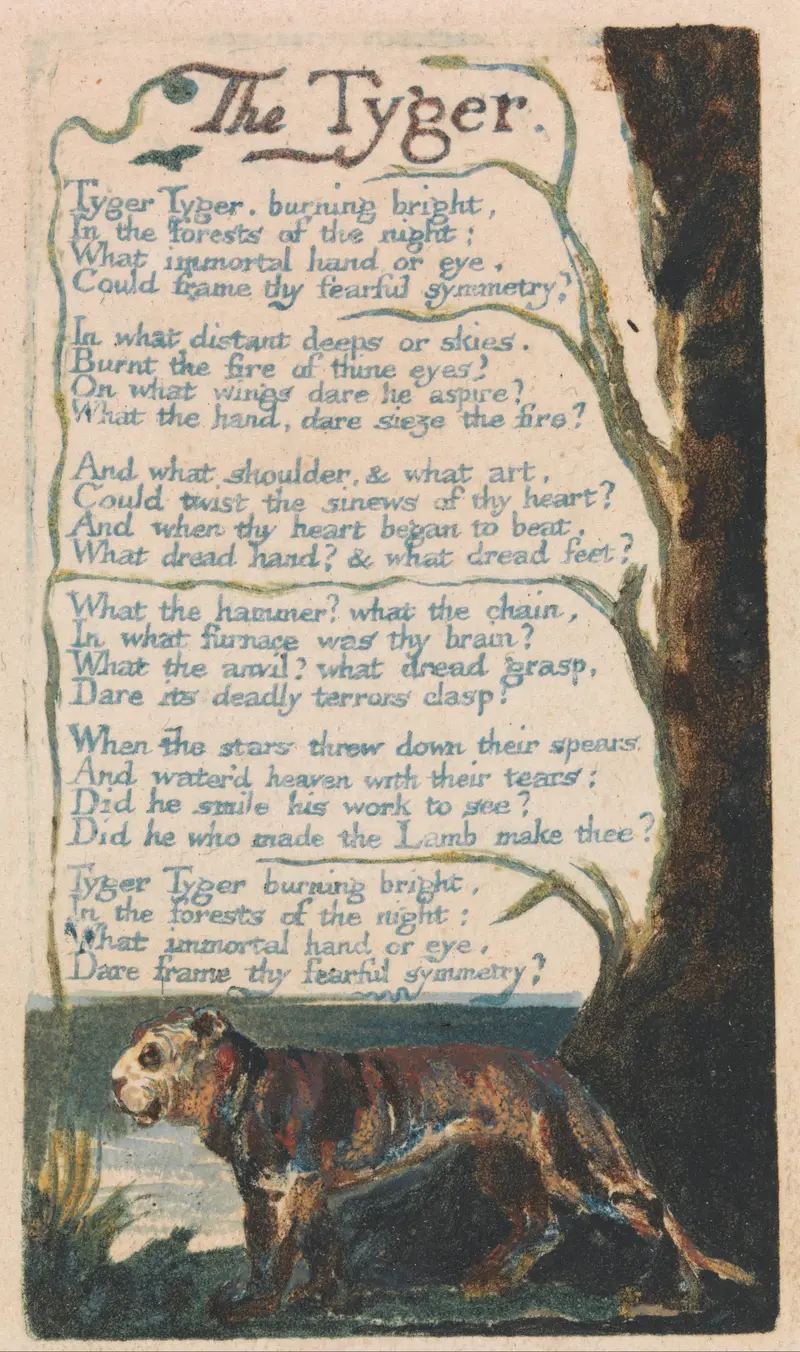
The Tyger
William Blake

Christ Blessing
William Blake
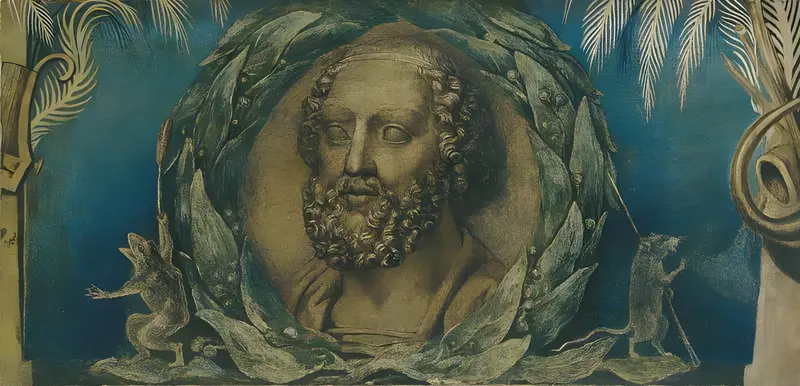
Homer
William Blake
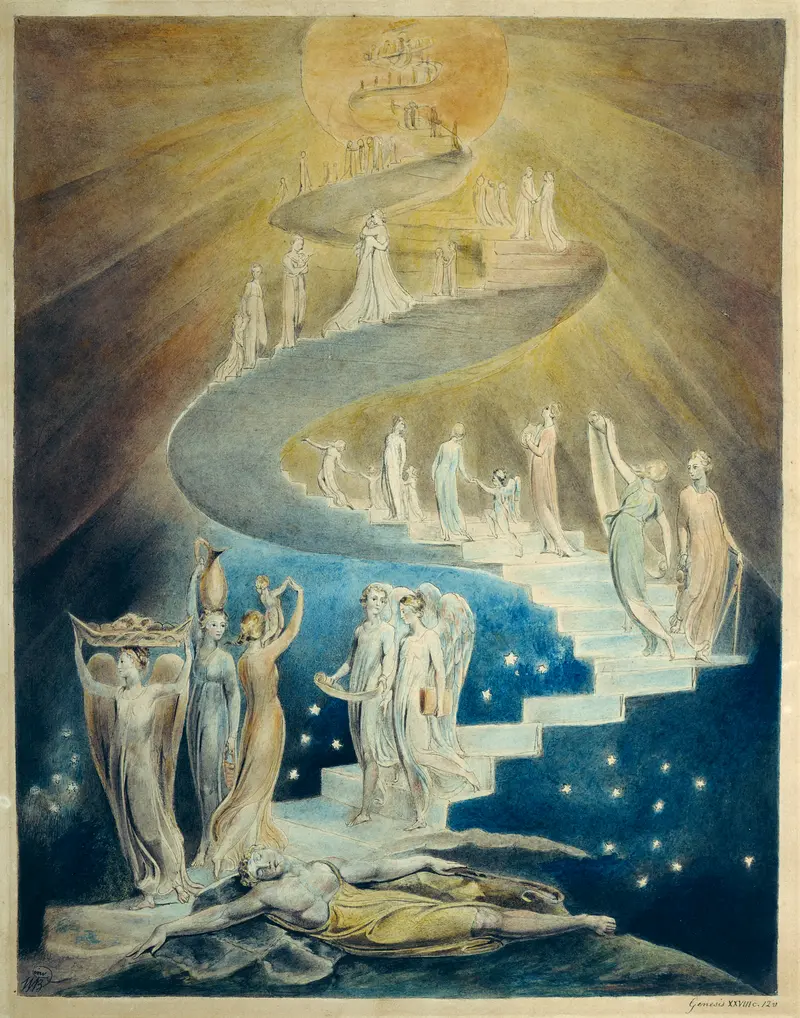
Jacob's Ladder
William Blake
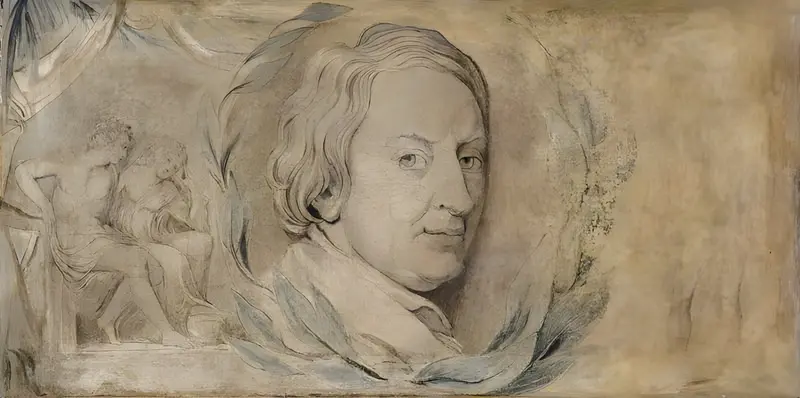
John Dryden (1631–1700)
William Blake
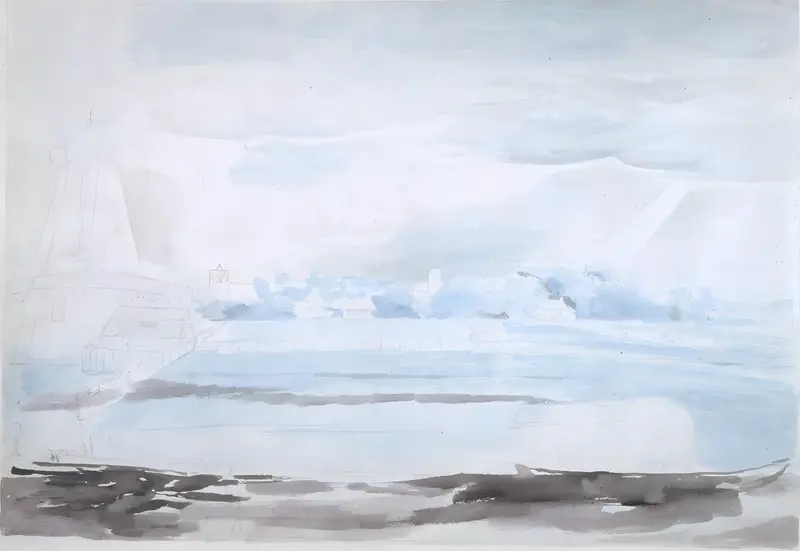
Landscape near Felpham
William Blake
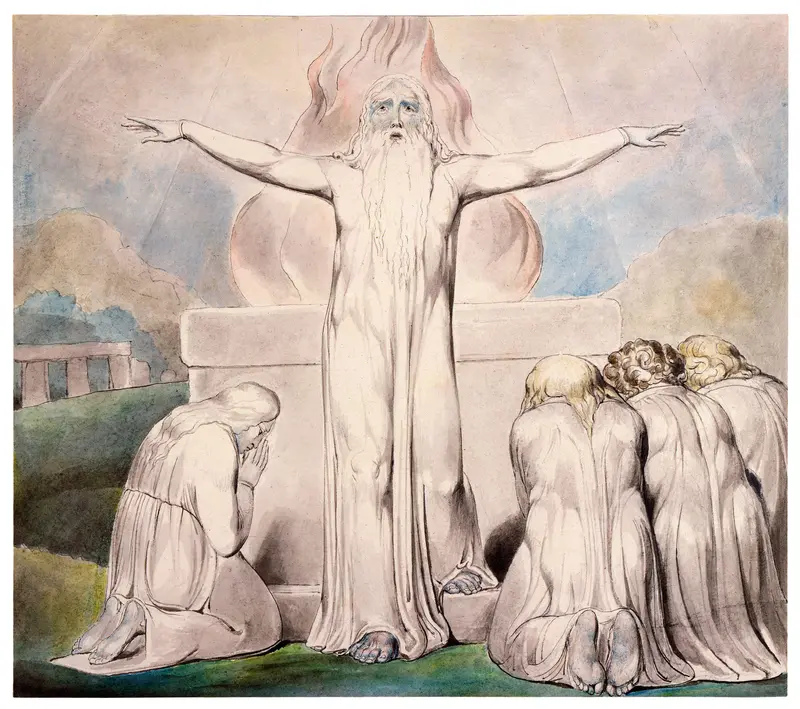
Sacrifice of Job
William Blake
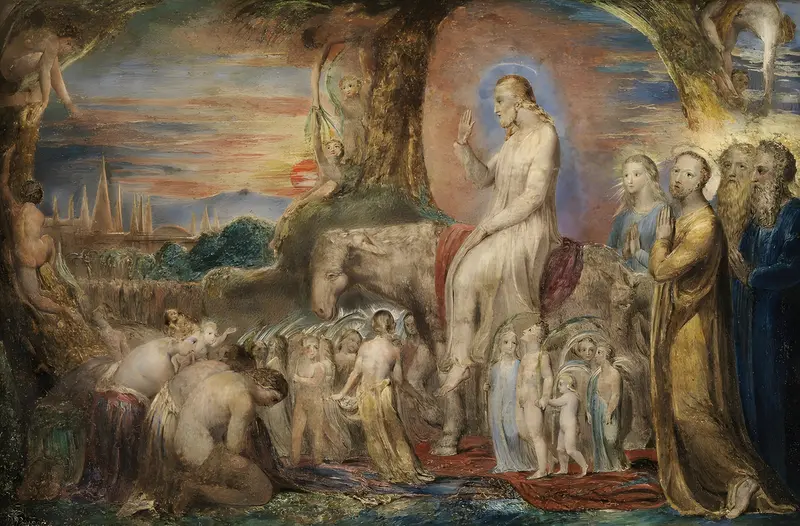
Christ's Entry into Jerusalem
William Blake
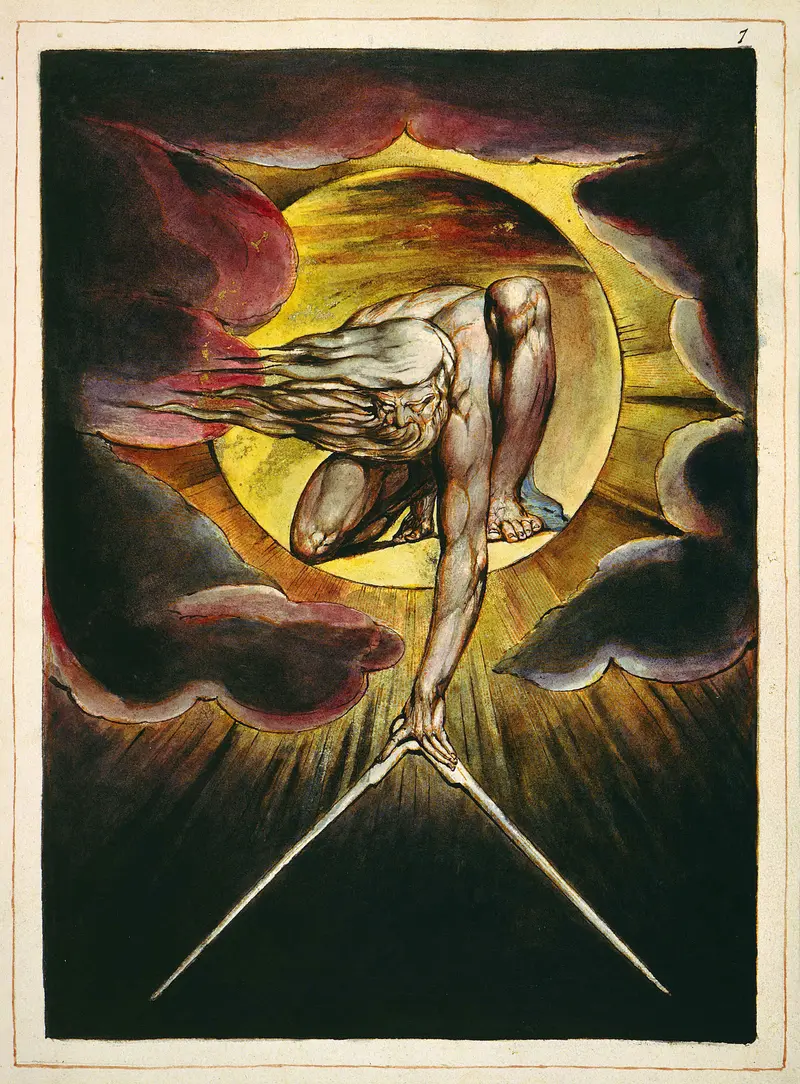
The Ancient of Days
William Blake
Adam Naming the Beasts
William Blake





