
The adoration of the Magi — History & Facts
Few subjects in Christian art have inspired as many interpretations as the visit of the Magi, but Abraham Bloemaert’s The adoration of the Magi stands out for its theatrical composition and the painter’s role in shaping Dutch Mannerism. While the exact date and commission of this work remain uncertain, it is part of a tradition that saw Bloemaert return to the theme multiple times, each version reflecting the shifting tastes of Utrecht’s cosmopolitan patrons in the late sixteenth and early seventeenth centuries. The painting’s enduring appeal lies in its blend of Northern detail and Italianate grandeur, a synthesis that Bloemaert helped introduce to Dutch art. Here, the story pauses at the moment when the three kings, having journeyed from distant lands, kneel before the infant Christ.
Bloemaert fills the canvas with swirling drapery and vivid color: gold and frankincense glint in the foreground, while the eldest king bows low, his crown set aside as a gesture of humility. The Virgin Mary, serene and luminous, presents the child to her visitors, while Joseph stands protectively nearby. The architecture in the background hints at ruined antiquity, underscoring the idea of the old world giving way to the new.
Compared to the more restrained approach of Pieter Bruegel the Elder in his own Adoration of the Magi, Bloemaert’s version is crowded and ornate, reveling in the spectacle of devotion. The physical history of this painting is less well documented than its subject. Like many works by Abraham Bloemaert, it likely moved through private collections, prized for its vivid storytelling and technical finesse. Bloemaert’s reputation as a teacher and innovator in Utrecht ensured that his religious scenes were widely collected and copied, influencing a generation of Dutch painters.
Today, The adoration of the Magi is recognized as a key example of Northern Mannerism, reflecting both the international ambitions of its creator and the devotional needs of its original audience. Its survival allows us to witness a moment when the old and new worlds meet, both in story and in paint.
More Artworks by Abraham Bloemaert

Adam and Eve
Abraham Bloemaert
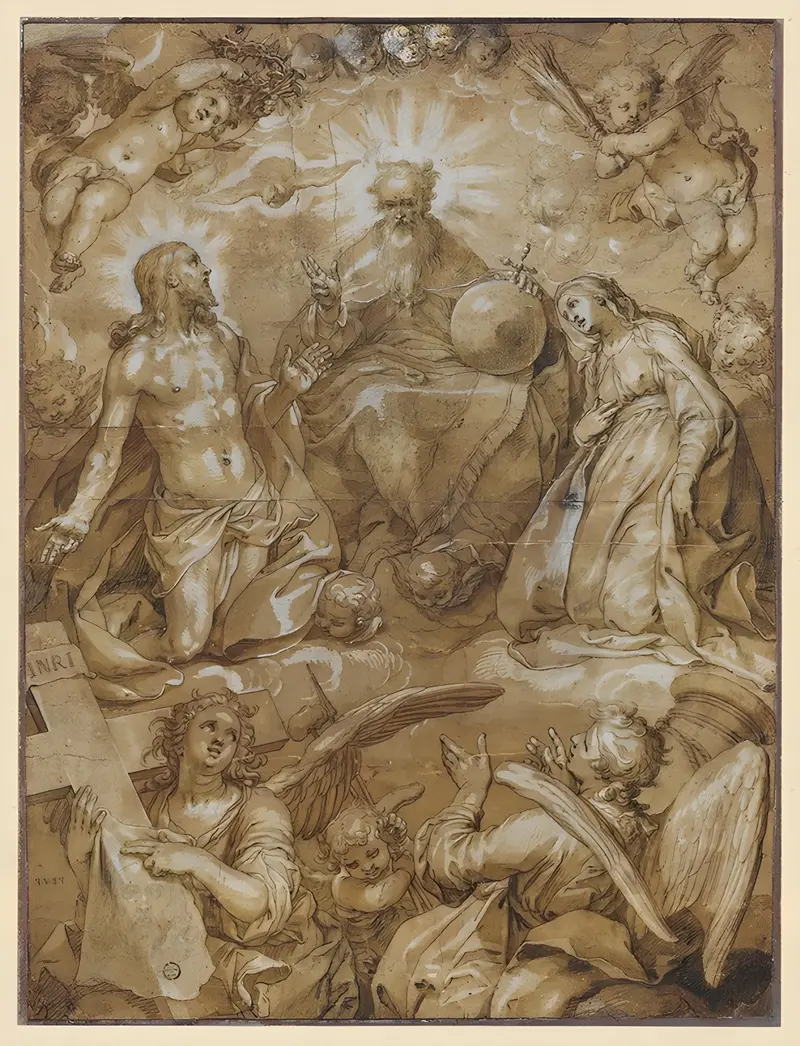
Intercession of Christ and Mary before God the Father
Abraham Bloemaert
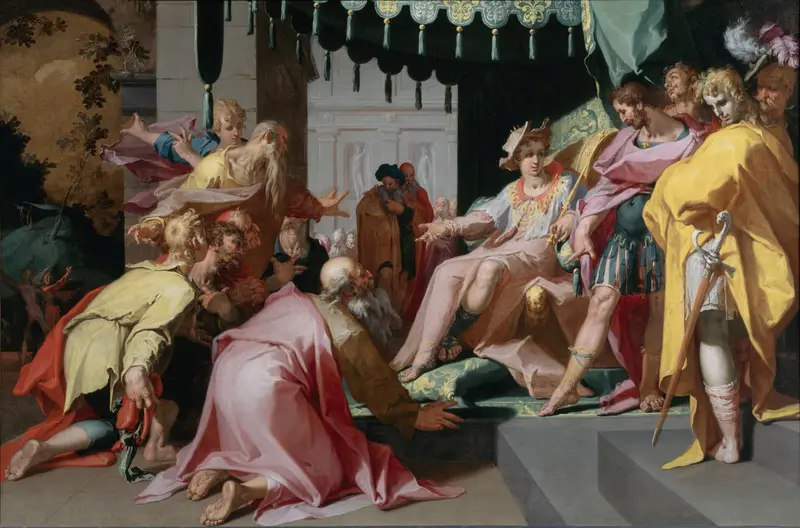
Joseph and his Brothers
Abraham Bloemaert
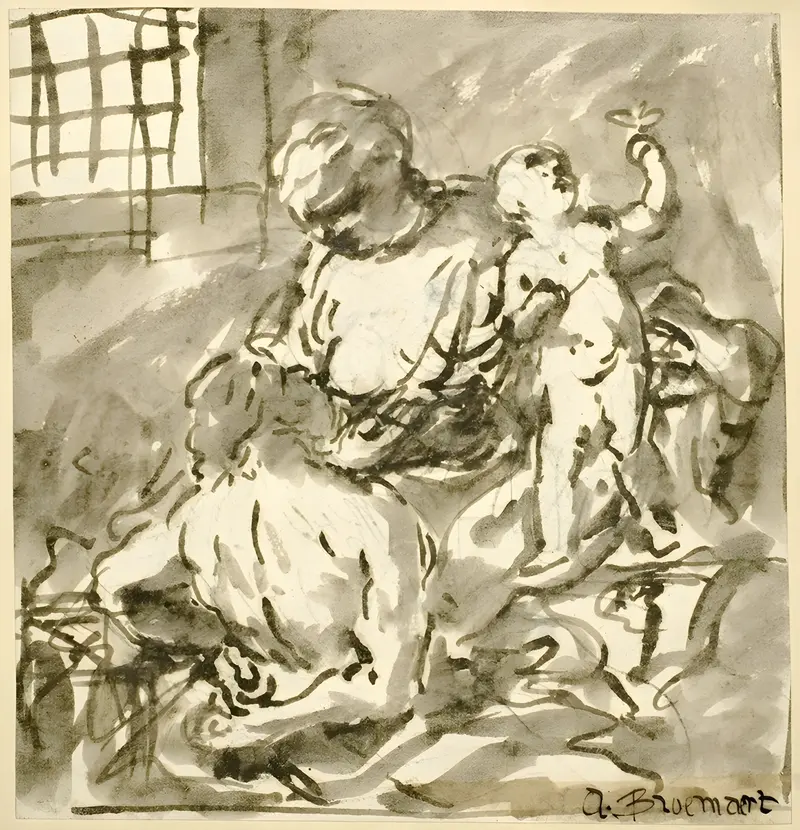
Caritas Romana
Abraham Bloemaert
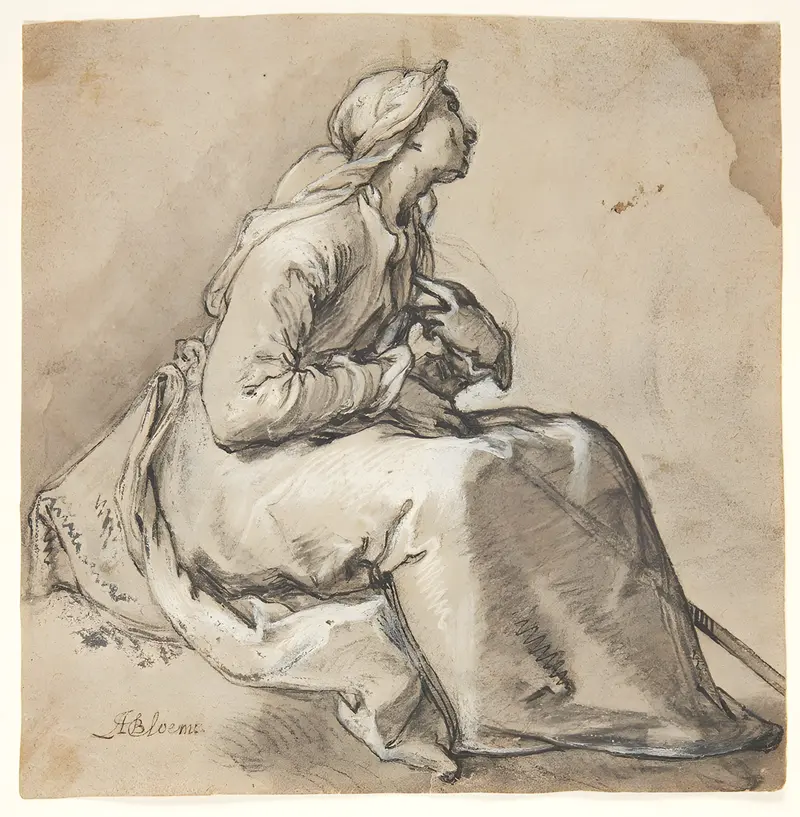
A seated woman facing right
Abraham Bloemaert
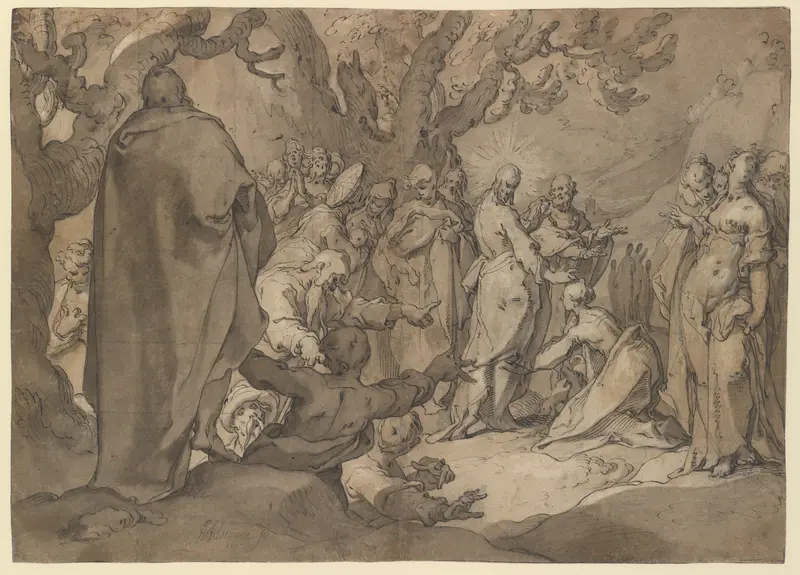
Christ and the Canaanite Women
Abraham Bloemaert
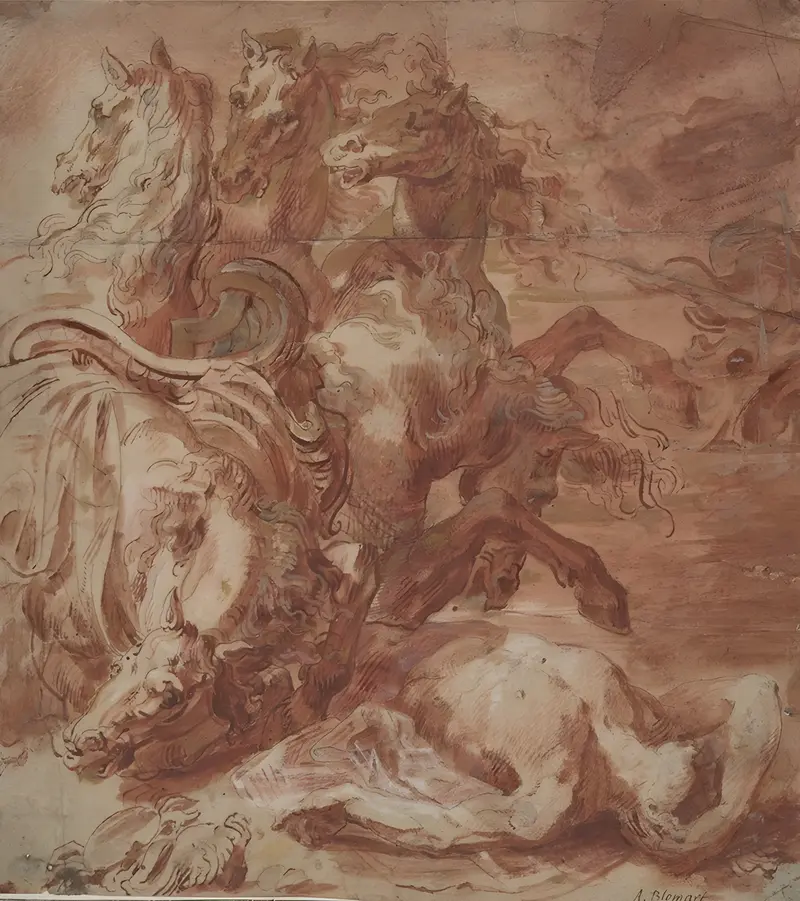
Hippolytus
Abraham Bloemaert
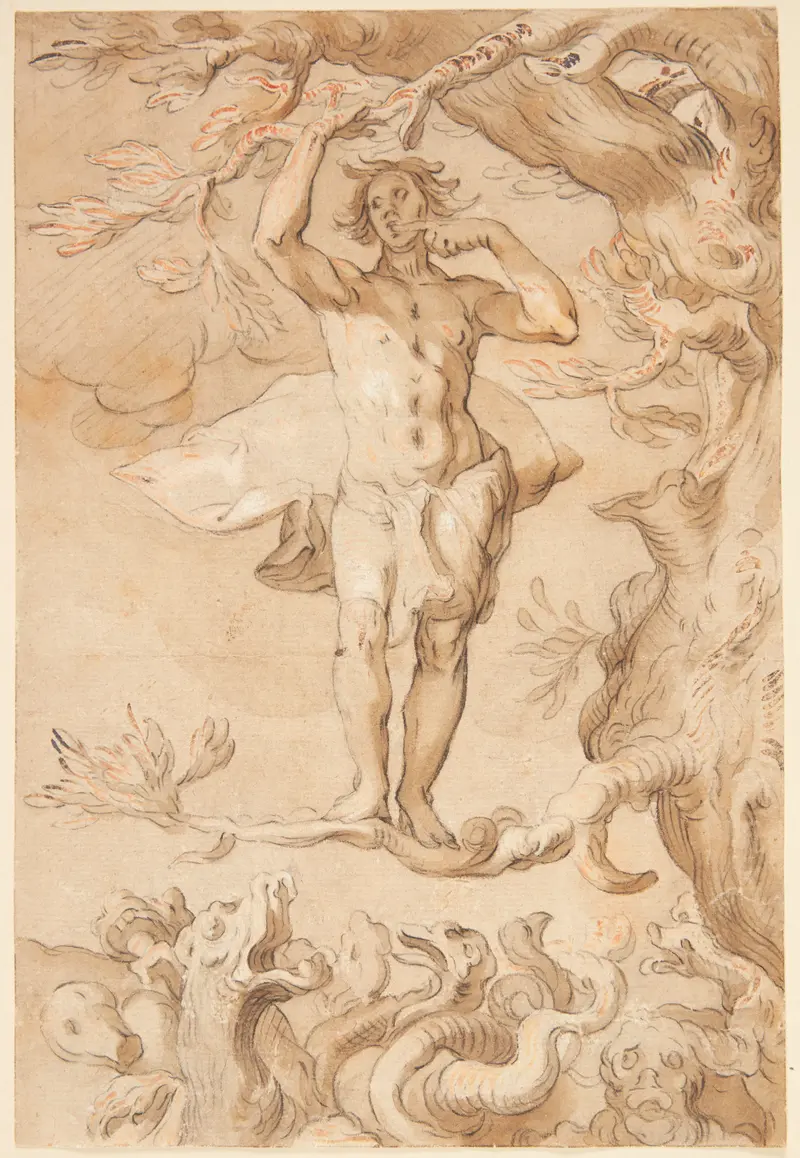
Den menneskelige glædes skrøbelighed En mand, der jages af en drage, klynger sig til en gren, mens han slikker honning af sin finger
Abraham Bloemaert

Moses Striking the Rock
Abraham Bloemaert
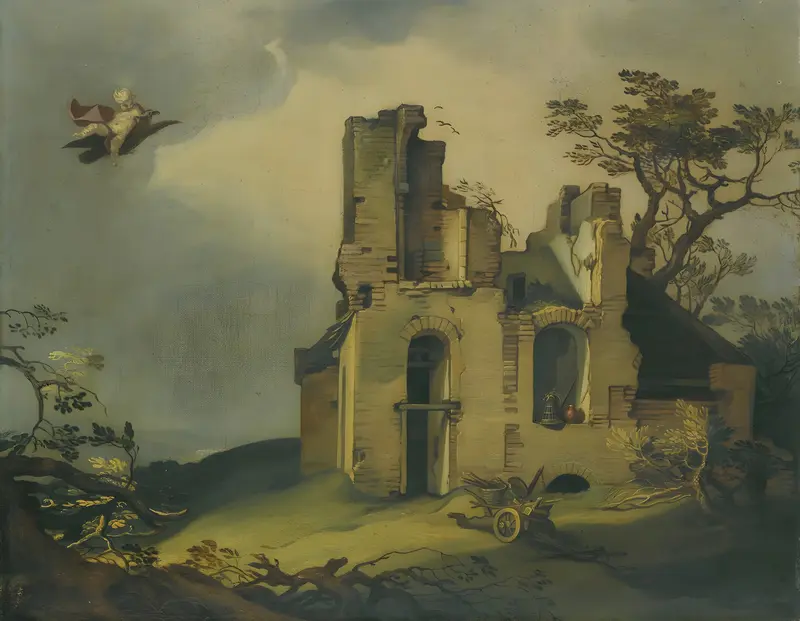
A Landscape With Ruins, With The Rape Of Ganymede
Abraham Bloemaert





