
The Annunciation — History & Facts
Few scenes in Christian art have inspired as many interpretations as the Annunciation, yet Abraham Bloemaert’s version stands out for its theatrical use of light and drama. Bloemaert, a leading figure of the Dutch Catholic community during the late 16th and early 17th centuries, returned to this subject several times throughout his career, each time adapting his approach to the shifting tastes of Utrecht’s artistic circles. While the exact date and commission of this painting remain uncertain, its style and composition align closely with the period when Bloemaert was experimenting with Caravaggist influences, which swept through the Netherlands after 1610. In this scene, we witness the pivotal instant when the Archangel Gabriel appears before the Virgin Mary, announcing that she will bear the Christ child.
Bloemaert captures Mary at the moment of startled humility, her hands folded in acceptance, while Gabriel gestures with one hand raised, the other pointing heavenward. The lily, placed prominently in the foreground, signals Mary’s purity, and the dove descending in a shaft of light represents the Holy Spirit. Bloemaert’s dramatic contrasts of shadow and illumination recall the innovations of Caravaggio, yet his palette remains softer, with delicate pinks and blues lending the scene a gentle intimacy absent in Caravaggio’s more austere Annunciation. The physical history of this particular Annunciation is, like many works of Bloemaert, not fully documented.
It likely originated in a private devotional context, as was common for Catholic patrons in the Protestant-dominated Dutch Republic, where such images often adorned hidden chapels or domestic altars. Over the centuries, Bloemaert’s Annunciations have been dispersed among museums and private collections, sometimes misattributed to his sons or followers due to their shared workshop practices. Today, this painting is recognized as a fine example of Bloemaert’s mature religious style, reflecting both his adaptability and his enduring commitment to sacred narrative.
More Artworks by Abraham Bloemaert

Adam and Eve
Abraham Bloemaert
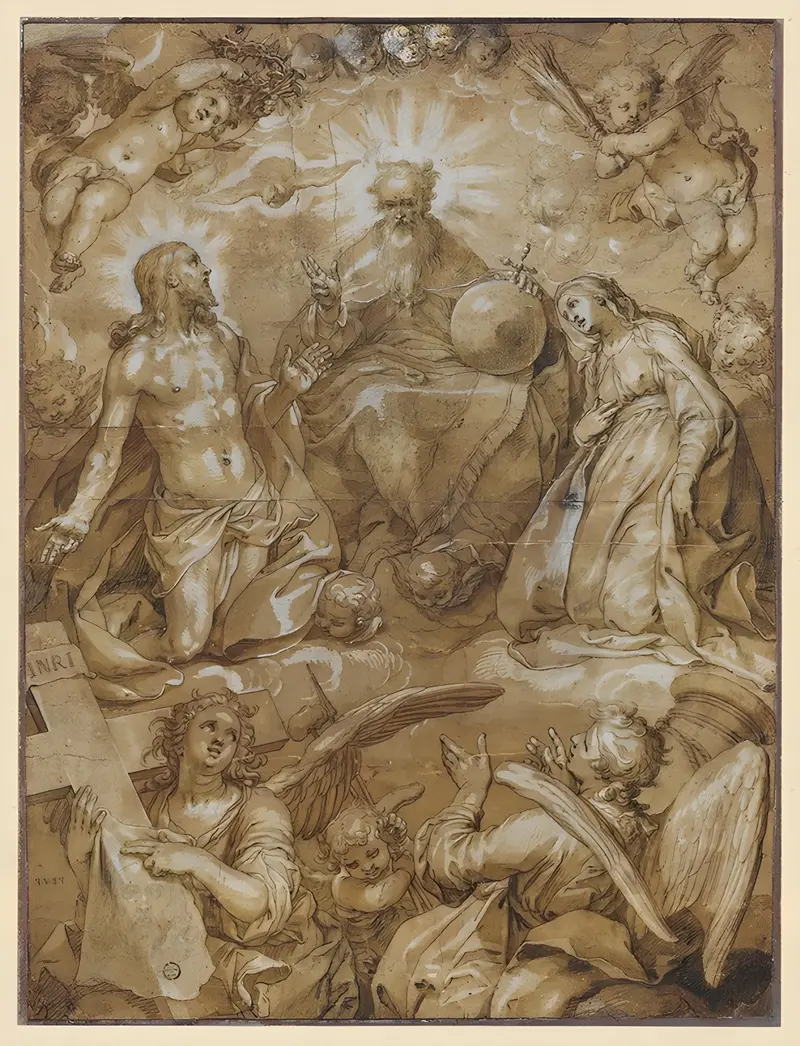
Intercession of Christ and Mary before God the Father
Abraham Bloemaert
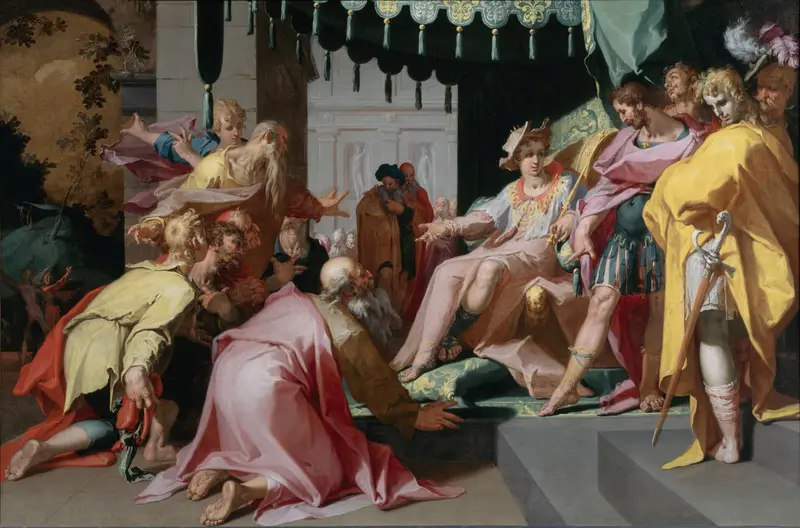
Joseph and his Brothers
Abraham Bloemaert
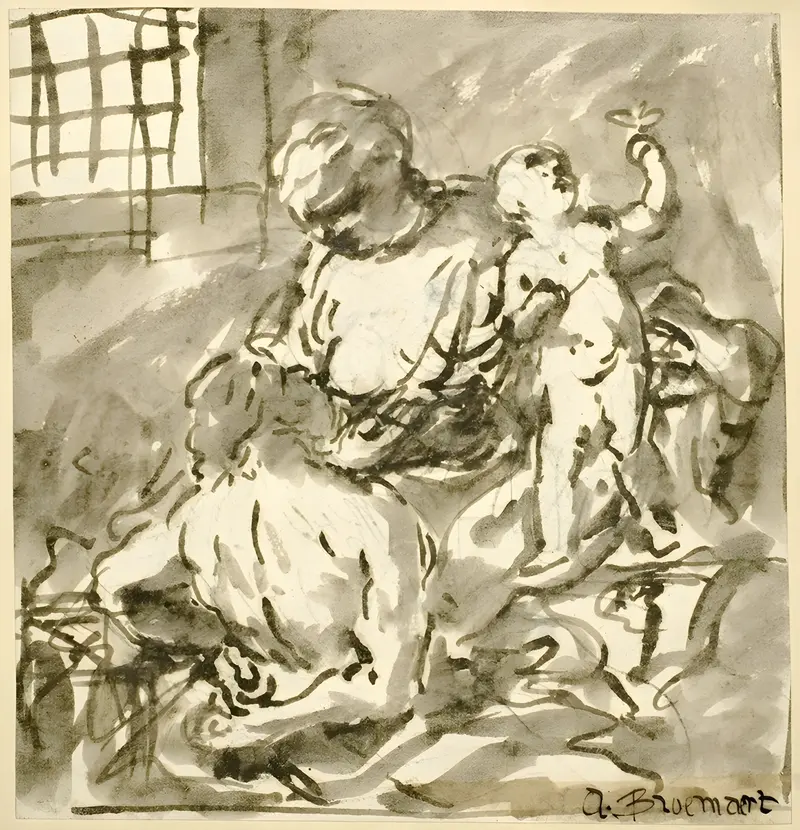
Caritas Romana
Abraham Bloemaert
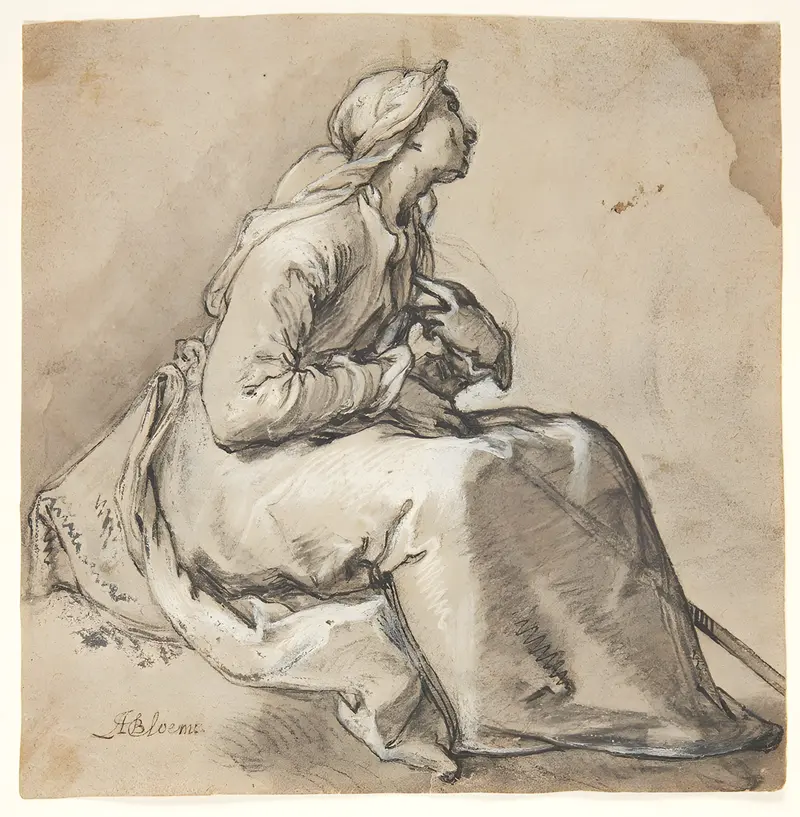
A seated woman facing right
Abraham Bloemaert
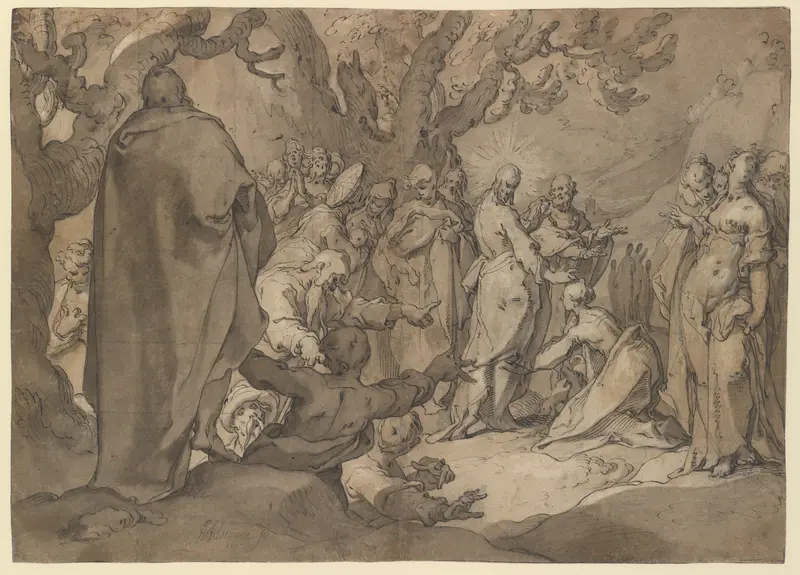
Christ and the Canaanite Women
Abraham Bloemaert
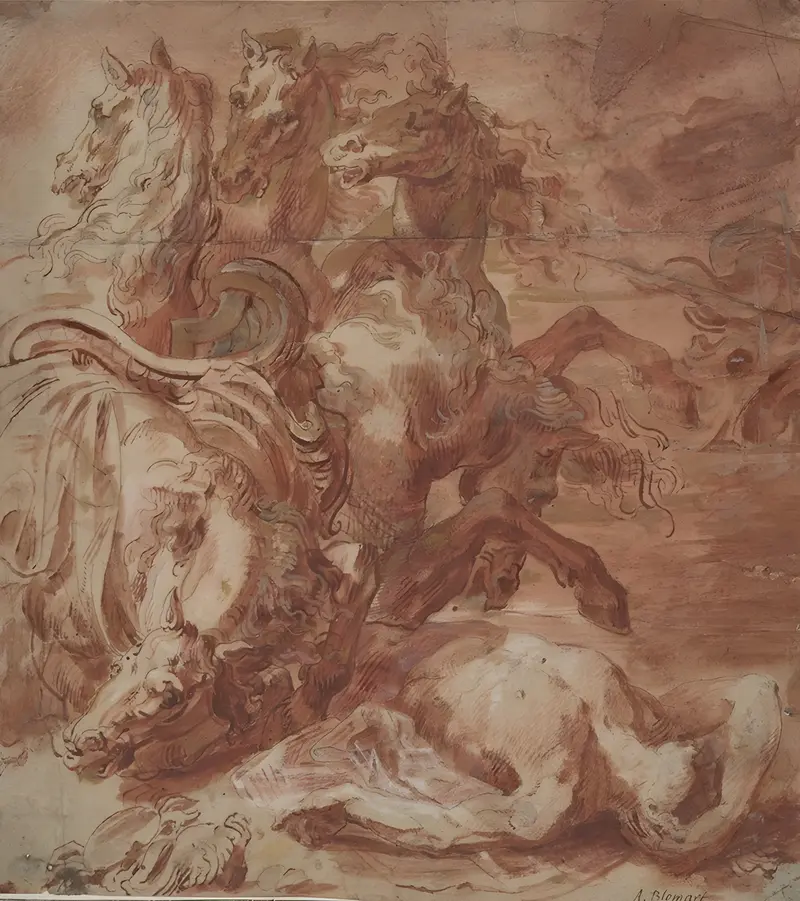
Hippolytus
Abraham Bloemaert
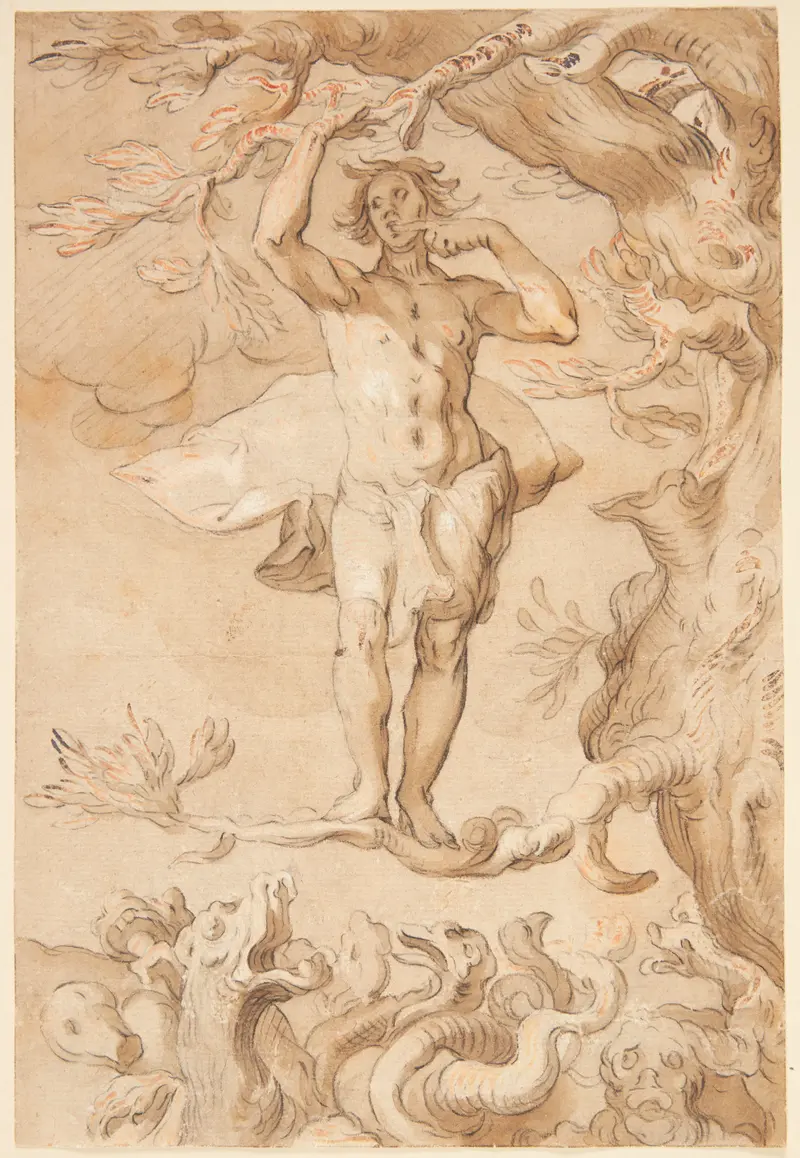
Den menneskelige glædes skrøbelighed En mand, der jages af en drage, klynger sig til en gren, mens han slikker honning af sin finger
Abraham Bloemaert

Moses Striking the Rock
Abraham Bloemaert
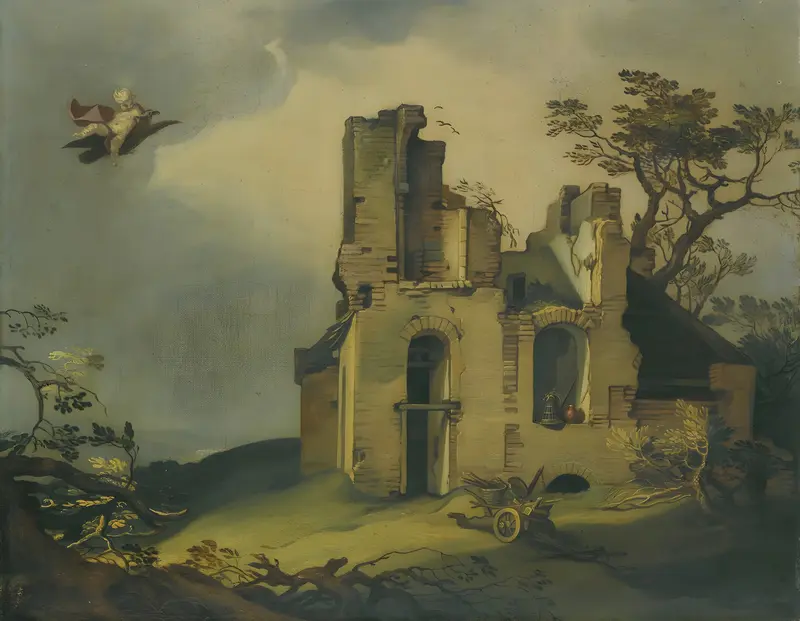
A Landscape With Ruins, With The Rape Of Ganymede
Abraham Bloemaert





