
The Annunciation to the Shepherds — History & Facts
What first seizes the eye in The Annunciation to the Shepherds is the eruption of the divine into the everyday—a swirl of cloud and angelic form that splits the darkness above a cluster of startled shepherds. The angel, robed in green and gold, bursts forth with a gesture that commands both awe and alarm, while cherubs tumble and hover in the dazzling light. The shepherds, caught mid-motion, twist and recoil, their faces lit by the same radiance that pours from the heavens, hands thrown up in a mixture of fear, wonder, and reverence.
Even the sheep at their feet seem to pause, their calm a counterpoint to the human tumult above. Painted in 1600 by Abraham Bloemaert, this work belongs to a world where biblical stories were not distant myths but living dramas, commissioned to move and instruct. In the late Renaissance and early Baroque Netherlands, such scenes were prized for their ability to make the miraculous immediate, their theatrical lighting and expressive figures inviting viewers to step into the story. Religious art of this era often sought to bridge the gap between the sacred and the ordinary, and Bloemaert’s composition—with its dynamic gestures, swirling drapery, and sharp contrasts—embodies this ambition.
While history has kept few traces of this particular painting’s journey, its vivid energy and storytelling power remain, urging the viewer to linger and trace each startled expression, each shaft of light.
More Artworks by Abraham Bloemaert

Adam and Eve
Abraham Bloemaert
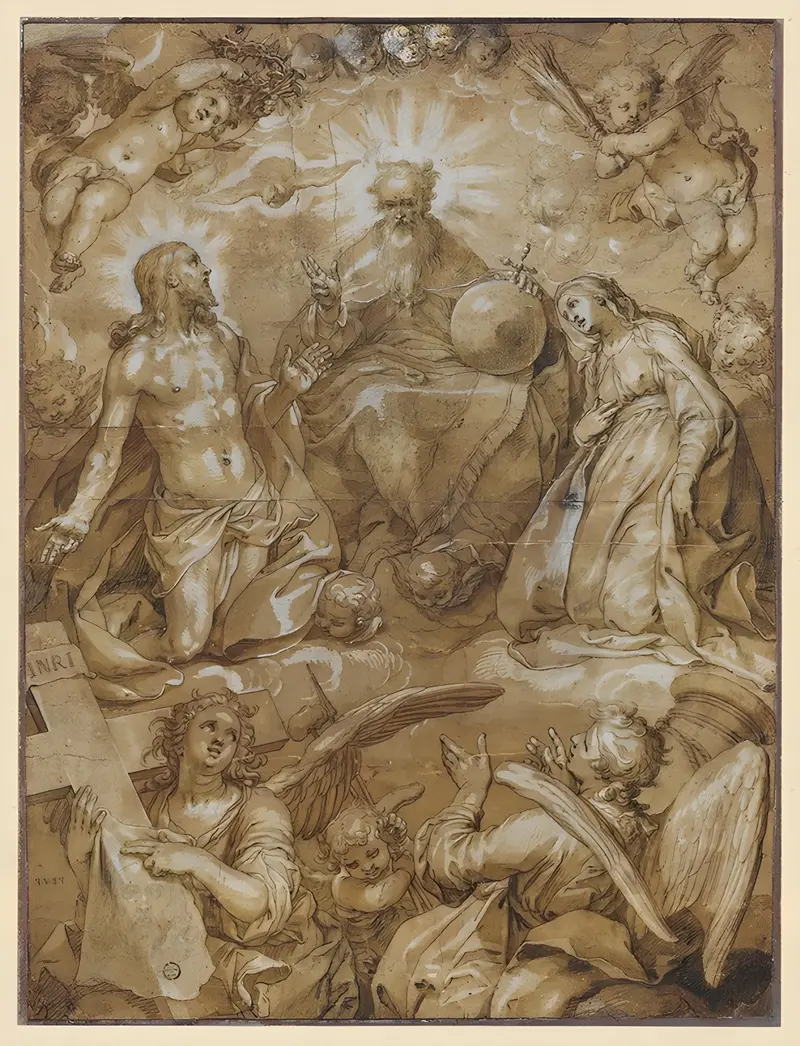
Intercession of Christ and Mary before God the Father
Abraham Bloemaert
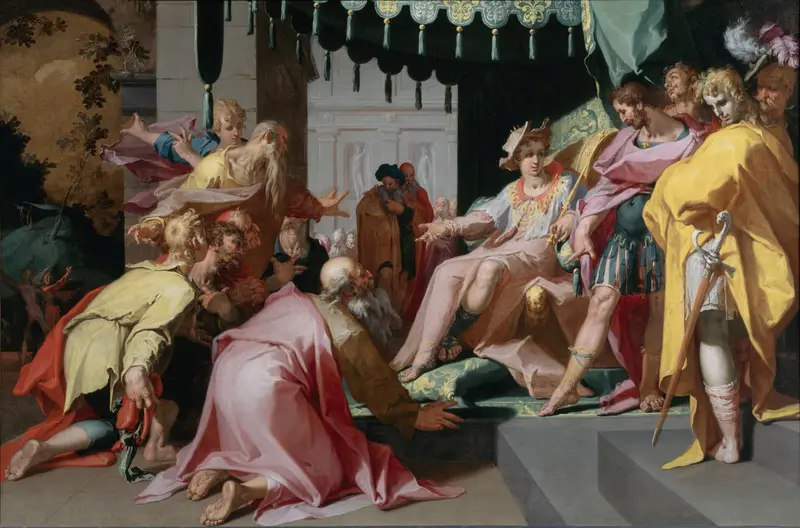
Joseph and his Brothers
Abraham Bloemaert
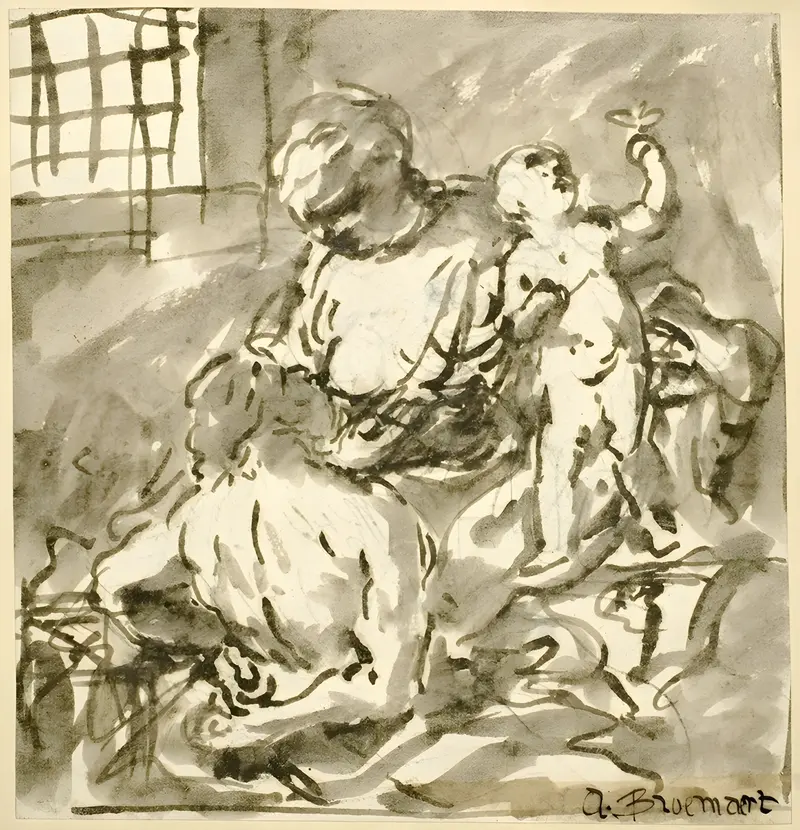
Caritas Romana
Abraham Bloemaert
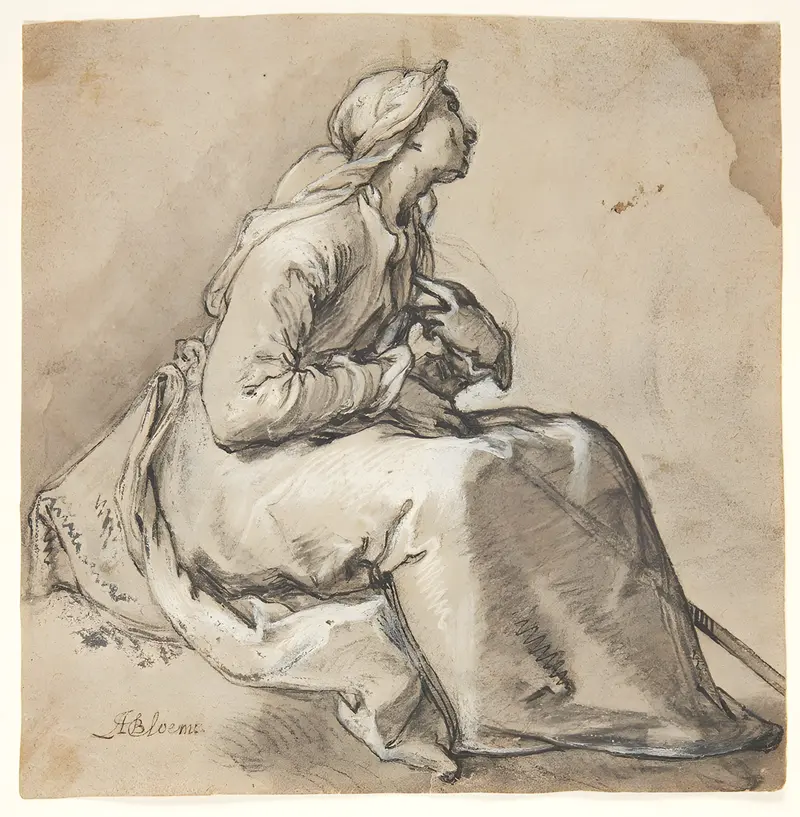
A seated woman facing right
Abraham Bloemaert
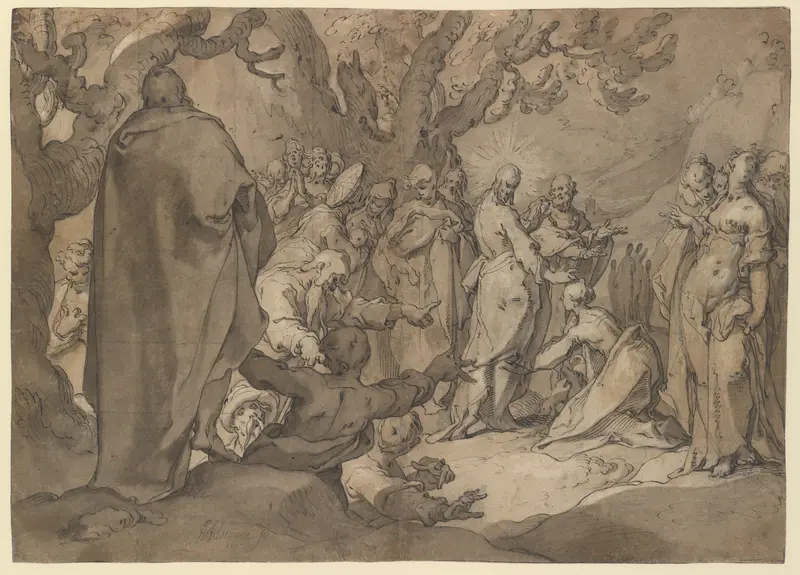
Christ and the Canaanite Women
Abraham Bloemaert
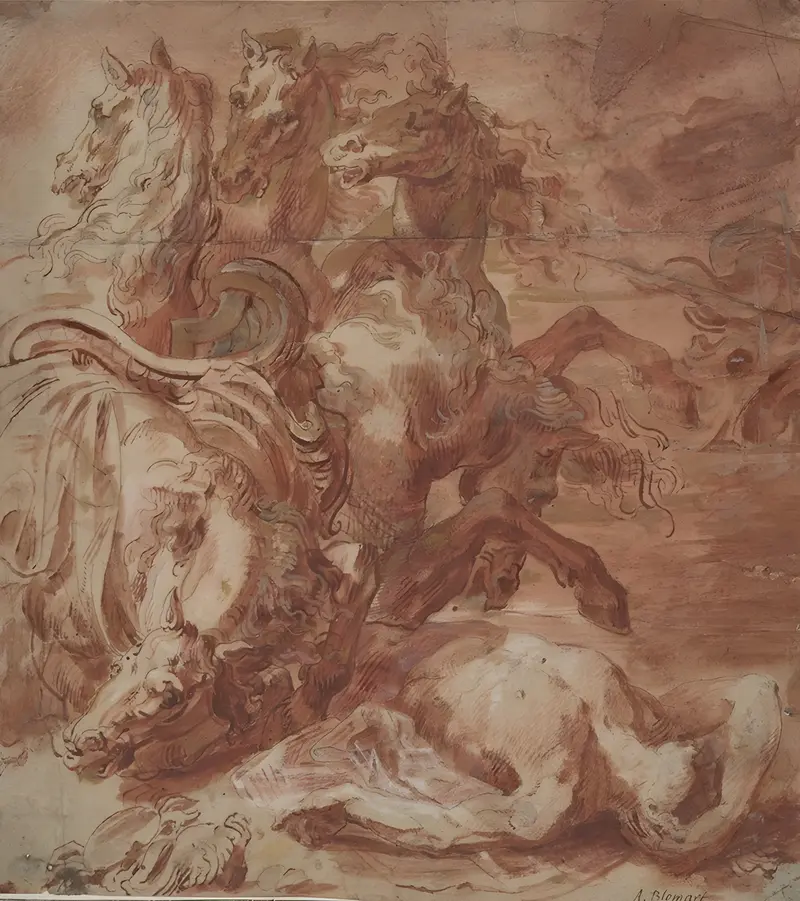
Hippolytus
Abraham Bloemaert
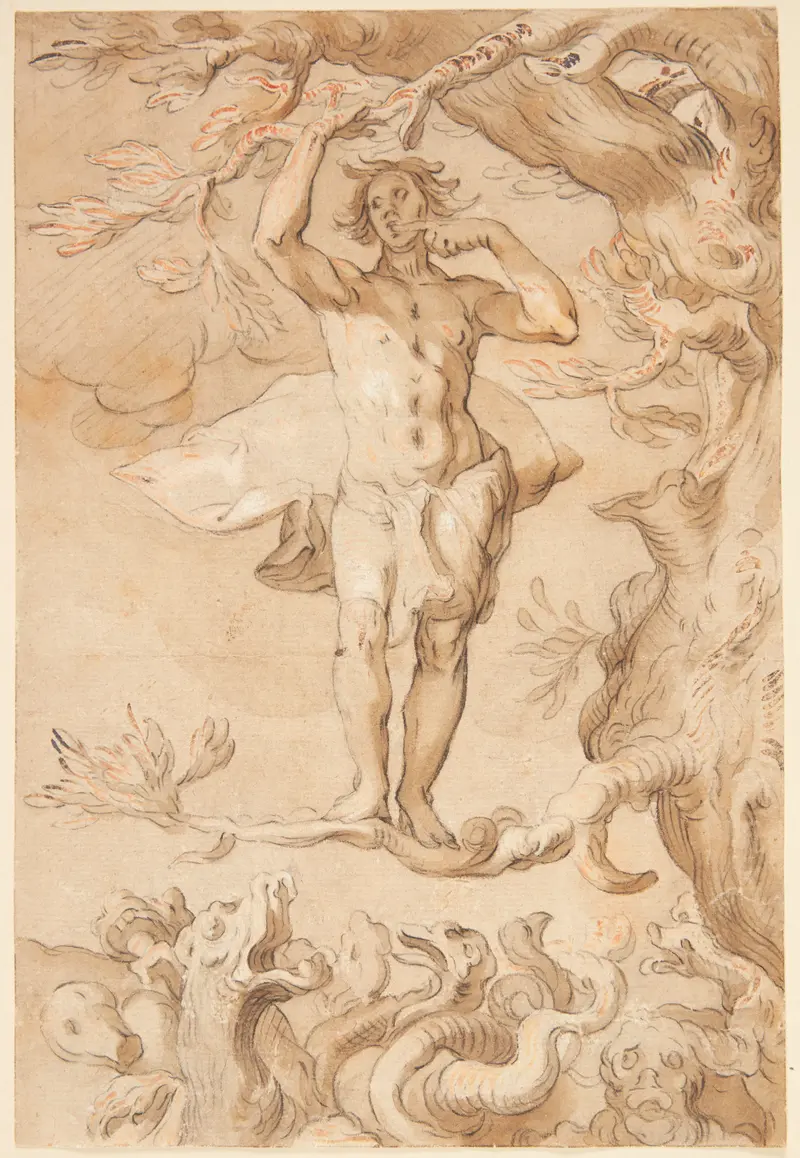
Den menneskelige glædes skrøbelighed En mand, der jages af en drage, klynger sig til en gren, mens han slikker honning af sin finger
Abraham Bloemaert

Moses Striking the Rock
Abraham Bloemaert
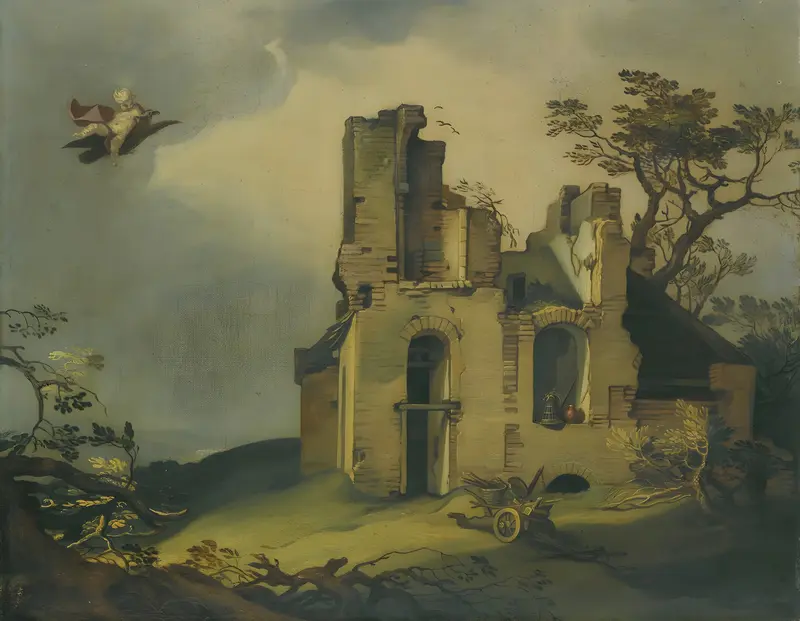
A Landscape With Ruins, With The Rape Of Ganymede
Abraham Bloemaert





