
The apostle Paul of Tarsus — History & Facts
The first thing that grips the eye in The apostle Paul of Tarsus is the intensity of the figure’s upward gaze, a look that seems to pierce the darkness beyond the frame. The artist, Abraham Bloemaert, chooses a moment of deep inwardness: hands clasped in prayer, lips slightly parted, the apostle’s face lit by a gentle, directional light that carves every wrinkle and hollow. The long, flowing beard and the bald crown are rendered with a loving attention to texture, drawing the viewer’s focus to the head as the seat of thought and spirit.
A heavy book, perhaps a letter or scripture, rests beneath his hands, rooting the figure’s devotion in the world of words and ideas. The background recedes into shadow, leaving nothing to distract from the drama of faith and contemplation. Painted in 1631, this work belongs to a period when Dutch artists delighted in exploring the human face as a landscape of emotion and character. In the early seventeenth century, images of saints and apostles were often commissioned for private devotion or small chapels, serving as both inspiration and silent company for prayer.
Bloemaert was known for his versatility and for training a generation of Dutch painters, and his religious works often balance the grandeur of the sacred with the intimacy of lived experience. While little is recorded about the specific journey of this painting, its presence today in the Centraal Museum’s collection offers a window into a world where faith and artistry met in the quiet drama of a single, searching gaze. Let your own eyes linger on the play of light and shadow across brow and beard, and consider what stories are written in the folds of an old man’s hands.
More Artworks by Abraham Bloemaert

Adam and Eve
Abraham Bloemaert
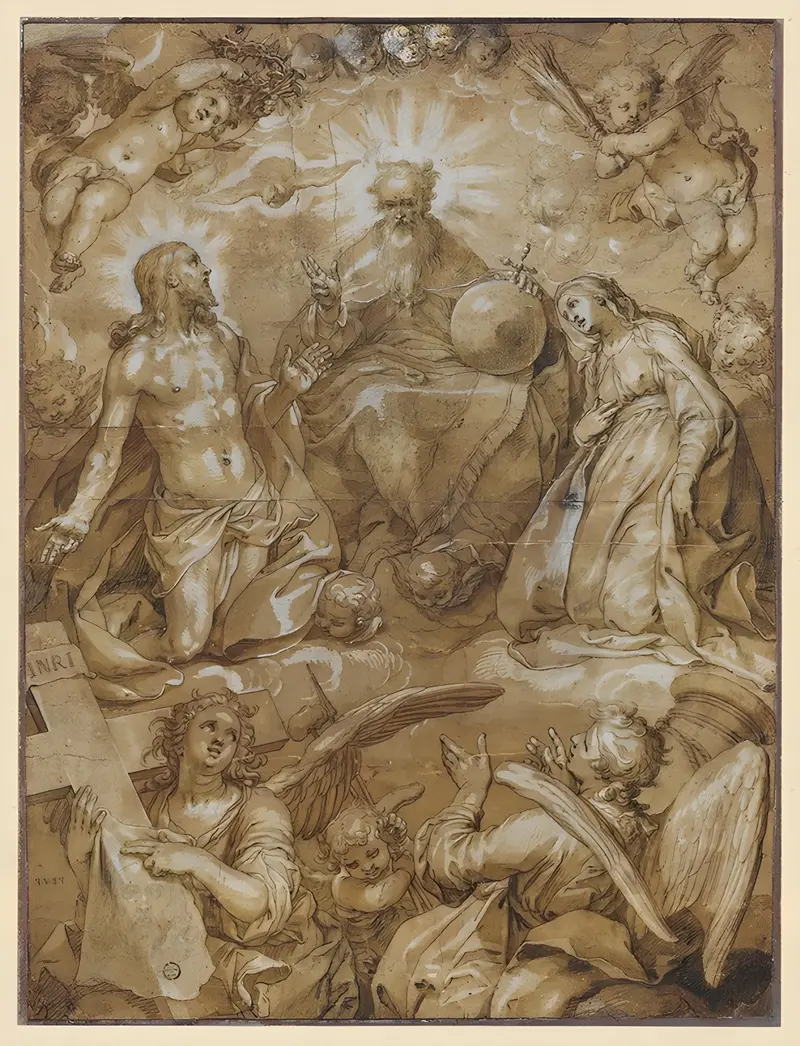
Intercession of Christ and Mary before God the Father
Abraham Bloemaert
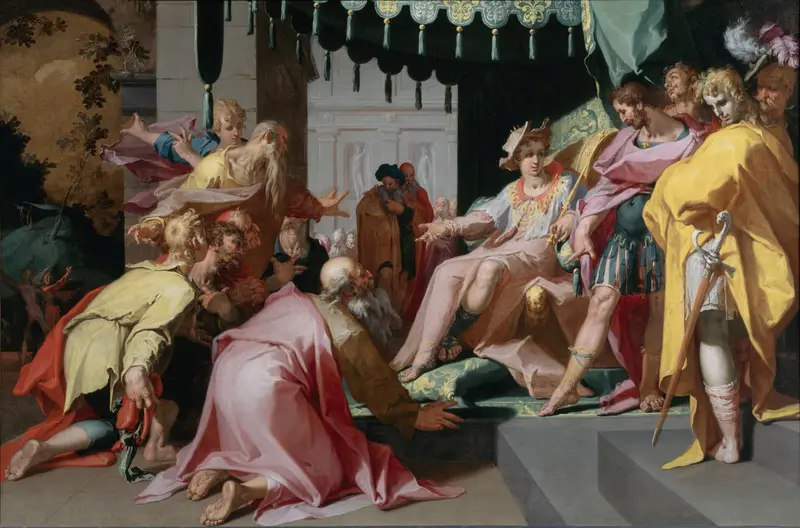
Joseph and his Brothers
Abraham Bloemaert
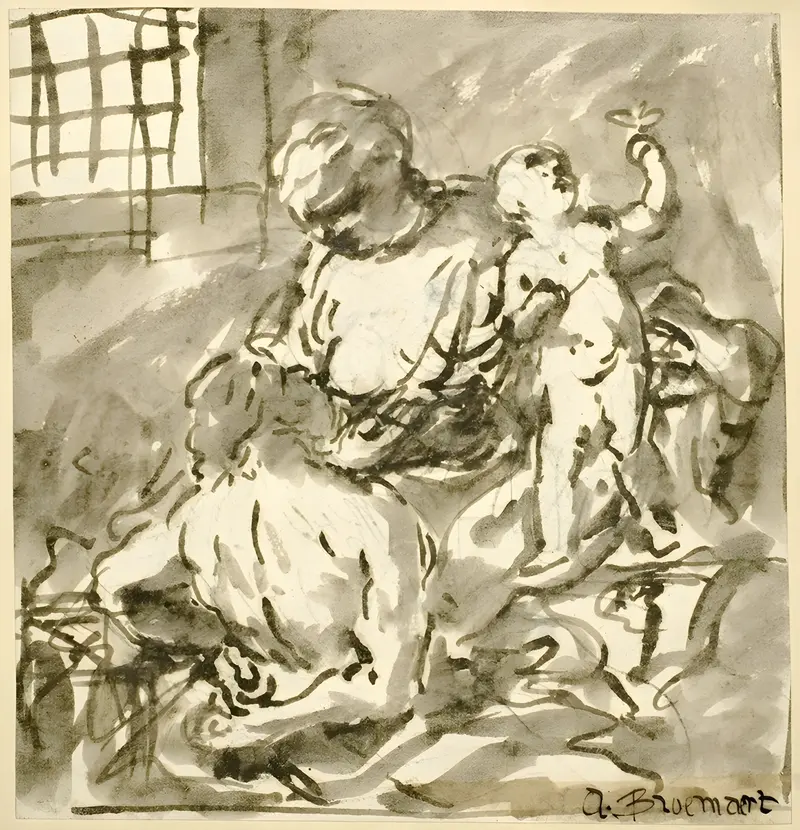
Caritas Romana
Abraham Bloemaert
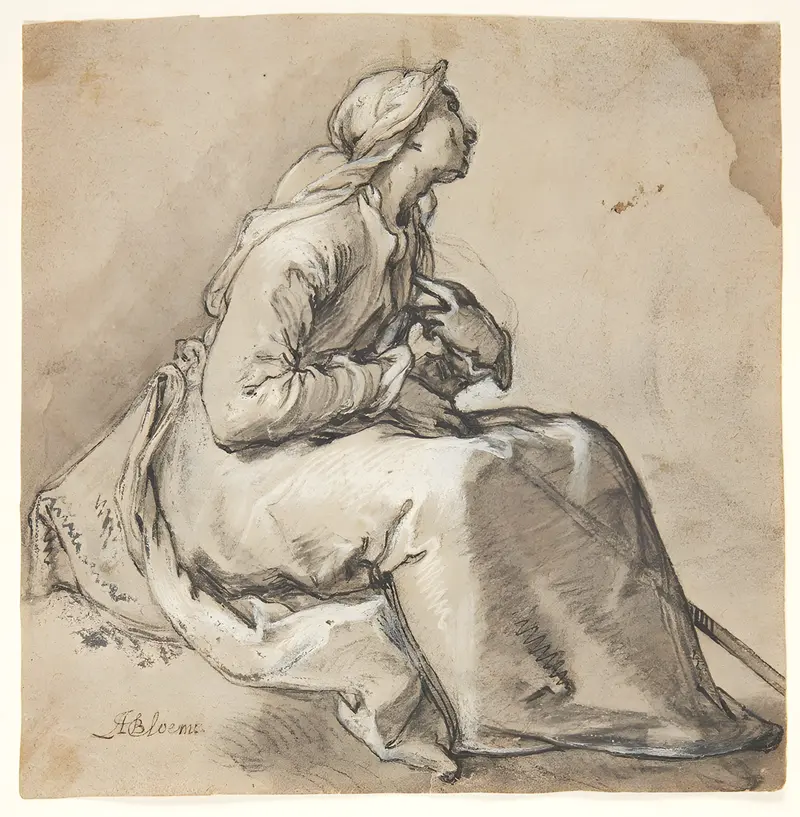
A seated woman facing right
Abraham Bloemaert
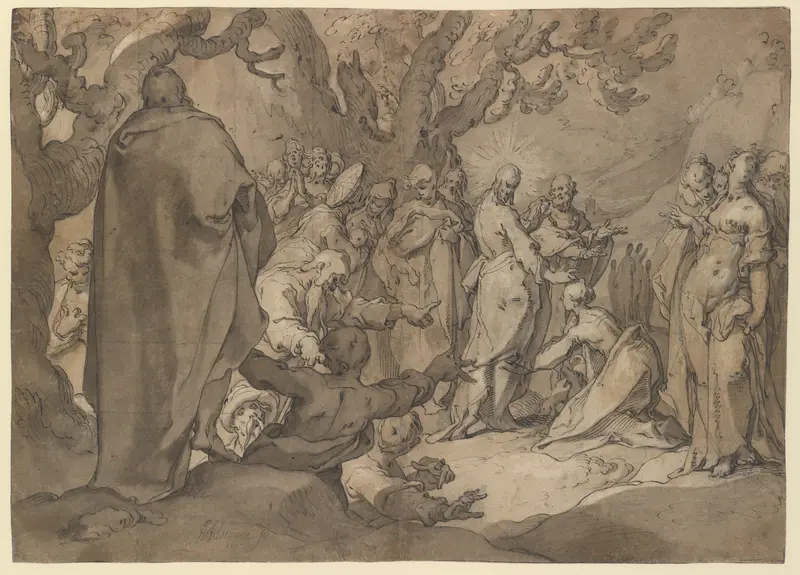
Christ and the Canaanite Women
Abraham Bloemaert
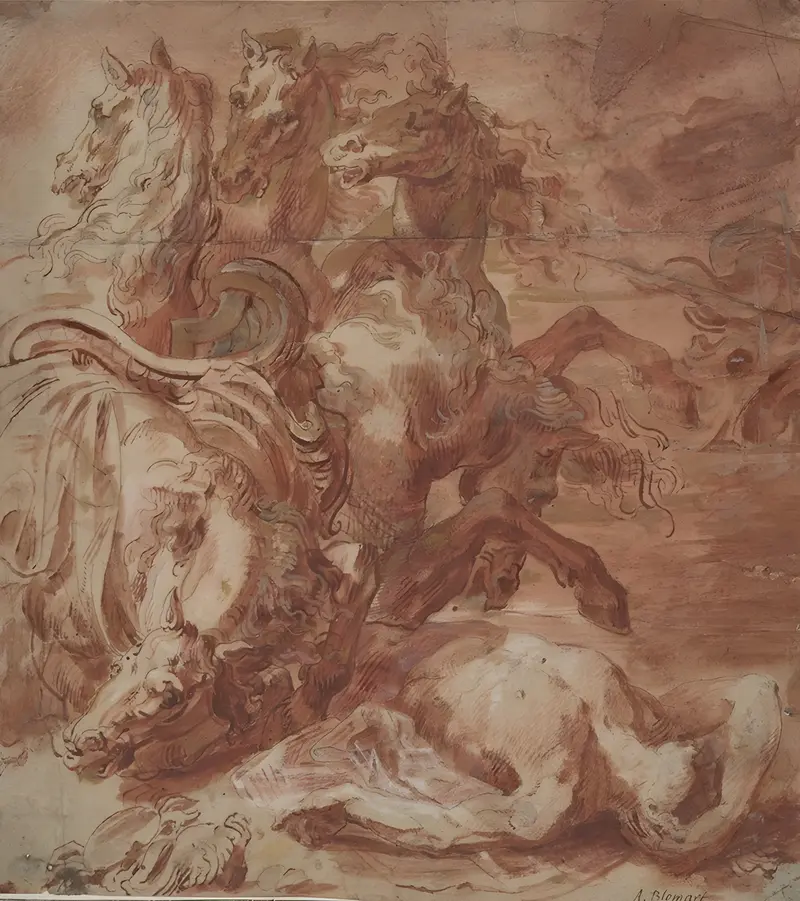
Hippolytus
Abraham Bloemaert
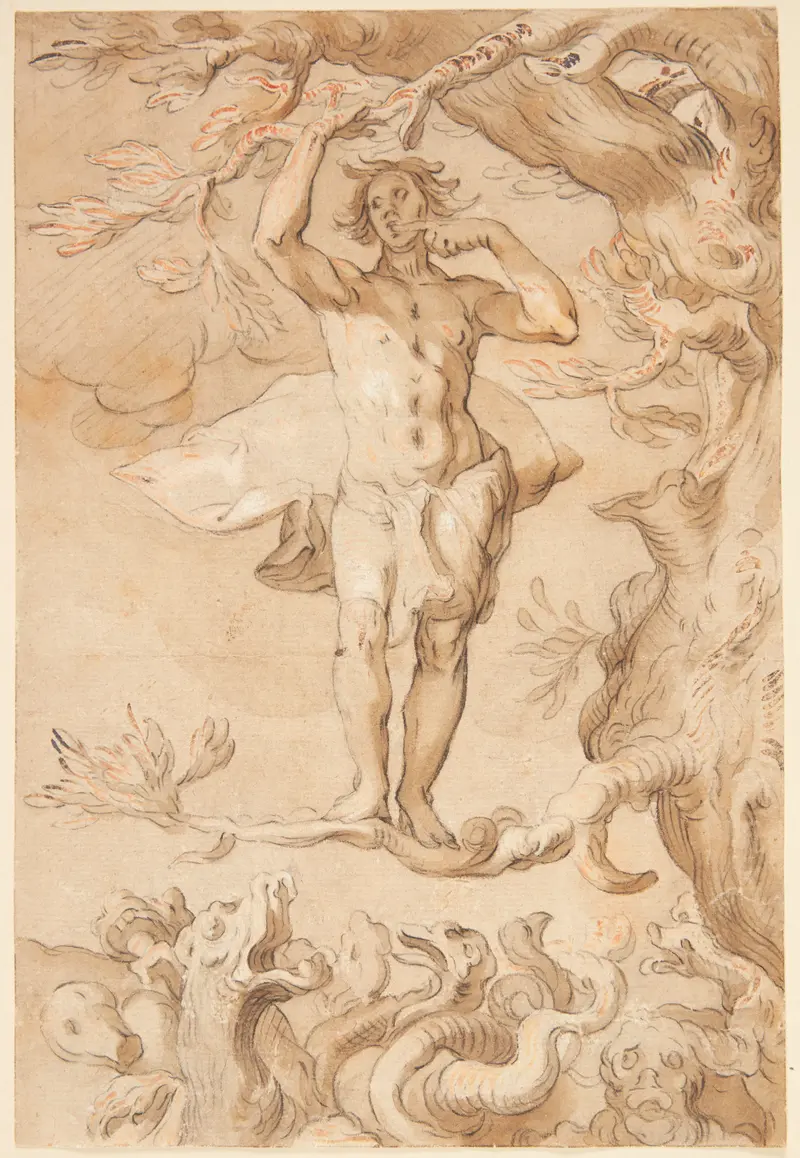
Den menneskelige glædes skrøbelighed En mand, der jages af en drage, klynger sig til en gren, mens han slikker honning af sin finger
Abraham Bloemaert

Moses Striking the Rock
Abraham Bloemaert
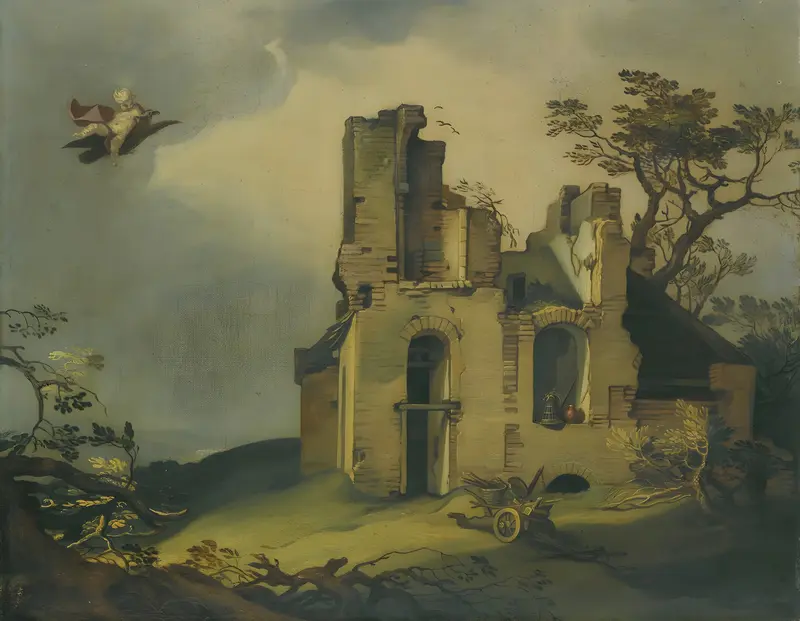
A Landscape With Ruins, With The Rape Of Ganymede
Abraham Bloemaert





