The Baker’s Wagon — History & Facts
The resonance of this thought echoes through the delicate yet stark portrayal of the human experience, inviting reflection on the duality of existence. Look first at the wagon, its intricate details gleaming under the sun, a golden hue that almost masks the weight of its burden. The baker’s tools, arranged with care amidst loaves of bread, evoke both sustenance and labor. Notice how the shadow creeps across the cobblestone, seemingly alive with the tension of movement, each loaf symbolizing the intricacies of daily survival.
The color palette, warm and inviting, juxtaposes the heavy undertones of sweat and struggle, hinting at the stories hidden beneath the surface of this serene scene. Yet, within the tranquility lies an unsettling contrast. The baker’s eyes, though focused on his craft, betray a hint of fatigue, a silent testament to the violence of routine and the relentless grind of labor. Each loaf represents not merely sustenance but the burdens of unacknowledged toil, urging the viewer to consider the unseen violence that persists beneath the façade of beauty.
The wagon, a symbol of commerce, also serves as a reminder of the complexities entwined with survival—where joy and hardship coexist in an unbreakable bond. In the 1870s, during a time of economic upheaval and social change, the artist captured this moment in a world grappling with industrialization. Chappel, working in a post-Civil War America, infused his art with the poignant realities of life, reflecting the struggles of everyday people. His paintings often reveal a deep empathy for the working class, making The Baker’s Wagon a significant representation of resilience amidst the challenges of the era.
More Artworks by William P. Chappel
Browse all →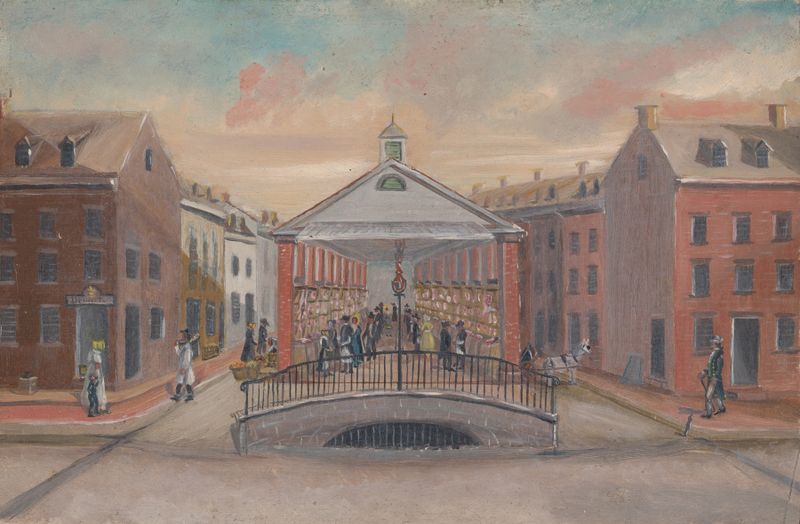
Fly Market
William P. Chappel
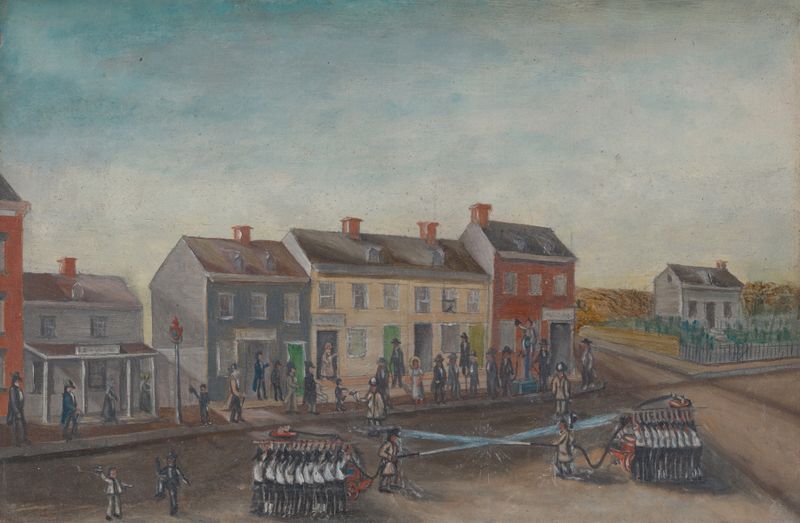
Firemen’s Washing Day
William P. Chappel
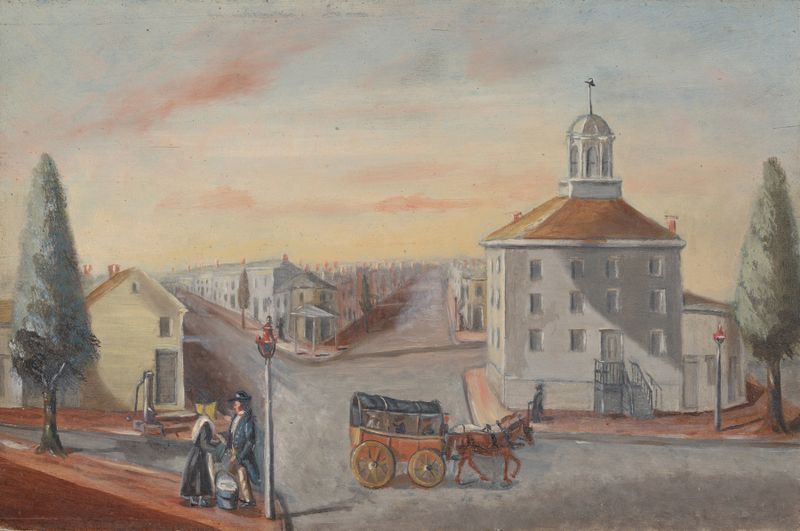
Hot Corn Seller
William P. Chappel
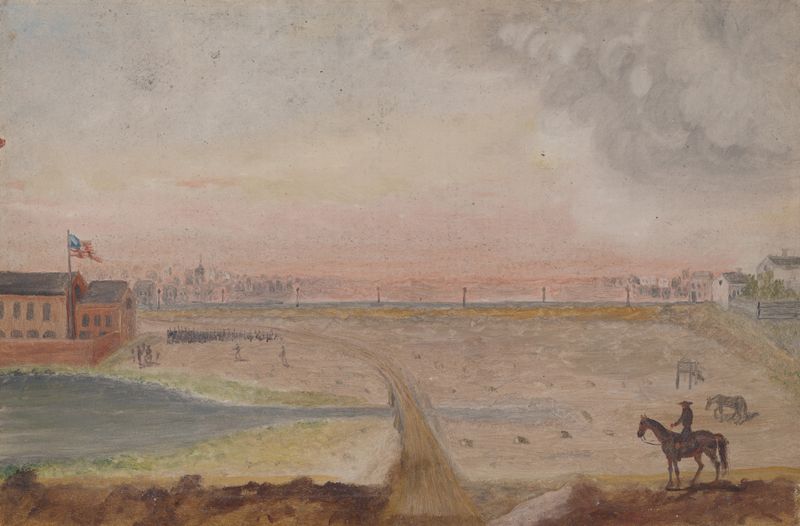
Militia Drilling
William P. Chappel
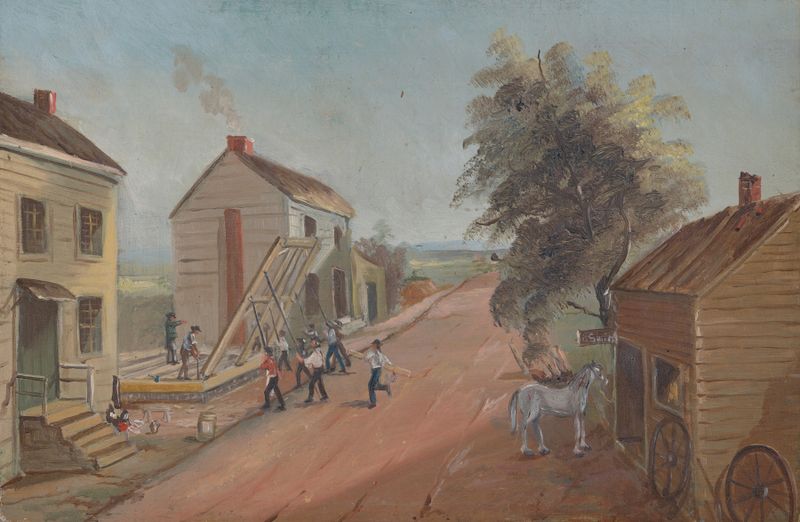
House Raising
William P. Chappel
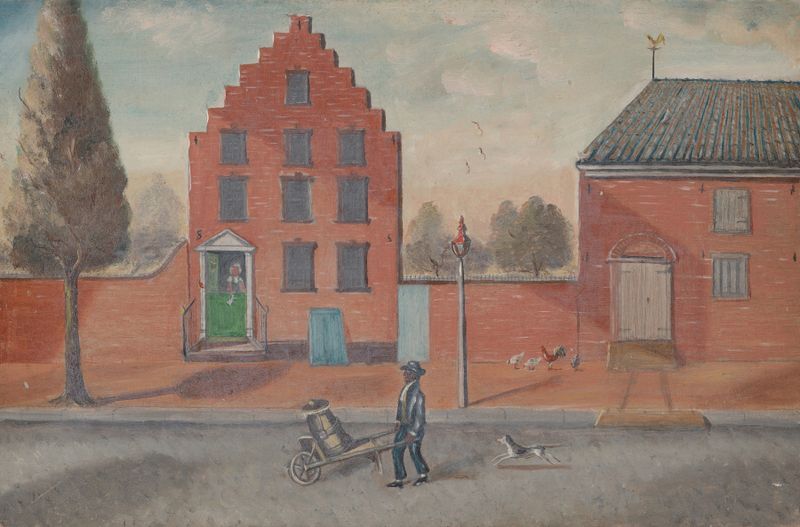
Buttermilk Pedlar
William P. Chappel
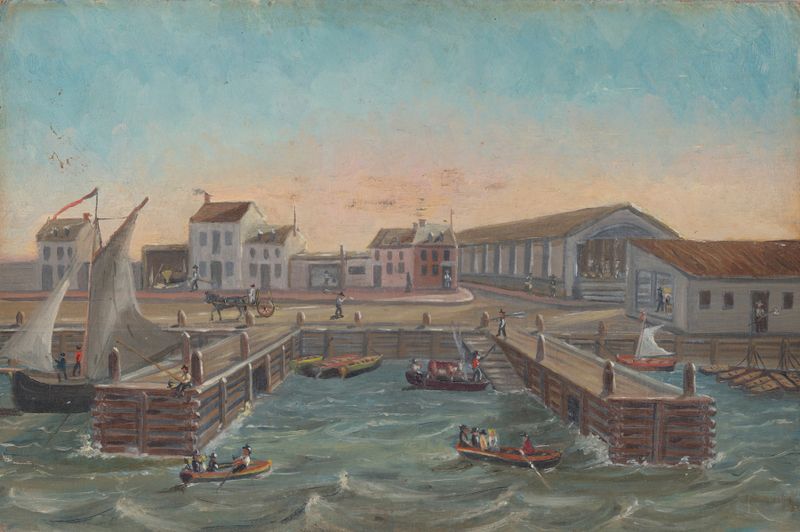
Old Ferry Stairs
William P. Chappel
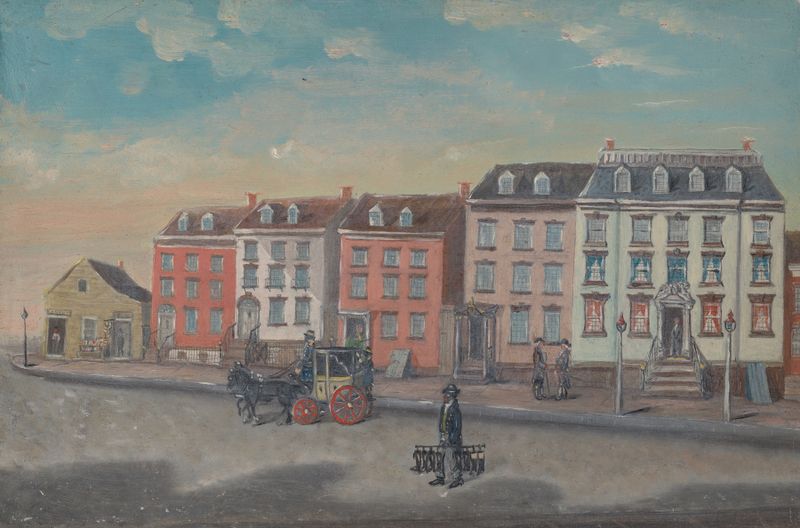
The Boot Black
William P. Chappel
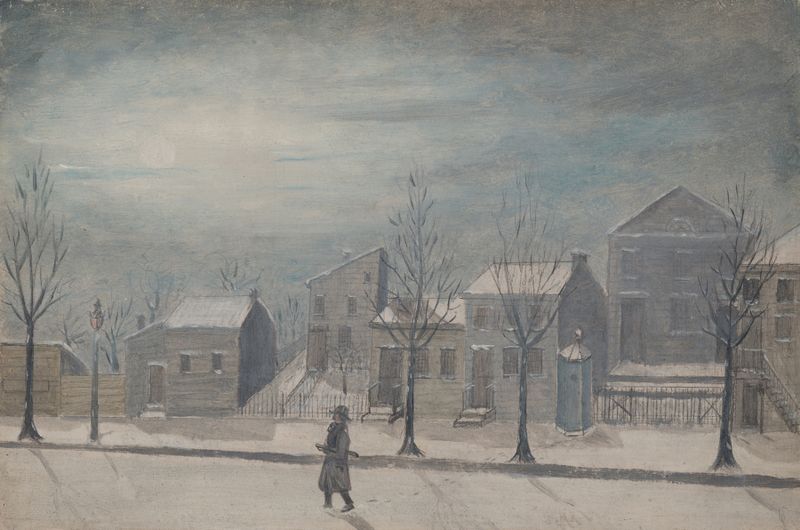
City Watchman
William P. Chappel
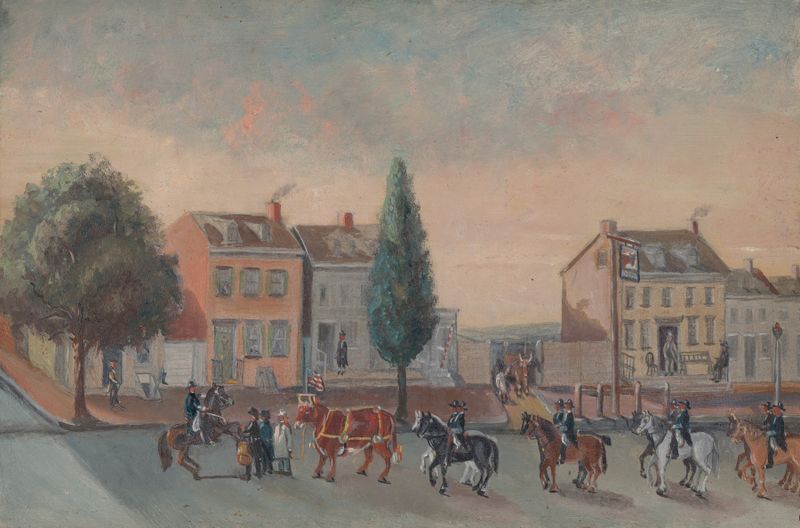
Bull’s Head Tavern
William P. Chappel