
The Bare Trees at Jas de Bouffan — History & Facts
When did color learn to lie? In The Bare Trees at Jas de Bouffan, the vivid hues of nature reveal a haunting truth beneath their surface. Look to the center of the canvas, where skeletal branches stretch skyward, woven together in a tangled embrace. The artist’s brush strokes reveal a symphony of browns, greens, and muted blues, as if the trees themselves are whispering stories of resilience in the chill of winter. Notice how the vibrant yellows and ochres illuminate the ground, contrasting with the starkness above, drawing the viewer's gaze into the depths of the scene, where life simmers beneath the frost. Beneath the apparent simplicity lies a profound tension between life and stillness.
The bare branches, devoid of leaves, symbolize the vulnerability of nature, yet they stand defiantly against the twilight sky. Each stroke serves as a reminder of the cyclical nature of existence, the promise of rebirth intertwined with the inevitability of decay. The delicate balance of color serves to evoke emotions ranging from melancholy to hope, urging the viewer to contemplate the transient beauty that lies within the seasons. Cézanne painted this work during the late 19th century, a period marked by his deepening exploration of form and color.
Working at his studio in Provence, he sought to capture the essence of the landscape that surrounded him, a world in flux as the Impressionist movement began to influence and challenge traditional techniques. This painting is not merely a representation of trees but a testament to his innovative vision that would pave the way for modern art.
More Artworks by Paul Cezanne
Browse all →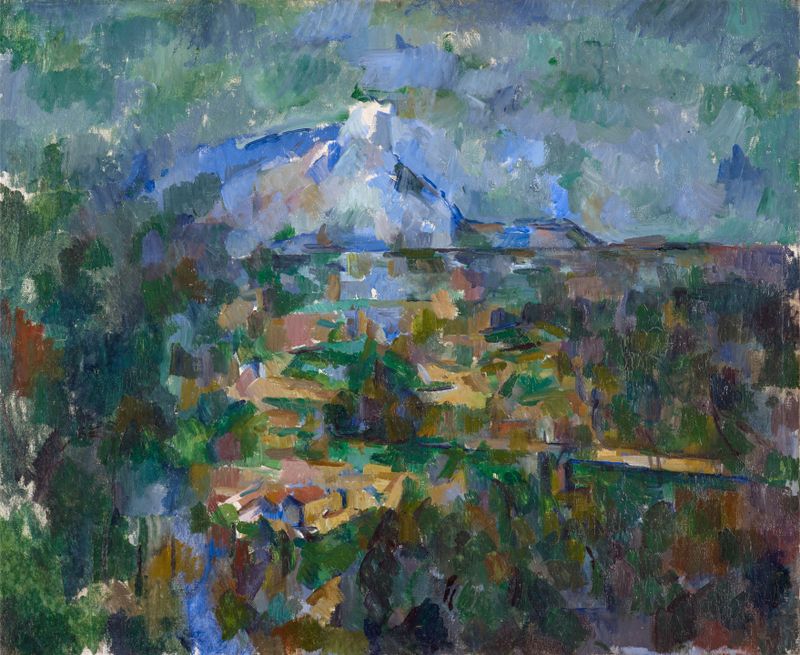
The Mont Sainte-Victoire Seen From Les Lauves
Paul Cezanne
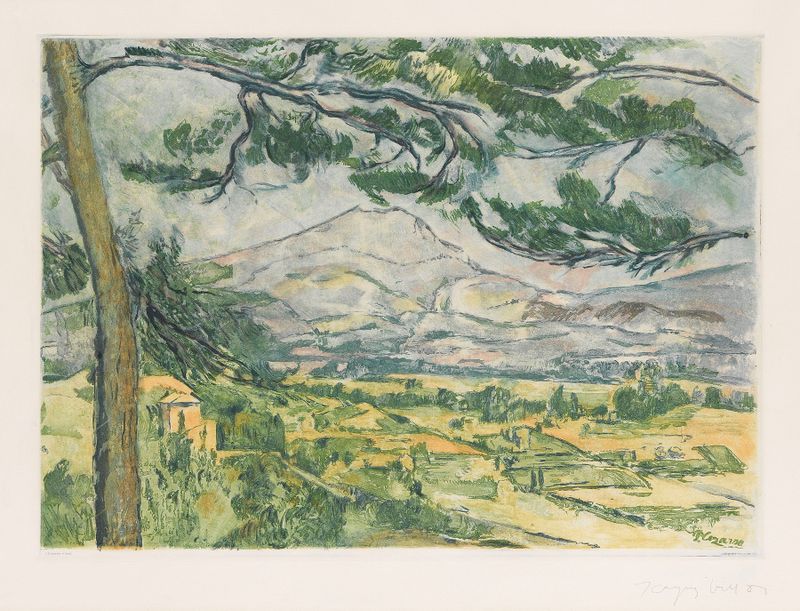
La Montagne Sainte-Victoire
Paul Cezanne
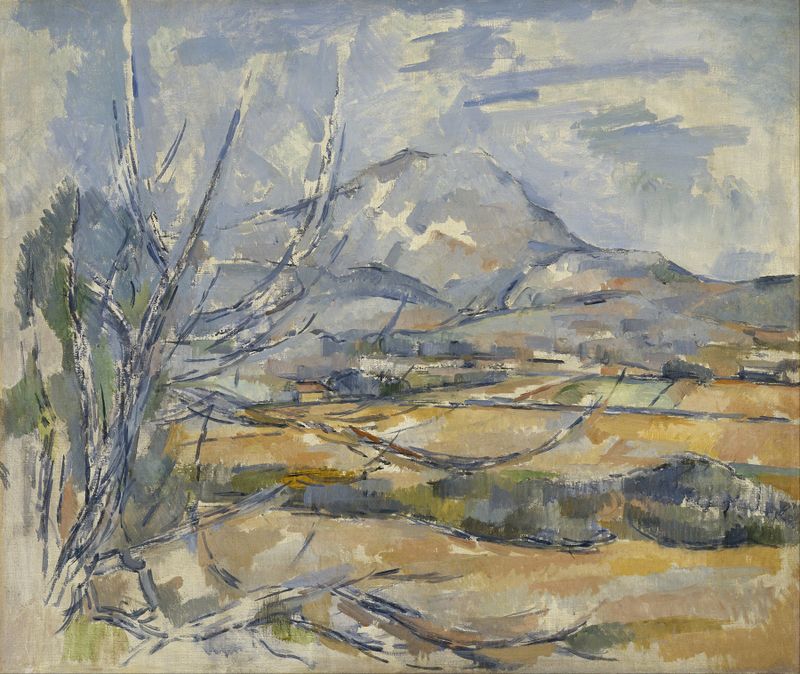
Montagne Sainte-Victoire
Paul Cezanne
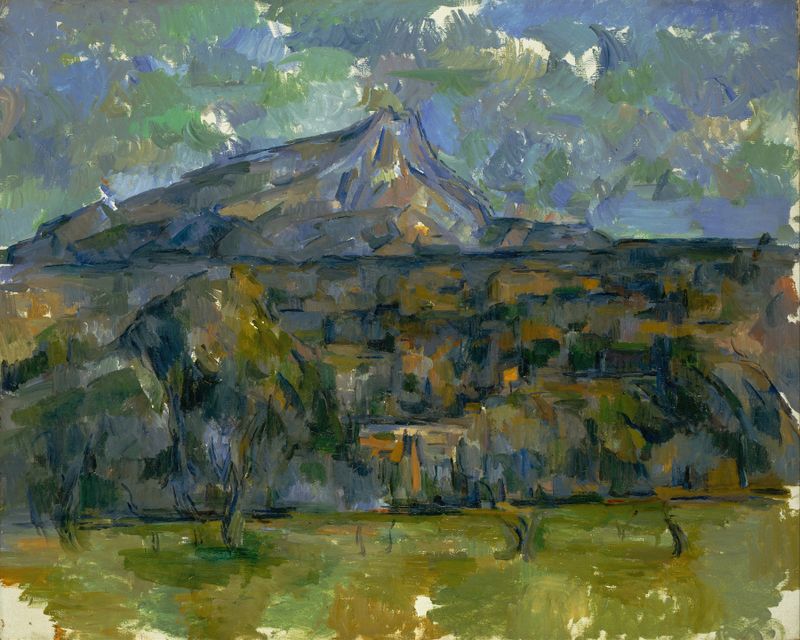
Mont Sainte-Victoire
Paul Cezanne
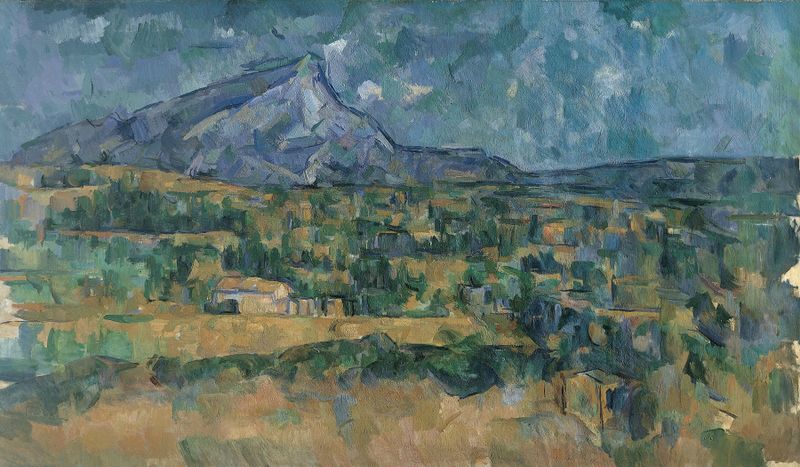
Mont Sainte-Victoire
Paul Cezanne
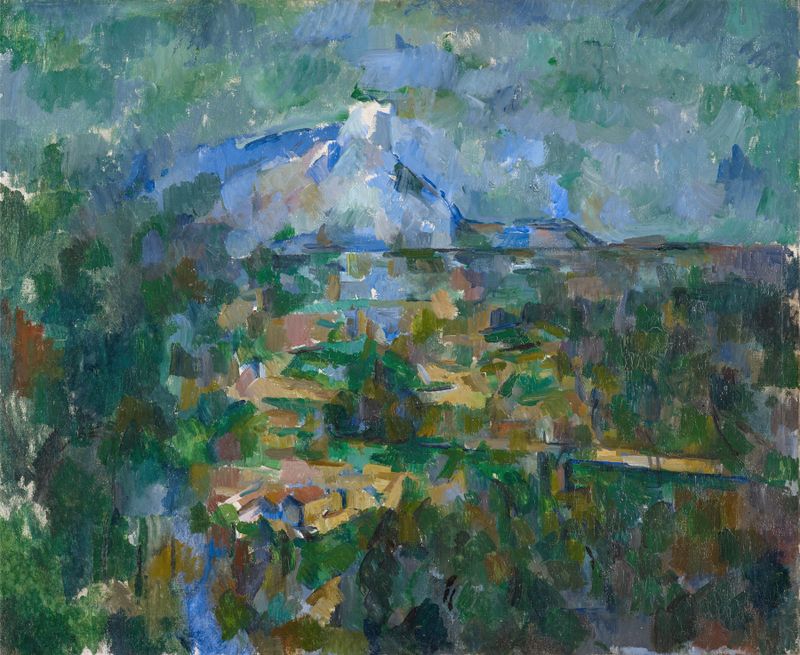
View of Mount Sainte-Victoire from Les Lauves
Paul Cezanne
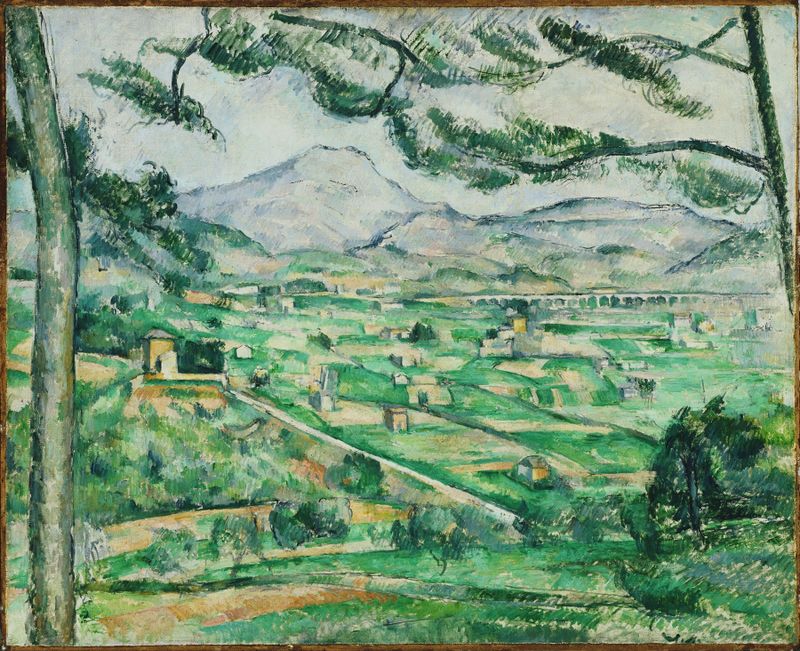
Mont Sainte-Victoire 2
Paul Cezanne

The Basket of Apples
Paul Cezanne

Mount Sainte-Victoire
Paul Cezanne
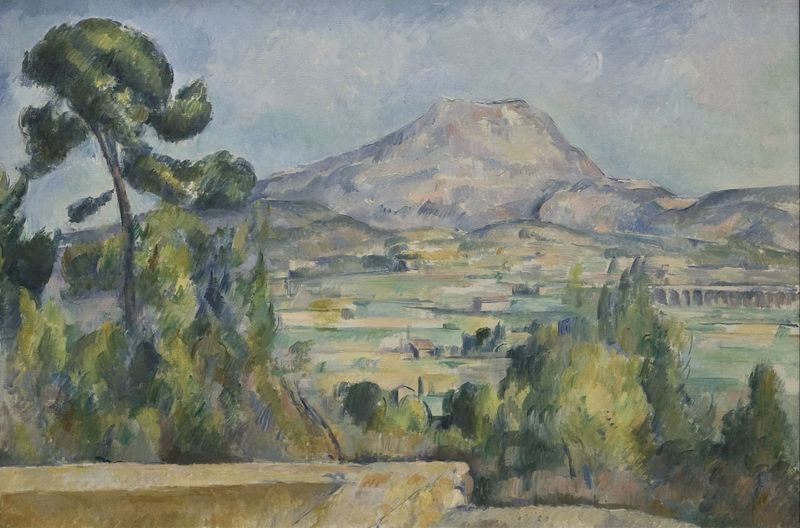
Montagne Saint-Victoire
Paul Cezanne





