
The Bay of Marseille, Seen from L'Estaque — History & Facts
Could a single brushstroke hold eternity? In the stillness of The Bay of Marseille, Seen from L'Estaque, silence reigns, inviting contemplation and deep connection with the landscape. Look to the horizon first, where the azure sea meets the tender embrace of the sky, an interplay of blues that beckons you inward. Notice how the rugged, ochre-tinted hills frame the composition, their textured strokes suggesting both strength and softness. The brushwork creates a rhythm, leading the eye through the tranquil waters, while dappled light dances upon the surface, capturing a moment suspended in time. Yet, below the surface lies a profound emotional undercurrent.
The contrast between the serene bay and jagged cliffs evokes a sense of duality — peace against the untamed. The soft hues of the water, paired with earthy tones of the land, whisper of harmony amid chaos. It suggests a world where silence can speak louder than tumult, echoing the artist’s search for clarity and depth in nature. Paul Cézanne painted this masterpiece around 1885 in L'Estaque, a small fishing village near Marseille.
At this time, he was navigating the shifting currents of post-impressionism, seeking to balance emotion with structural form. This period marked a pivotal moment in his career, as he began to forge a unique path that would influence generations of modern artists, reflecting both the beauty of the natural world and the complexity of human experience.
More Artworks by Paul Cezanne
Browse all →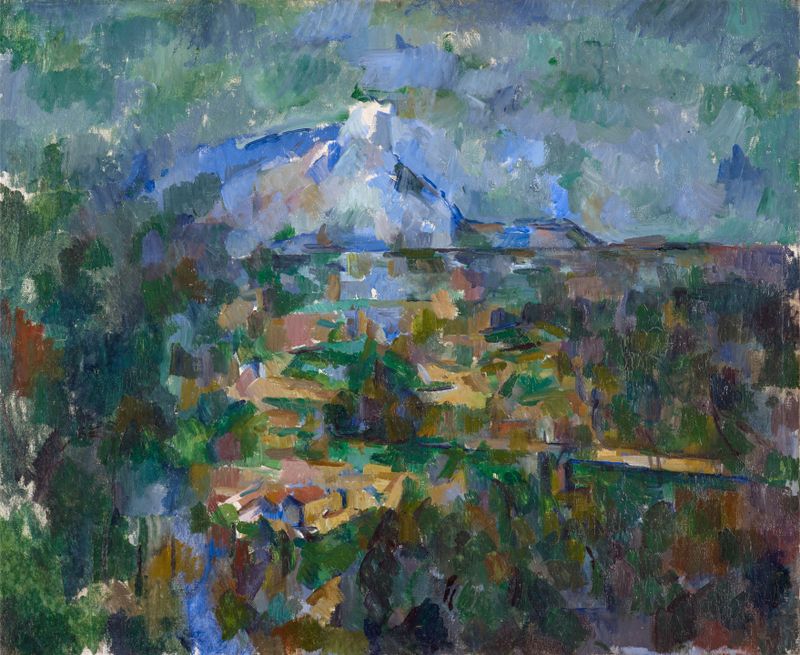
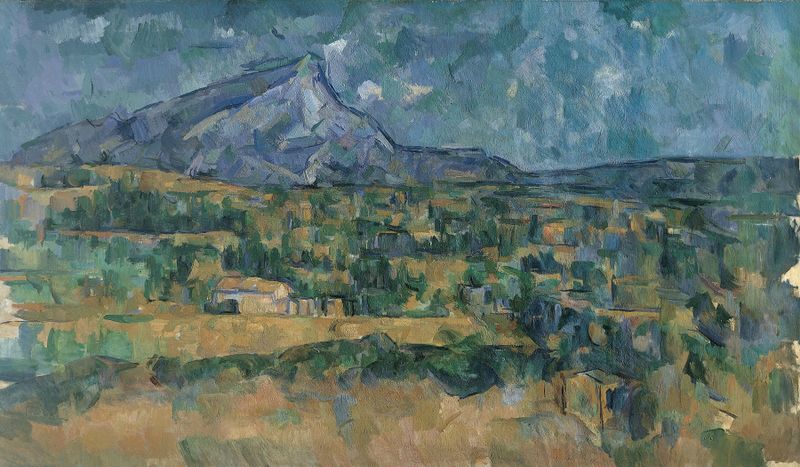
The Mont Sainte-Victoire Seen From Les Lauves
Paul Cezanne
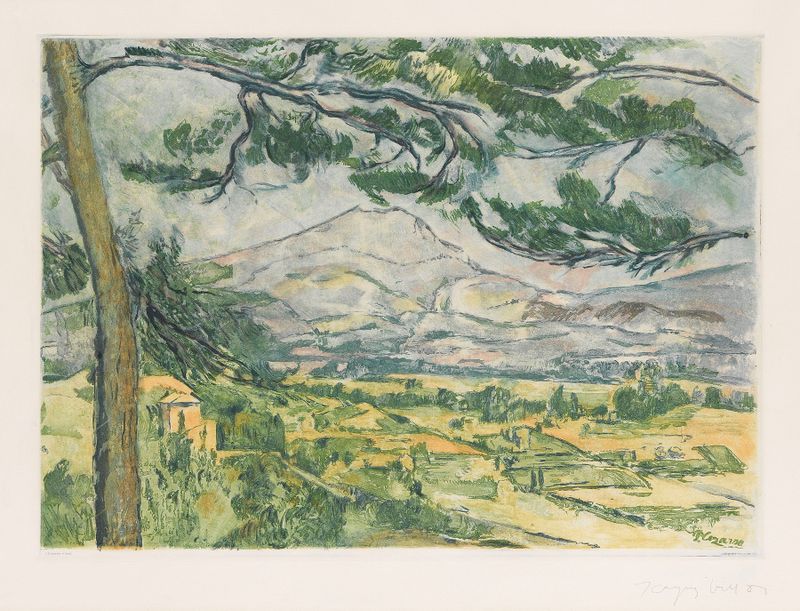
La Montagne Sainte-Victoire
Paul Cezanne
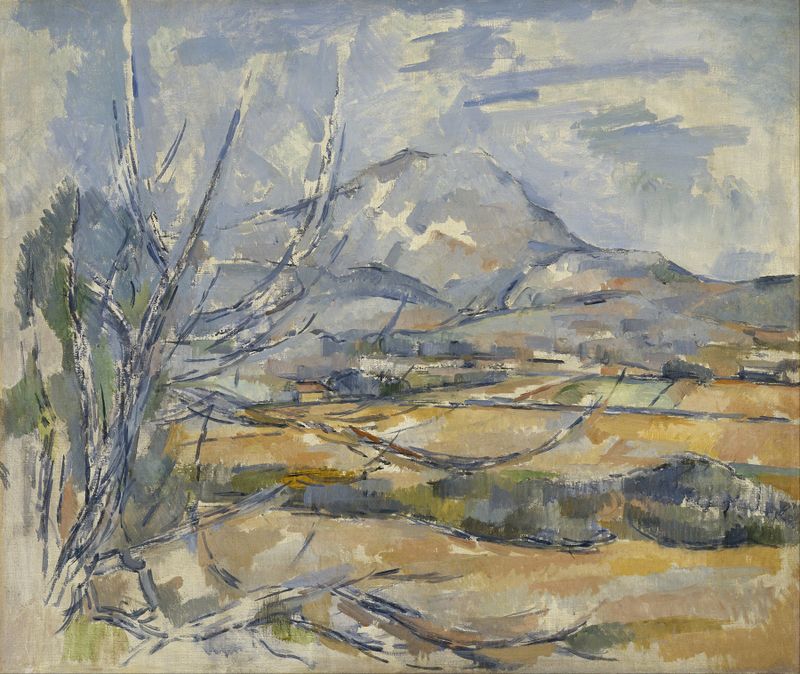
Montagne Sainte-Victoire
Paul Cezanne
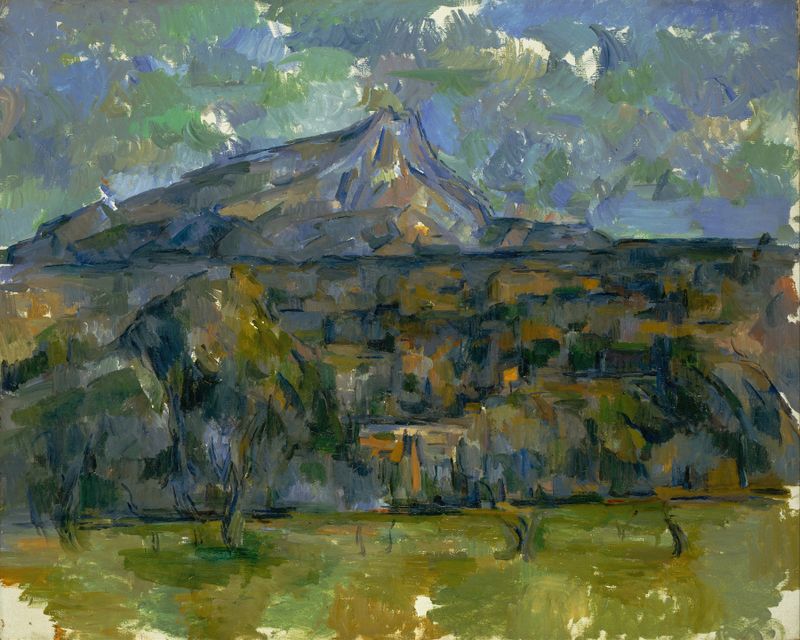
Mont Sainte-Victoire
Paul Cezanne
Mont Sainte-Victoire
Paul Cezanne
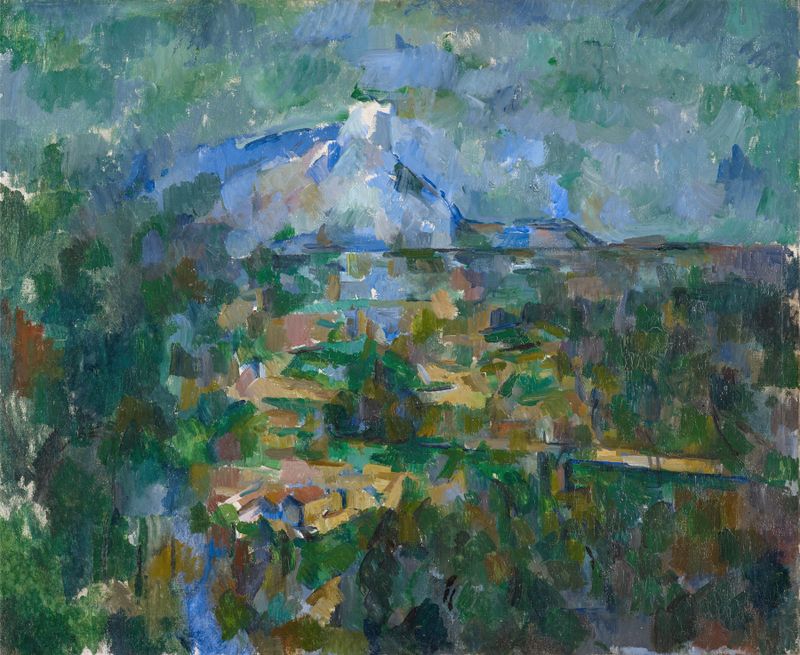
View of Mount Sainte-Victoire from Les Lauves
Paul Cezanne
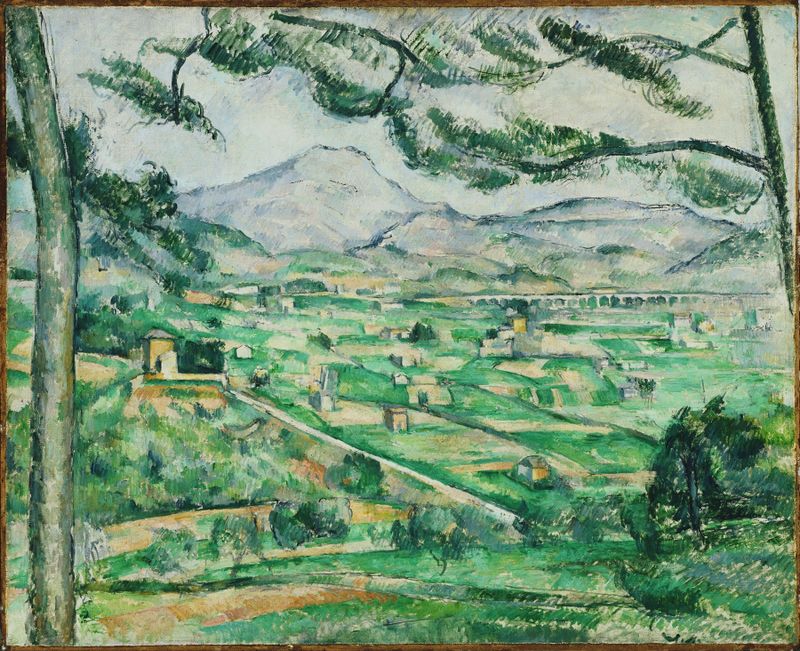
Mont Sainte-Victoire 2
Paul Cezanne

The Basket of Apples
Paul Cezanne

Mount Sainte-Victoire
Paul Cezanne
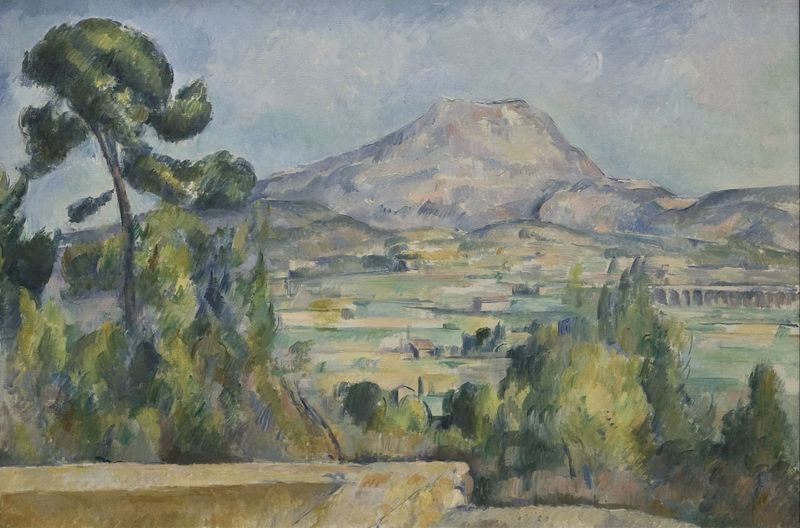
Montagne Saint-Victoire
Paul Cezanne





