
The Bay of Marseilles, Seen from L’Estaque — History & Facts
Who listens when art speaks of silence? In the stillness of The Bay of Marseilles, Seen from L’Estaque, a legacy unfolds, echoing the whispers of nature and time. Look to the left at the bold strokes of the blue sea, where waves brush against the sunlit shore, drawing your gaze across the horizon. Notice how the light falls upon the craggy cliffs, their ruggedness softened by the warmth of the sun, while the clouds float lazily above, rendered with a gentle touch. The layered composition and contrasting colors invite you to explore depth and texture, as the painter meticulously captures the interplay of light and shadow, establishing a dialogue between the scene and the viewer. Delve deeper into the work, and you’ll discover a profound contrast between serenity and movement.
The distant hills symbolize the eternal, steadfastness against the ever-changing sea, a reflection of the artist’s own struggle for stability in his creative journey. The rhythmic patterns of the waves seem to pulse with life, yet they evoke a haunting stillness, inviting contemplation on nature’s enduring beauty and the fleeting moments of existence. Cézanne painted this work in the late 1880s, during a time when he was striving to define his unique style, distancing himself from the Impressionist movement. Living in the South of France, he found inspiration in the landscape, turning his attention to the elements that spoke to him most deeply.
This painting is not just a representation of a view, but a testament to his legacy, forever influencing the trajectory of modern art.
More Artworks by Paul Cezanne
Browse all →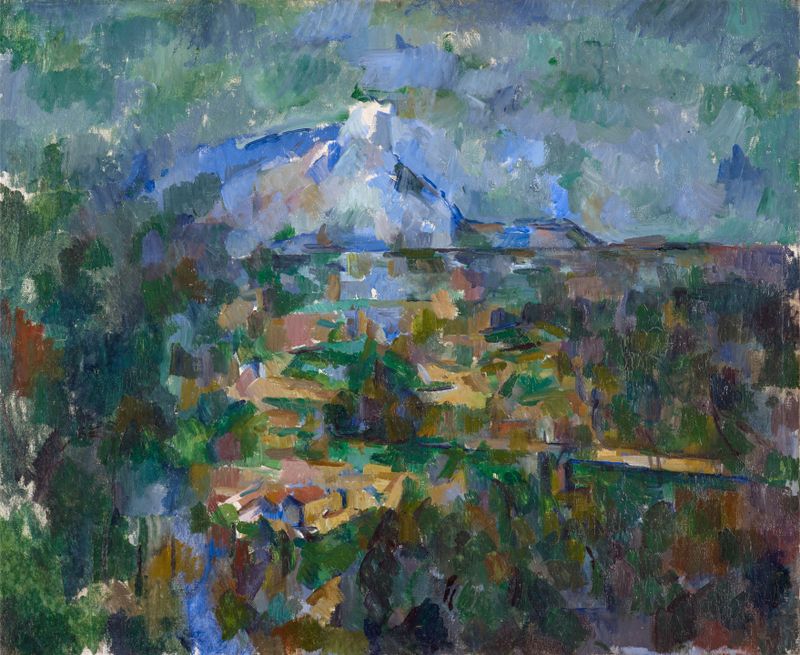
The Mont Sainte-Victoire Seen From Les Lauves
Paul Cezanne
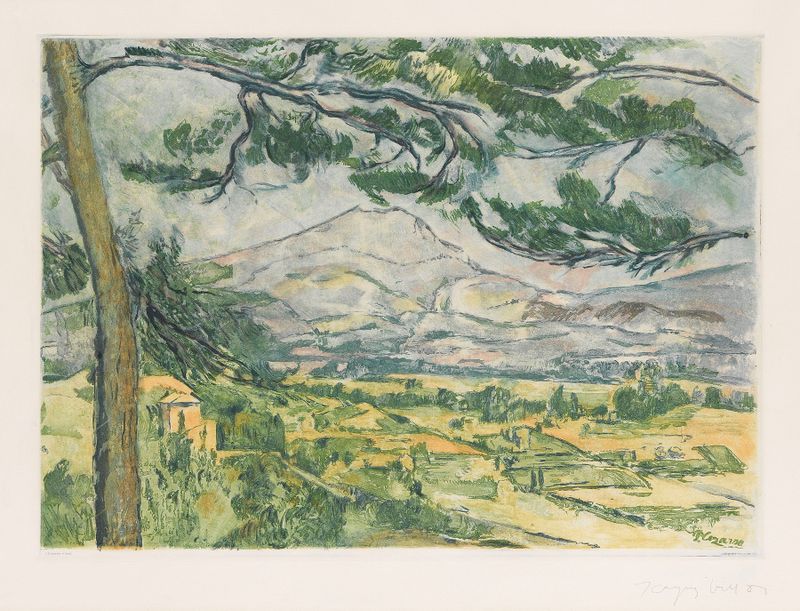
La Montagne Sainte-Victoire
Paul Cezanne
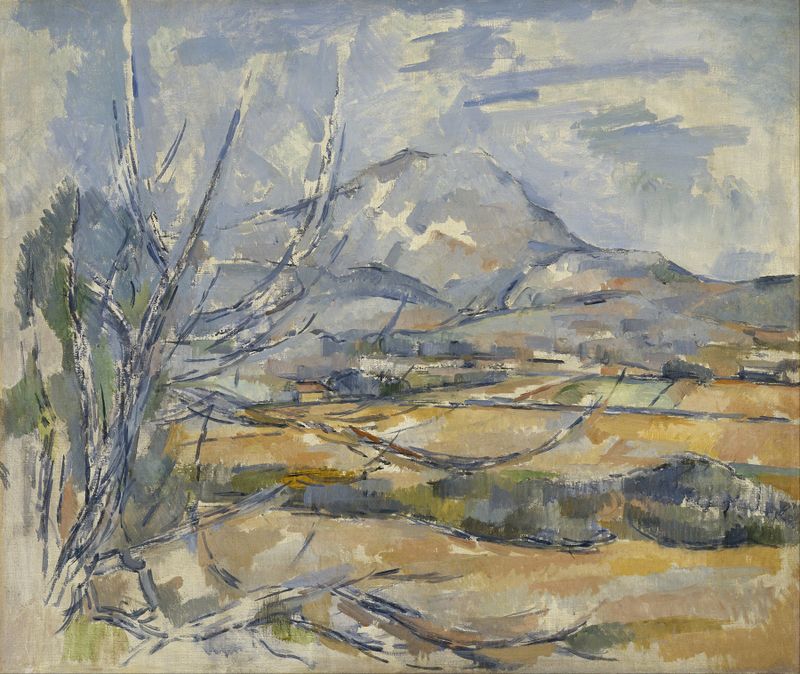
Montagne Sainte-Victoire
Paul Cezanne
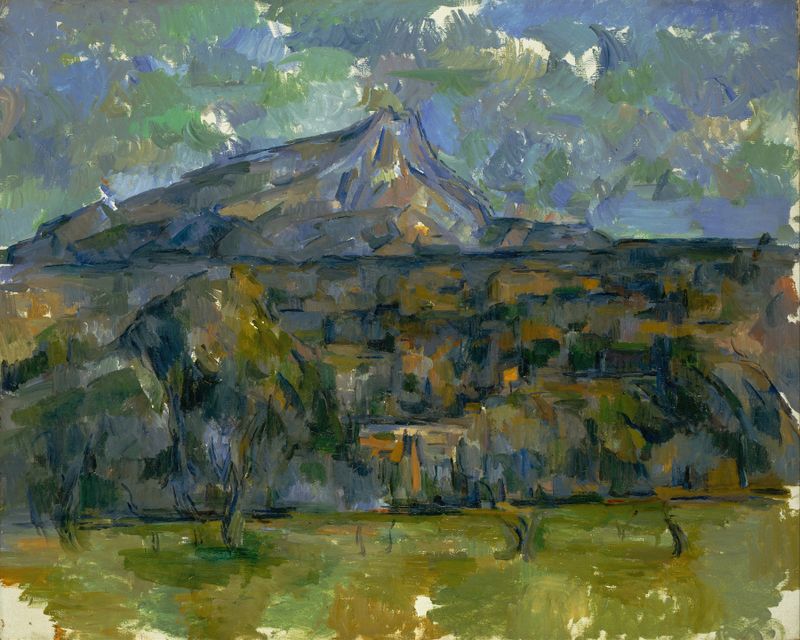
Mont Sainte-Victoire
Paul Cezanne
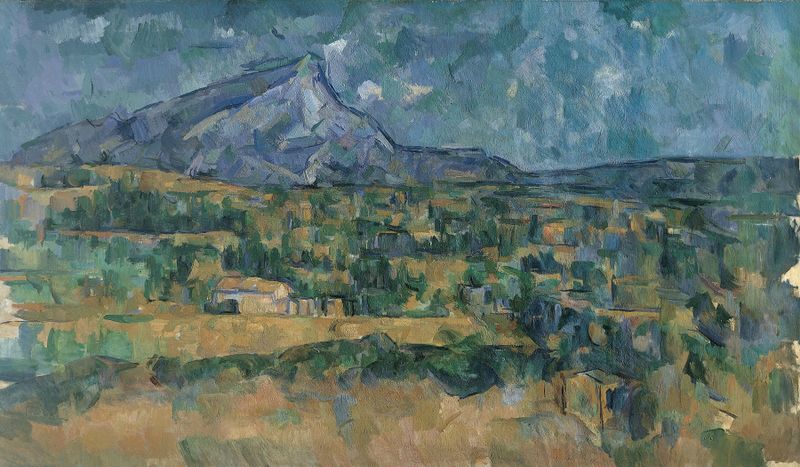
Mont Sainte-Victoire
Paul Cezanne
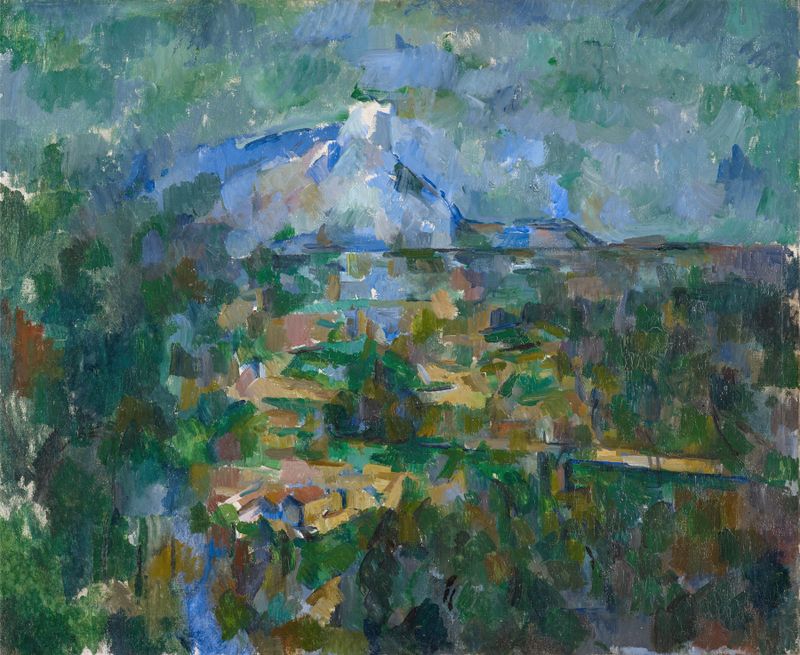
View of Mount Sainte-Victoire from Les Lauves
Paul Cezanne
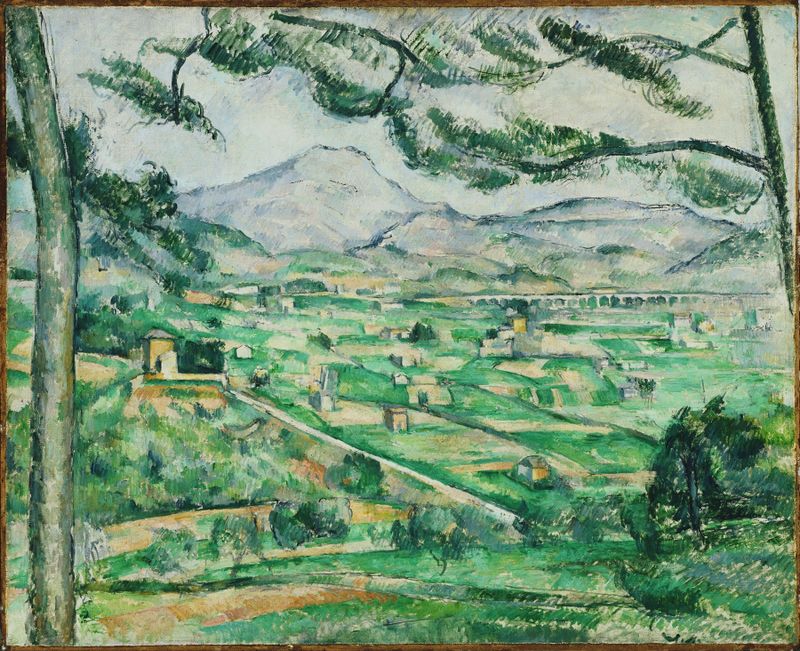
Mont Sainte-Victoire 2
Paul Cezanne

The Basket of Apples
Paul Cezanne

Mount Sainte-Victoire
Paul Cezanne
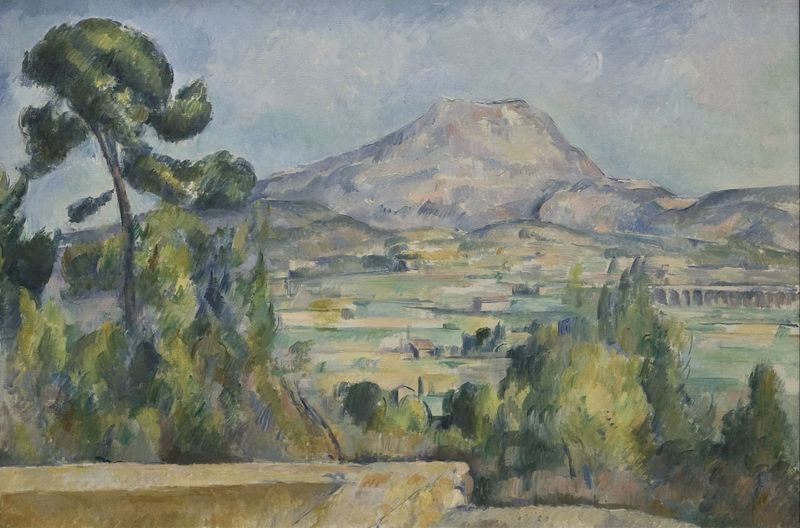
Montagne Saint-Victoire
Paul Cezanne





