
The Bird Hunt — History & Facts
In that suspended moment, we find a melancholic reflection of humanity's relentless pursuit of nature and the cost attached to it. Look closely at the foreground; the hunters, poised with their bows, reveal a spectrum of emotion. The tension in their shoulders and the furrowed lines across their brows capture a singular focus—though they are surrounded by the lushness of the forest, their intent is stark, almost predatory. Notice how the muted palette of greens and browns dominates the scene, punctuated by the stark contrast of the birds in flight above, their wings a vivid reminder of freedom lost.
Shadows dance between the trees, enhancing the drama while underscoring the fragile boundary between man and nature. Delve deeper, and the composition unfolds layers of meaning. The juxtaposition of the hunters’ fervor against the serene backdrop hints at a poignant irony: the beauty of the wilderness stands in stark contrast to the violence of the hunt. Each drawn bowstring suggests the inevitable tension between survival and the innocence of nature.
The distant birds, oblivious to their fate, symbolize fleeting freedom—an echo of life’s ephemeral moments, imbued with a sense of melancholy that wraps around the viewer like a whispered warning of loss. During the early 1630s, Callot was living in France, navigating a landscape of artistic transition and turmoil. The Baroque period was flourishing, with a focus on emotion and realism emerging in art. This period in Callot’s life was marked by exploration and experimentation in printmaking, yet The Bird Hunt reflects not only his technical prowess but also a method of meditation on the relationship between humanity and the natural world, capturing the essence of a fleeting moment in time.
More Artworks by Jacques Callot
Browse all →
Titelprent voor de prentreeks 'De kleine apostelen' (Het martelaarschap van de apostelen)
Jacques Callot
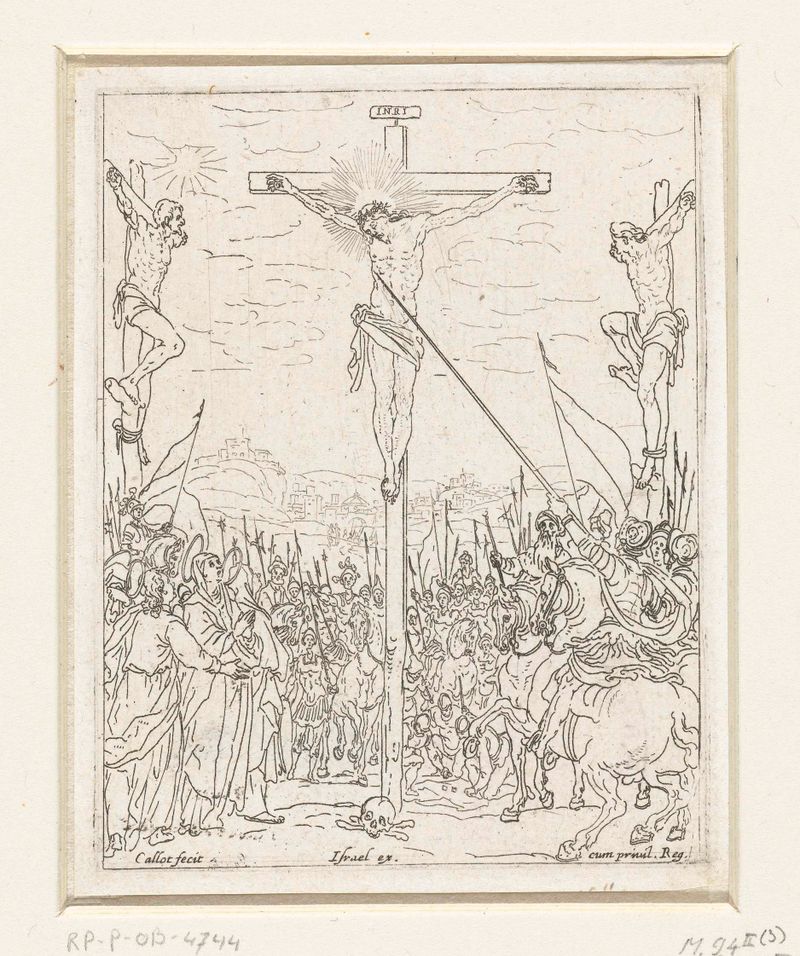
Kruisiging
Jacques Callot

De doortocht door de Rode Zee
Jacques Callot

De verloren zoon als zwijnenhoeder
Jacques Callot

Annunciatie
Jacques Callot
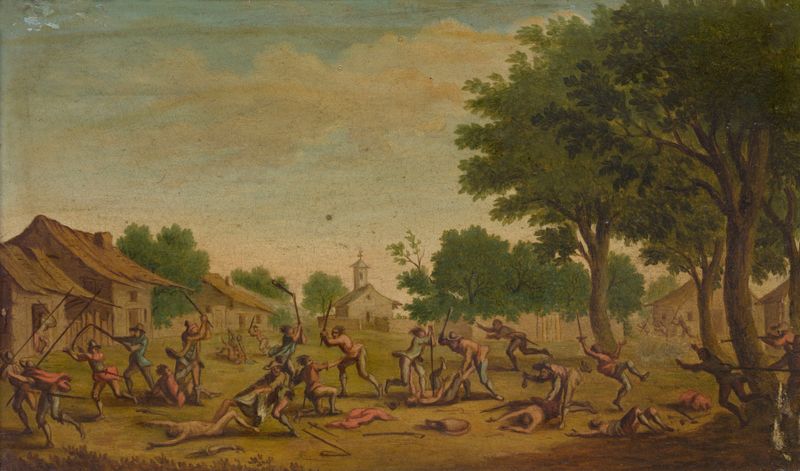
Village Fight
Jacques Callot

Titelprent voor prentreeks 'Het leven van Maria'
Jacques Callot
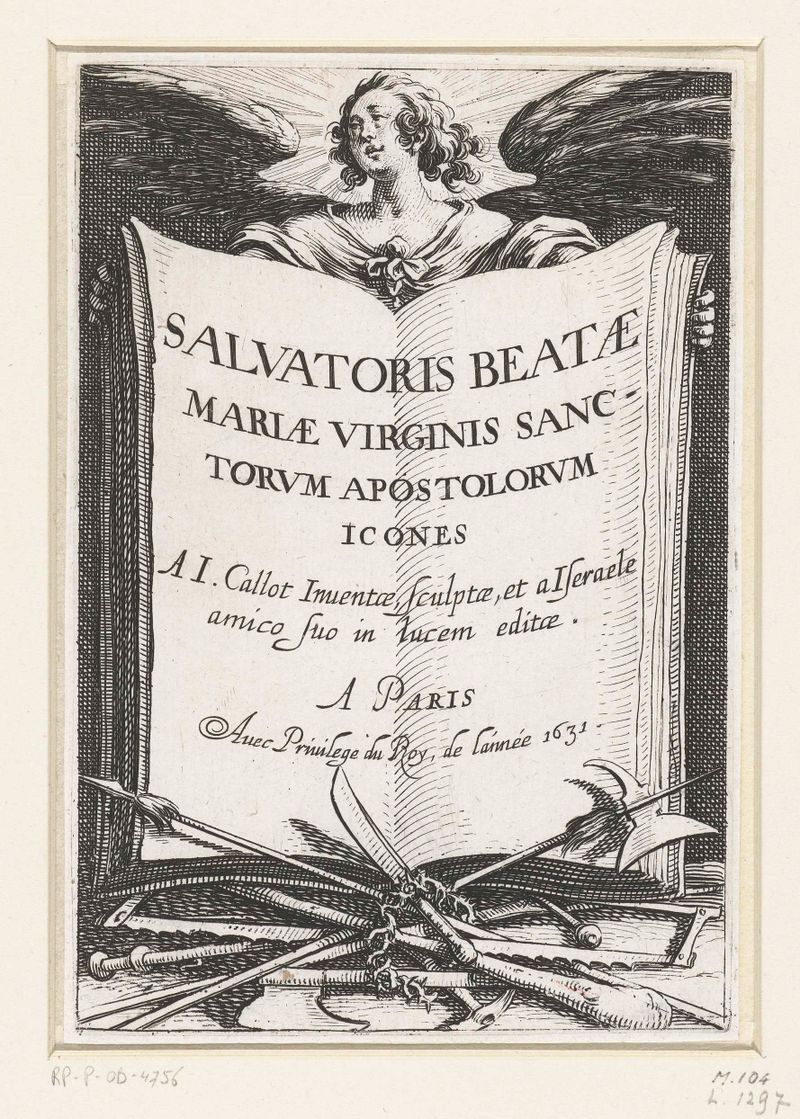
Titelprent voor de prentreeks 'De grote apostelen' (Christus, Maria en de apostelen)
Jacques Callot

Christus aan het volk getoond (Ecce homo)
Jacques Callot
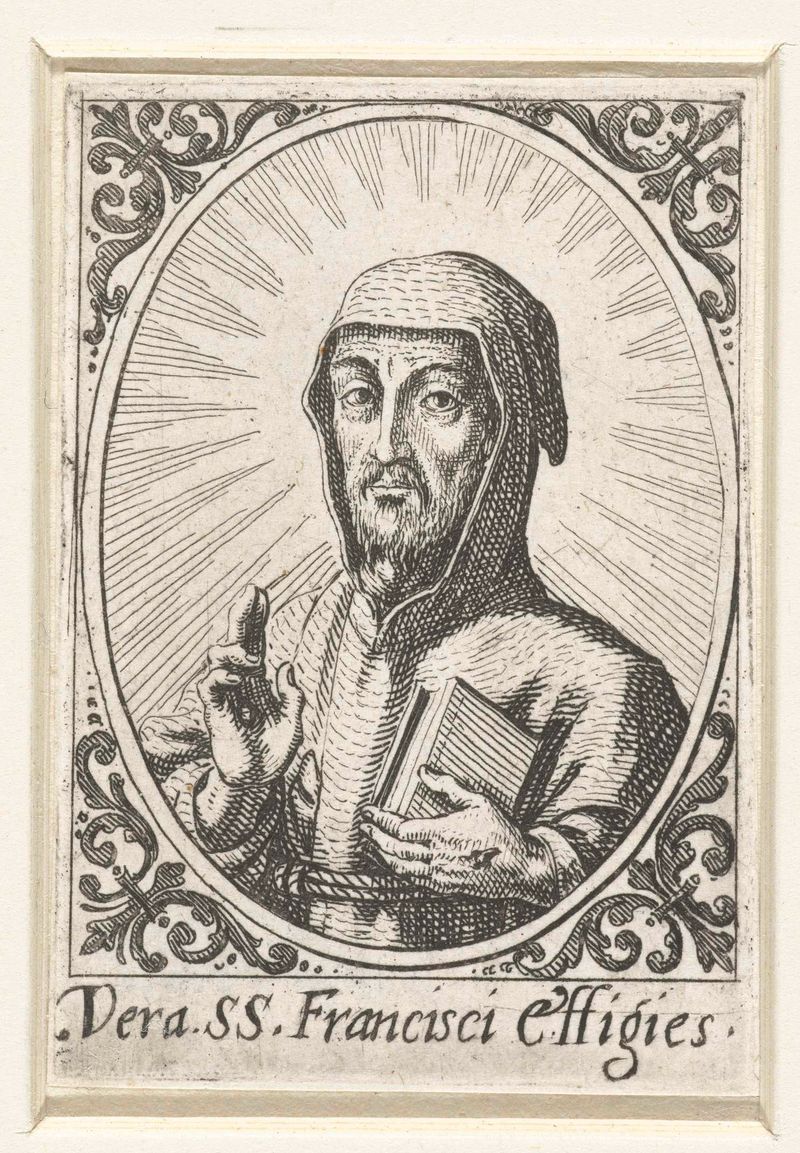
Portret van de Heilige Franciscus
Jacques Callot





