The Blacksmith — History & Facts
When Théodore Géricault first exhibited The Blacksmith in 1813, the Parisian public was startled to see a young artist—barely 22—turn his gaze not to myth or battle, but to the raw, muscular dignity of a working man. This was a daring choice at a time when the French Salon favored heroic generals and ancient gods. The painting’s focus on a humble tradesman, rendered on a grand scale, hinted at the social changes rippling through Napoleonic France, and marked an early sign of the Romantic movement’s fascination with real people and real labor. The moment Géricault chose is one of intense, solitary concentration: the blacksmith, sleeves rolled, leans into his anvil, hammer poised mid-swing, sweat beading on his brow.
The forge’s glow throws his powerful arms into relief, while the background recedes into shadow, isolating the figure in a world of heat and effort. The scattered tools and glowing coals speak to the daily grind of his craft, while the man’s direct gaze—rare in depictions of laborers—demands recognition. Unlike Jean-Baptiste Greuze’s sentimental peasants or the idealized workers of David, Géricault’s blacksmith is neither a victim nor a symbol, but an individual, alive in his moment of toil. The precise history of The Blacksmith’s commission and early ownership remains uncertain, though it is clear that the work predates Géricault’s celebrated The Raft of the Medusa by several years and foreshadows his lifelong interest in the human body under strain.
The painting’s medium is not definitively recorded, but its robust modeling and dramatic lighting suggest the influence of both Caravaggio and the French academic tradition. Today, The Blacksmith is recognized as an important early work in Géricault’s short but influential career, marking his break from convention and his embrace of the ordinary as a worthy subject for high art. Its current location is not widely documented, but it remains a touchstone for scholars tracing the birth of French Romanticism.
More Artworks by Théodore Géricault
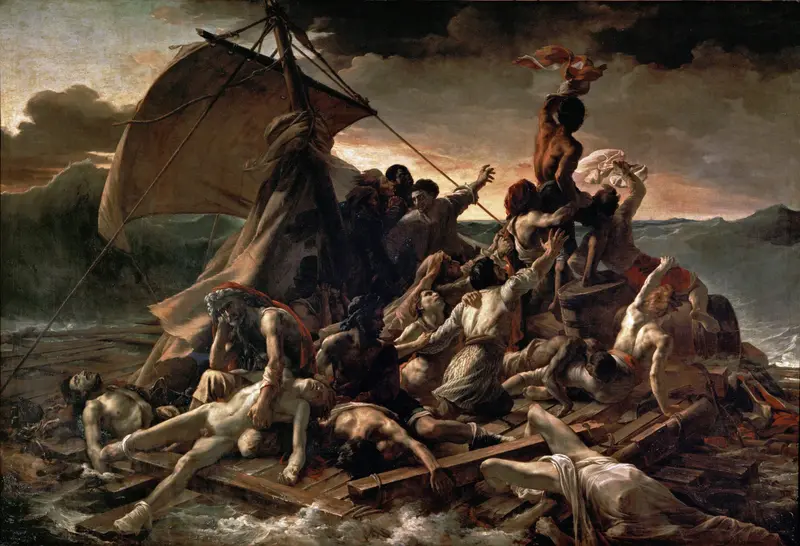
The Raft of the Medusa
Théodore Géricault

Géricault - Le naufrage du radeau de la Méduse, MBA 790
Théodore Géricault
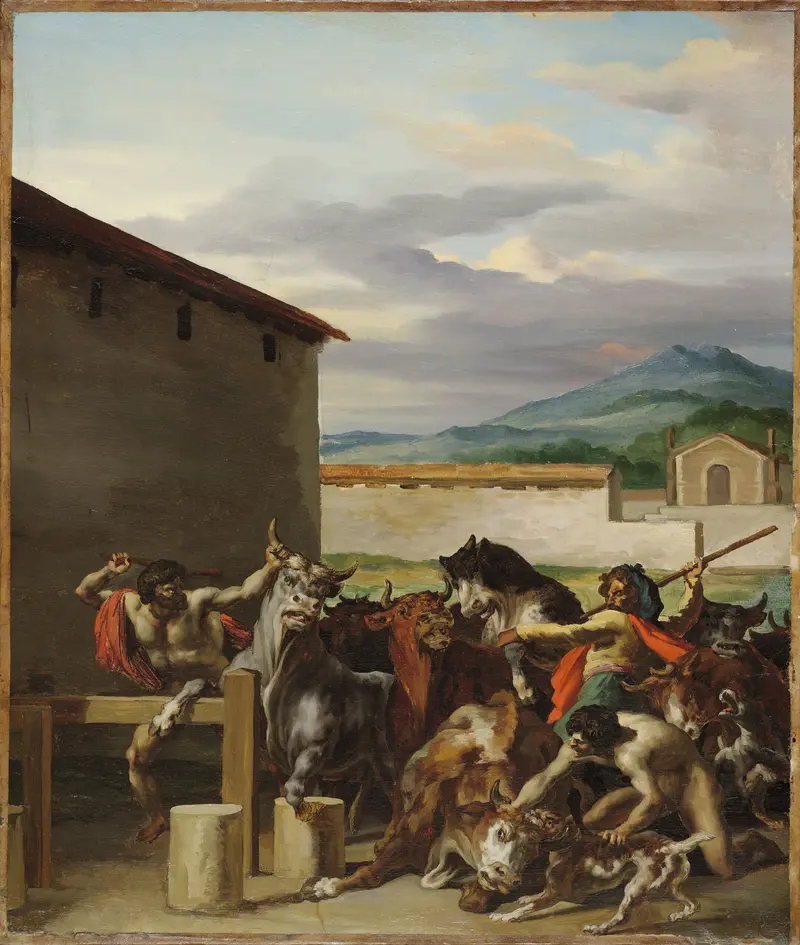
Cattle Market
Théodore Géricault
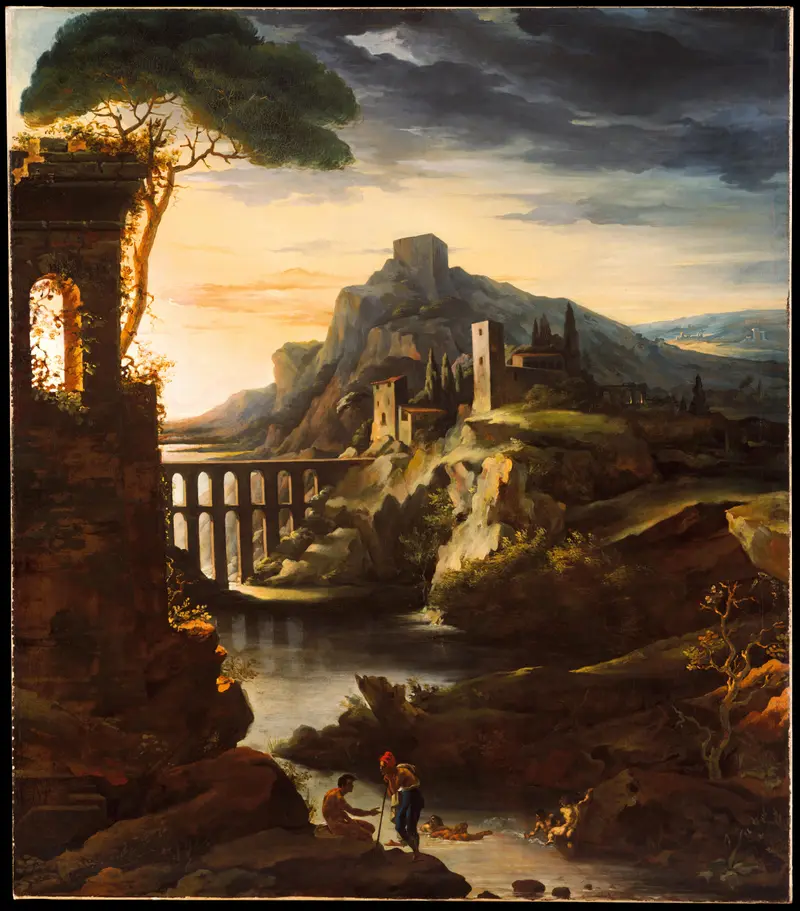
Evening; Landscape with an Aqueduct
Théodore Géricault
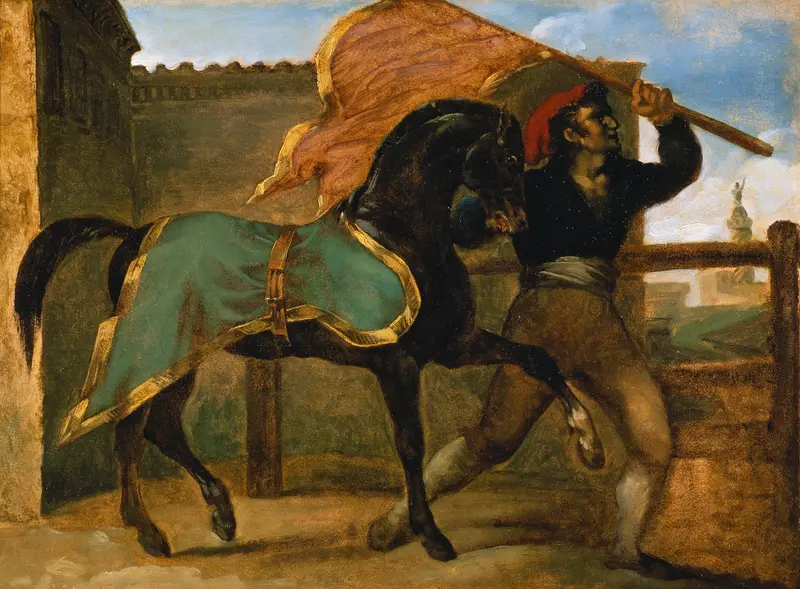
Horse Race
Théodore Géricault

Horses Standing in a Mews
Théodore Géricault
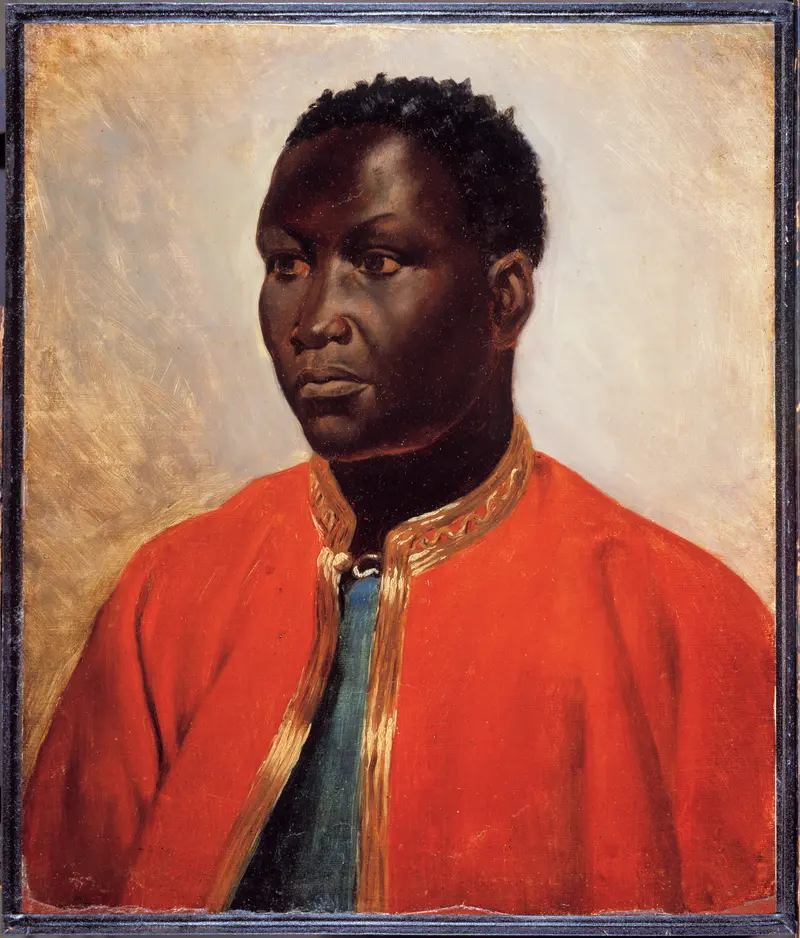
Portrait of a Negro
Théodore Géricault
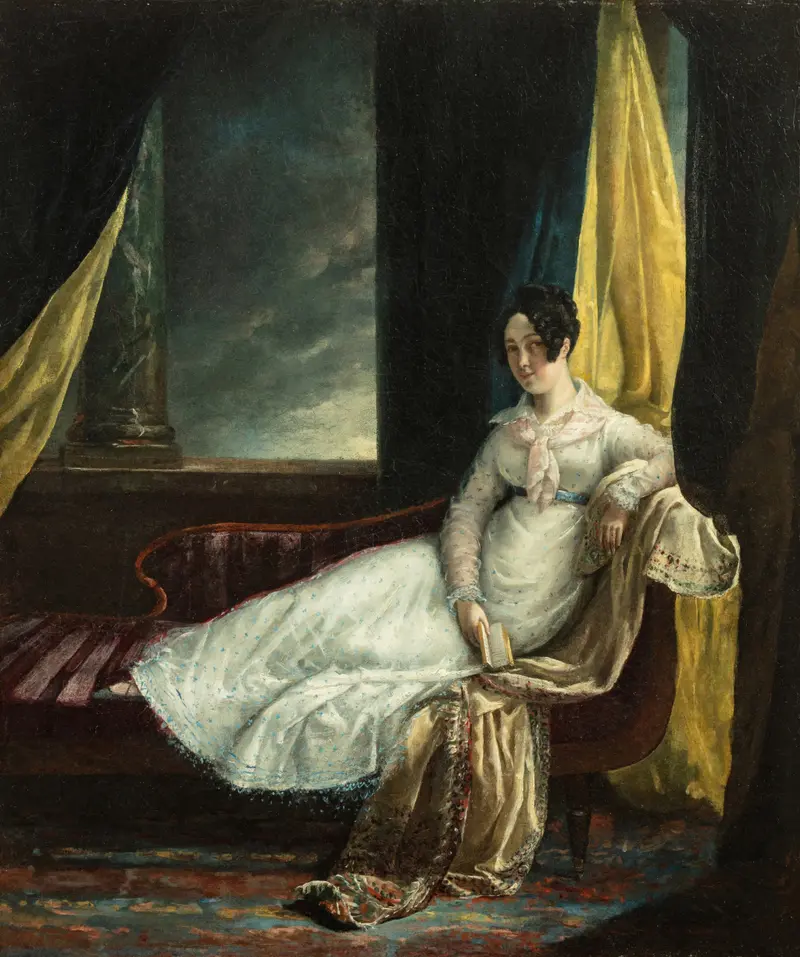
Portrait of Zoë Elmore
Théodore Géricault
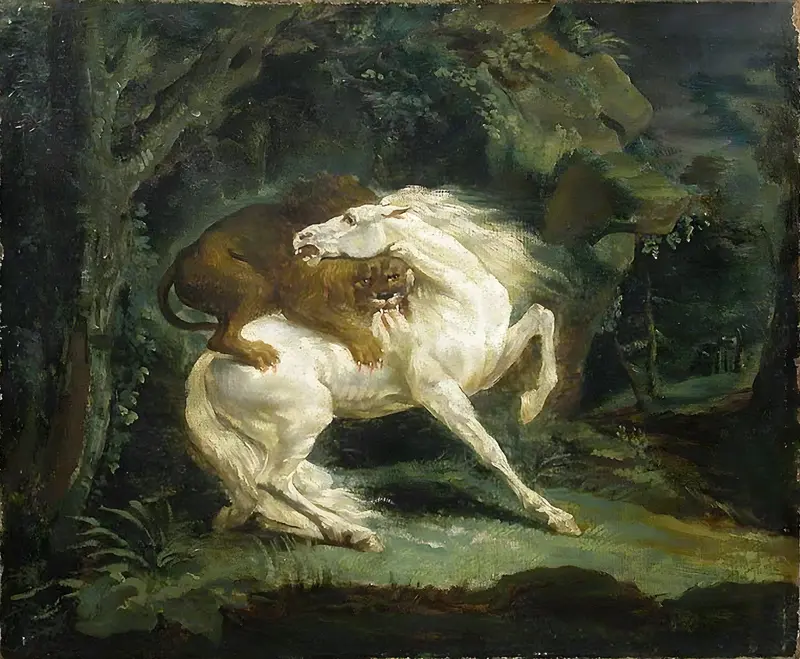
Cheval attaqué par un lion
Théodore Géricault
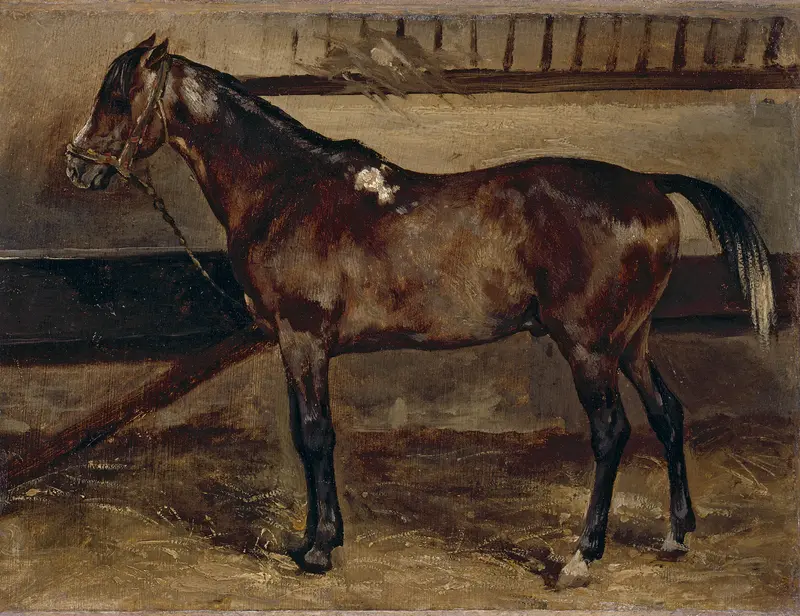
Cheval brun à l'écurie
Théodore Géricault