
The Blinding of Polyphemus — History & Facts
The first thing that seizes the eye in The Blinding of Polyphemus is the coil of bodies and limbs, locked in a desperate, silent struggle at the painting’s heart. Alessandro Allori chooses the very instant of violence: three armored men, their faces set in grim determination, drive a massive stake downward with all their strength. The light falls sharply on their muscular arms and gleaming helmets, drawing us into the vortex of action, while the giant Polyphemus, his face contorted and hair wild, is pinned beneath their assault.
The semicircular format intensifies the drama, compressing the scene into a single, inescapable moment, while the distant landscape—calm, almost idyllic—offers a chilling contrast to the brutality in the foreground. Painted in 1580, this work belongs to a world where mythological subjects were prized for their ability to showcase both narrative invention and technical skill. In late Renaissance Florence, artists like Allori were often called upon to decorate palaces and villas with scenes from Homer and Ovid, offering patrons a blend of erudition and spectacle. The painting’s theatrical gestures and vibrant palette are hallmarks of the period, as is the careful attention to costume and armor—details that would have signaled sophistication and taste to contemporary viewers.
Though little is recorded about the specific journey of this piece, its survival invites us to linger over the tension between myth and reality, violence and escape, that animates both the story and the era.
More Artworks by Alessandro Allori

Francesco de' Medici
Alessandro Allori
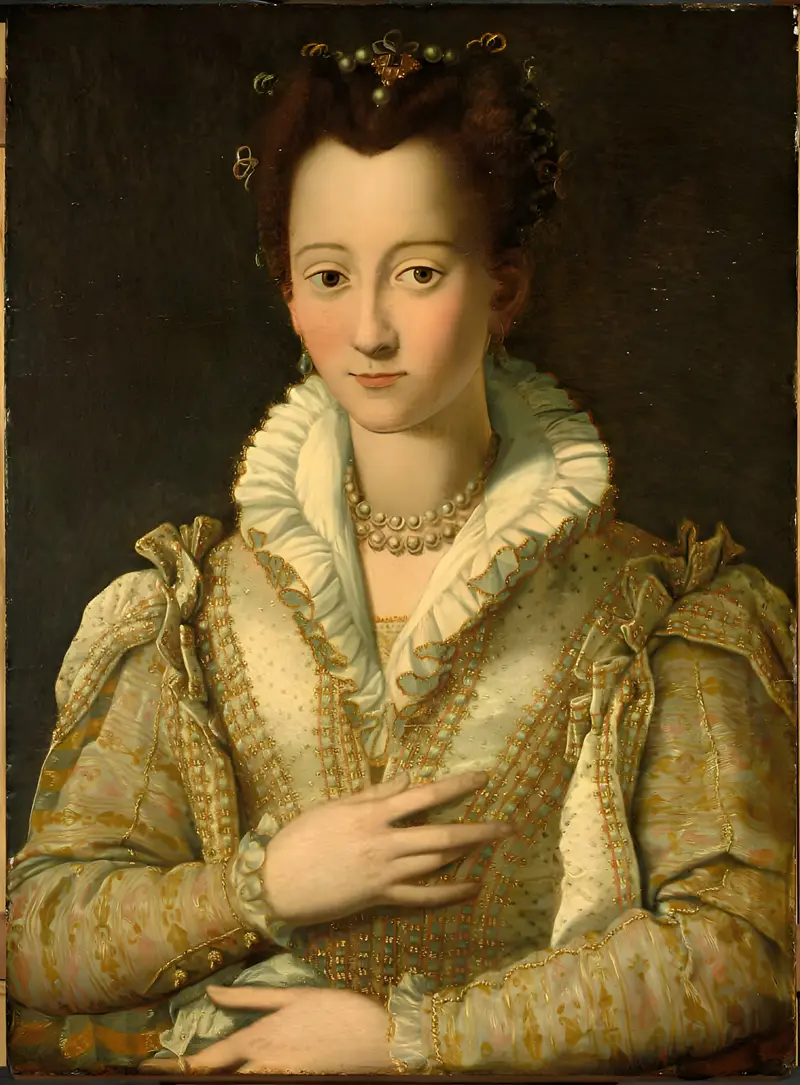
Portrait of a Woman
Alessandro Allori
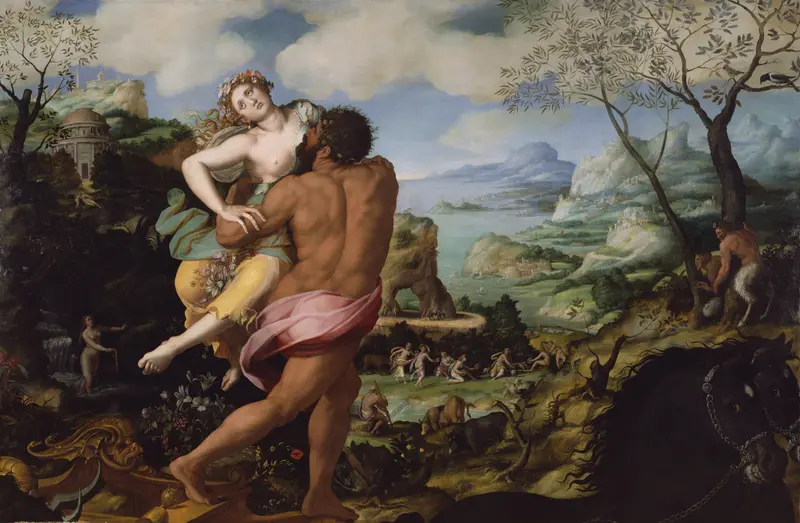
The Abduction of Proserpine
Alessandro Allori
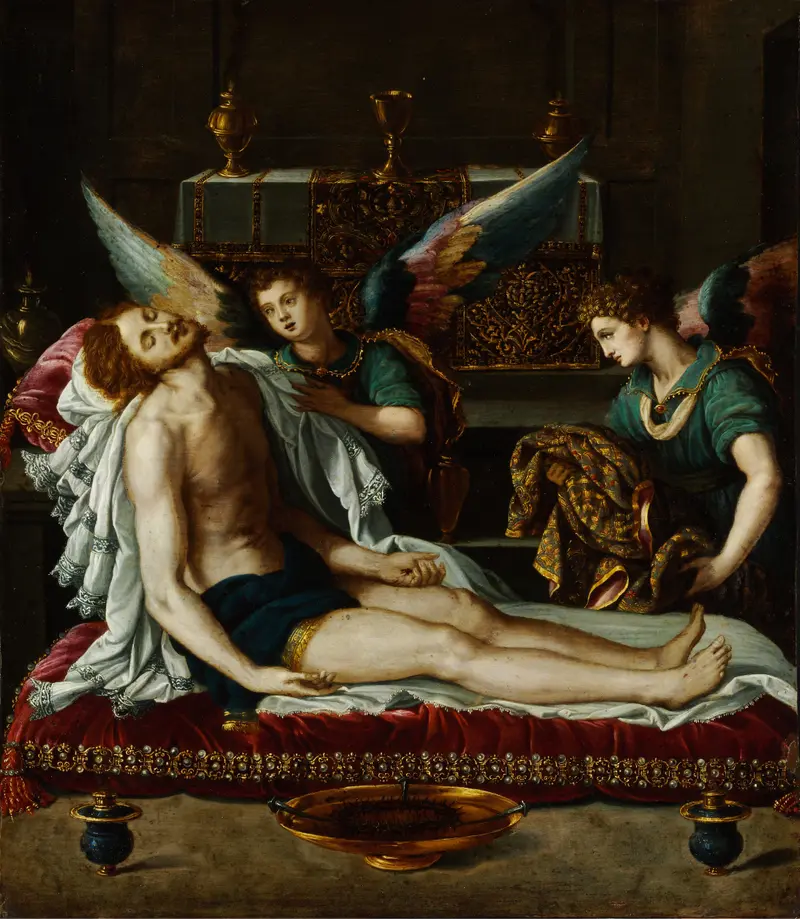
The Body of Christ Anointed by Two Angels
Alessandro Allori
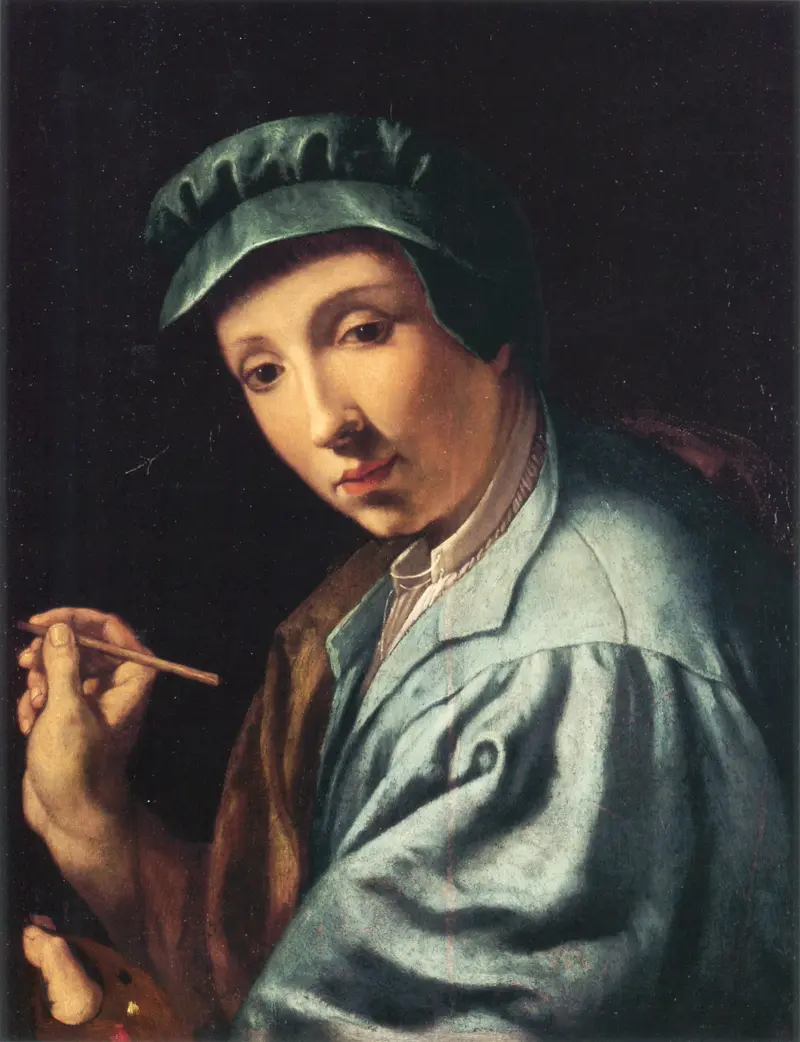
Self-portrait
Alessandro Allori
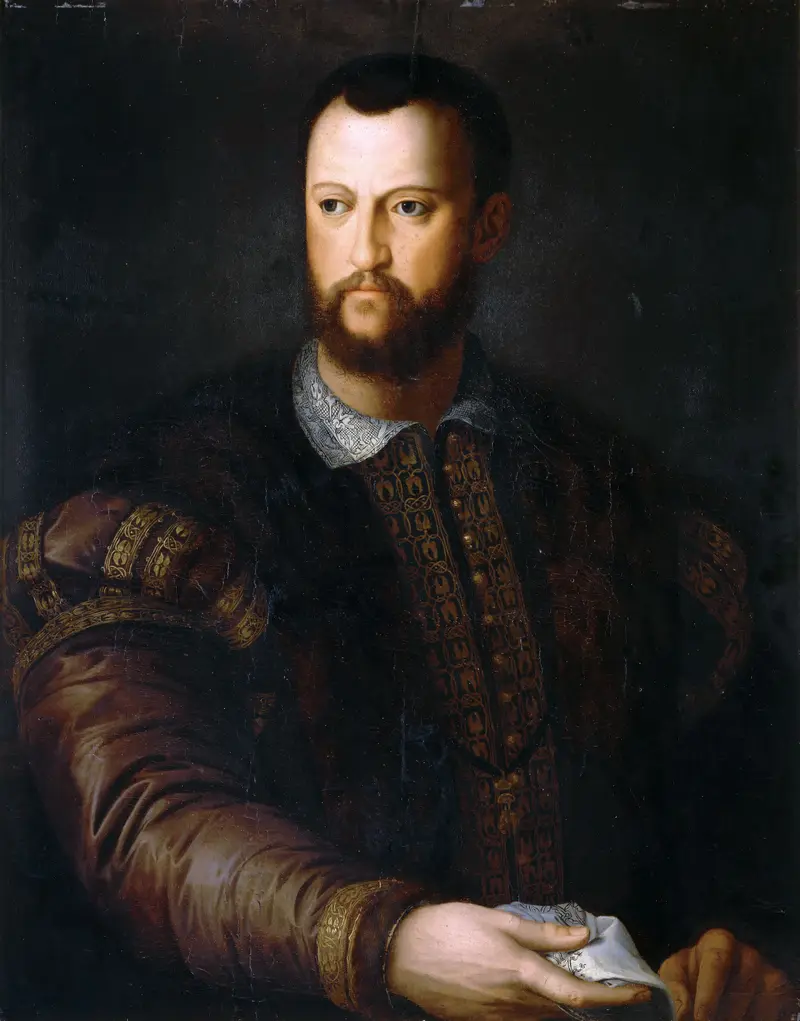
Portrait of Cosimo I de' Medici
Alessandro Allori
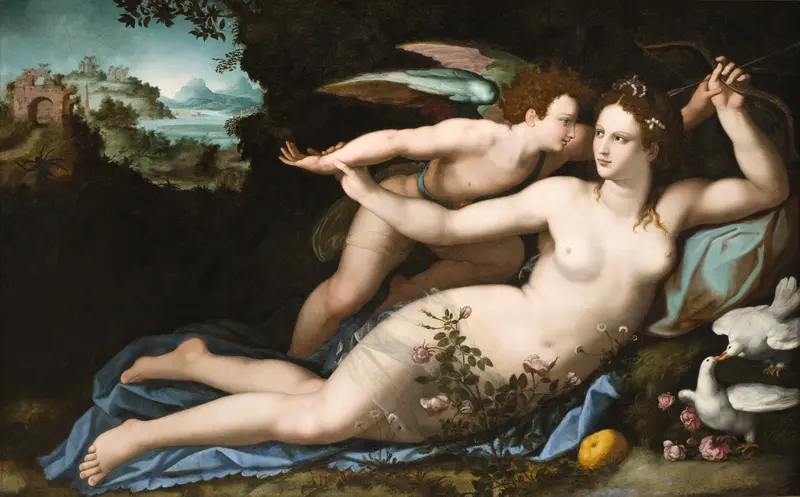
Venus disarming Cupid
Alessandro Allori
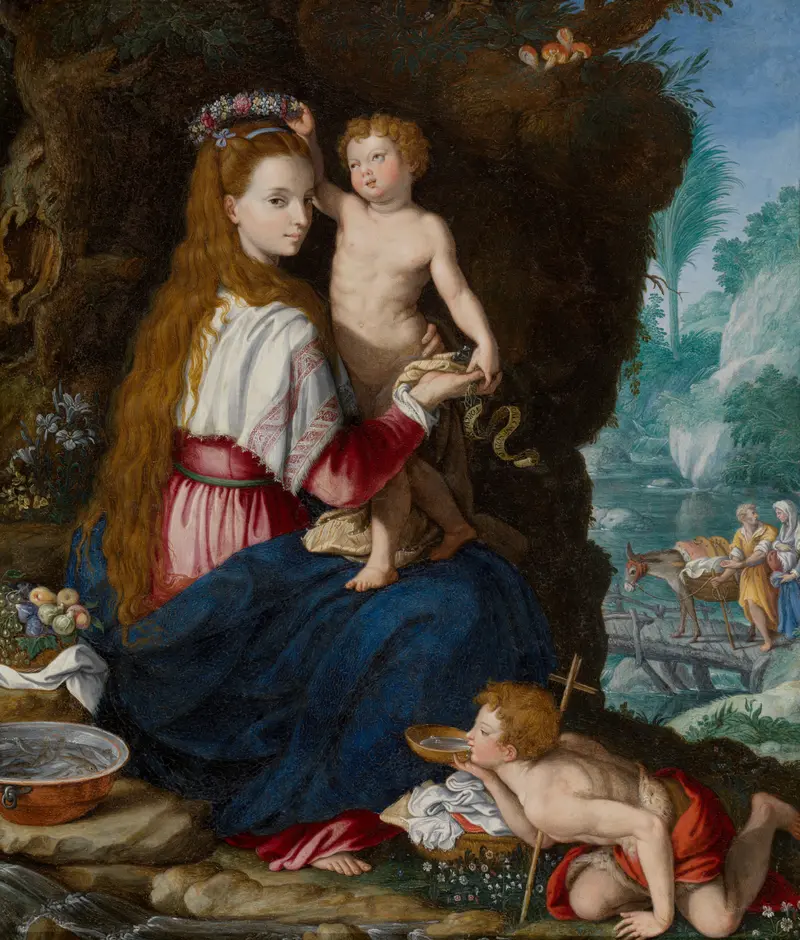
Madonna with Little Saint John
Alessandro Allori
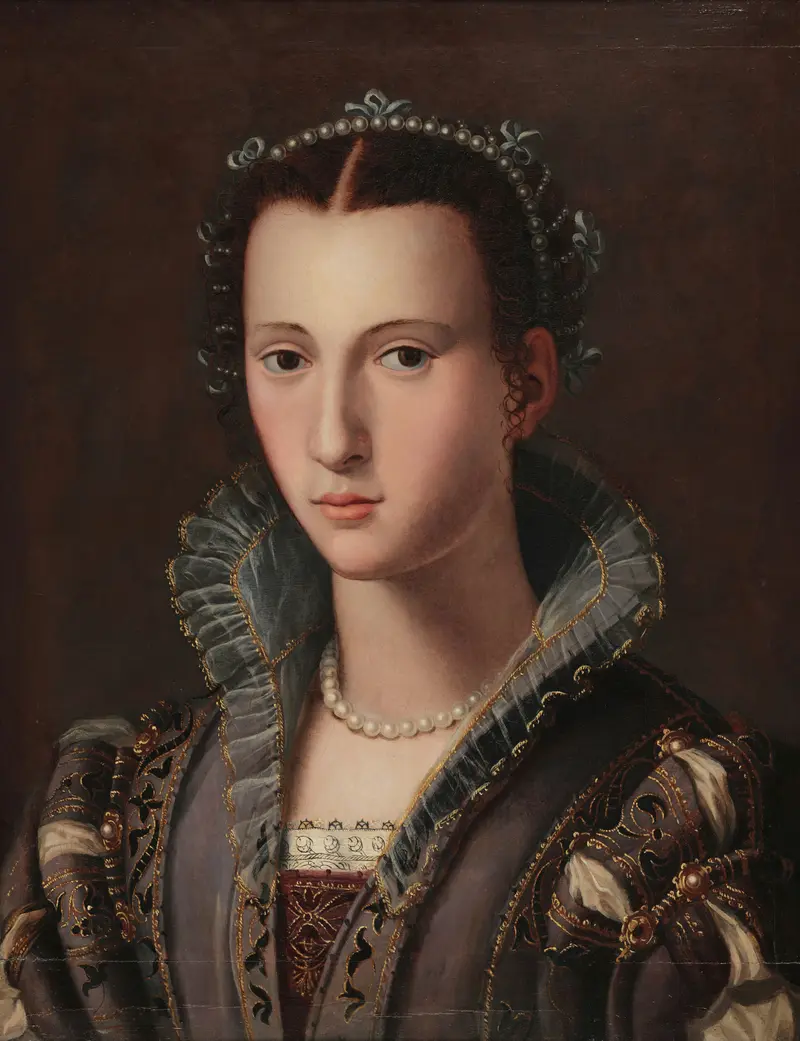
Portrait of a Florentine Lady
Alessandro Allori
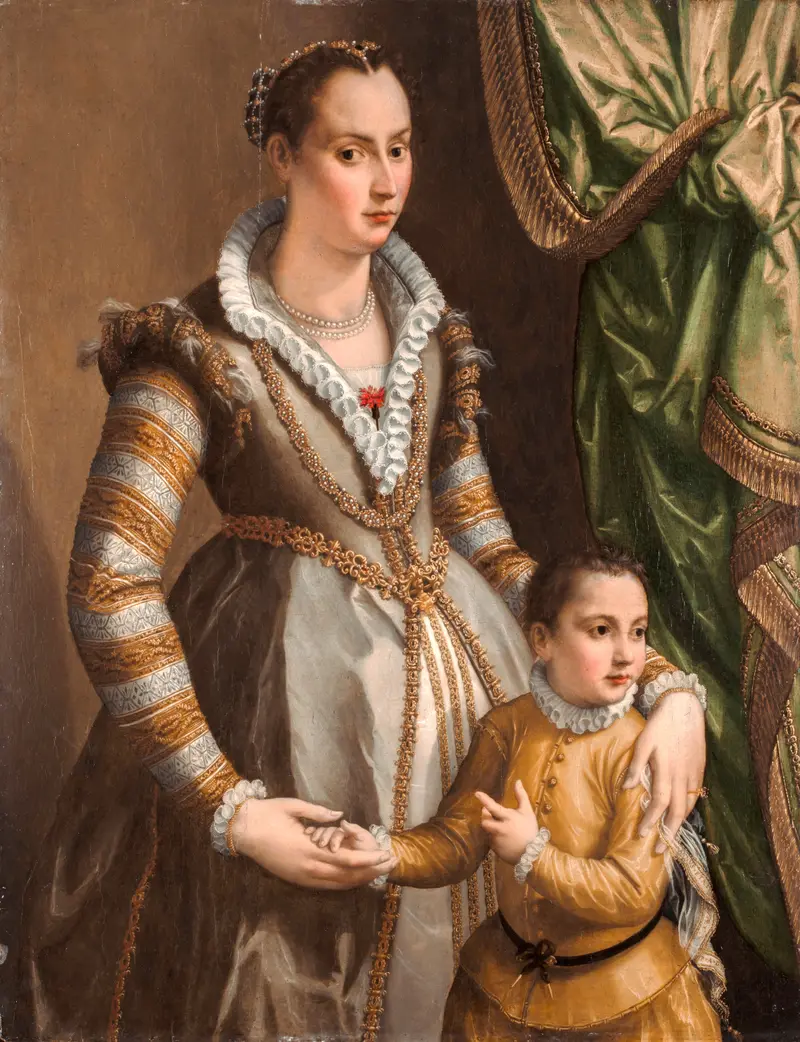
Portrait of a Noblewoman with her Son
Alessandro Allori





