
The bow — History & Facts
What first catches the eye in The bow by Adolphe Joseph Thomas Monticelli is the shimmering, almost dreamlike gathering of figures, their forms emerging from a rich tapestry of color and texture. The scene feels like a memory half-remembered: a group of women, their dresses glowing with golds, reds, and creams, stand together beneath a dense, leafy canopy. One figure bends in a gesture of reverence or greeting, her movement echoed in the title's suggestion of a bow.
The brushwork is thick and expressive, blurring the boundaries between figure and background, drawing the viewer into the lush, intimate world Monticelli conjures. Light pools around the central figures, guiding the gaze from the shadowy edges inward to this moment of quiet ceremony. Painted in the 19th century, this work belongs to a period when artists like Monticelli were experimenting with color and texture, laying the groundwork for later Impressionist innovations. Such scenes of elegant gatherings or fêtes galantes were popular among collectors who sought images of refined leisure and poetic escape, even as the world outside was changing rapidly with industrialization and social upheaval.
Now part of the collection at the Museo Nacional de Bellas Artes, The bow stands as a testament to a painter whose touch could transform even a simple gesture into a feast for the senses. Let your eyes linger on the surface—the story is in the paint as much as in the figures themselves.
More Artworks by Adolphe Monticelli

Portrait of a Lady
Adolphe Monticelli
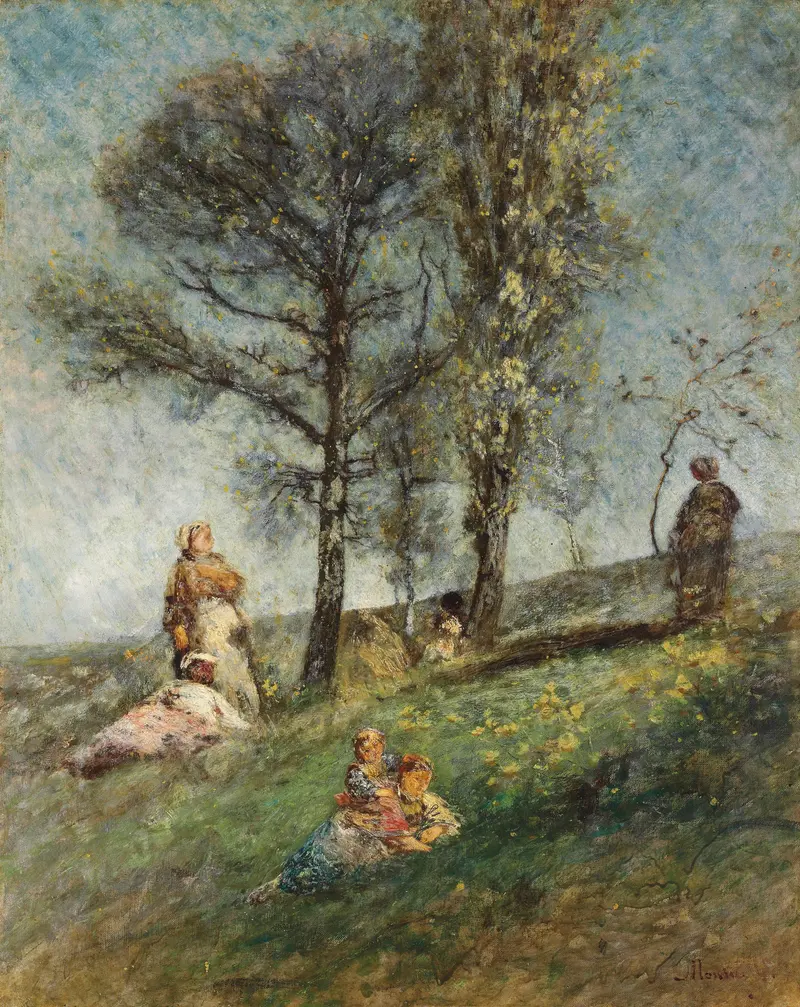
A Young Family Under Trees On A Hill
Adolphe Monticelli

Fête d'Après-Midi
Adolphe Monticelli
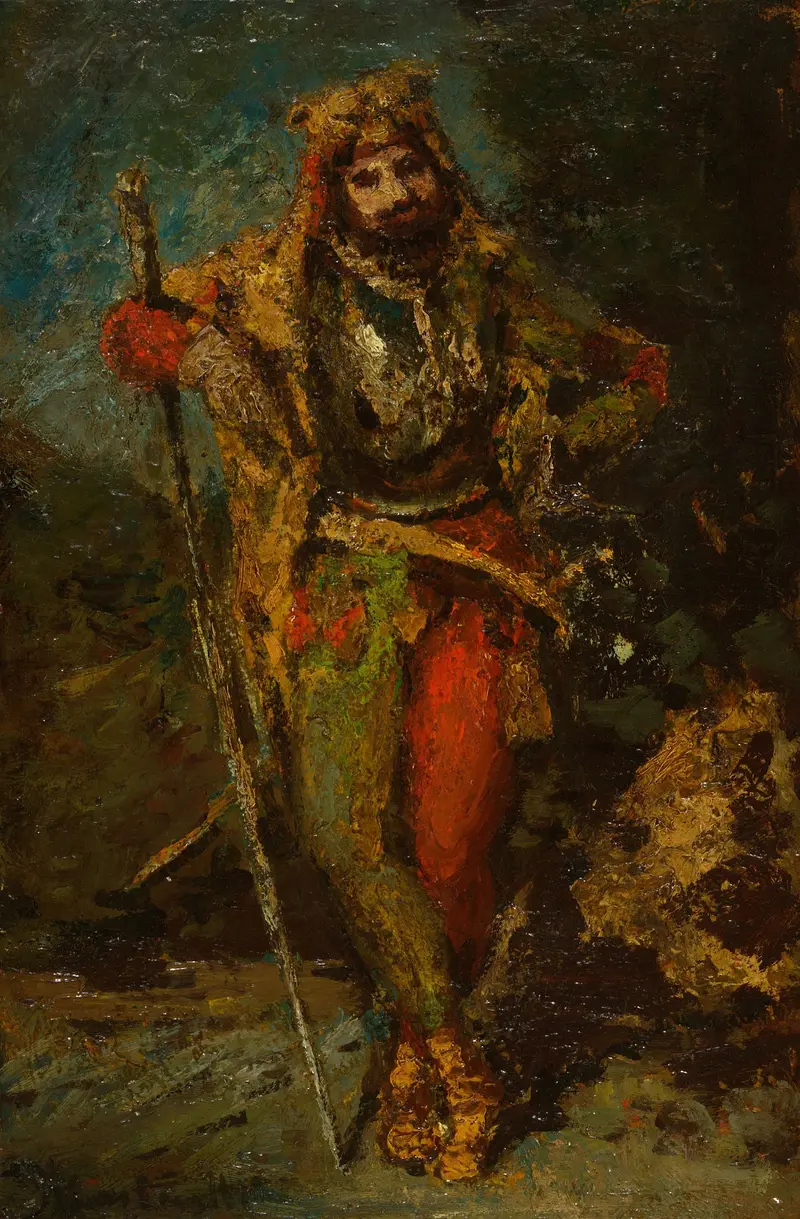
Mephisto from the Opera Faust
Adolphe Monticelli
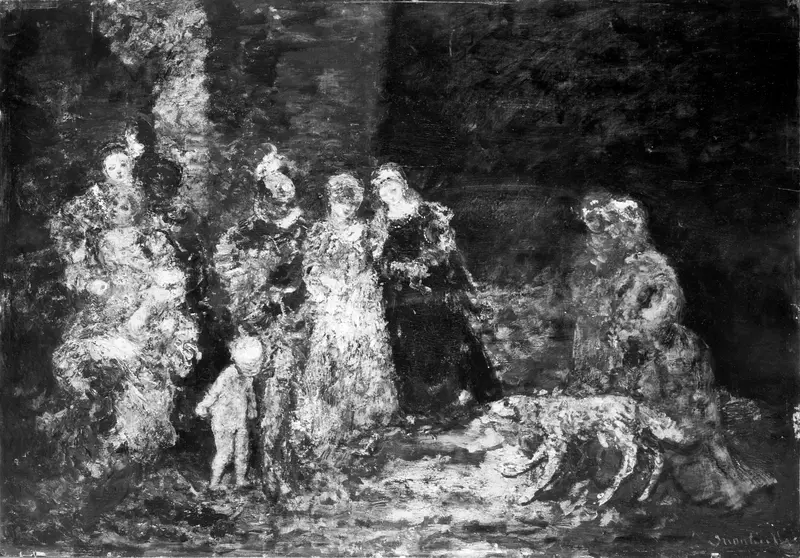
The Fairies
Adolphe Monticelli
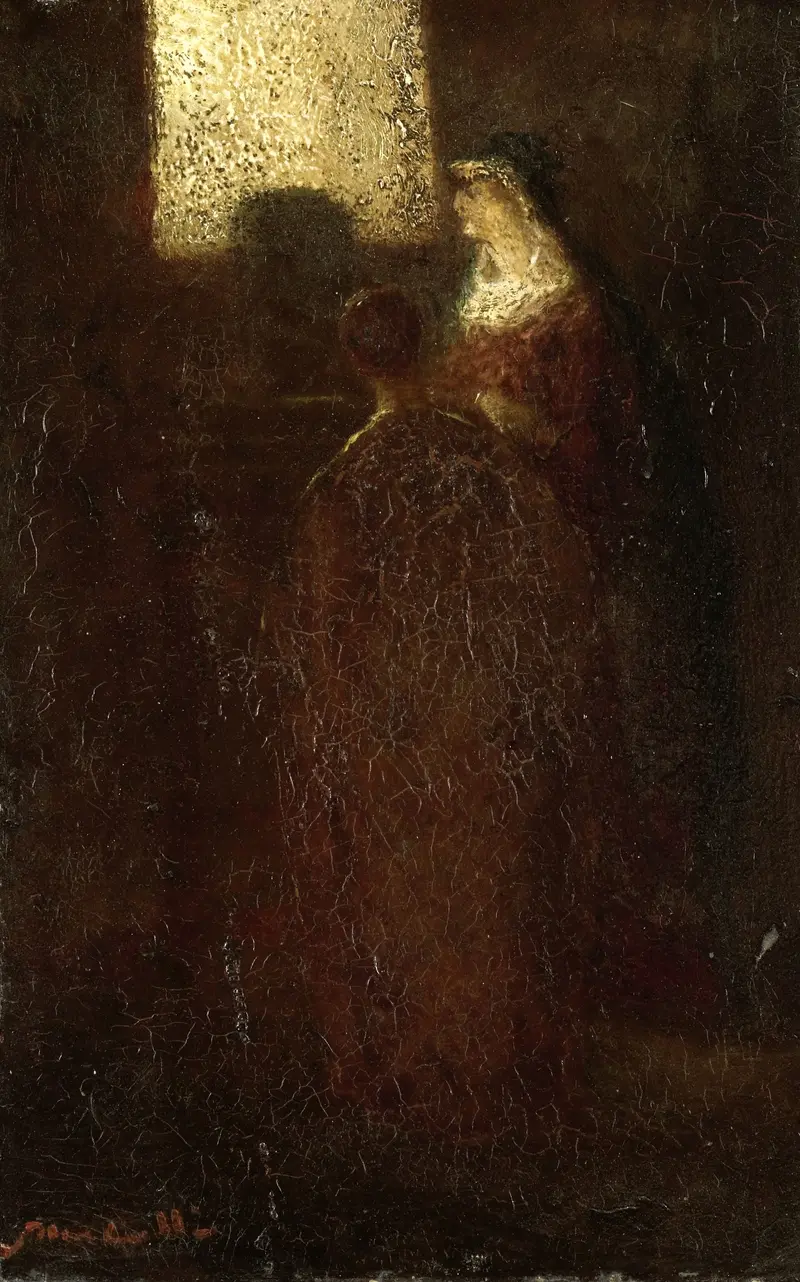
Aan het altaar
Adolphe Monticelli
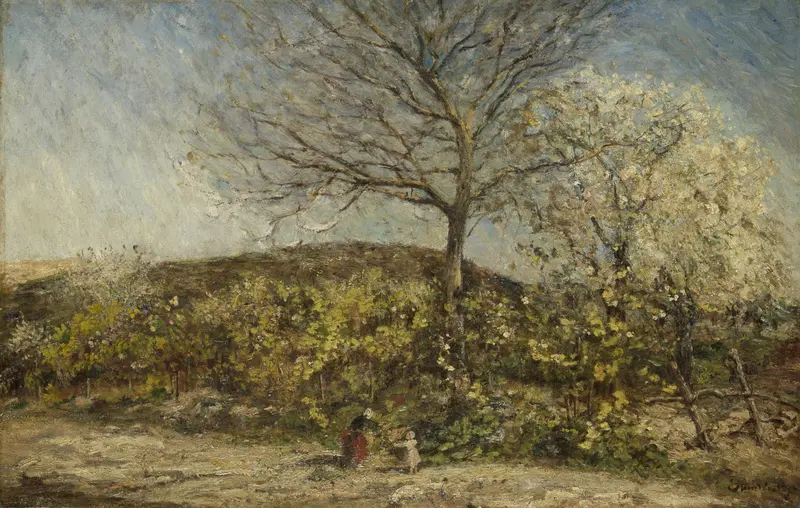
Landschap met bloeiende boomgaard
Adolphe Monticelli
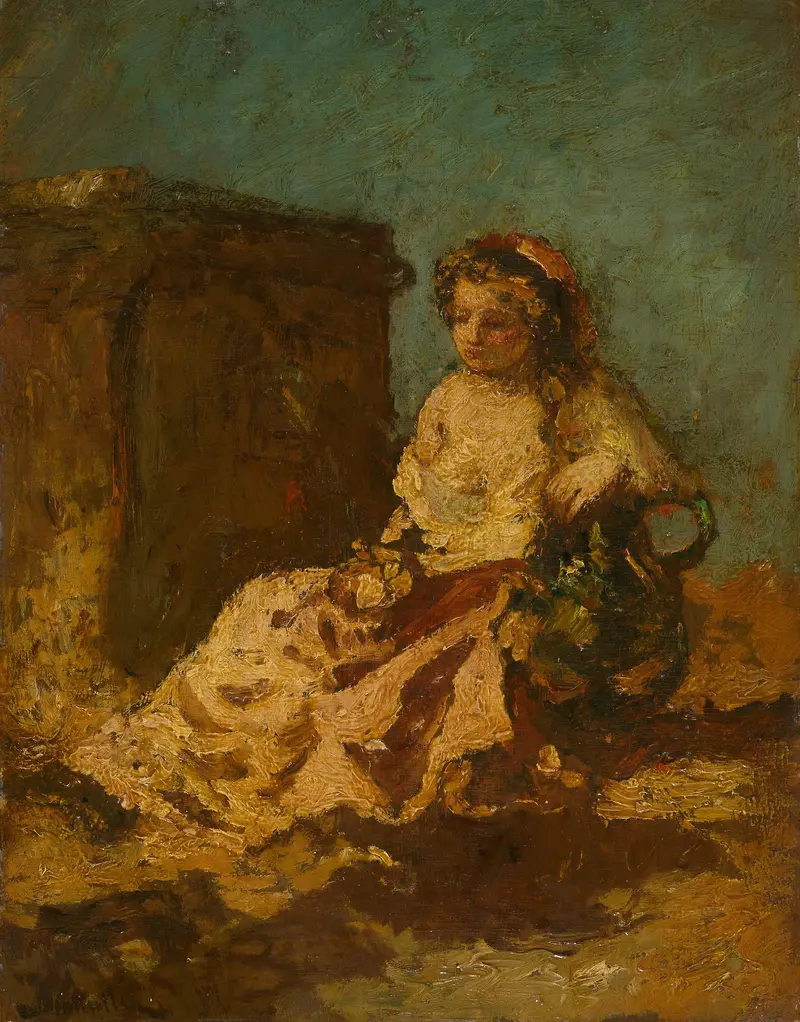
Meditation (Seated Woman)
Adolphe Monticelli
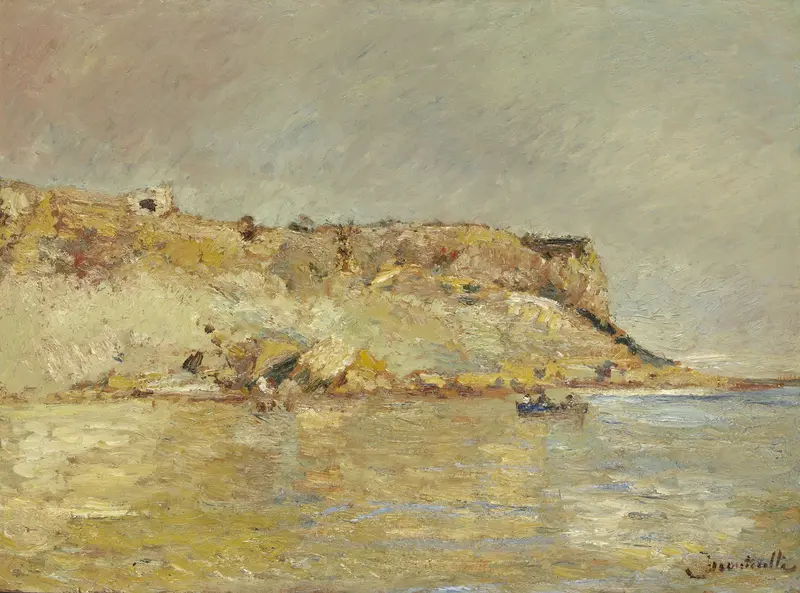
Coastal Mountains
Adolphe Monticelli
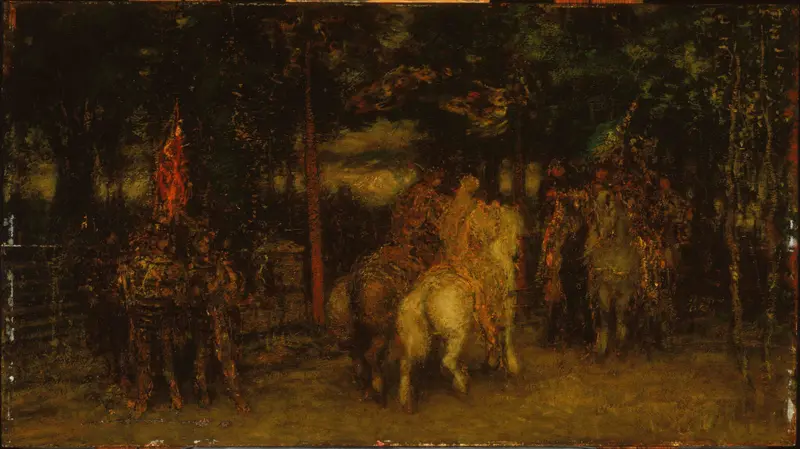
Landscape with Figures
Adolphe Monticelli
More Genre Scene Art

Banquet of the Officers of the St George Civic Guard
Frans Hals

Rembrandt and Saskia in the Scene of the Prodigal Son
Rembrandt van Rijn

Bal du moulin de la Galette
Pierre-Auguste Renoir

Quadrille at the Moulin Rouge
Henri de Toulouse-Lautrec

A Burial at Ornans
Gustave Courbet

When Will You Marry?
Paul Gauguin