
The Breakfast — History & Facts
A single white cloth, draped with studied carelessness over the edge of a table, draws the eye first—its folds crisp, its shadow deep, its presence almost theatrical. On its stage, a silver platter gleams, set with oysters whose pearly interiors catch the light, their brine glistening as if just opened. The tall, slender glass behind them is half-filled, its transparency a quiet marvel, while the sturdy jug beside it anchors the composition with its earthy solidity.
Every object is rendered with a precision that invites close looking: the cool sheen of metal, the fragile skin of the lemon, the play of light and shadow across the table’s surface. The mood is hushed, almost expectant, as if the meal might resume at any moment. In the second half of the seventeenth century, Dutch artists like Abraham van Beyeren transformed the still life into a meditation on abundance, taste, and fleeting pleasure. Such paintings were prized by prosperous merchants and burghers for their ability to display both worldly goods and painterly skill.
The oysters and wine hint at luxury, but the half-peeled lemon and the empty space around the objects remind viewers of life’s transience—a theme that echoed through the era’s art. This work, now in the Web Gallery of Art, stands as a quiet testament to that world, where the ordinary breakfast table became a site of contemplation and display. The longer you look, the more the silent drama of objects reveals itself.
More Artworks by Abraham van Beyeren

Still Life
Abraham van Beyeren
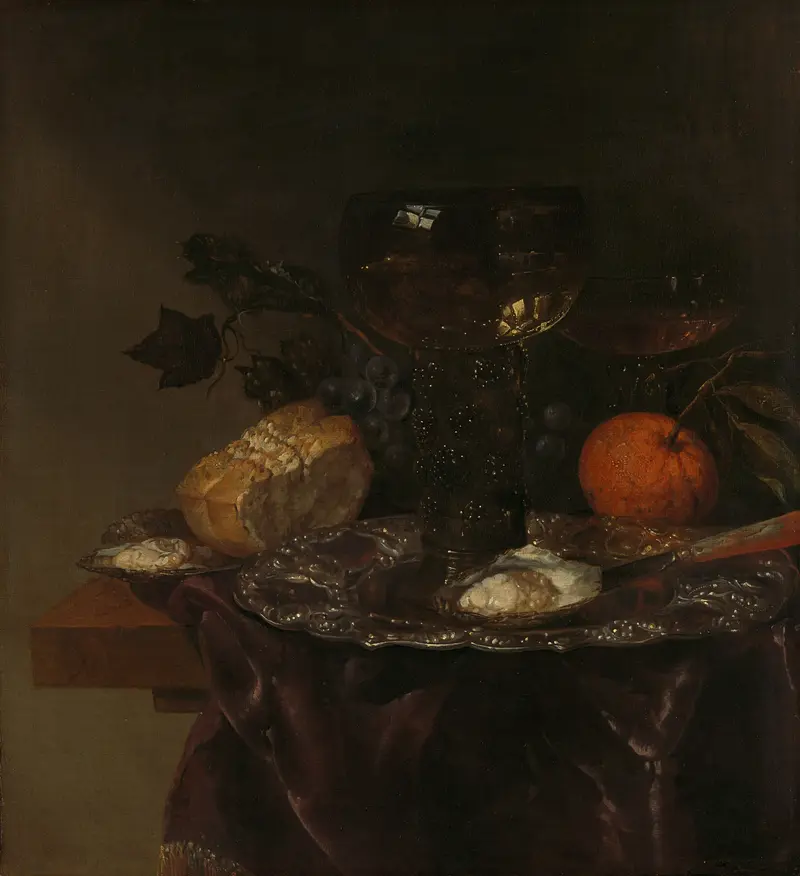
Still Life
Abraham van Beyeren
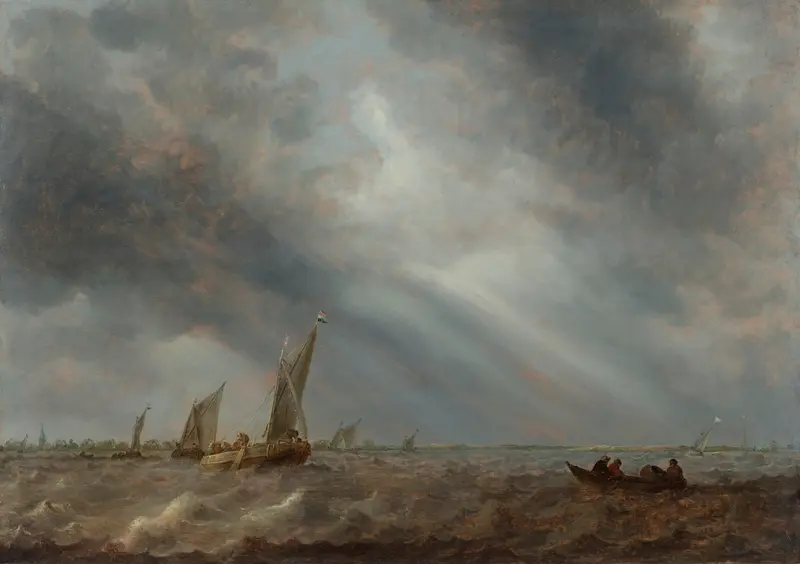
Various sailing vessels and a rowing boat with fishermen on choppy waters under a stormy sky
Abraham van Beyeren
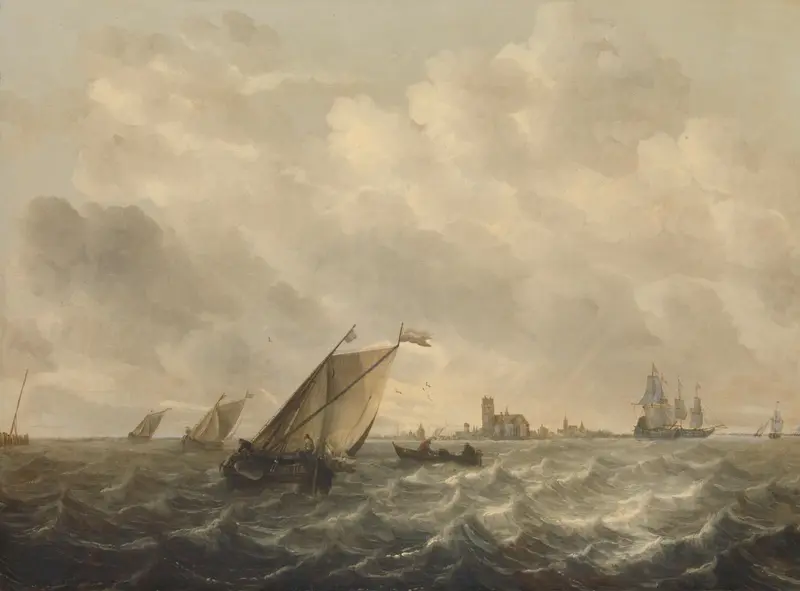
River View
Abraham van Beyeren
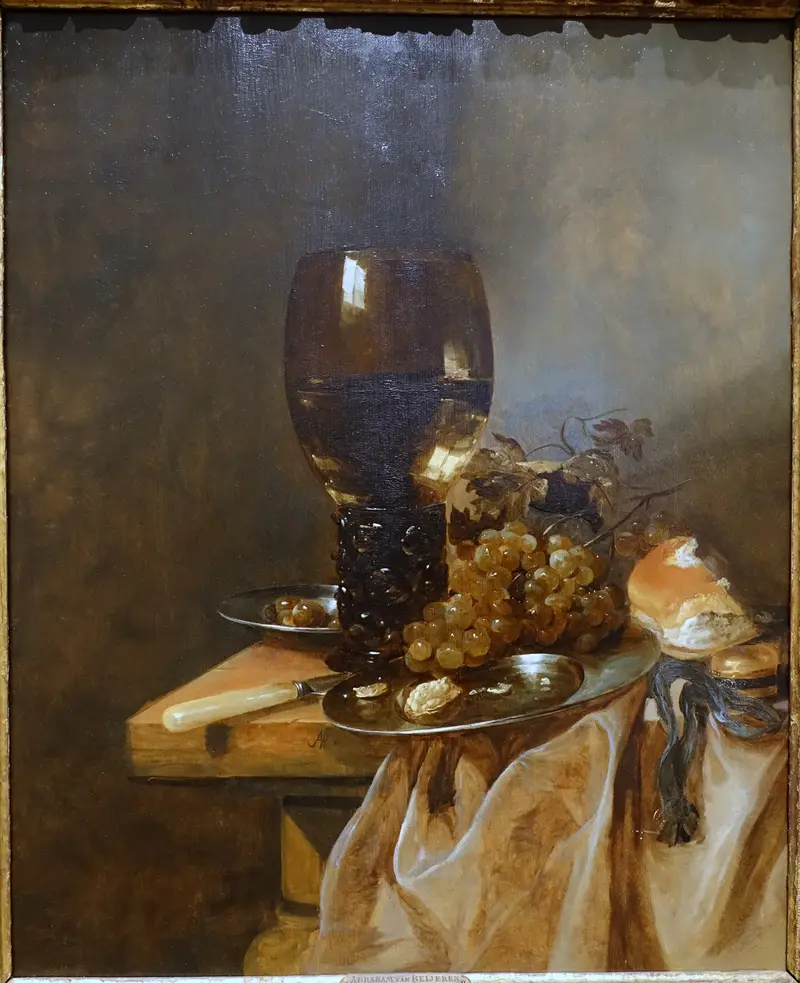
A Roemer with Grapes, a Pewter Plate and a Roll
Abraham van Beyeren
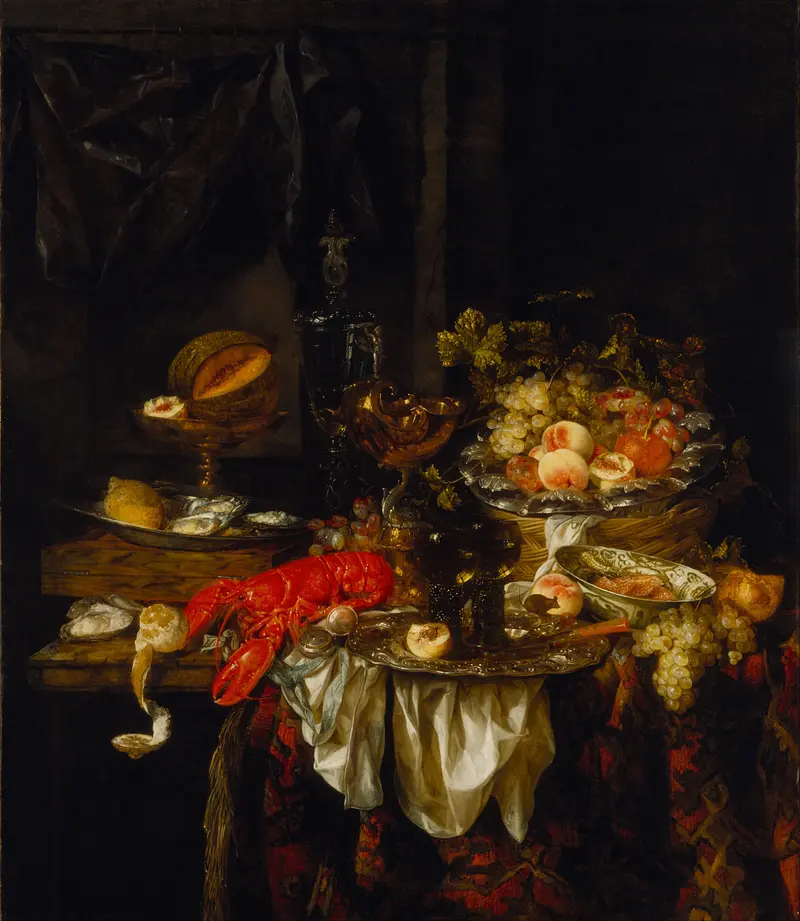
Banquet Still Life
Abraham van Beyeren
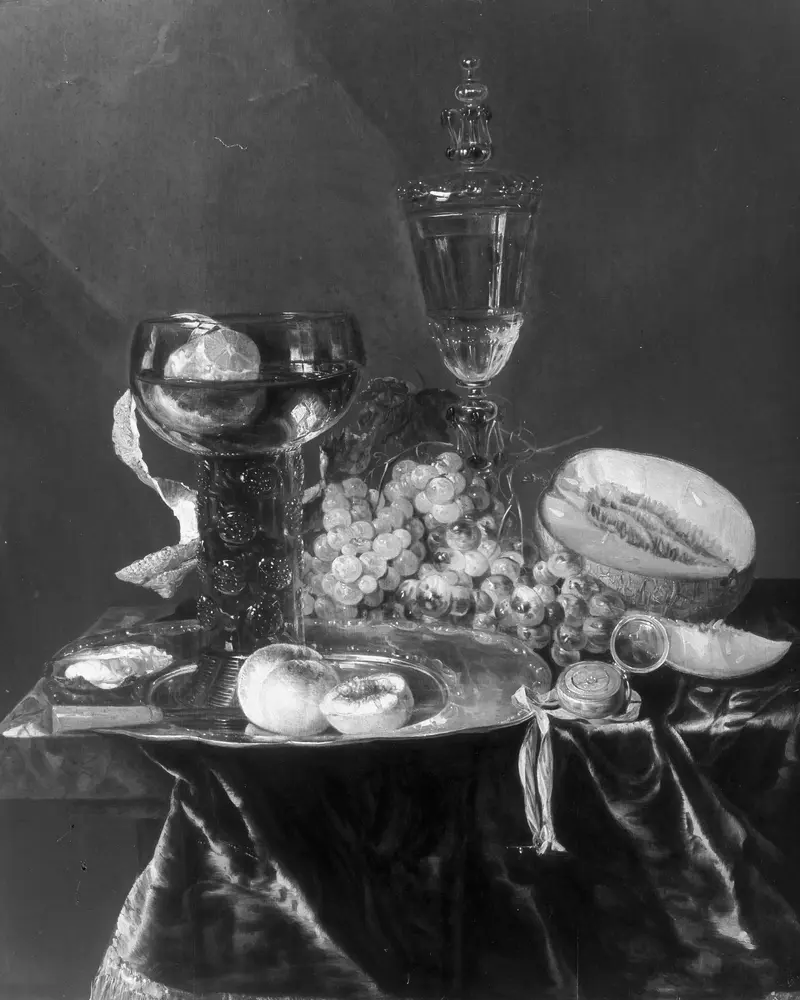
Still life with a glass lid goblet
Abraham van Beyeren
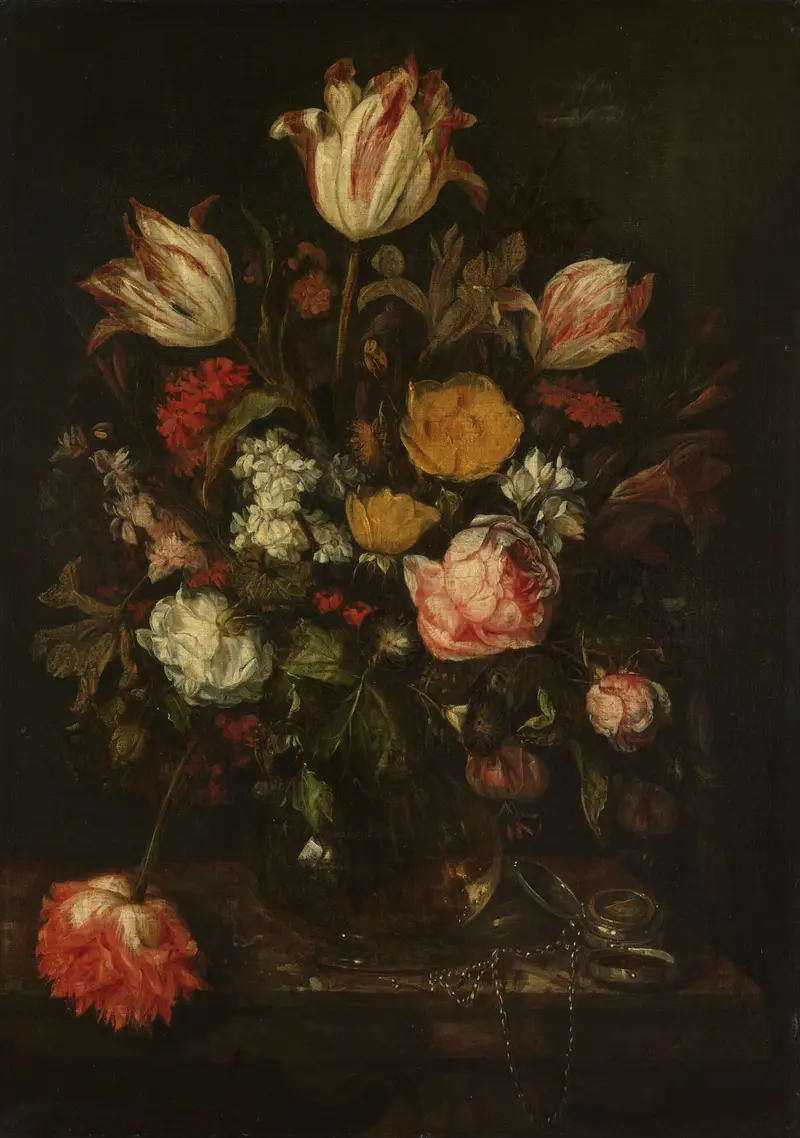
Still life with flowers
Abraham van Beyeren
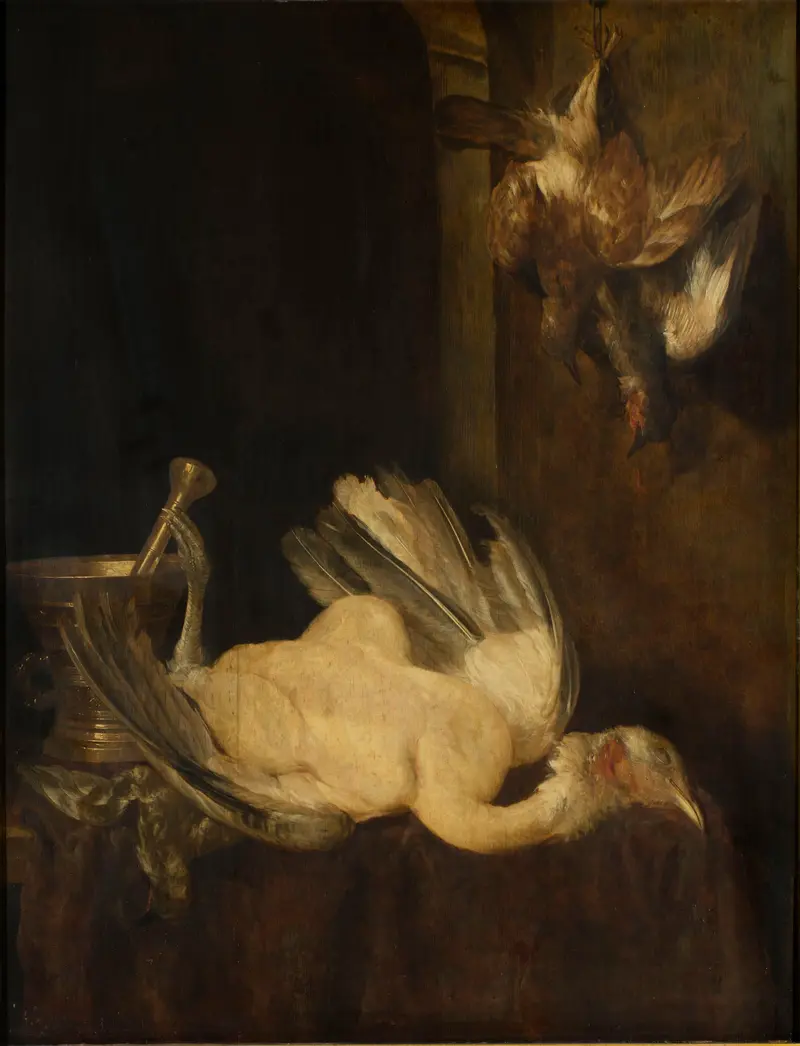
Still life with dead birds
Abraham van Beyeren
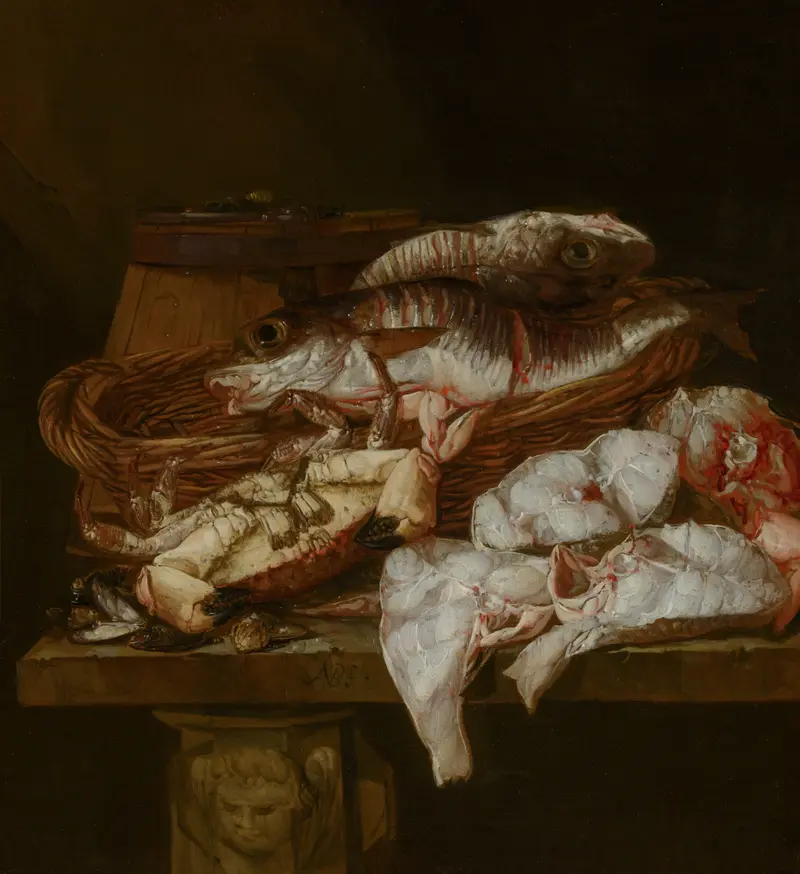
Still Life with Seafood
Abraham van Beyeren





