
The Bucking Horse — History & Facts
In The Bucking Horse, we see a powerful horse in mid-leap, its muscles taut and dynamic. The background is a blur, emphasizing the speed and energy of the animal. The colors are rich, with deep browns and whites contrasting against a darker backdrop.
This creates a sense of movement and excitement in the scene. The painting is executed in oil on canvas, showcasing Whistler's skill in capturing the essence of motion. The brushwork is fluid, with quick strokes that enhance the feeling of speed. The dimensions are approximately 100 x 80 cm, making it a striking piece when viewed in person.
The attention to detail in the horse's anatomy reflects Whistler's commitment to realism. James Abbott McNeill Whistler was known for his innovative approach to art, often blending different styles. 'The Bucking Horse' is a notable example of his ability to depict animals with a sense of life and movement. Interestingly, this work reflects Whistler's fascination with the American West, a theme that resonates in several of his pieces.
This painting showcases his talent beyond portraiture and landscapes, highlighting his versatility as an artist.
More Artworks by James Abbott McNeill Whistler
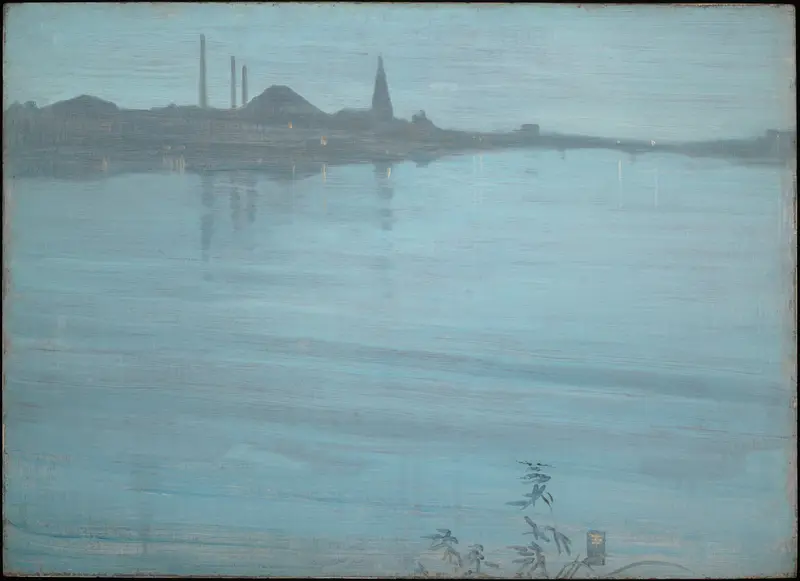
Nocturne in Blue and Silver
James Abbott McNeill Whistler

Nocturne
James Abbott McNeill Whistler
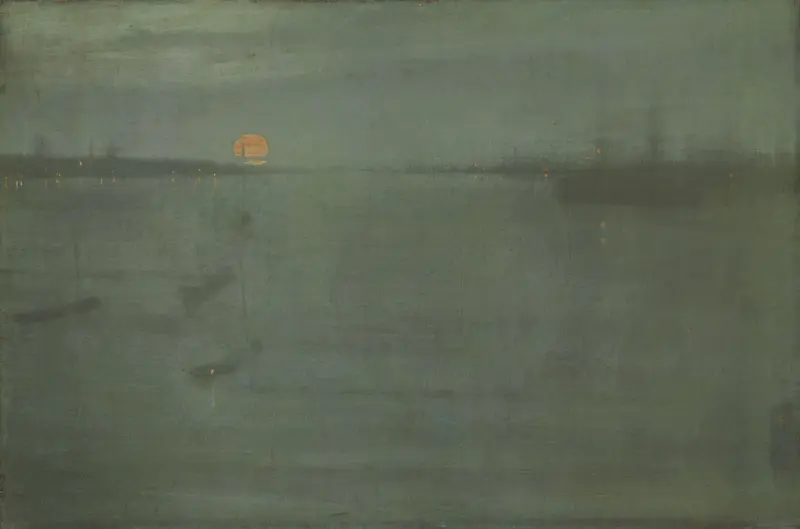
Nocturne: Blue and Gold–Southampton Water
James Abbott McNeill Whistler
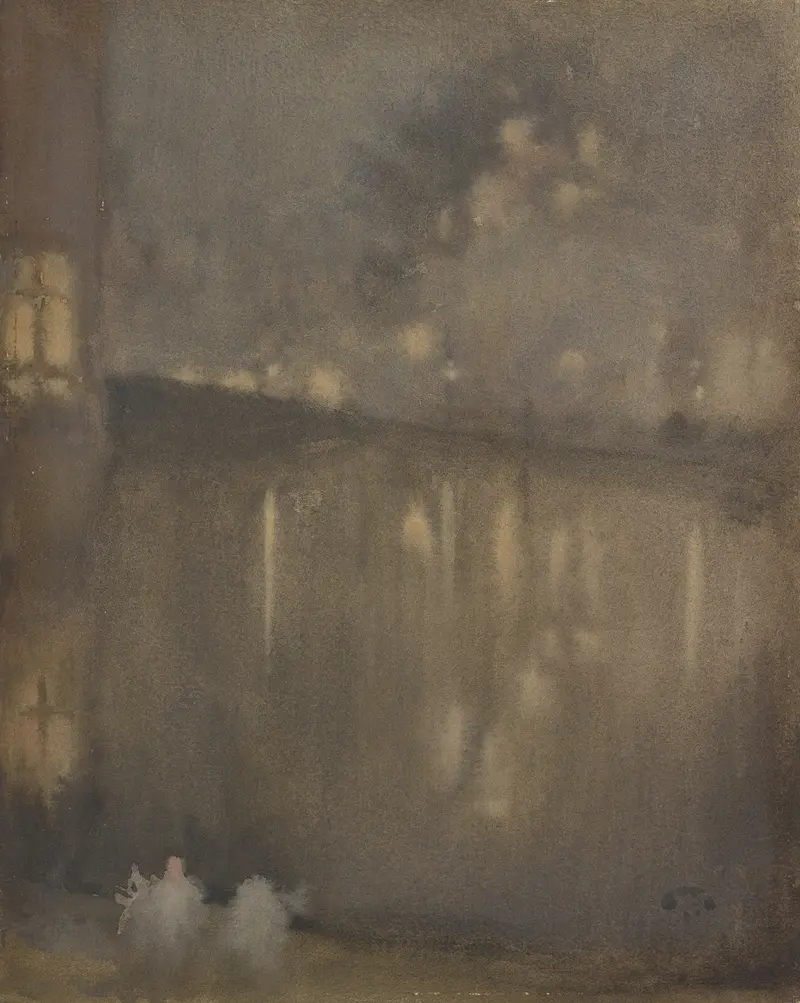
Nocturne: Grey and Gold–Canal, Holland
James Abbott McNeill Whistler
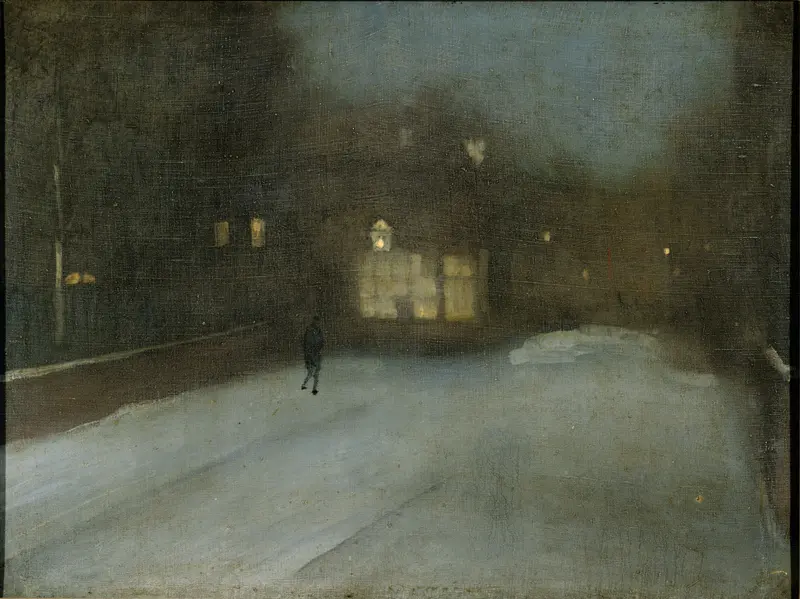
Nocturne in Grey and Gold: Chelsea Snow
James Abbott McNeill Whistler
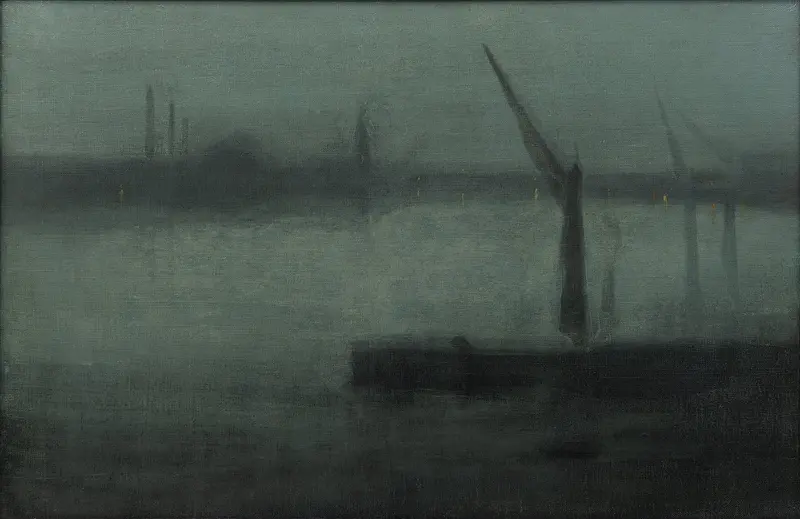
Nocturne: Blue and Silver–Battersea Reach
James Abbott McNeill Whistler
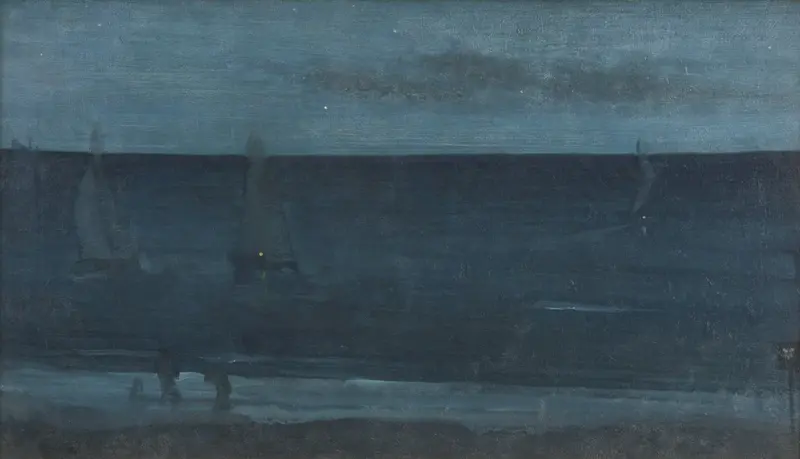
Nocturne: Blue and Silver–Bognor
James Abbott McNeill Whistler

Old Battersea Bridge
James Abbott McNeill Whistler
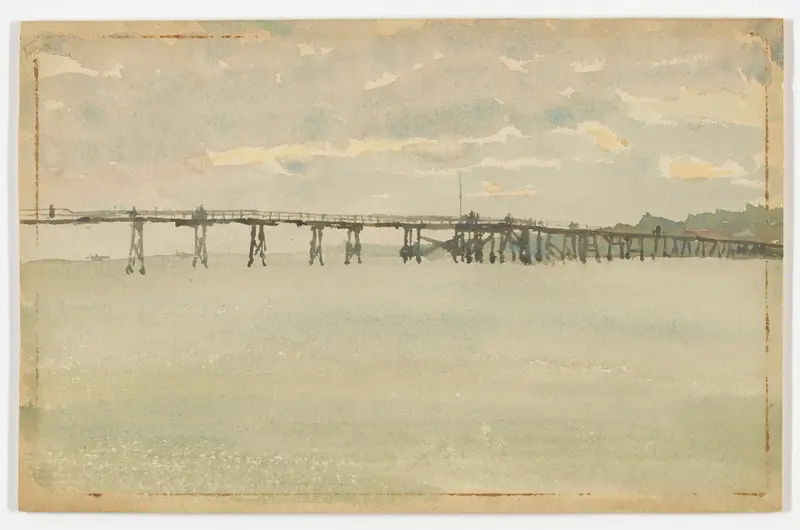
Grey and Silver–Pier, Southend
James Abbott McNeill Whistler
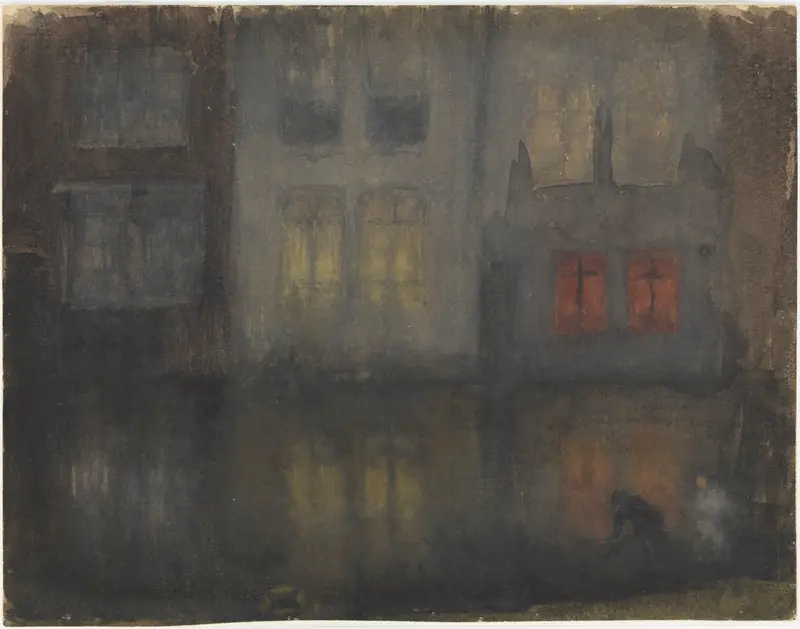
Nocturne: Black and Red—Back Canal, Holland
James Abbott McNeill Whistler





