
The Burning of Troy — History & Facts
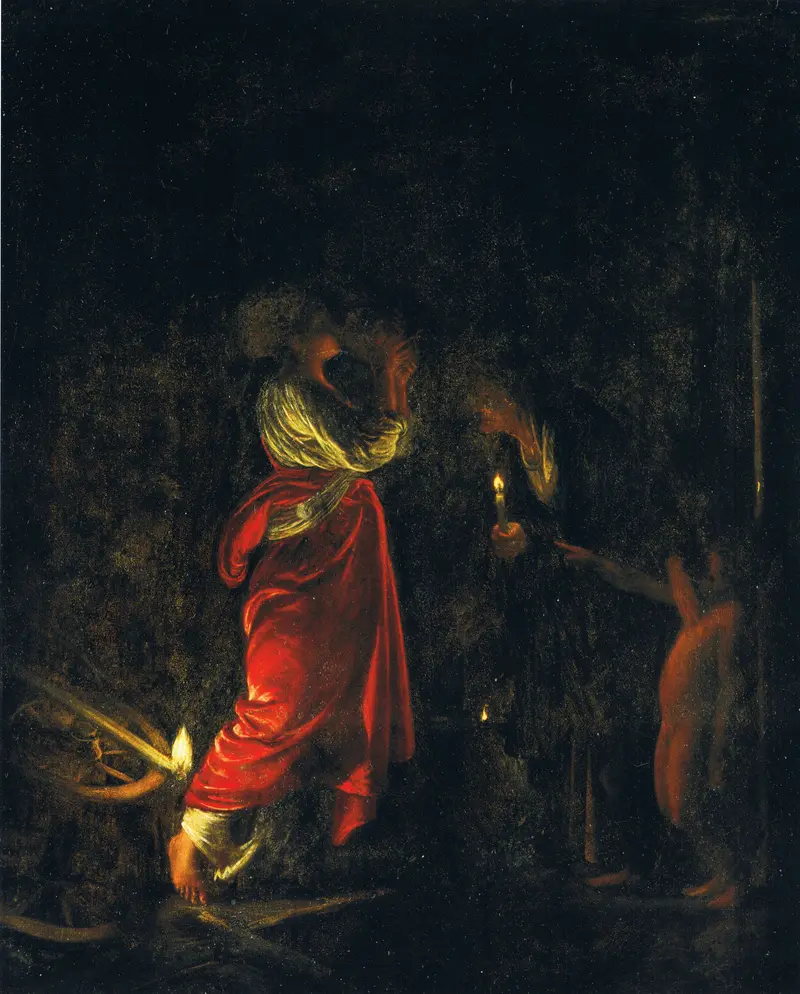
What first seizes the eye in The Burning of Troy is the fierce, almost living glow of fire that devours the city in the background, casting its chaotic light over a crowd in desperate flight. The painter, Adam Elsheimer, orchestrates a night scene where the drama unfolds in layers: the foreground throngs with figures pressed together in anguish and urgency, while the city’s towers and temples collapse in a storm of sparks. The light is not merely illumination, but a force that divides the doomed from the escaping, picking out faces and gestures—one man supporting another, a woman reaching back, a child clinging to her side—each detail a note in the symphony of disaster.
The palette, dominated by deep shadows and sudden bursts of orange and gold, heightens the sense of catastrophe and confusion, drawing the viewer into the heart of the ancient tragedy. Painted around 1600 or 1601, this work belongs to a period when European artists were captivated by the possibilities of dramatic narrative and the play of artificial light. Adam Elsheimer was known for his mastery of night scenes and his ability to weave complex stories into small, densely populated compositions. History has kept few traces of this particular painting’s early journey, but its inclusion in the Yorck Project’s collection of masterworks speaks to its enduring fascination.
In an age when collectors and patrons sought both moral lessons and marvels of technique, a scene like this—at once a warning and a spectacle—would have been prized for its ability to hold the eye and stir the imagination. Look again at the faces in the firelight and the flickering shadows; each one is a doorway into the ancient world’s final night.
More Artworks by Adam Elsheimer

Saint John the Baptist in the Wilderness
Adam Elsheimer
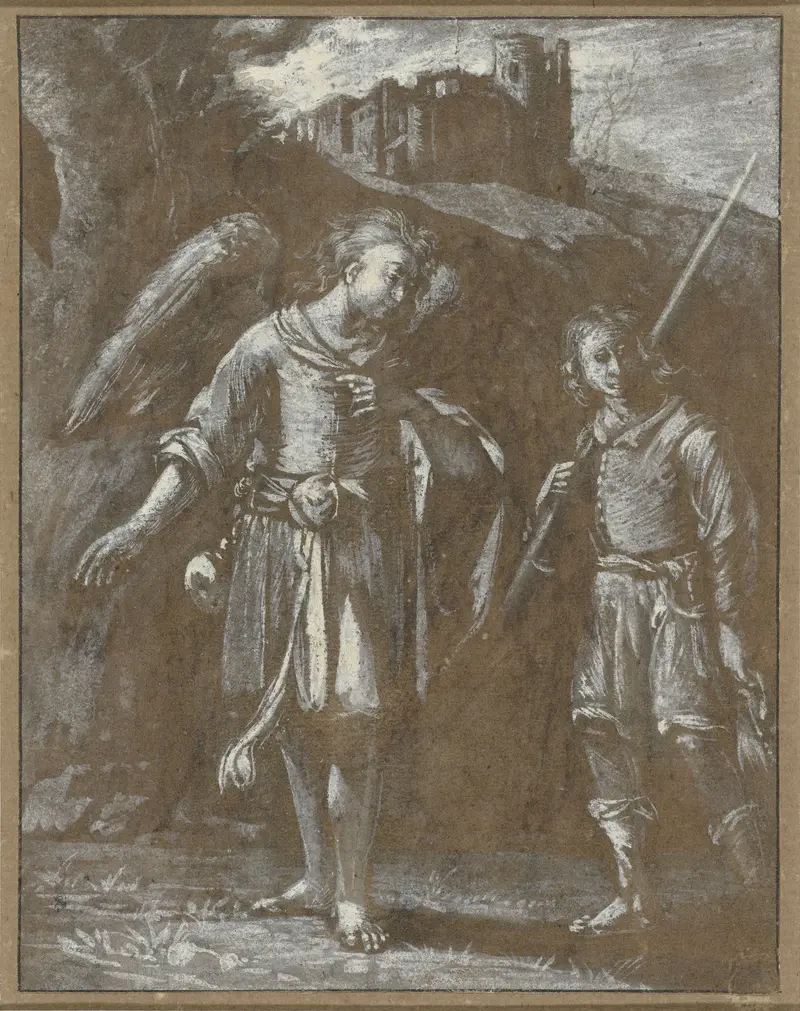
Tobias en de engel
Adam Elsheimer
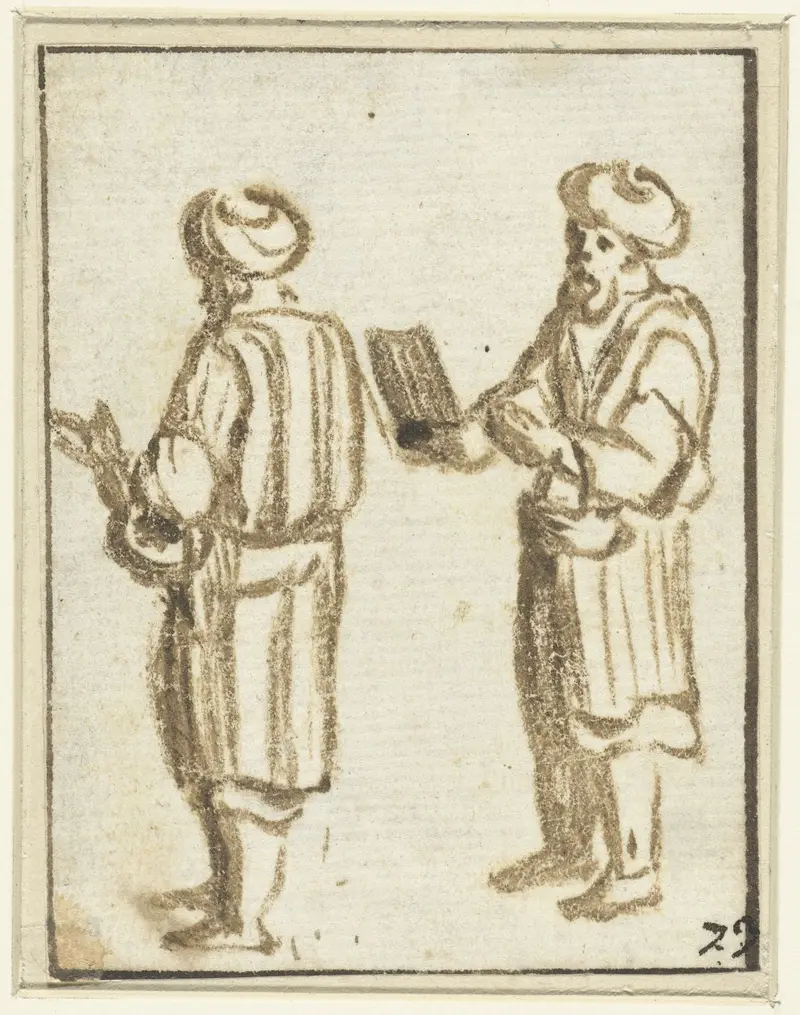
Twee staande mannen met tulbanden
Adam Elsheimer
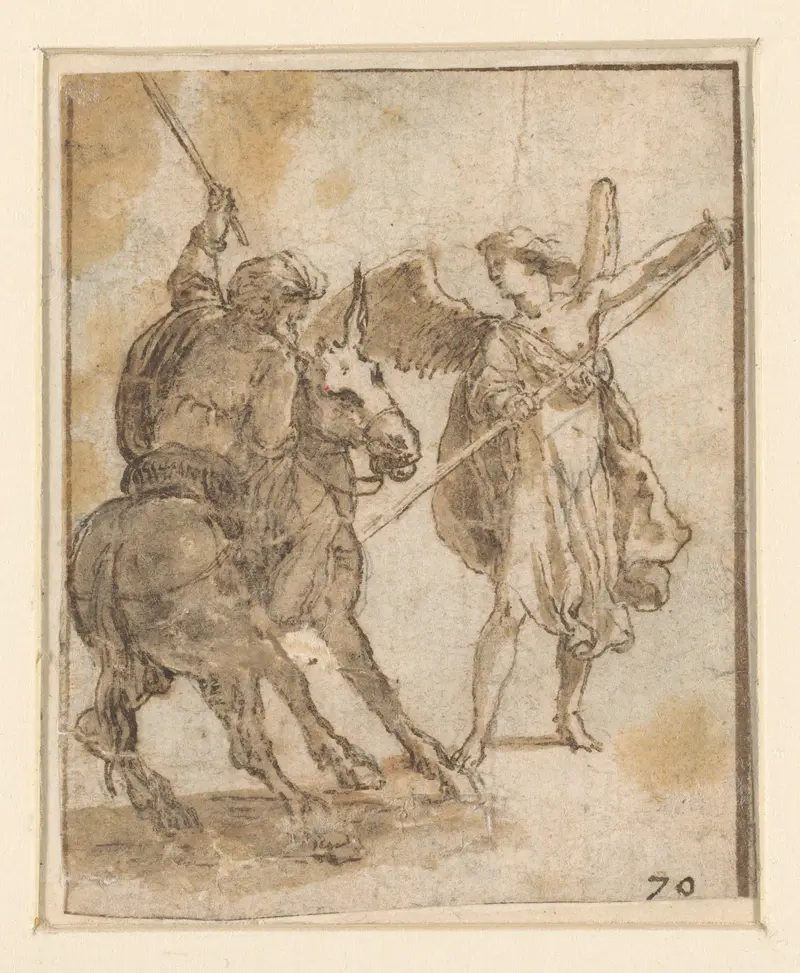
Bileam op zijn ezel ontmoet de engel
Adam Elsheimer
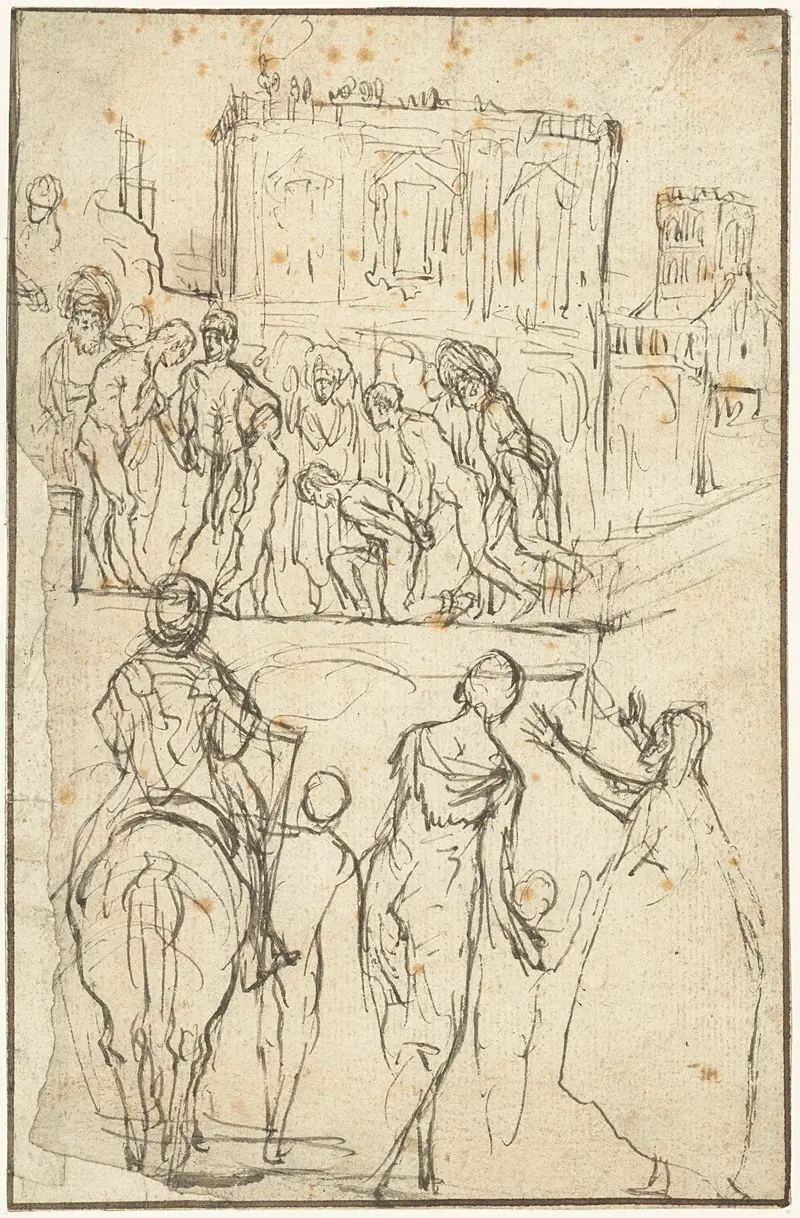
Judgement Scene with a Bound Prisoner
Adam Elsheimer
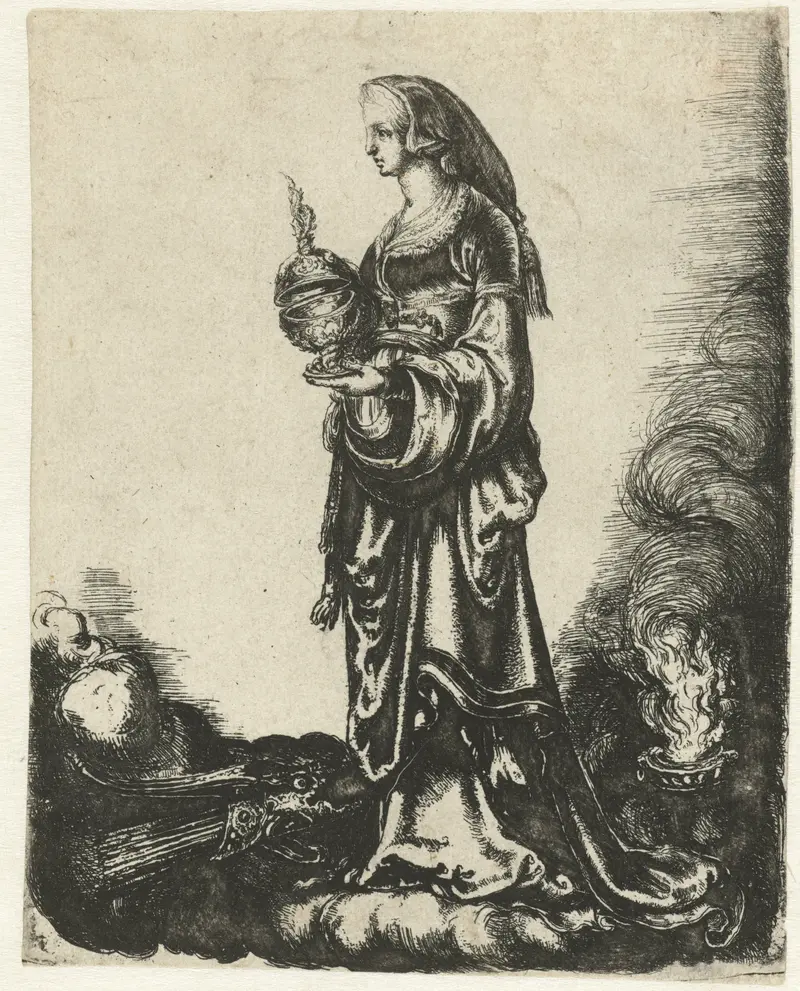
Allegorie met vrouw met beker staand op wolk
Adam Elsheimer
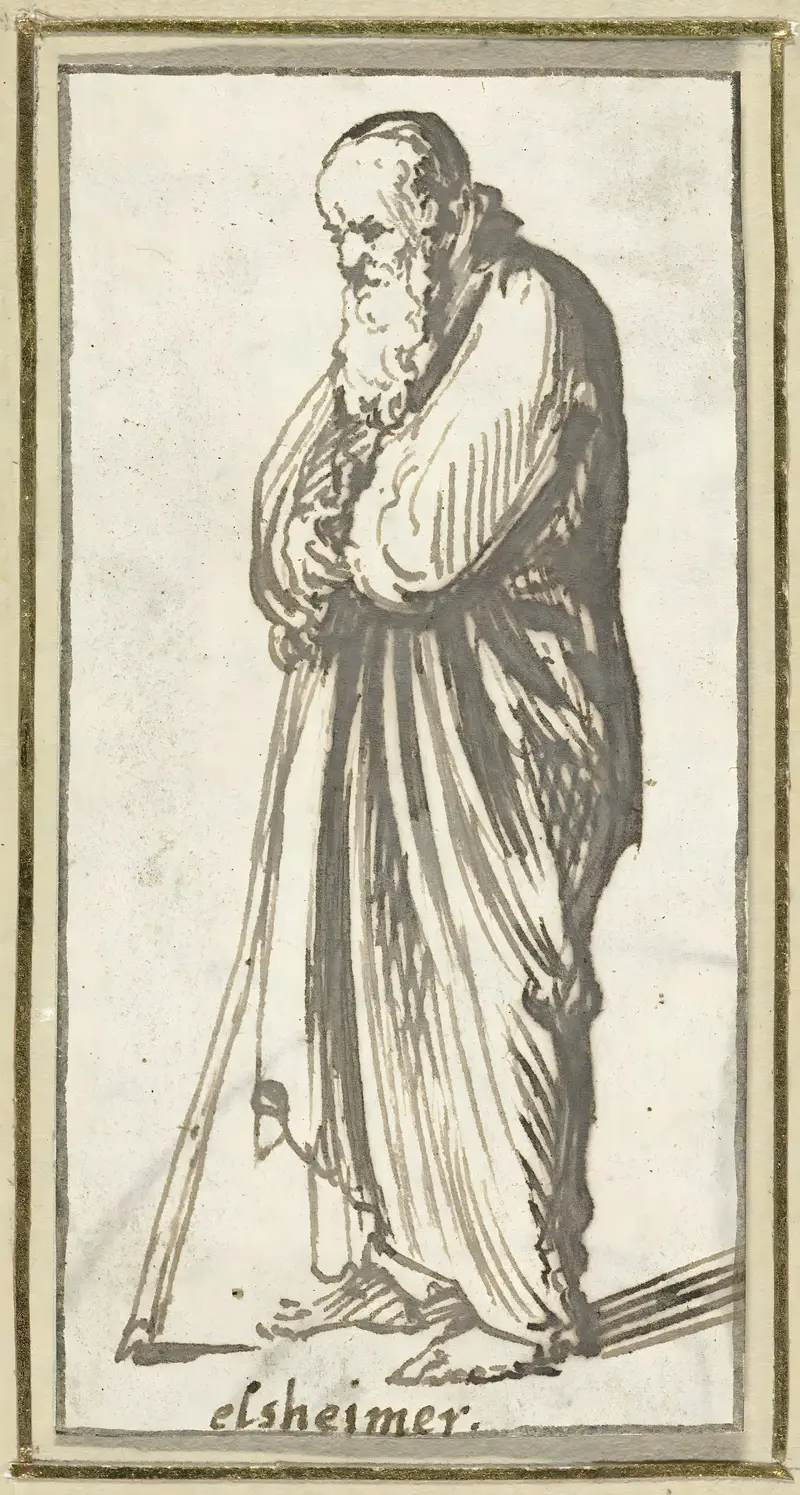
Oude man in lang gewaad
Adam Elsheimer
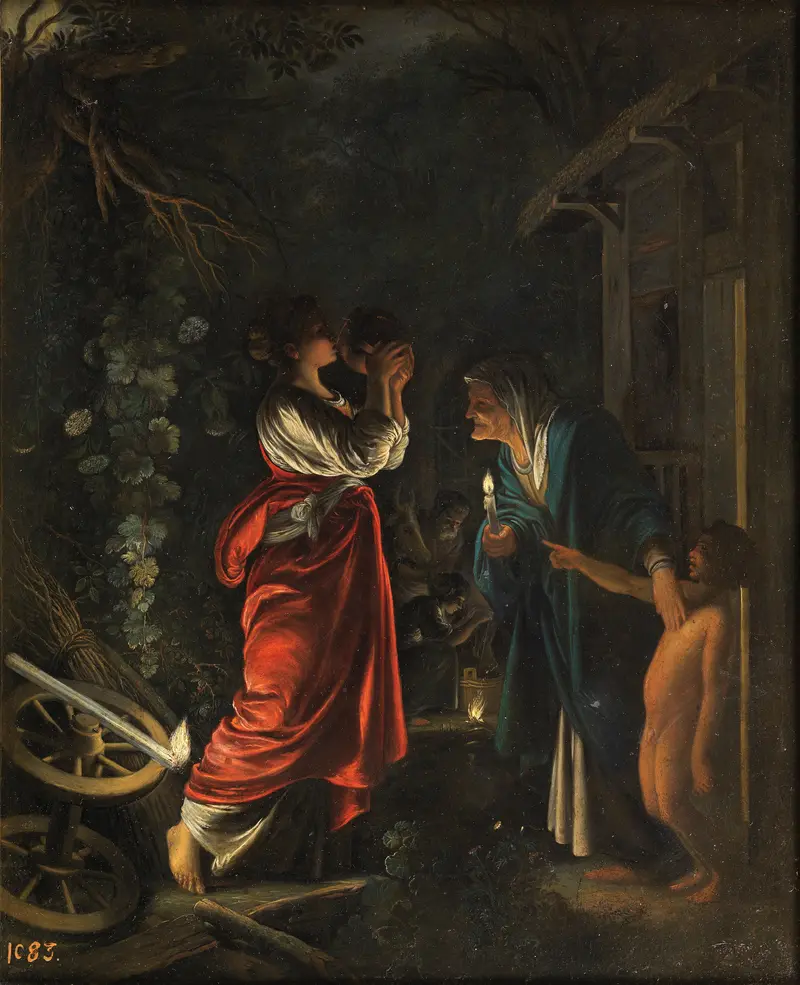
Ceres in the House of Hecuba
Adam Elsheimer
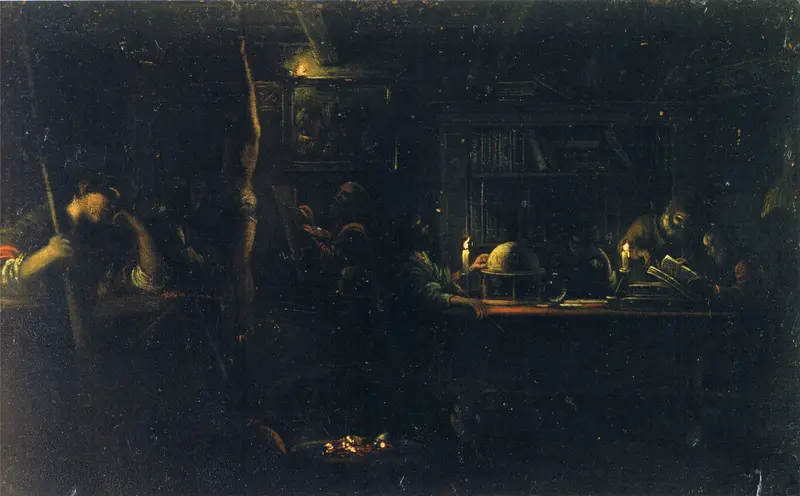
Minerva as patroness of Arts and Sciences
Adam Elsheimer
The Mocking of Ceres
Adam Elsheimer





