
Ceres in the House of Hecuba — History & Facts
A single, flickering candle becomes the axis of this nocturnal scene, drawing your gaze to the tense exchange at its heart. The woman in the brilliant red skirt—her bare feet rooted in the earth—lifts a bowl to her lips, her posture caught between exhaustion and ritual. The old woman, emerging from the shadows of a humble threshold, leans forward with a knowing, almost accusatory expression, her outstretched finger and the candle's glow both guiding and judging.
Just behind her, a naked boy tugs at her robe, his mocking gesture frozen in the moment Ovid describes. The darkness presses in, but the careful play of light reveals a world alive with texture: the rough wood of the spinning wheel, the tangled foliage, the glint of metal, each detail chosen to heighten the sense of narrative suspense. Painted around 1605, Ceres in the House of Hecuba by Adam Elsheimer belongs to a moment when mythological stories were reimagined for private collectors eager for scenes that blended the everyday with the divine. Elsheimer, working in the early Baroque, was celebrated for his mastery of candlelight and his ability to compress grand tales into intimate, psychologically charged spaces.
The subject—Ceres, goddess of grain, mocked by a child as she searches for her lost daughter—draws from Ovid’s Metamorphoses, but the painting’s true drama is in its atmosphere: the collision of warmth and suspicion, the intrusion of myth into the rustic night. Today, the painting resides in the Prado, a quiet testament to an era when artists and patrons alike found new meaning in old stories. Let your eyes linger on the shadows and the faces—they are the real stage where this ancient myth is played out.
More Artworks by Adam Elsheimer

Saint John the Baptist in the Wilderness
Adam Elsheimer
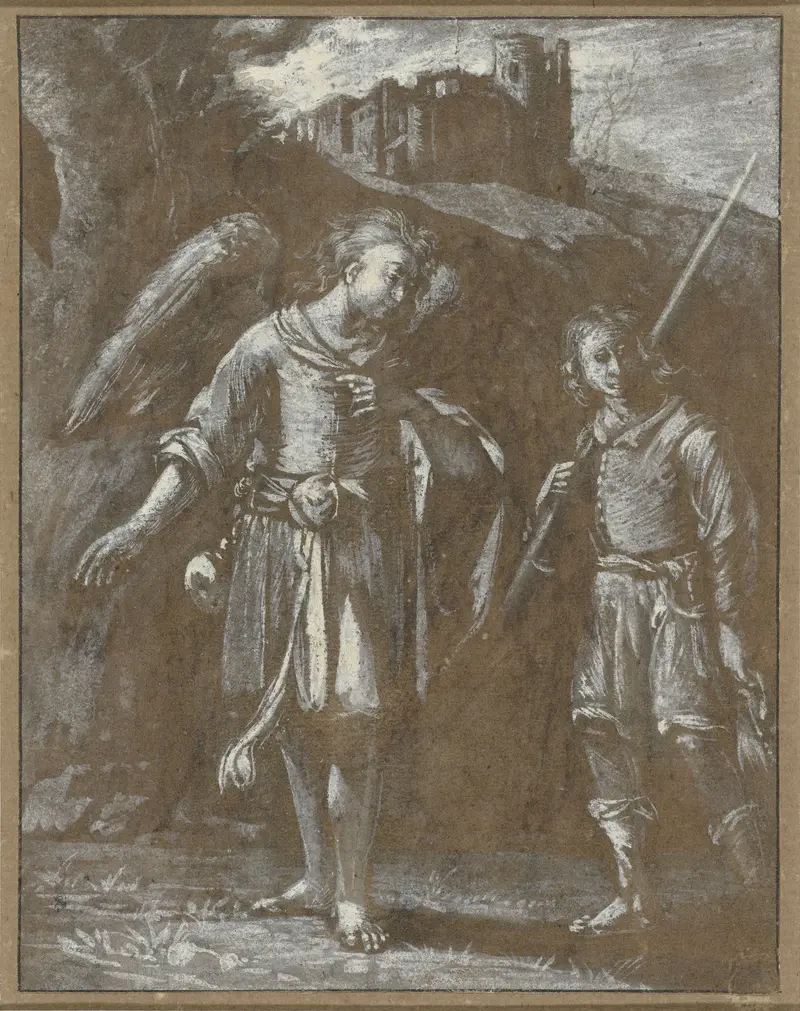
Tobias en de engel
Adam Elsheimer
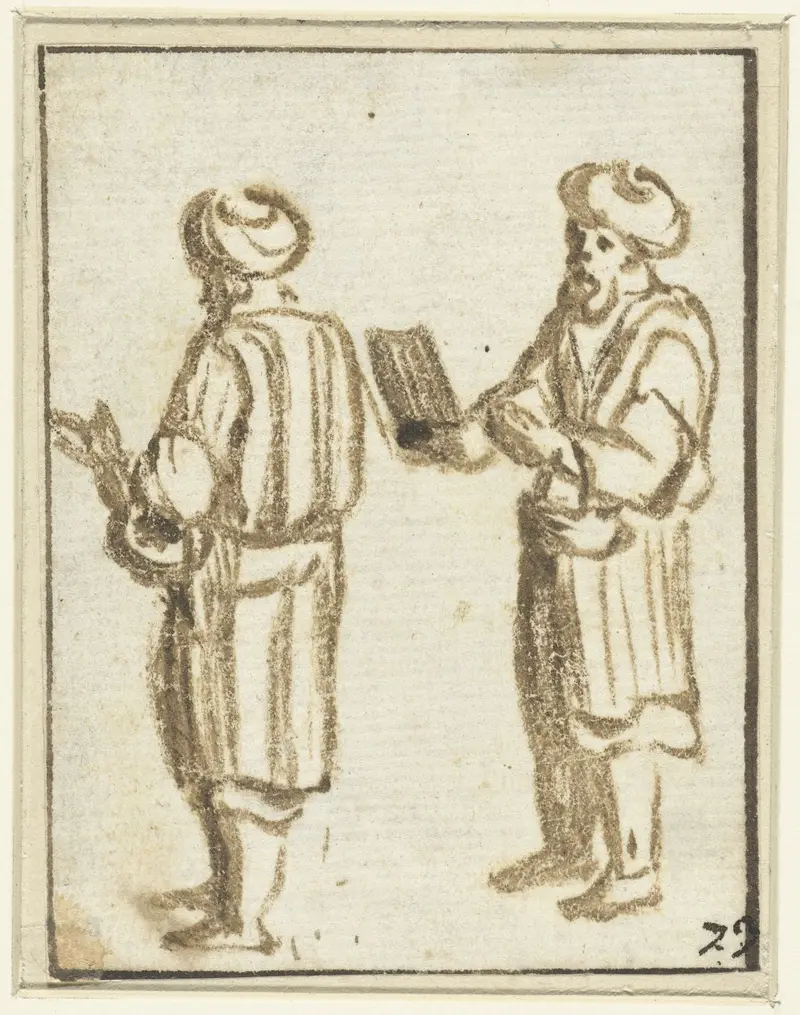
Twee staande mannen met tulbanden
Adam Elsheimer
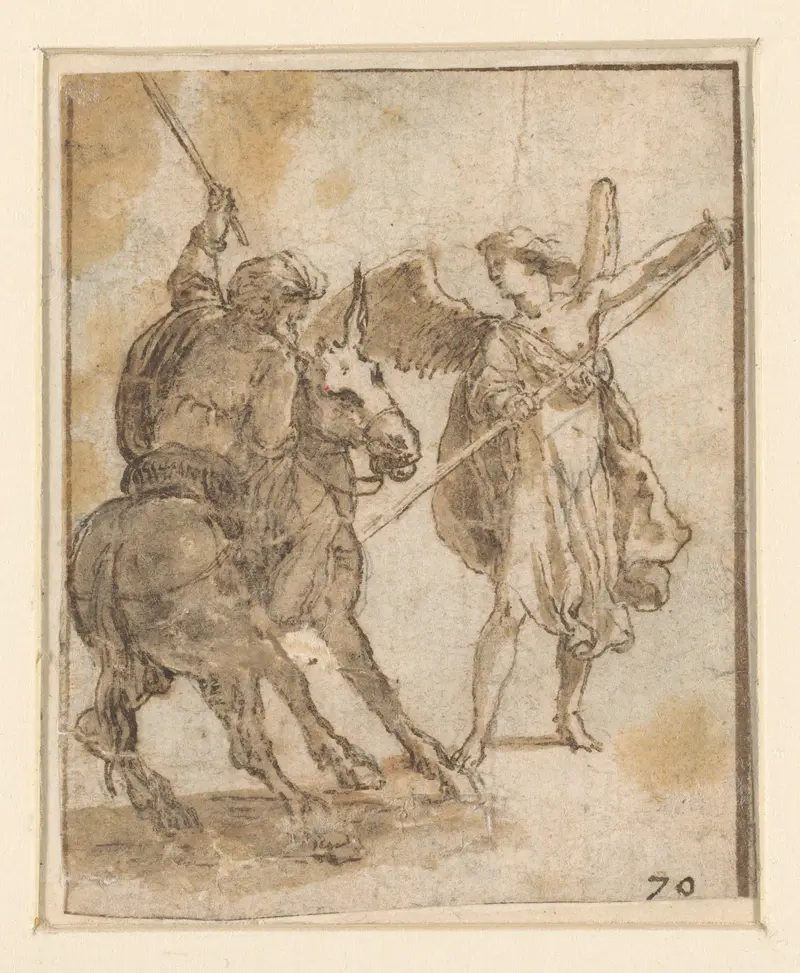
Bileam op zijn ezel ontmoet de engel
Adam Elsheimer
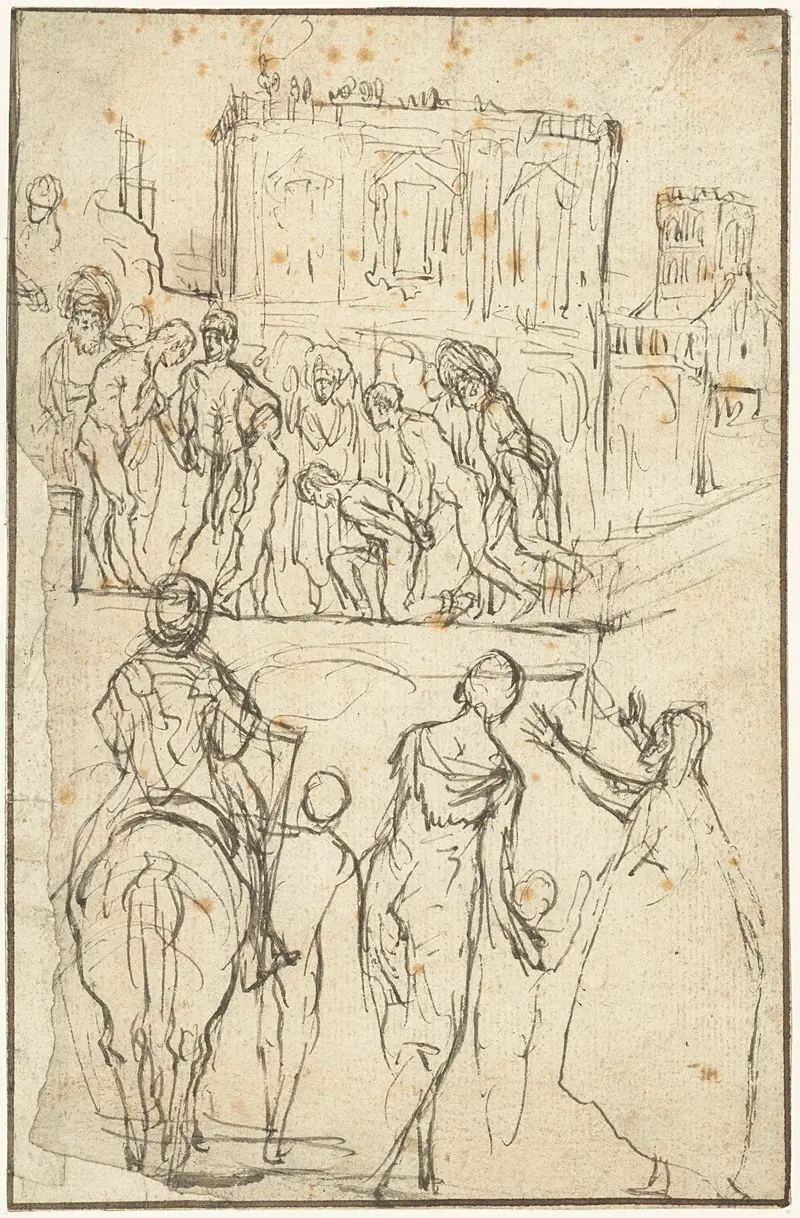
Judgement Scene with a Bound Prisoner
Adam Elsheimer
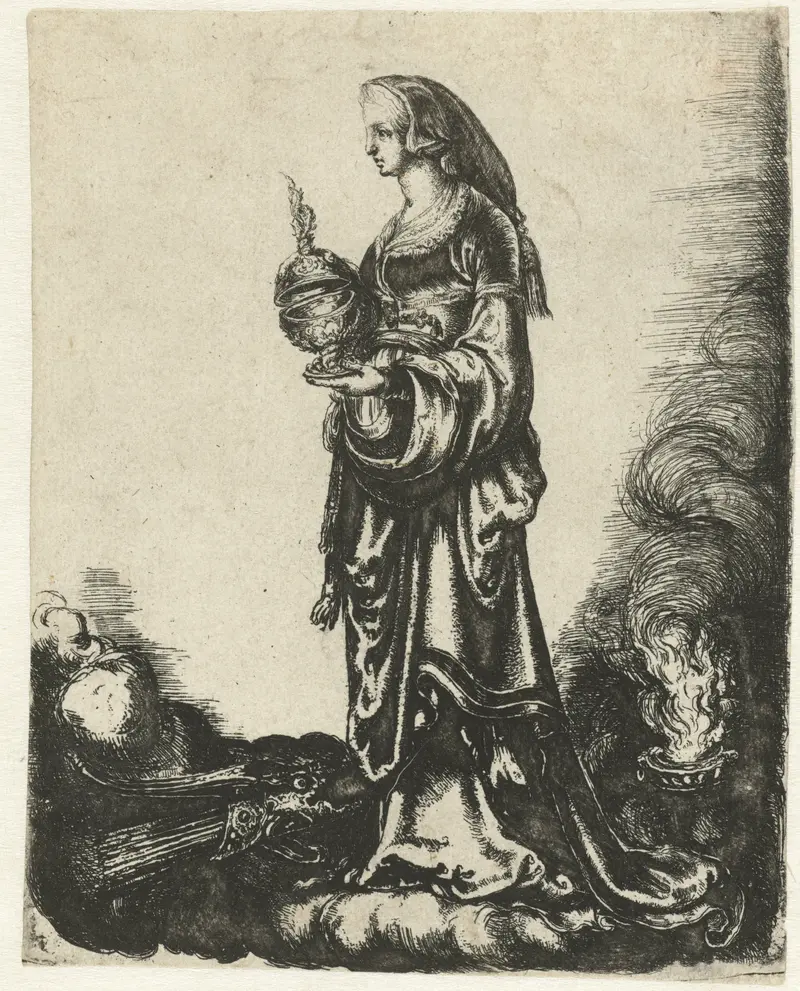
Allegorie met vrouw met beker staand op wolk
Adam Elsheimer
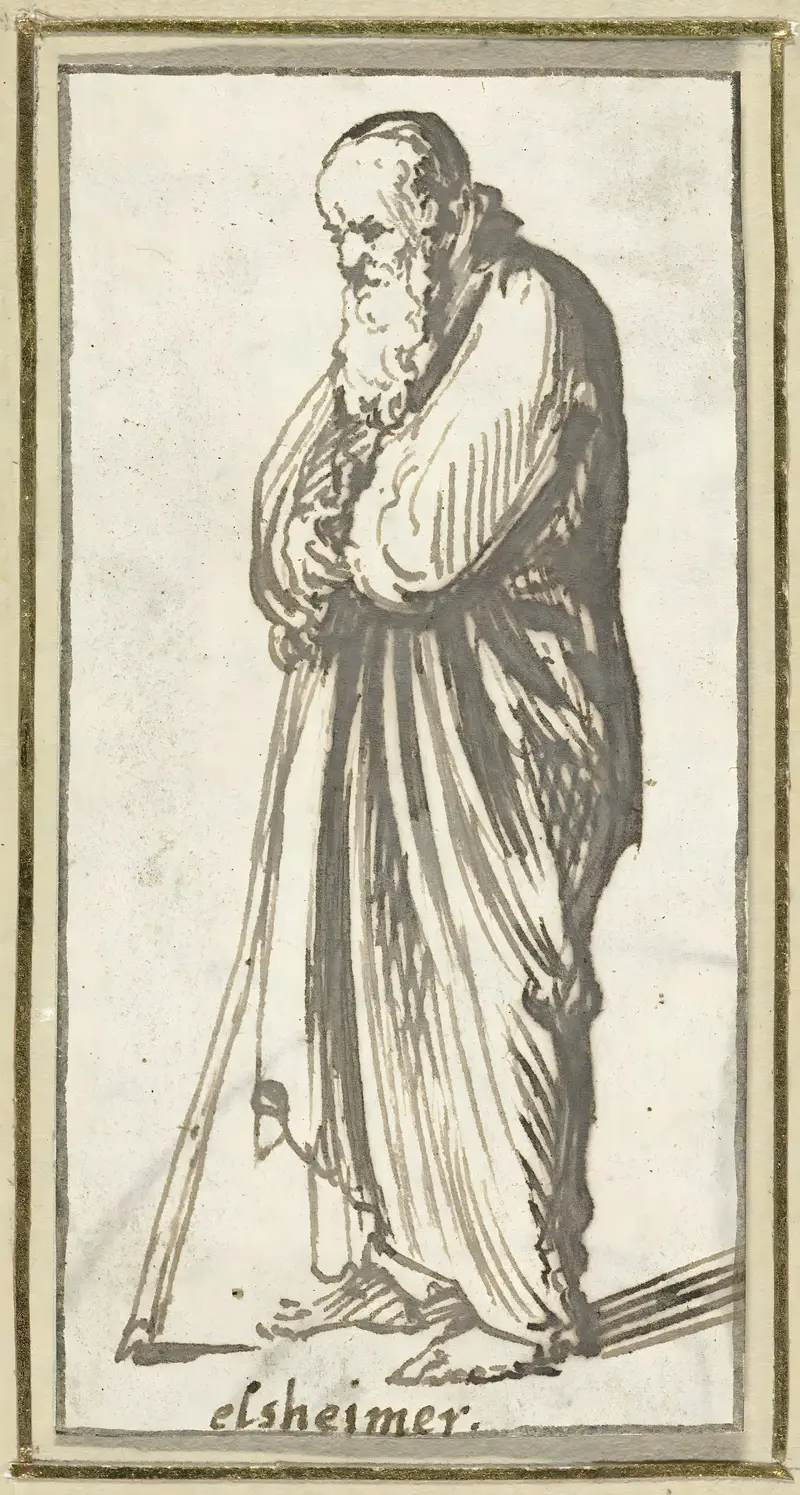
Oude man in lang gewaad
Adam Elsheimer
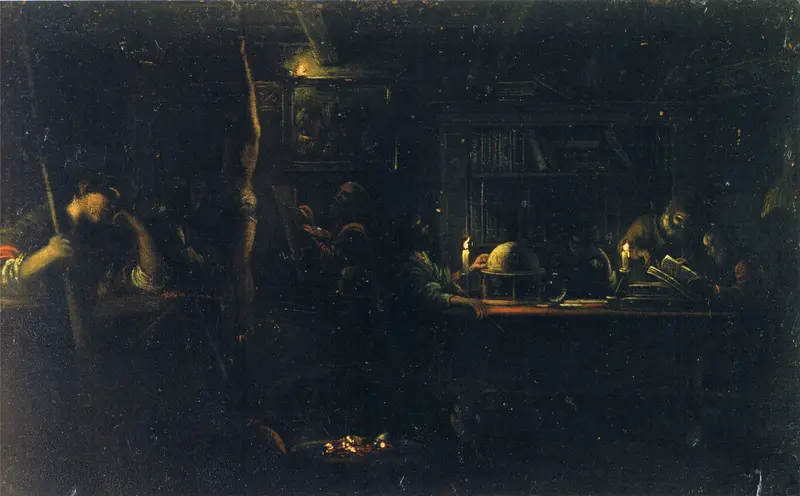
Minerva as patroness of Arts and Sciences
Adam Elsheimer
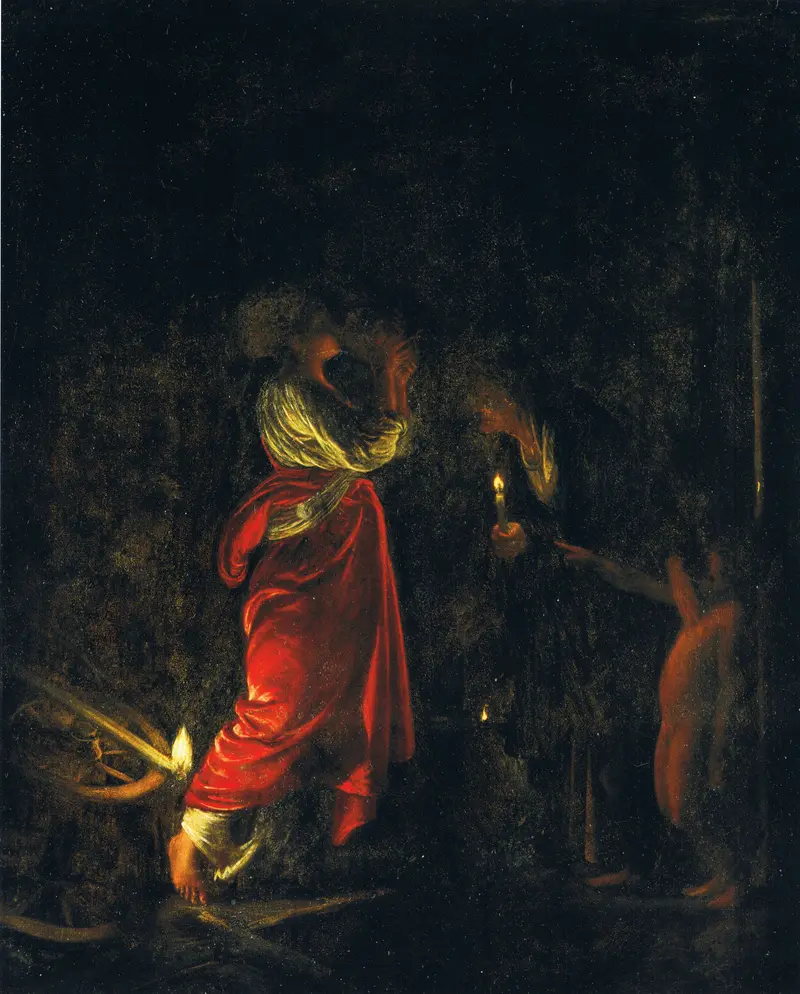
The Mocking of Ceres
Adam Elsheimer
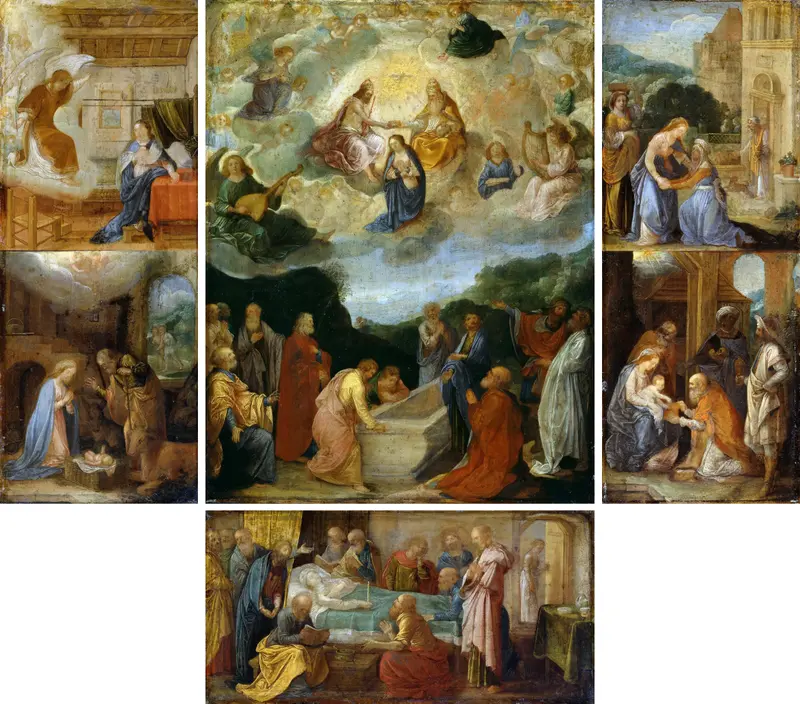
House Altar with Six Scenes from the Life of the Virgin Mary
Adam Elsheimer





