
The Mocking of Ceres — History & Facts
A single, flickering candle draws the eye through the darkness, its glow catching on the swirling red cloak of a solitary figure. The drama here is built from shadow and light: a woman, her back turned, strides forward with bare feet, her posture tense, while a small, naked boy to the right points and mocks her, his gesture illuminated by the same fragile flame. The composition is charged with tension—Ceres, goddess of the harvest, is caught in a moment of humiliation, her divinity almost swallowed by the gloom.
Elsheimer’s brushwork is quick and searching, the textures of cloth and hair caught in the uncertain light, as if the story itself might vanish if the candle were snuffed. Painted around 1605, this work belongs to a world fascinated by myth and metamorphosis, where stories from Ovid were not just retold but reimagined for private contemplation. Artists like Adam Elsheimer found new ways to stage these ancient tales, using the intimacy of candlelight to heighten emotion and mystery. In the early seventeenth century, such paintings were prized by collectors for their erudition and subtlety—small-scale works meant for close viewing, often commissioned by scholars or wealthy patrons who delighted in their layered meanings.
The painting’s survival, documented in a modern collection guide, is a reminder of how these quiet dramas, painted for a handful of eyes, still invite us to step closer and decipher their secrets.
More Artworks by Adam Elsheimer

Saint John the Baptist in the Wilderness
Adam Elsheimer
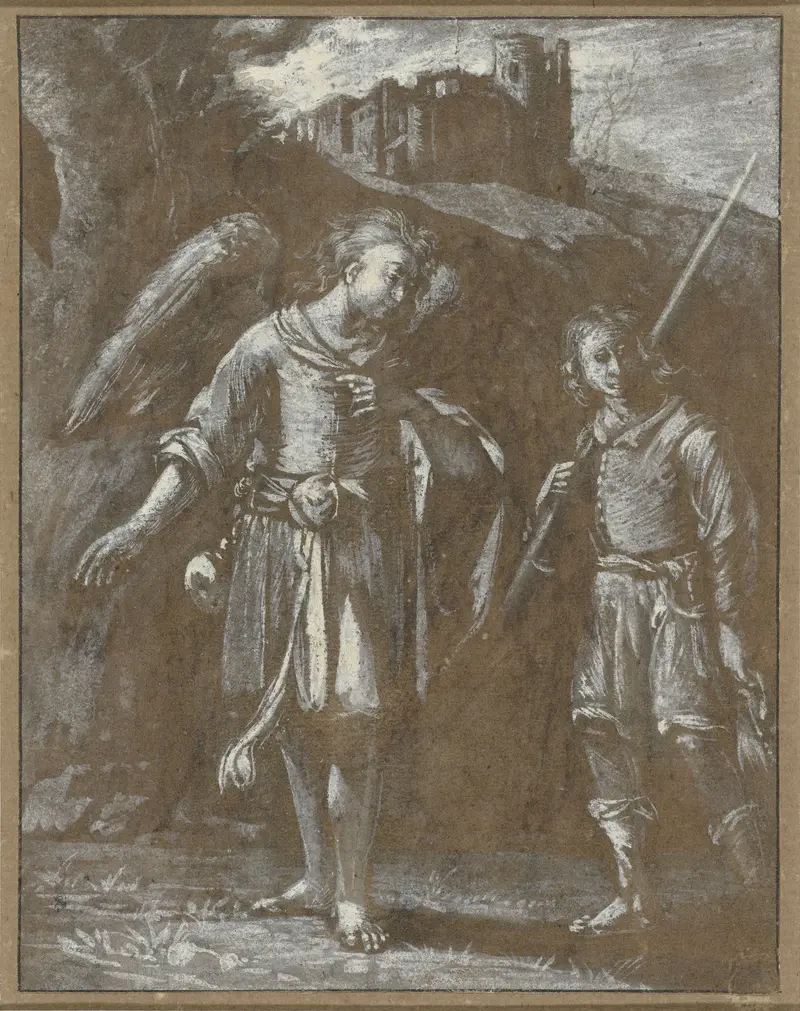
Tobias en de engel
Adam Elsheimer
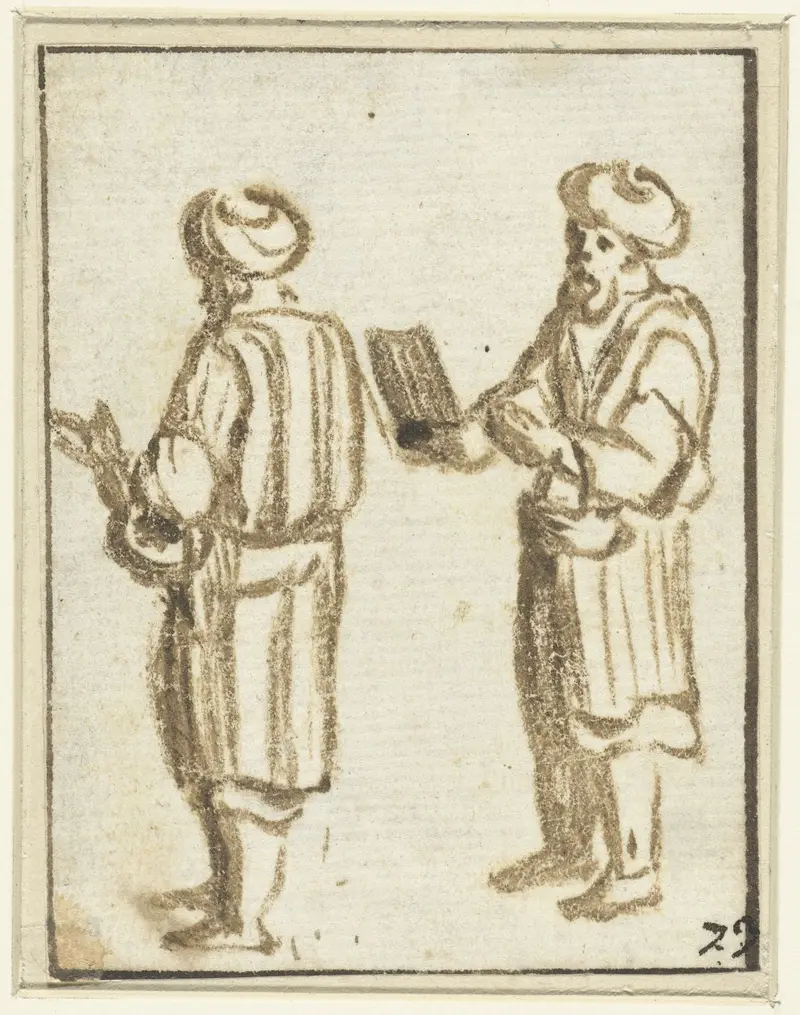
Twee staande mannen met tulbanden
Adam Elsheimer
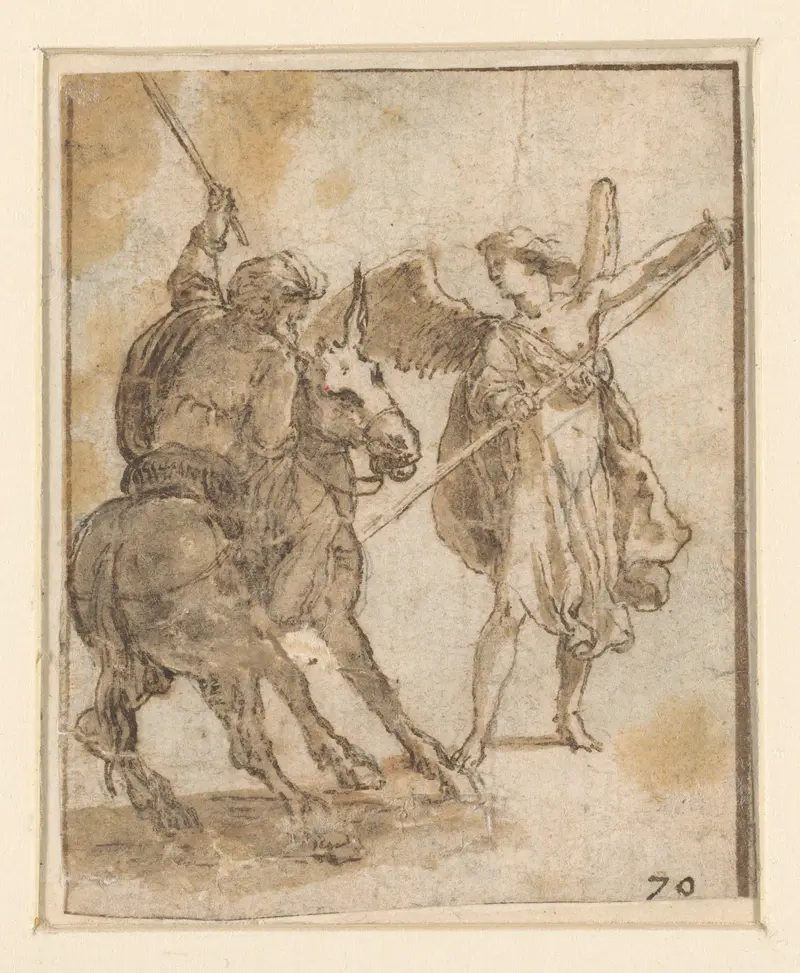
Bileam op zijn ezel ontmoet de engel
Adam Elsheimer
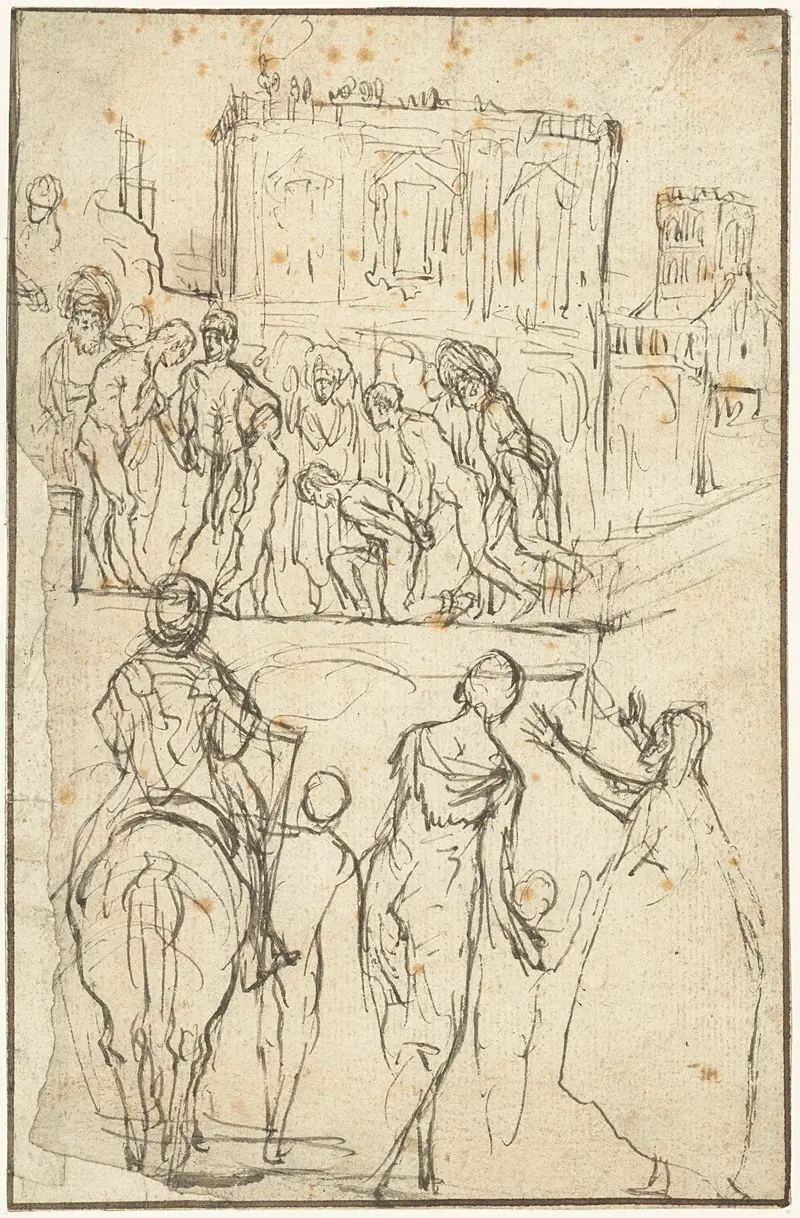
Judgement Scene with a Bound Prisoner
Adam Elsheimer
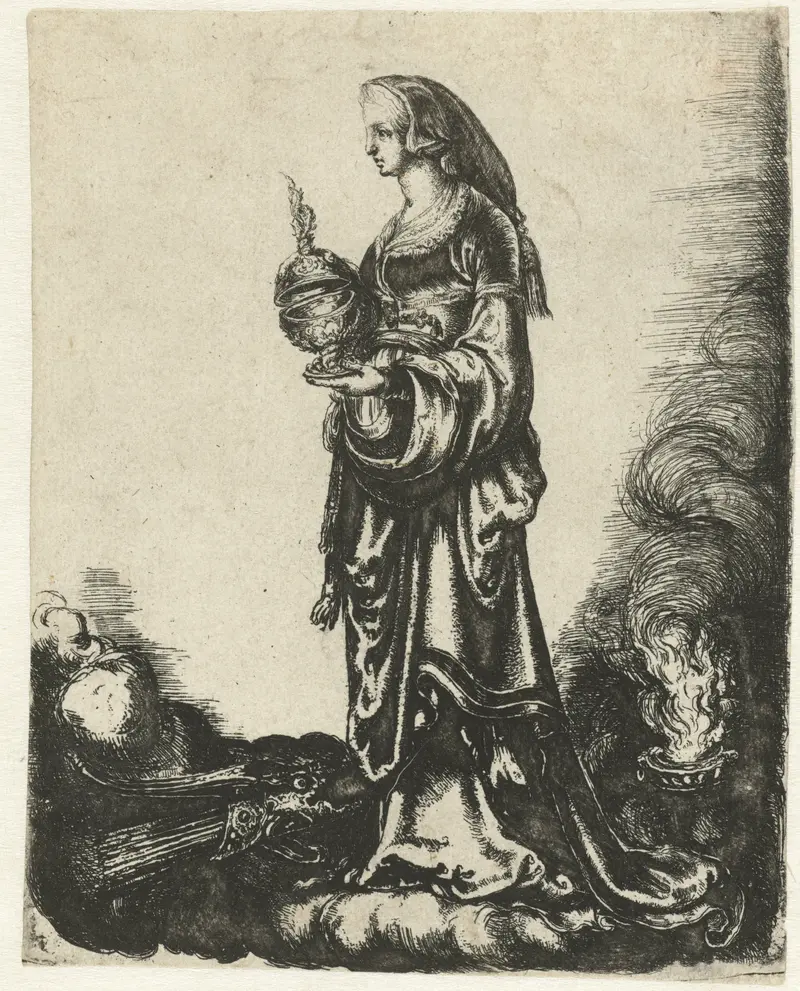
Allegorie met vrouw met beker staand op wolk
Adam Elsheimer
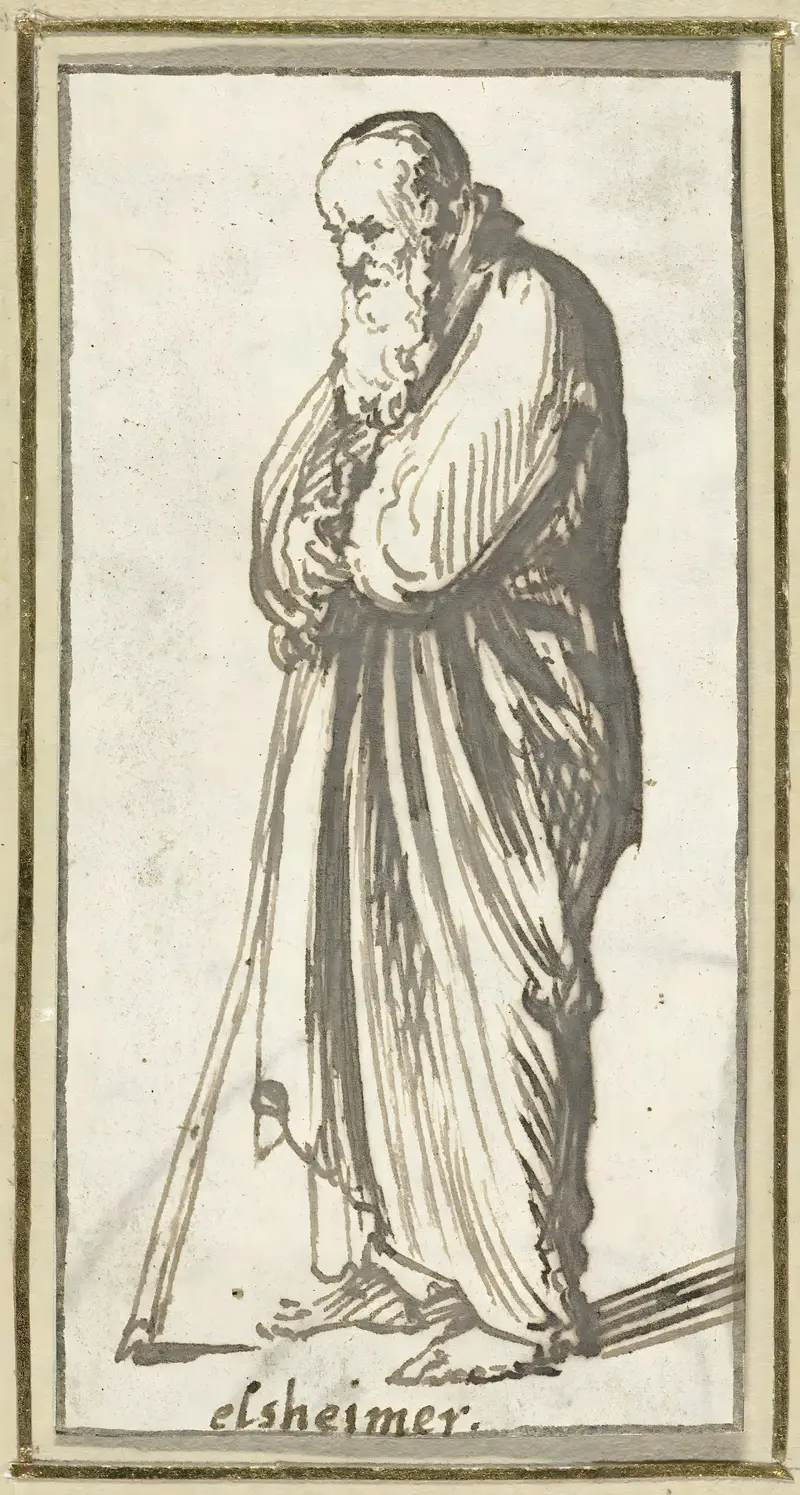
Oude man in lang gewaad
Adam Elsheimer
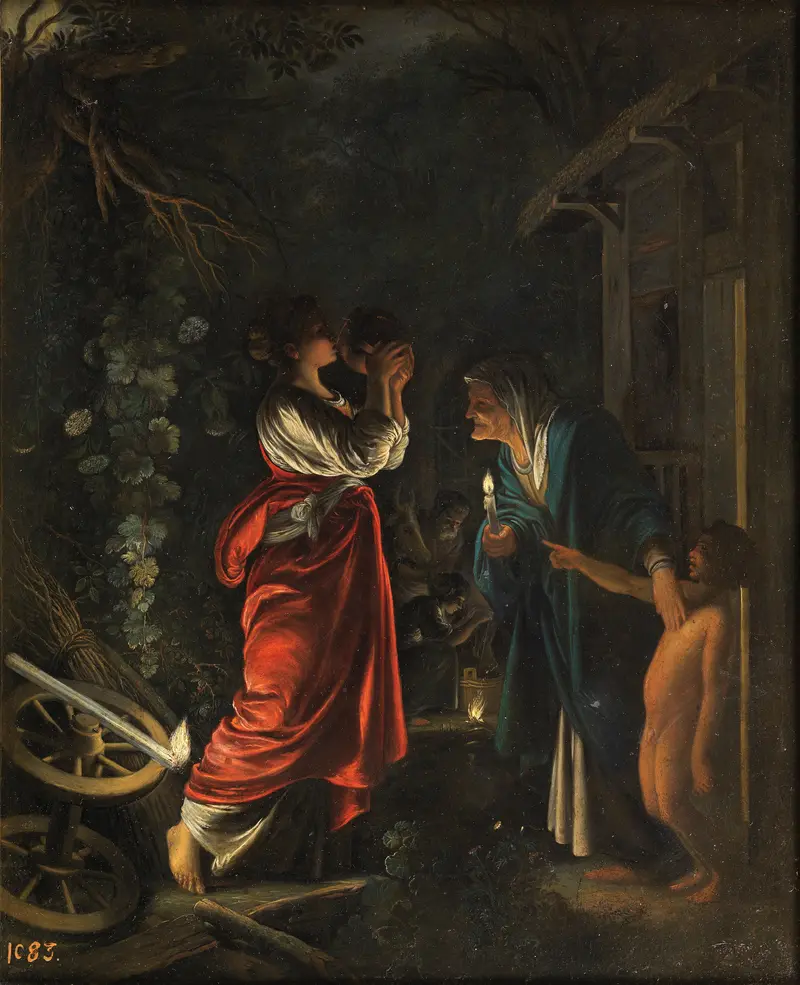
Ceres in the House of Hecuba
Adam Elsheimer
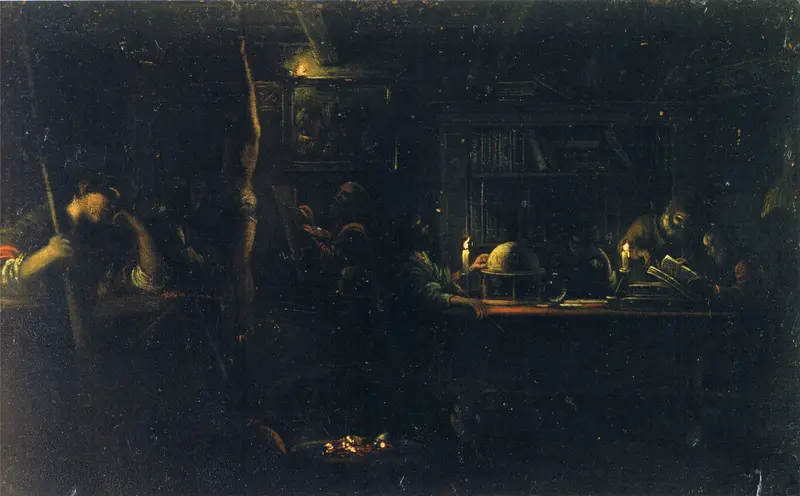
Minerva as patroness of Arts and Sciences
Adam Elsheimer
House Altar with Six Scenes from the Life of the Virgin Mary
Adam Elsheimer





