
The Captured Kiss — History & Facts
When The Captured Kiss was first exhibited, it caused a quiet stir among Parisian viewers for its daring intimacy—so much so that some critics whispered about its "dangerous frivolity." Painted in 1756 by Jean-Honoré Fragonard, the work appeared at a moment when the young artist was still under the influence of his teacher, François Boucher, but already showing a more playful, impulsive touch. The title itself hints at a fleeting, almost stolen moment, and the painting is often cited as an early example of the Rococo fascination with secret romance and mischievous encounters. Unlike Fragonard's later, more famous scenes of love, this canvas stands out for its immediacy and the palpable sense of risk it conveys. At the heart of the painting, a young man leans across a stone balustrade, his hand gently but insistently drawing a startled woman toward him.
Her body twists away, but her eyes betray curiosity rather than alarm; the tension between their gestures captures the very instant before a kiss is exchanged—or perhaps refused. The lush garden setting, rendered with loose, swirling brushwork, encloses the couple in a private world, while the dappled light on their faces heightens the sense of secrecy. Fragonard’s use of soft, pastel colors and fluttering fabrics recalls Boucher’s The Interrupted Sleep, yet here the emotional charge is more immediate, the moment more precarious. Though the original patron of The Captured Kiss remains unknown, the painting’s small scale and intimate subject suggest it was intended for a private interior, perhaps as part of a series celebrating the amusements of courtship.
The work’s whereabouts were uncertain for decades, resurfacing only in the early twentieth century in a Parisian collection. Scholars have debated its attribution, noting the youthful energy of the brushwork and the experimental handling of light as hallmarks of Fragonard’s early period. Today, The Captured Kiss is recognized as a key step in the artist’s journey toward the exuberant style of his later masterpieces, and it continues to charm viewers with its snapshot of love’s first, uncertain approach.
More Artworks by Jean-Honoré Fragonard

The Swing
Jean-Honoré Fragonard

The Swing
Jean-Honoré Fragonard

A Young Girl Reading
Jean-Honoré Fragonard

The Lock
Jean-Honoré Fragonard

The Triumph of Venus
Jean-Honoré Fragonard

A Game of Hot Cockles
Jean-Honoré Fragonard
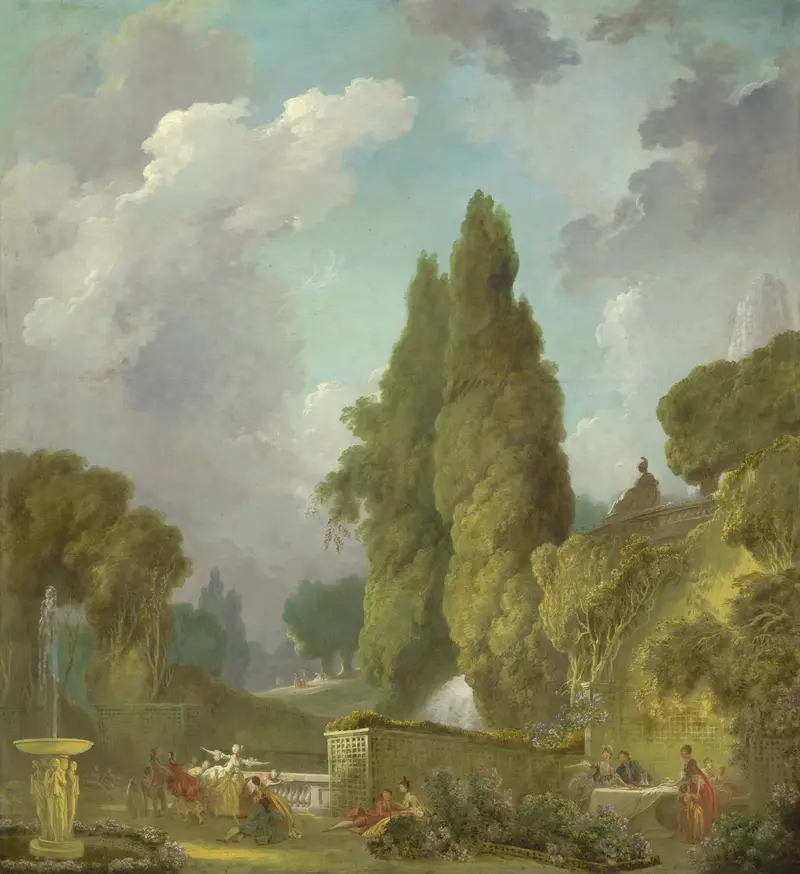
Blindman’s Buff
Jean-Honoré Fragonard
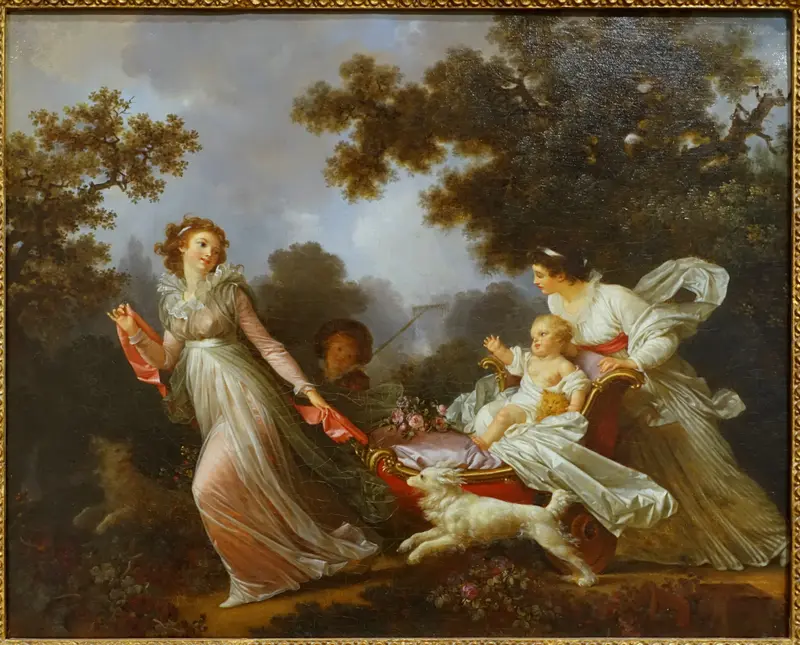
The Beloved Child
Jean-Honoré Fragonard
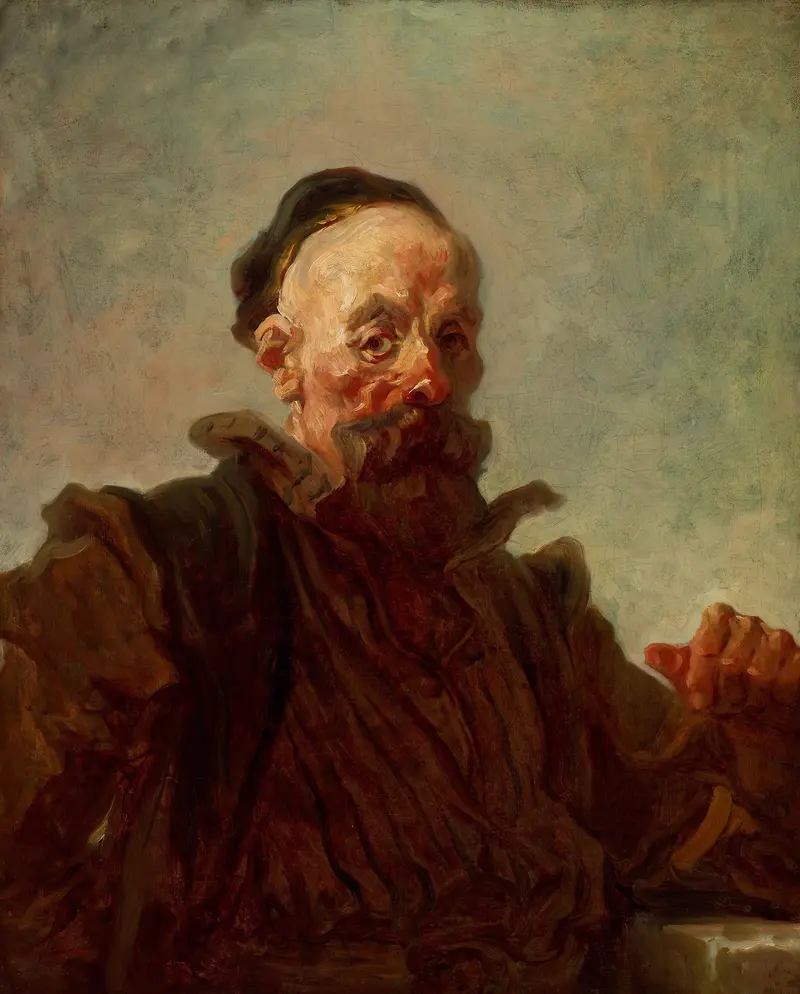
Portrait of a Man in Costume
Jean-Honoré Fragonard
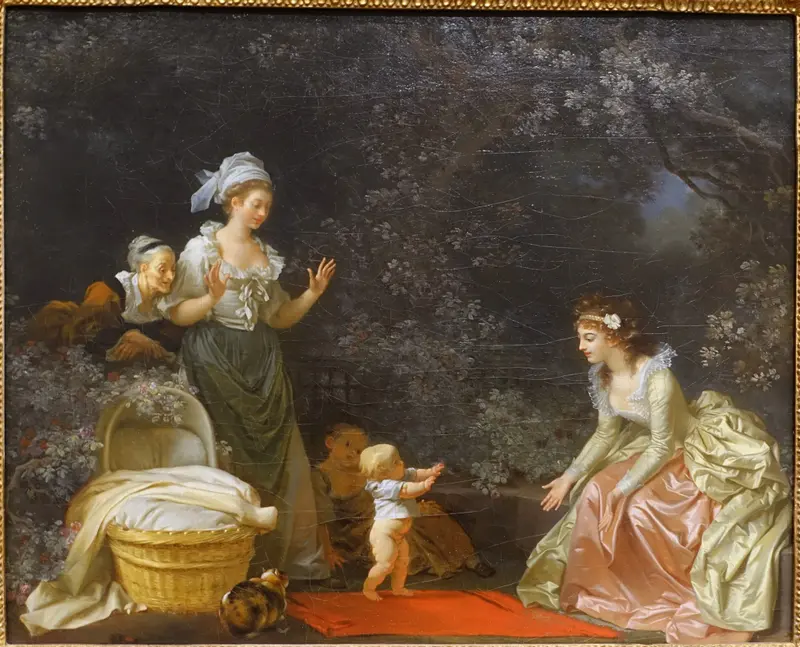
The First Steps
Jean-Honoré Fragonard
More Genre Scene Art

Banquet of the Officers of the St George Civic Guard
Frans Hals

Rembrandt and Saskia in the Scene of the Prodigal Son
Rembrandt van Rijn

Bal du moulin de la Galette
Pierre-Auguste Renoir

Quadrille at the Moulin Rouge
Henri de Toulouse-Lautrec

A Burial at Ornans
Gustave Courbet

When Will You Marry?
Paul Gauguin