The Cats: Tsching, Batzar and Blanc-Blanc — History & Facts
Three cats, pressed together in a perfect knot of sleep, draw the viewer into a world of quiet intimacy in The Cats: Tsching, Batzar and Blanc-Blanc. The most striking element is not just the animals themselves, but the way their bodies seem to dissolve into one another—a single, living form shaped by trust and warmth. The artist’s hand lingers over every curve and shadow, guiding your eye in a slow spiral from the tip of a nose to the arc of a back, then back again, never letting you leave the circle of repose.
The rough, looping lines suggest fur and softness, but also the gentle, rhythmic breathing of creatures at rest. This is not a scene of action, but of deep stillness—yet it is charged with life. The three cats, named in the title, are rendered with such careful observation that you sense their individual characters even in sleep: one tucked beneath another’s chin, a paw curled protectively, a head nestled into the warmth of a companion’s flank. The background is nothing but a haze of cross-hatched marks, so all attention remains on the tangle of bodies at the center.
Light glances off their backs, picking out the subtle differences in fur and form, while the darkness beneath their limbs anchors them to the page. Here, the artist’s affection for his subjects is unmistakable; this is a portrait of domestic peace, as alive in its way as any grand historical tableau. Works like this emerged from a world where artists such as Théophile Alexandre Steinlen found inspiration in the everyday, especially in the animals that shared their homes and streets. In late nineteenth- and early twentieth-century Paris, cats were not only beloved companions but also symbols of the city’s bohemian spirit, appearing in posters, prints, and illustrations.
Steinlen, best known for his iconic cabaret posters, often turned to quieter, more personal studies like this one, capturing the gentle rhythms of ordinary life. Though little is recorded about this specific drawing’s journey, it now forms part of the National Gallery of Art’s collection, made accessible through their Open Access Policy—a fitting home for a work that invites us to pause and look closer, again and again.
More Artworks by Théophile Alexandre Steinlen

Village et charrette
Théophile Alexandre Steinlen
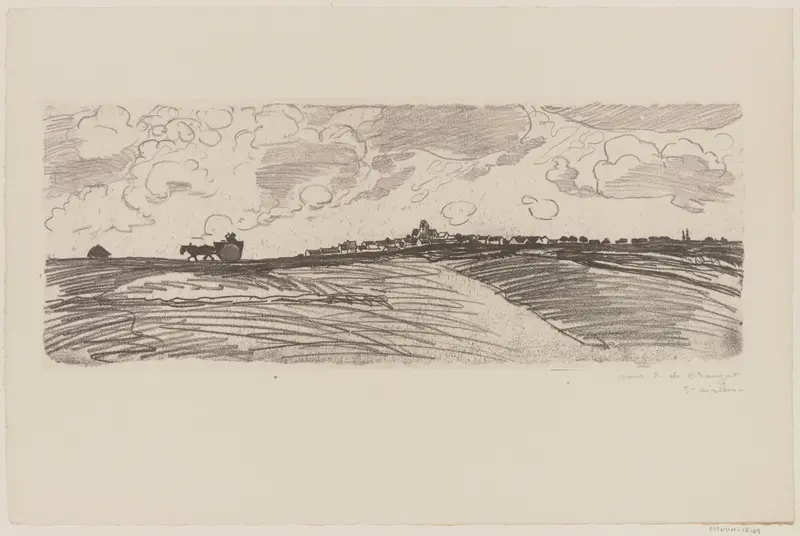
Village et charrette
Théophile Alexandre Steinlen
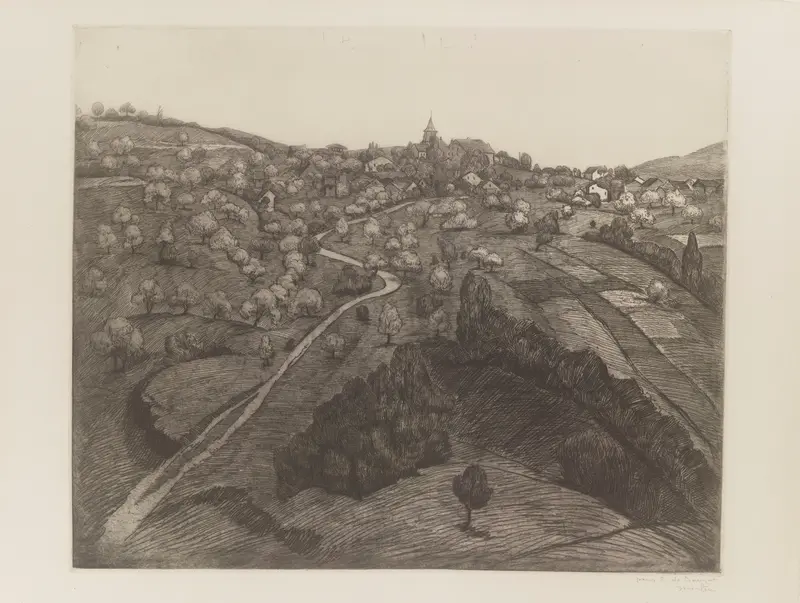
Vue de Belmont, près de Lausanne
Théophile Alexandre Steinlen
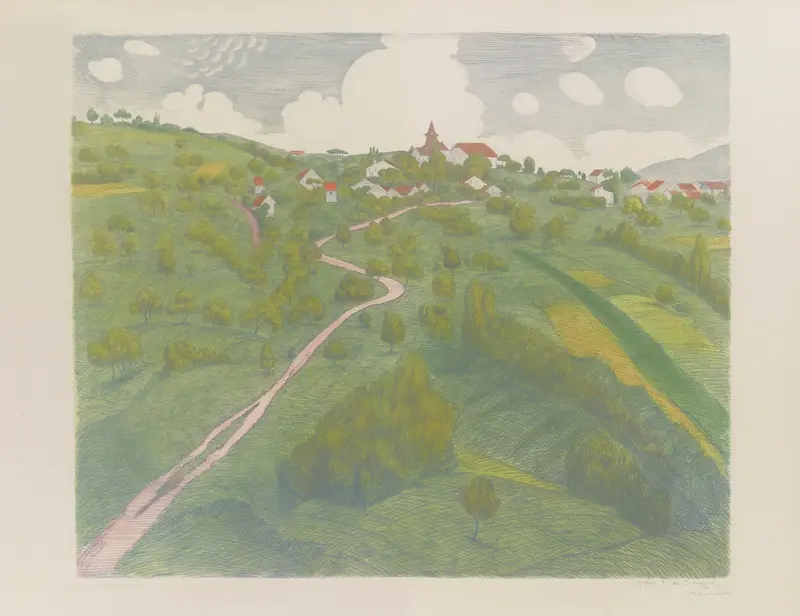
Vue de Belmont, près de Lausanne
Théophile Alexandre Steinlen
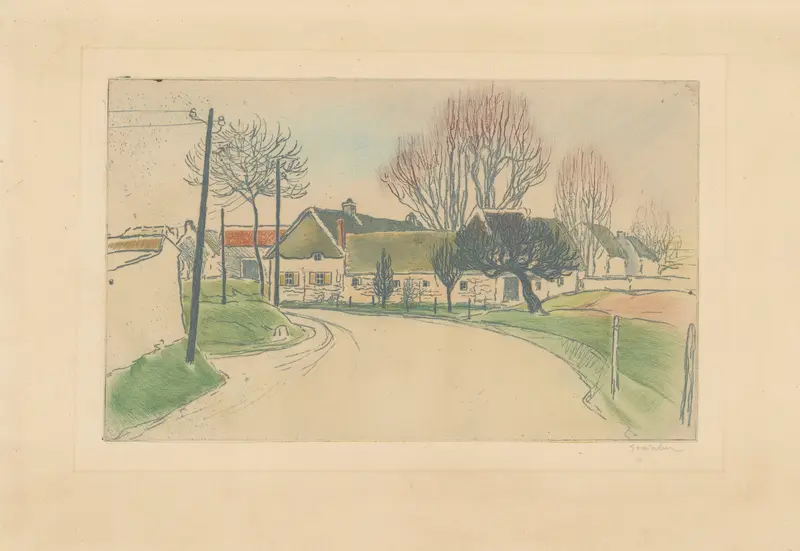
La maison à l’entrée du village
Théophile Alexandre Steinlen
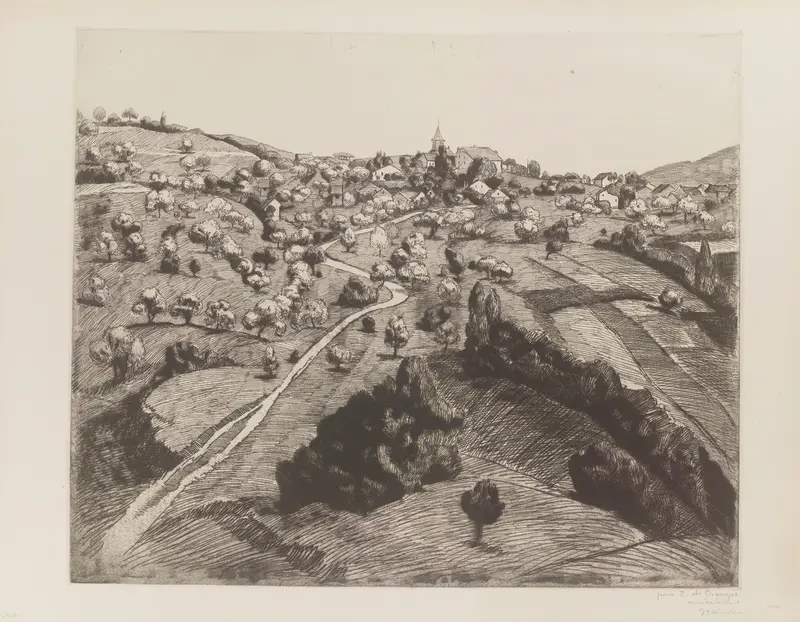
Vue de Belmont, près de Lausanne
Théophile Alexandre Steinlen
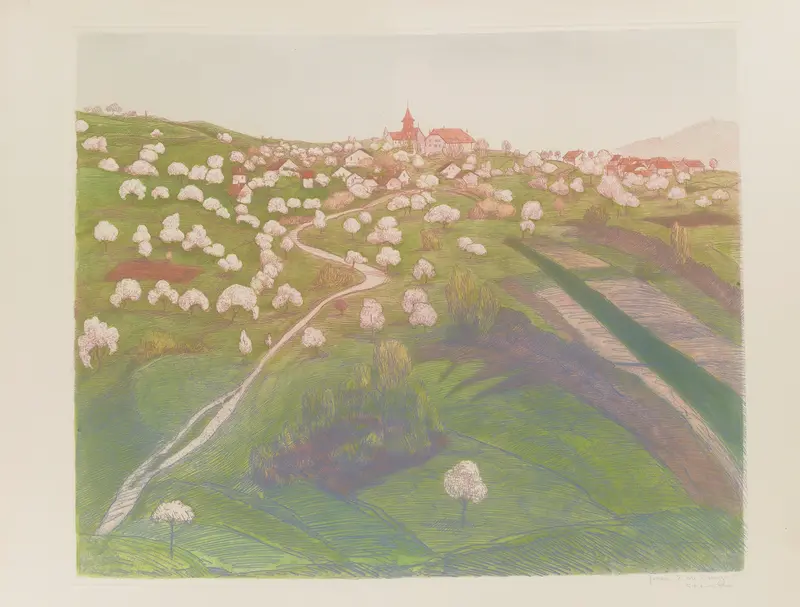
Vue de Belmont, près de Lausanne, n° 2
Théophile Alexandre Steinlen
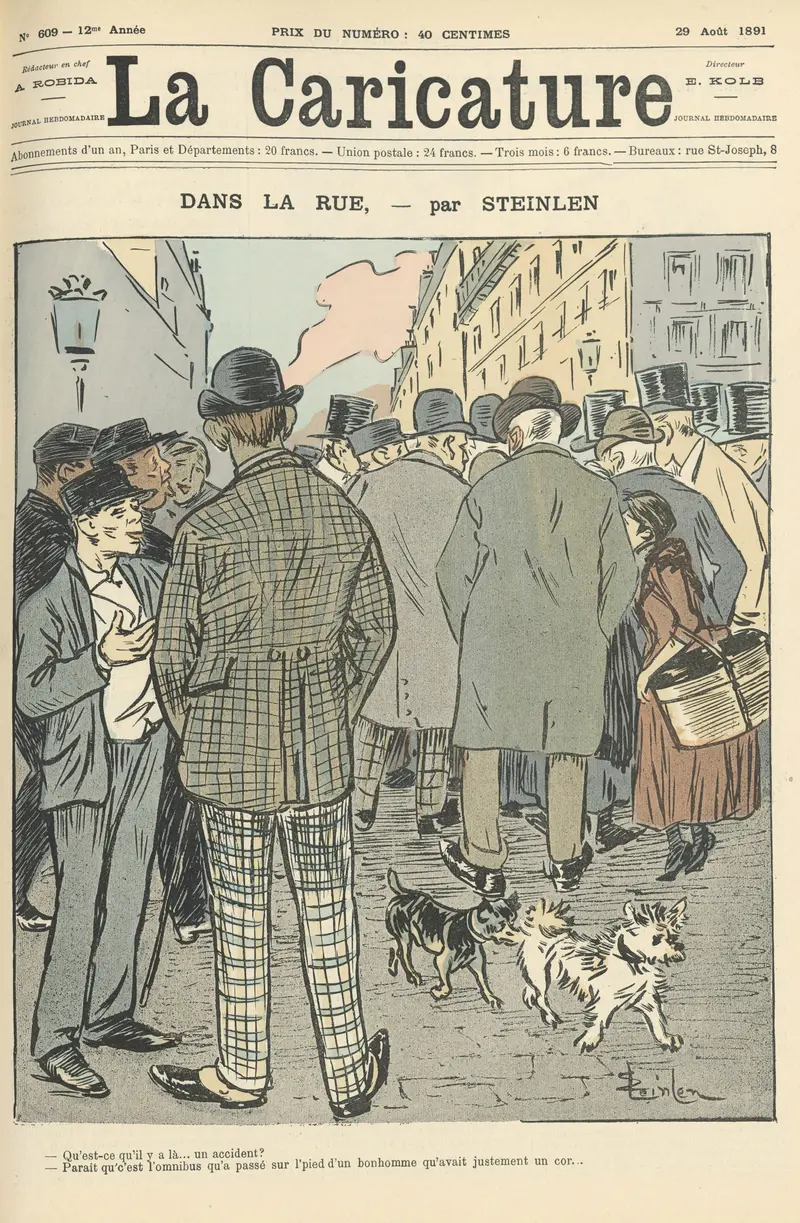
Dans la rue (La Caricature, 29 août 1891)
Théophile Alexandre Steinlen
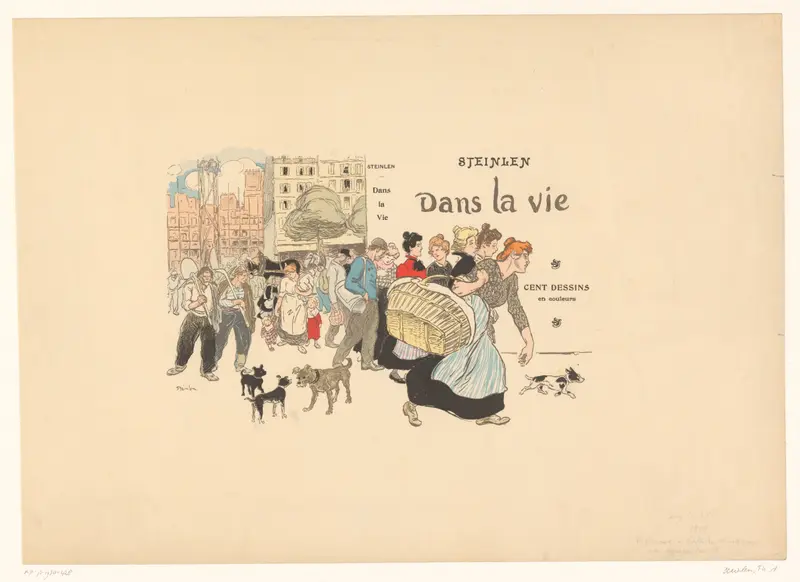
Dans la vie
Théophile Alexandre Steinlen
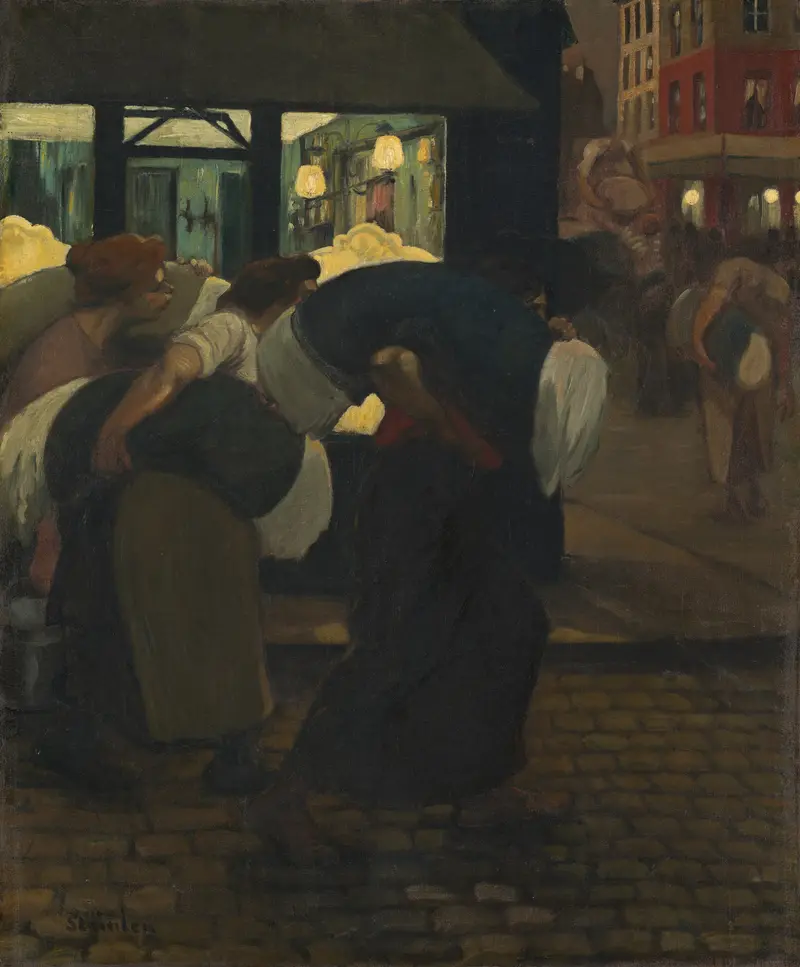
The Laundresses
Théophile Alexandre Steinlen