The Cattle Drive — History & Facts
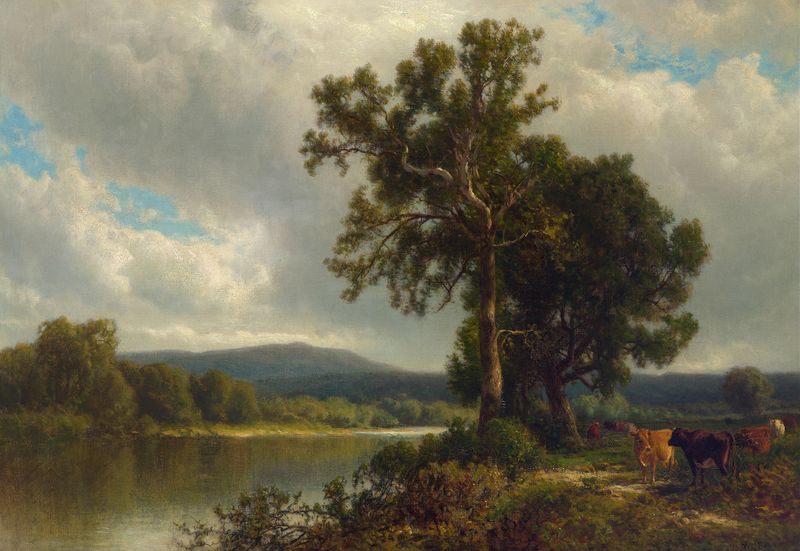
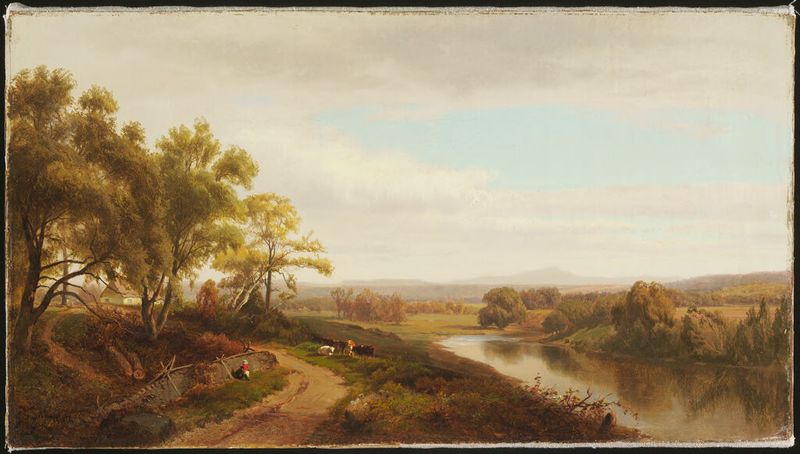
Can paint confess what words never could? In The Cattle Drive, the brushstrokes whisper of loss amid the vast, unforgiving landscape. Look to the left at the silhouetted figures of cowboys, their postures heavy with the weight of their task. Notice how the golden hues of the sunset illuminate the dust rising beneath the hooves of the cattle, creating an ethereal glow that contrasts with the deepening shadows. The canvas is divided by a horizon that stretches infinitely, suggesting both the bleakness of the journey and the hope that lies beyond.
The interplay of warm and cool colors evokes a sense of nostalgia, as if the scene is both a memory and a present reality. As you delve deeper, the emotional tensions emerge. The cattle, restless and rugged, symbolize a hard-won existence, while the cowboys appear stoic yet weary, wrestling with their own unspoken grief. Each figure is etched with meticulous detail, yet they seem to fade into the backdrop, emphasizing their solitude against the sprawling plains.
The landscape, both majestic and harsh, mirrors the internal struggles faced by those who traverse it, leaving an indelible mark on the soul. William Hart painted The Cattle Drive in 1872, during a period when the American West was rapidly evolving. The artist, deeply inspired by the romanticism of the frontier, sought to capture the essence of this rugged lifestyle. At that time, Hart was establishing his reputation as a landscape painter, and this work reflects the dualities of hope and hardship that defined not only the era but also the lives of those who sought fortune in the untamed wilderness.